
AN internal review of Queensland’s cattle tick management system is underway, focusing on accredited scratchers, tick infested cattle at major saleyards and chemical resistance.
State Minister for Primary Industries, Tony Perrett confirmed the review today, telling Beef Central he is very concerned about cattle tick outbreaks in Qld’s tick-free zone.
“No stone is being left unturned on how ticks got to Taroom,” Minister Perrett said.
This announcement follows calls from industry to change the current management system, with several properties in the Taroom district now infested with cattle ticks.
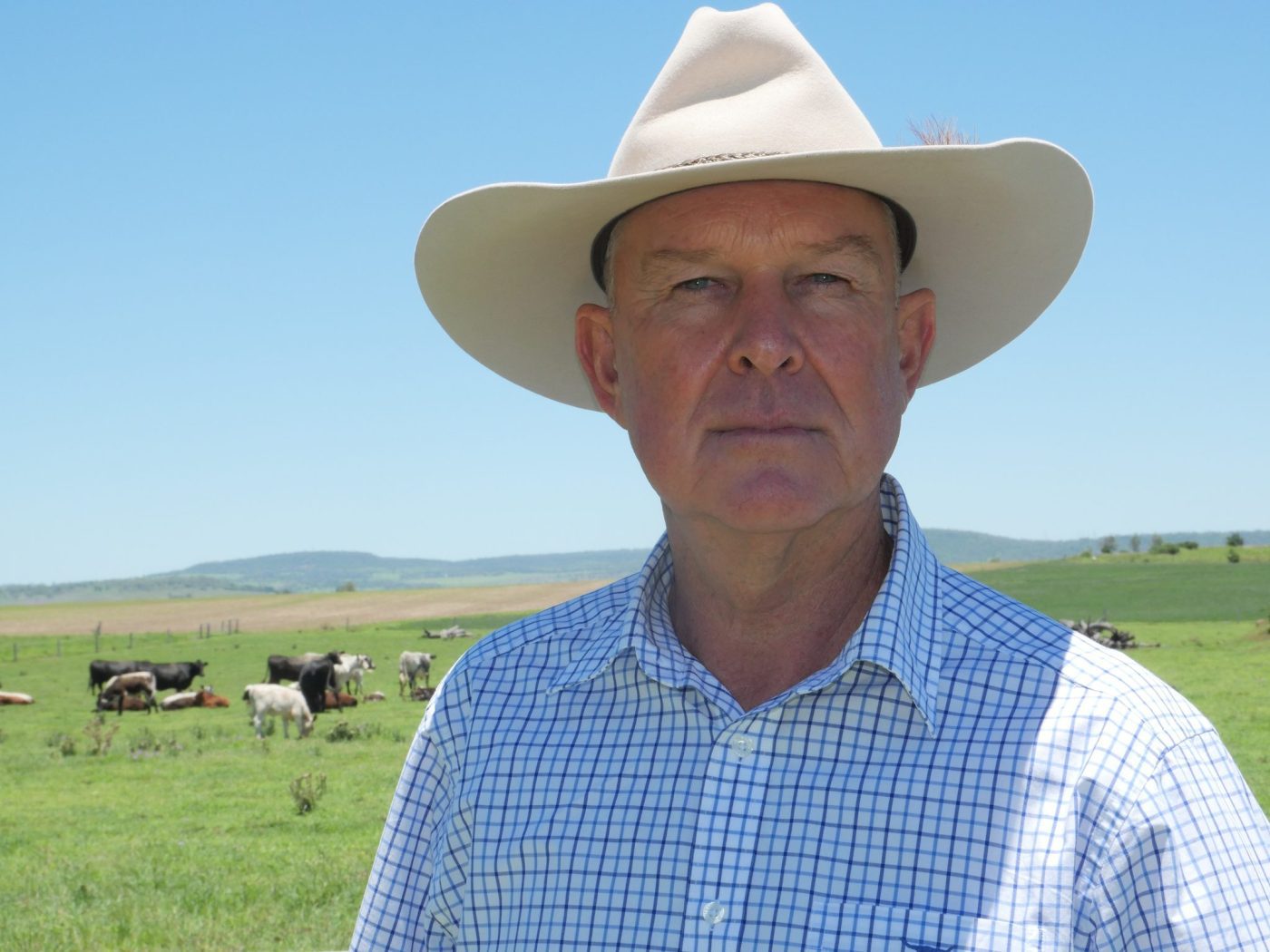
Queensland ag minister Tony Perrett.
“I have instructed the Chief Biosecurity Officer to undertake a review immediately and to have that information on my desk as soon as it can be,” Minister Perrett said.
“That review will focus on if the accredited scratcher system is working, there’s been issues raised around perceived conflicts of interest for scratchers, so that is the first part.
“The second part will focus on keeping saleyards in the tick-free zone clean, especially Dalby.
“Thirdly, I am genuinely concerned about ticks being resistant to the chemicals we are using, so we are focusing on tick resistance.”
The Minister said there are currently 229 restricted places in the tick-free zone, the vast majority of which are in the Toowoomba and South Burnett local government areas, with only 32 falling outside those two regions.
In February the Department of Primary Industries figure was 212.
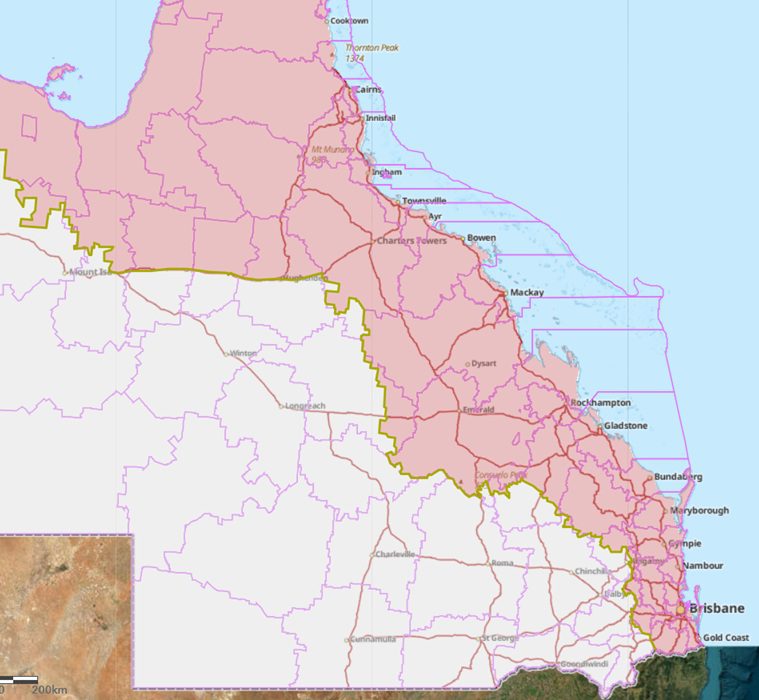
Qld cattle tick line. Click on image for a larger view
Third-party scratcher system being reviewed
One of the major concerns among producers has been potential conflict of interest for third-party scratchers, whether it be agents marketing cattle or producers scratching their own cattle before selling or moving them.
Minister Perrett said that topic was a major focus of the Chief Biosecurity Officer’s review.
“There must be integrity in that system, which is why I directed the Chief Biosecurity Officer to immediately undertake a review of certified accreditors to make certain that there are no gaps and no potential gaps and perceived conflicts of interest,” he said.
“There can be no gaps in that system, otherwise we are going to continue to have scepticism and real concern from landholders in the tick-free area.”
Minister Perrett said as part of that review it is being considered whether agents can scratch cattle that they market and if producers can scratch their own cattle.
More Biosecurity Officers will hit the ground by June
The State Government announced in August last year it would employ 100 extra biosecurity officers, with 37 of those positions now filled.
“We are well on track to have half of those Biosecurity Officers on the ground by the middle of this year,” Mr Perrett said.
“We already have some of those Officers, particularly biosecurity leads, that are leaning in heavily on the tick matter.
“We have biosecurity lead in Biloela and another one in Toowoomba that were tasked last year to work directly with landholders who have tick incursions in the tick-free area.”
Biosecurity Officers will be visible at major saleyards
Last month Beef Central published a story highlighting the issues with tick infested cattle regularly arriving at the Dalby saleyards, which is Australia’s second largest selling centre.
The president of the Dalby Agents Association, Brendan Gilliland told The Week in Beef podcast buyers and vendors had expressed they would stop using the selling centre if changes weren’t made quickly to stop the arrival of tick infested cattle.
Minister Perrett said the DPI had advised him Biosecurity Officers were regularly attending the Dalby and Roma cattle sales.
“I have instructed the Chief Biosecurity Officer to have officers much more visible on the ground and to do whatever they need to do to make sure ticks don’t get to the Dalby and Roma saleyards, so buyers and vendors can have confidence that the yards in the free area are free of ticks,” Minister Perrett said.
“But if ticks do get there, they need to make certain they don’t spread into other areas.
“And if there are producers sending cattle with ticks on them, then the full force of the biosecurity act should apply because it is completely unacceptable.”
Minister Perrett said he is not currently considering funding a dip at Dalby.
“My priority is that ticks don’t get to Dalby so that buyers can be confident they are purchasing tick free cattle,” he said.
Chemical resistance a genuine concern
Minister Perrett said the review is also focusing on chemical resistance in ticks to ensure the chemicals that are being used to treat infestations are working.
“I have instructed the Chief Biosecurity Officer to undertake tests and research in cattle ticks in Qld to see the level of potential resistance they have to existing products,” he said.
“I am greatly concerned about resistance because even with property owners doing everything right, if ticks are resistant to the existing products that we use, that is of significant concern, not just to the tick-free areas, but to the tick-infested areas across the state.
“Because if we lose the battle in being able to control ticks, then we risk having more incursions in the tick-free zone.”
Major changes to the system not being considered yet
Over the last two months industry has called for a range of changes to cattle tick management, including reinstating a buffer zone in the high-risk areas and enforcing restrictions on first and second removed properties to an outbreak.
“The focus for this review is on the existing framework and how to fix it, but that doesn’t exclude further conversations on how to best prevent ticks spreading into tick-free area,” Minister Perrett said.
“I am not considering in the short term a buffer zone in high-risk areas. There are hotspots in the Toowoomba and South Burnett regions where around 90 per cent of restricted properties in Qld are.
“That is an ongoing challenge, and I don’t dismiss any further changes being made but our focus right now is on the existing system.”
The Minister said he is not considering enforcing restrictions on first and second removed properties yet.
Previous stories on this topic
March 5 – The cost of cleaning up cattle ticks in Qld’s free zone – Beef Central
16 February – Taroom producers say they have no confidence in cattle tick management + VIDEO – Beef Central
13 February – Producers air frustrations at Taroom cattle tick outbreak meeting – Beef Central