
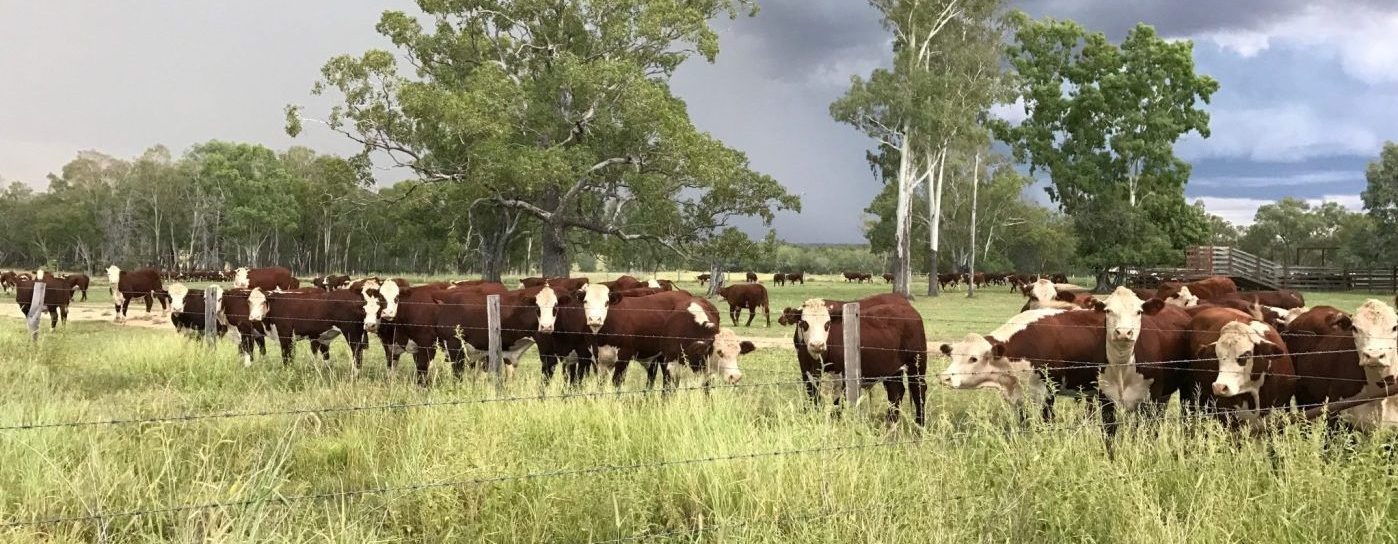
 IT HAS been 10 years since major changes were made to Queensland’s cattle tick management and industry is calling for changes, following another outbreak in the tick-free zone.
The Department of Primary Industries told Beef Central that “over the past 12 months, there were 65 new restrictions recorded within the Cattle Tick Free Zone”.
In 2019 Beef Central published a story which stated the number of recorded detections in the cattle tick free zone were:
- 2017 – 31
- 2018 – 31
- 2019 – 27
The DPI said the increase in outbreaks in the free zone currently is in line with improved seasonal conditions, whereas in 2019 the dry conditions contributed to the decline in infestations.
Since the latest outbreak of cattle ticks around Taroom, Beef Central has been asking industry participants what changes are needed to bolster tick management in Qld.
In 2016 major changes were made to Qld’s tick management system, including eradicating the buffer zone and instead moving to a two zone system – the cattle tick-infested zone and the cattle tick-free zone.
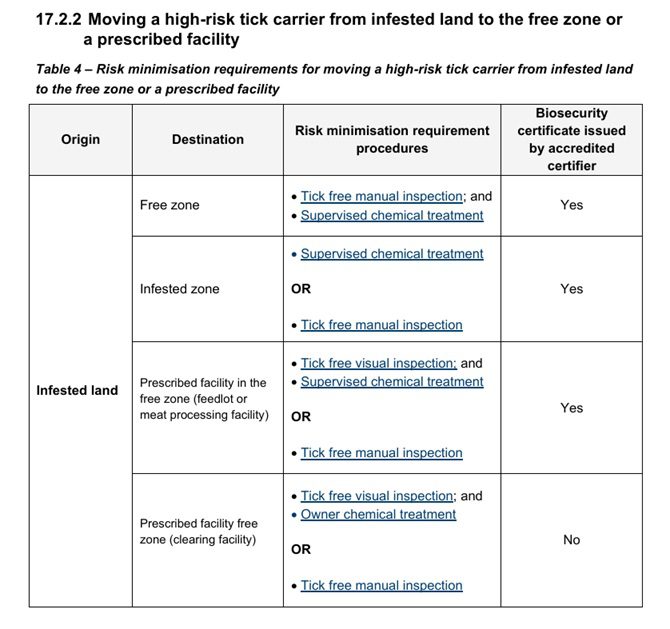
There was also a relaxation of requirements for cattle travelling directly from the infested zone to a prescribed facility in the free zone, which are feedlots and meat processing facilities where cattle ticks can’t survive.
At the time this change was supported by AgForce as a way to improve animal welfare by reducing travel times and unnecessary chemical exposure.
A less popular move among producers in the free zone was the implementation of third-party scratchers which allows anyone to undertake training to become an accredited certifier, including producers who could then inspect and certify their own cattle as tick free.
This change was accompanied by the allowance to have cattle inspected on property, rather than at a clearing facility on the line and was hailed for its flexibility by the state’s Chief Veterinary Officer at the time, Allison Crook.
“When crossing from the infested zone to the free zone, producers can have their livestock certified tick free by an accredited certifier at any location, including their own property,” Dr Crook said when the changes were announced in June 2016.
“This will reduce transportation costs, helping to sustain our profitable primary industries and improve animal welfare.”
However, a large number of industry participants, including several former government stock inspectors have told Beef Central that flexibility was at the expense of integrity of the system.
What is working
In 2016 the Government’s changes had the support of industry group AgForce, even though it was a highly contentious issue for members.
The support did cost AgForce some members though, particularly around the Taroom area, where there was a group of producers who fought to stop the changes.
“The announcement of a new tick line will deliver long awaited clarity for Queensland cattle producers but must be backed up with a strong surveillance program and communication plan,” AgForce said in a statement in 2016.
One of the popular changes has been the guidelines allowing cattle to travel from the infested zone through the free zone to a feedlot with a visual inspection and a chemical treatment.
“Providing producers are meeting their biosecurity obligations, the other change that is working is allowing cattle to travel from the infested zone through the free zone, back into the infested zone,” one producer told Beef Central.
“However, the state of the roads make this a little risky with truck accidents causing biosecurity issues if tick infested cattle escape into a clean property.”
What needs to change
When the changes were made in June 2016, the Government promised to maintain surveillance programs and control over outbreaks in the free zone.
“To minimise the risk of cattle tick spreading into the free zone, control of high-risk livestock moving into the free zone will be maintained, but with more flexibility,” Dr Crook said in 2016.
“Biosecurity Queensland inspectors will implement a cattle tick surveillance program that will monitor livestock movements and ensure cattle ticks in the free zone aren’t spreading.”
Beef Central has been repeatedly told by industry participants that has not happened and more DPI staff are urgently needed on the ground to enable the Government to live up to that commitment.
AgForce supports calls for a review of cattle tick management in Qld.
Here is a list of changes industry has told Beef Central it would like to see:
More DPI staff
The latest outbreak of cattle ticks has highlighted the urgent need for DPI staff in the field, not just for cattle ticks but to bolster biosecurity more broadly.
The State Government announced in August last year it would employ 100 extra biosecurity officers, with 31 of those positions now filled.
Producers told Beef Central they would like to see the remaining positions filled with regional positions.
- More DPI staff with tick scratching accreditation
- DPI to take control of outbreaks – including inspecting infected properties and first and second removed properties from an outbreak in the free zone; as well as tracing to find the extent of the outbreak
Cattle tick specific changes
- A change to the Privacy Act – so that all information can be given to producers who have a biosecurity risk (eg: neighbour to an outbreak)
- A buffer zone in the bottom quarter of Qld which is known as a high-risk area
- Horses and other animals that carry cattle tick be required to be inspected and treated before travelling into the free zone
- AgForce would like to see changes made to scratching, reviewing if producers should be allowed to scratch their own cattle
“Better education is also needed for producers so they know how to identify cattle ticks and what the procedures are for moving stock and alerting the DPI if they have an infestation,” AgForce General President Shane McCarthy said.
Saleyard changes
Australia’s second largest saleyard, Dalby has been at the centre of discussions about cattle tick outbreaks in the free zone. As a result, a number of changes are being called for from the Dalby Agents Association, who would like a meeting with Minister for Primary Industries Tony Perrett:
- A DPI officer present each Tuesday night checking cattle from high-risk areas, in preparation for the Dalby sale on a Wednesday
- A dip at Dalby, not a clearing dip – more information here
- However, this is not a widely supported idea with concerns that a dip at Dalby sends the message that tick infected cattle can travel to Dalby.
There are also calls from producers for livestock agents to no longer be allowed to be third party scratchers or not be allowed to scratch cattle for a sale.
Beef Central is waiting to hear from Minister Tony Perrett on cattle ticks.
Previous stories
20 February – Dalby agents respond to concerns about repeated tick outbreaks – Beef Central
16 February – Taroom producers say they have no confidence in cattle tick management + VIDEO – Beef Central
13 February – Producers air frustrations at Taroom cattle tick outbreak meeting – Beef Central
3 February – Calls for Govt support in latest Qld cattle tick outbreak – Beef Central