

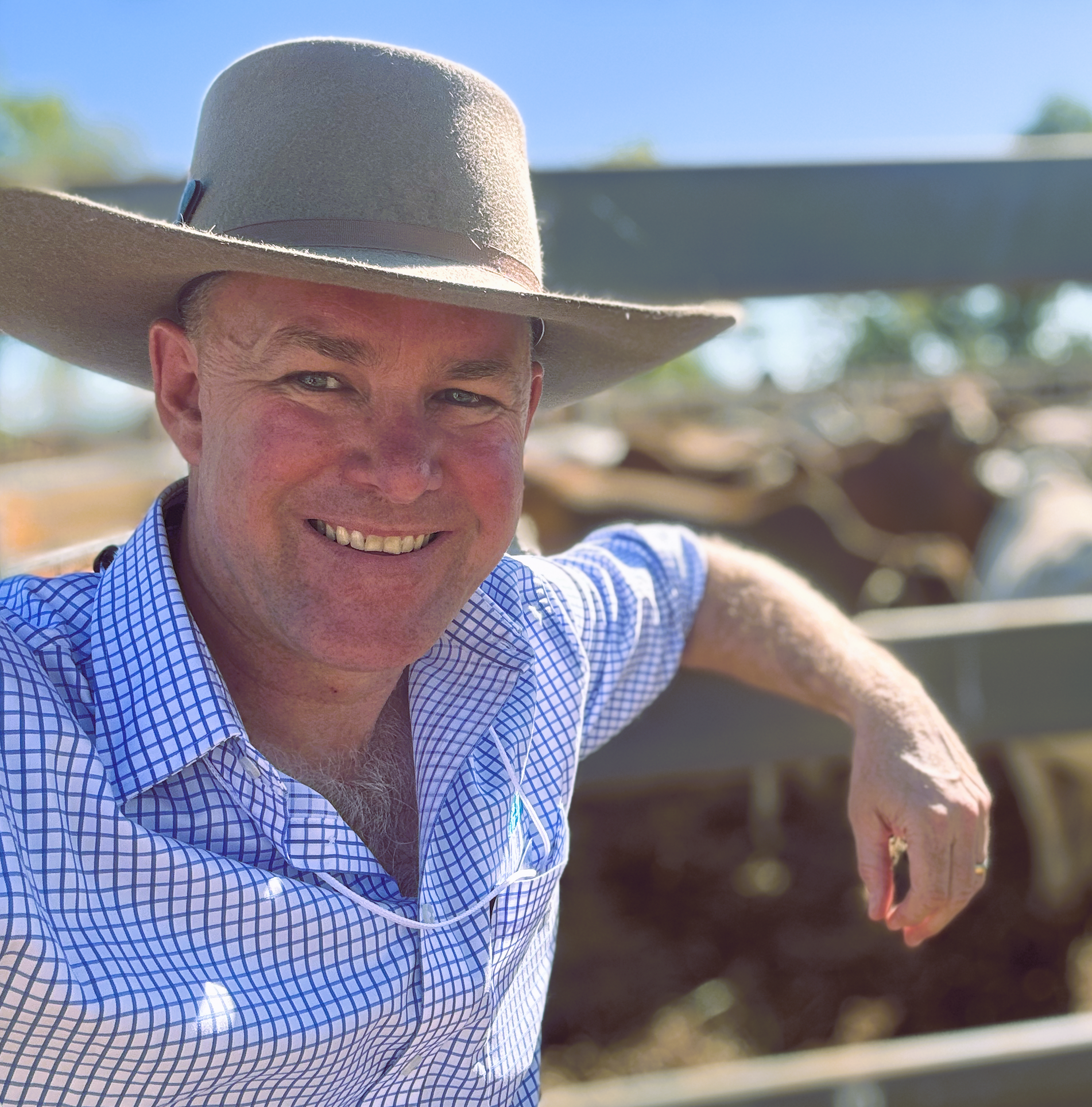
 Alastair observes that productivity and profitability are inextricably linked to lower emissions — and that smarter farm management, not silver-bullet technology, is the most immediate path forward.
Here’s the main topics covered:
Methane intensity over total output — Alistair says producers should shift focus from total methane produced to methane per kilo of beef, making efficient, fast-growing animals the real emissions win.
Management first, technology second — Better reproduction rates, conception rates, and feed quality can reduce methane emissions right now, before investing in new genetics or feed additives.
Genetic research is advancing — Leading organisations like Angus Australia, Wagyu Australia, CSIRO, and the University of New England are developing research breeding values (EBVs) for methane.
Feedlots vs grazing — Feedlot cattle on high-quality diets produce significantly less methane than extensively grazed cattle on low-digestibility pastures, due to more efficient digestion.
Productivity = profitability = lower emissions — 75–80pc of profitability variation comes down to how many kilos of beef are produced per hectrare. More efficient producers are automatically more profitable, and, lower-emission — the three goals are inseparable.
The Weekly Grill is brought to listeners by:
- Rhinogard and Bovi-Shield MH-One – the One Shot, One Spray, One Time BRD Vaccines by Zoetis.
- Ceres Tags Gen 6


Previous series and episodes:
Series 6:
Series 5:
- Aussie butchers heading to Paris for World Butchers’ Challenge
- US Tariff scenarios with Simon Quilty, plus MLA’s red meat projections with Stephen Bignell
- Steve Kay – US cattle markets, tariff impacts… and more
- All roads lead to Brisbane for Angus World Congress, with Scott Wright
- Consumer behaviour researcher, Howard Parry-Husbands
- Red Meat Advisory Council Chair, John McKillop
- Regular cattle market update, with Matt Dalgleish and Chris Howie