
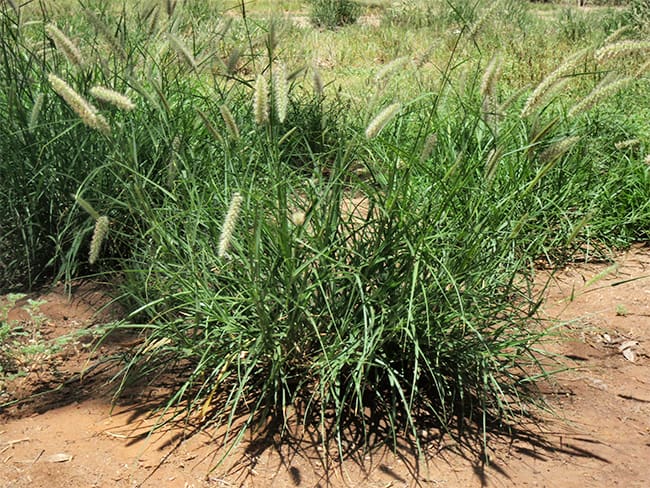
Buffel grass in the Northern Territory. Image source: NT Govt
THE Northern Territory Government has locked in its controversial buffel grass management plan for the next 10 years, with the cattle industry warning the decision leaves unresolved concerns about the long-term impact of declaring the pasture species a weed.
The NT Government says the plan allows pastoralists to continue managing buffel grass through cattle grazing, with permits required for any individual or business seeking to import buffel seed from interstate.
The plan also places responsibility on all landowners to manage buffel grass on their properties, including through herbicide application, manual removal and maintaining good weed hygiene in conservation areas.
Buffel grass was formally declared a weed in the Northern Territory under the Weeds Management Act 2001 in July 2024.
The Finocchiaro CLP Government, which came to power one month later in August 2024, has now announced the NT’s plan for managing buffel grass for the next 10 years. The plan was released as the Northern Territory cattle industry was busy holding its annual conference in Darwin.
Concerns about long-term implications
In a media statement released this afternoon, the Northern Territory Cattlemen’s Association acknowledged the NT Government’s decision on the development of the Buffel Grass Weed Management Plan 2026–36 and thanked Minister for Lands, Planning and Environment Joshua Burgoyne “for his considered and balanced approach”.
However, the NTCA said it did not support the declaration of buffel grass as a weed and remains concerned about the long-term implications of that decision for the pastoral industry.
“It is important that the plan recognises the critical role buffel plays in pastoral production and provides clarity for its continued use within grazing systems,” the NTCA said in a statement.
“As the plan is implemented, NTCA will continue to work with Government to ensure it remains practical, proportionate, and does not place unnecessary burden on pastoral operations.”
“Clear, strategic guidelines”
In announcing the plan, the Finocchiaro CLP Government said it delivered clear, strategic guidelines for managing buffel grass across the Northern Territory without disrupting pastoralists.
The plan will come into effect on 1 May.
The Government said the 2026–36 plan provides certainty for pastoralists and outlines a strategic path forward to manage environmental impacts into the future.
Minister for Lands, Planning and Environment Joshua Burgoyne said there was a broad range of views on buffel grass, and the plan sought to strike the right balance.
“Buffel grass creates significant challenges relating to fire and environmental management and is also an important feed source for pastoralists and their cattle,” Mr Burgoyne said.
“We acknowledge the work of the pastoral industry to manage buffel grass on their properties, along with the need for more to be done to manage buffel grass around our towns and conservation areas.”
The plan underwent extensive consultation, receiving more than 200 submissions during the Have Your Say period, which was extended from four to eight weeks to allow additional community input.
A Weed Advisory Committee comprising representatives from the pastoral and agricultural industry, Alice Springs Town Council, Central Land Council, private conservation land managers and relevant Territory and Commonwealth government agencies assisted in developing the plan.
It focuses on protecting priority conservation areas, including reserves and parks around Alice Springs and Tennant Creek, and includes measures to reduce further spread along transport corridors.
“This plan is not a short-term solution; it is a long-term approach to address the impacts of buffel grass on our environment,” Mr Burgoyne said.
“Buffel grass cannot be feasibly eradicated, and its management is no overnight fix. This plan provides clear guidelines on how it will be managed into the future.”
“Concerns raised through community consultation around an industry-wide permit for the importation of seed has been heard loud and clear,” he said.
Mr Burgoyne said all landowners share responsibility for managing buffel grass on their properties.
“Our government is delivering on our commitment to restore our unique Territory lifestyle. Everyone must do their bit when it comes to buffel grass management,” he said.
Policy criticism aired at conference
At the NTCA conference in Darwin, president Henry Burke said buffel policy was “untethered from evidence”. (see earlier article here).
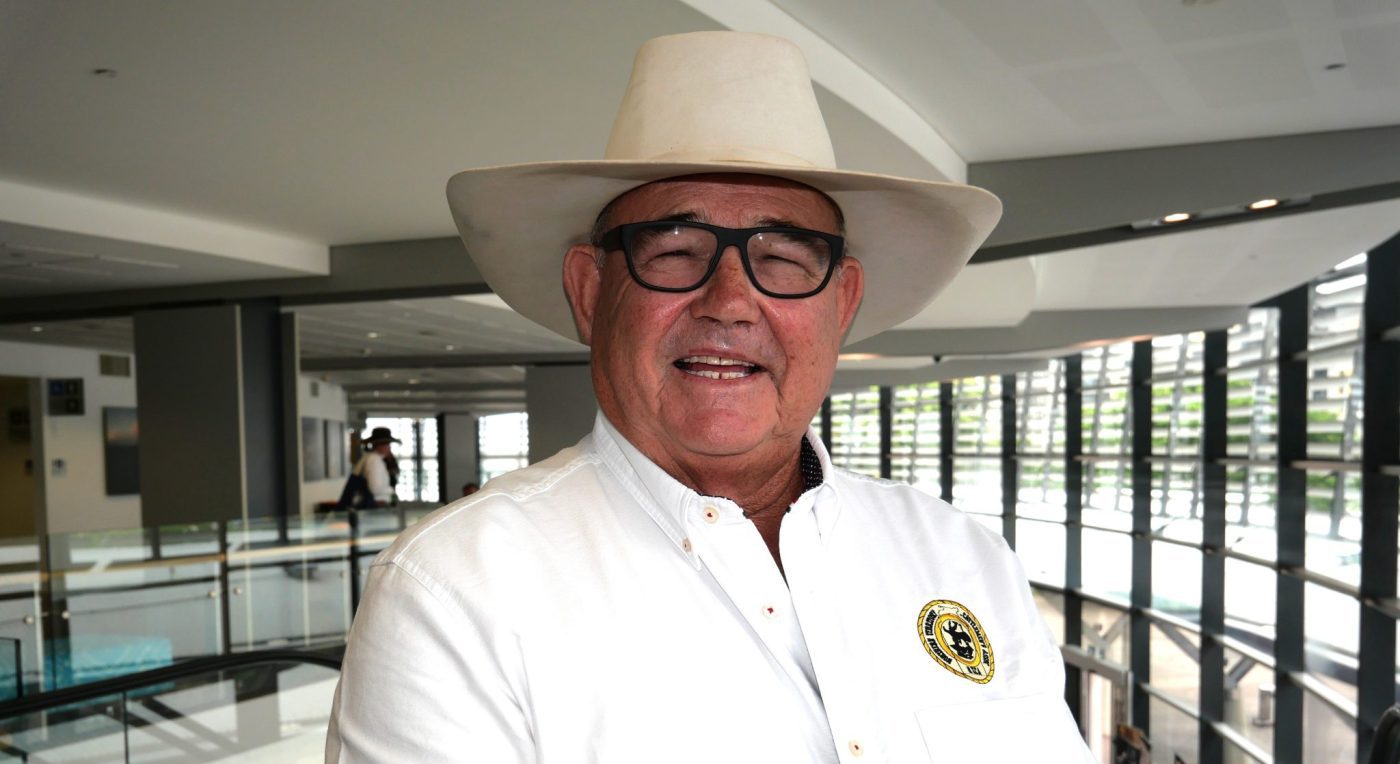
NTCA president and CPC operations manager Henry Burke at this year’s cattlemen’s conference in Darwin.
“Buffel was deliberately introduced to stabilise soils, prevent erosion and underpin viable pastoral systems across some of the most fragile country in Australia.
“It underpins productivity, biodiversity and the capacity to carry cattle responsibly.
“Yet we are now confronted with policy discussions that approach buffel as a liability to be removed – without credible alternatives, without transitional pathways and without transparent assessment of the economic and environmental consequences.
“That is not balanced regulation. It is policy untethered from evidence and devoid of consequence. Producers cannot continue to serve as the shock absorbers of policy ambition.”
See the details of the NT Buffel Grass Weed Management Plan here