
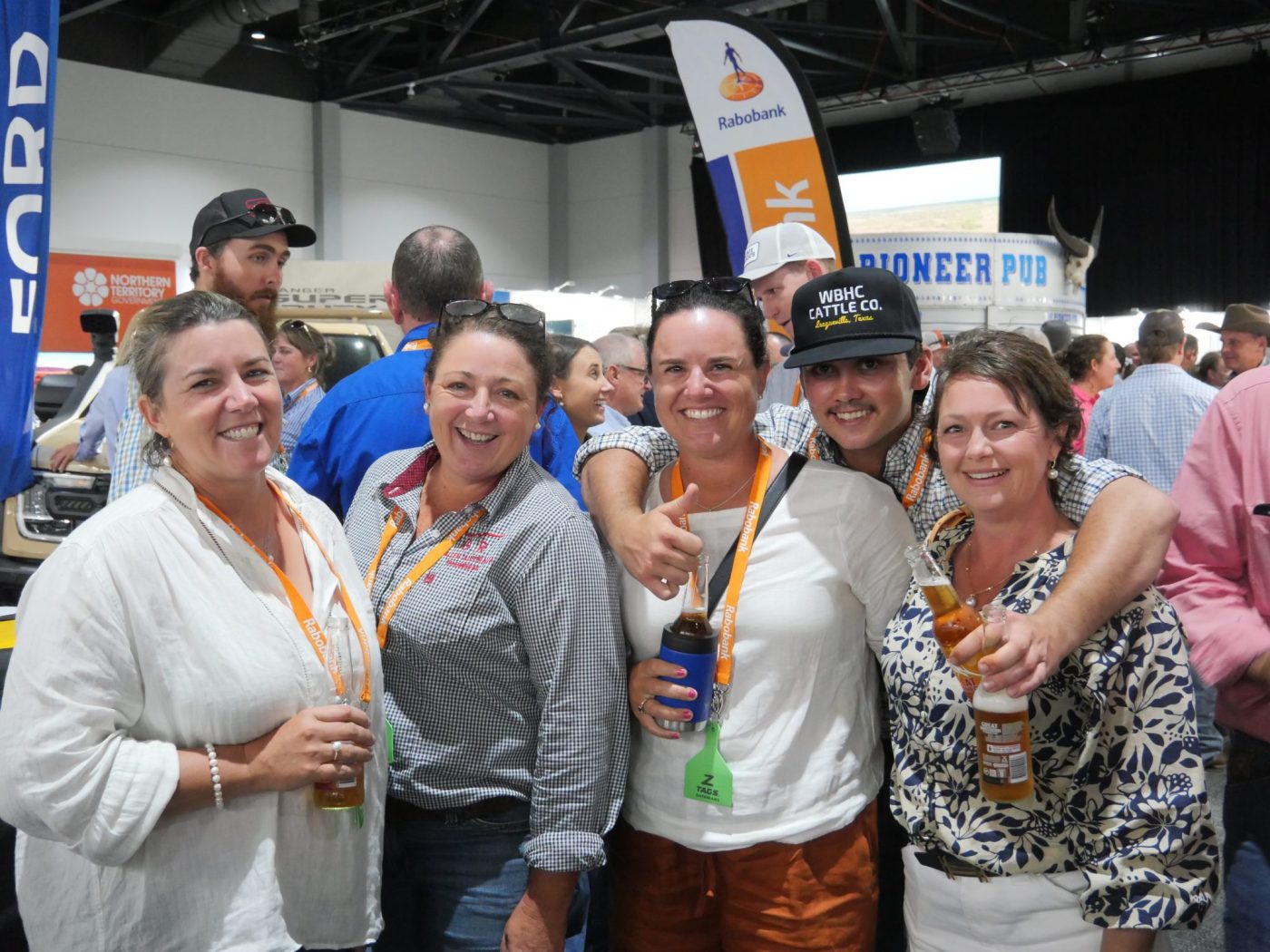
Amanda Murphy from Kalala Station, with Kerrie Scott from Rallen, Victoria Burke from KD Beef, Bec Garland from Rank Air and Jack White from DK Grazing.
WALK in the doors of the Northern Territory Cattlemen’s Association (NTCA) conference this week and you will most likely end up in a discussion about fuel, buffel grass or the torrential rain that has fallen over the past couple of months.
The conference has become a mainstay on the beef industry calendar, with crowds travelling from across Australia including National Farmers’ Federation president Hamish McIntyre, former NTCA president and now NT administrator David Connolly and the Meat & Livestock Australia board.
This year’s theme was called Better on Beef, highlighting the integral role the beef industry plays in the NT and how the industry continues to advance through generations.
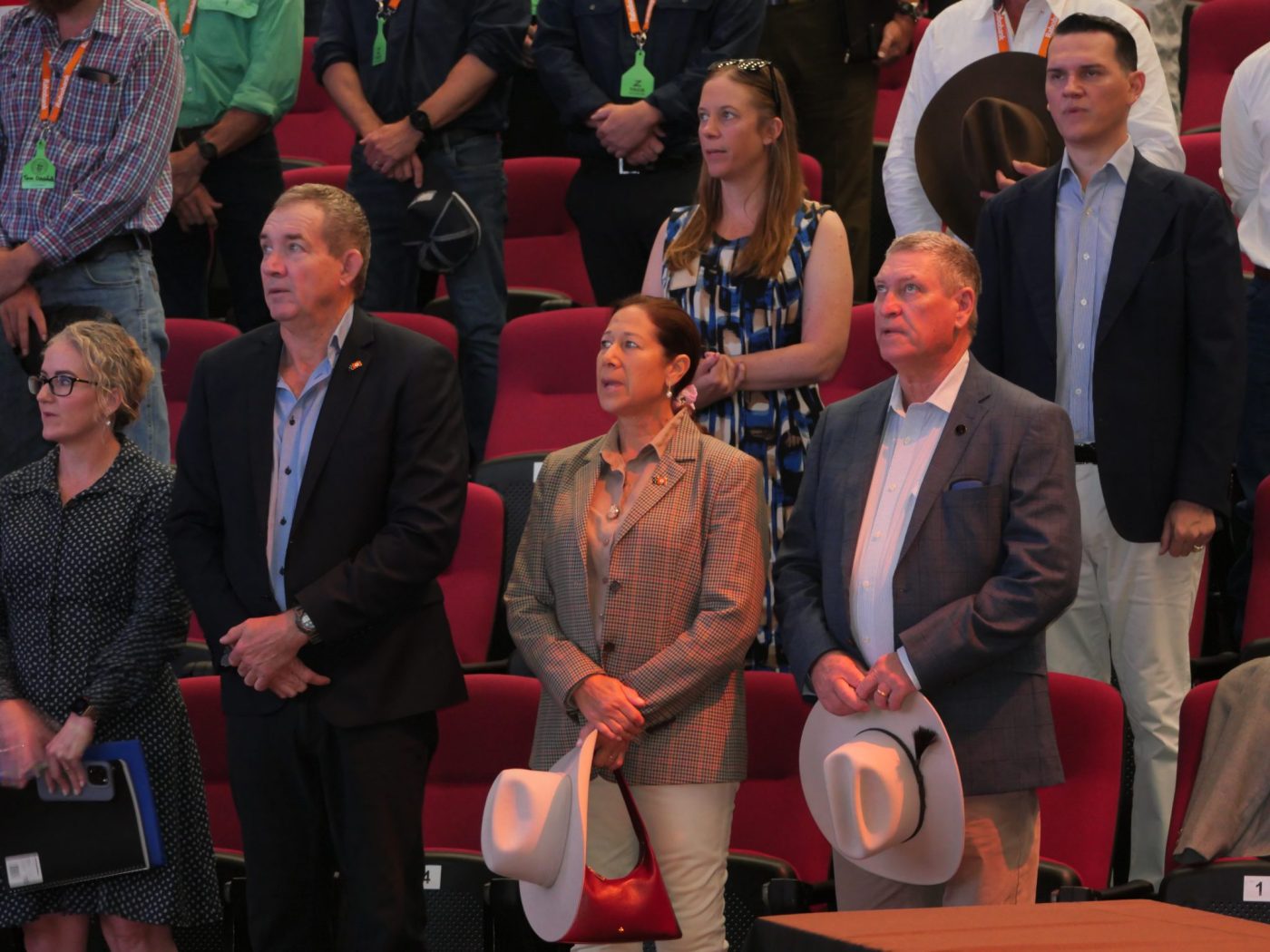
While the industry was gathered and the discussions were being held in the Darwin Convention Centre, two events that are hugely consequential for NT producers were happening elsewhere.
The NT Government was handing down its buffel grass weed management plan and the long-running settlement hearings for the class action 2011 live export ban were back in court.
Wet season drenching
But it was the relentless wet season that has drenched the Territory from the top end to the red centre that was leading the opening address by NTCA president Henry Burke.
“This year has been a proper Territory wet. It has set the country up well, but it has also come at a cost,” Mr Burke told the crowd.
“Across the NTCA membership, homes, infrastructure and access have been impacted and for some families, it has been a very difficult period.
“We recognise that. We understand the scale of it, and we are continuing to ensure it is reflected in recovery efforts.”
Mr Burke said the recent wet is a testament to the resilience of NT cattle producers, who have always been willing to capture opportunities, innovate and keep up with the world’s evolving demands.
“What I have observed – and increasingly so in recent years – is a shift in mindset. A deeper engagement from our members.
“A sharper expectation of what this Association should deliver. A stronger willingness to participate, to lead and to shape outcomes rather than simply respond to them.”
Government needs to keep up
Mr Burke said while producers are moving forward, the Government needed to do the same.
“If the Federal Government is serious about productivity and climate outcomes, then it must come on the journey with us, not simply instruct us from a distance,” he said.
“The Department of Agriculture can not be asked to deliver transformation on a budget that fails to keep pace with inflation. Research, extension and biosecurity capacity are not optional extras; they are the engines of progress.
“Industry is stepping forward. Government must do the same.”
He highlighted two examples of where the Government should be assisting industry.
Live export class action
Almost six years after a judge found the Federal Government’s 2011 live export ban to be illegal, claimants in a class actions have still not been paid – with the case again in court this week.
“As we gather this week to recognise the strength and contribution of our industry, we do so with a significant development in a matter that has lingered since 2011, more than fifteen years,” Mr Burke said.
“Fifteen years is not a policy cycle. It is not a budget period. It is a generation in business terms.
“Over that time, producers across northern Australia have carried the consequences of a decision that fundamentally disrupted markets and livelihoods. They have absorbed the uncertainty. They have continued to invest, continued to employ, continued to contribute, without closure.
“I stand with our former Presidents in saying this plainly: this must now be resolved.”
Buffel grass policy devoid of consequences
In calling for policy that is science-based and fit for purpose, Mr Burke said producers should look at the recent debate about buffel grass.
“Buffel was deliberately introduced to stabilise soils, prevent erosion and underpin viable pastoral systems across some of the most fragile country in Australia.
“It underpins productivity, biodiversity and the capacity to carry cattle responsibly.
“Yet we are now confronted with policy discussions that approach buffel as a liability to be removed – without credible alternatives, without transitional pathways and without transparent assessment of the economic and environmental consequences.
“That is not balanced regulation. It is policy untethered from evidence and devoid of consequence. Producers cannot continue to serve as the shock absorbers of policy ambition.”
Recognising the importance of the NT cattle industry
While some of the big news was playing in the discussions at the convention centre, Mr Burke said it was important to recognise the importance of the NT cattle industry.
“Our stations provide jobs where no other jobs exist. We bring training, education and skills to the bush,” he said.
“We sustain small towns that would not survive without a strong pastoral economy.
“We work alongside Indigenous station owners, Indigenous employees and communities, where relationships are built through action and mutual respect, not politics or rhetoric.
“And our trading partners depend on us.”
- Beef Central will have more from the NTCA conference, including today’s episode of The Week in Beef.
Faces at the NTCA conference
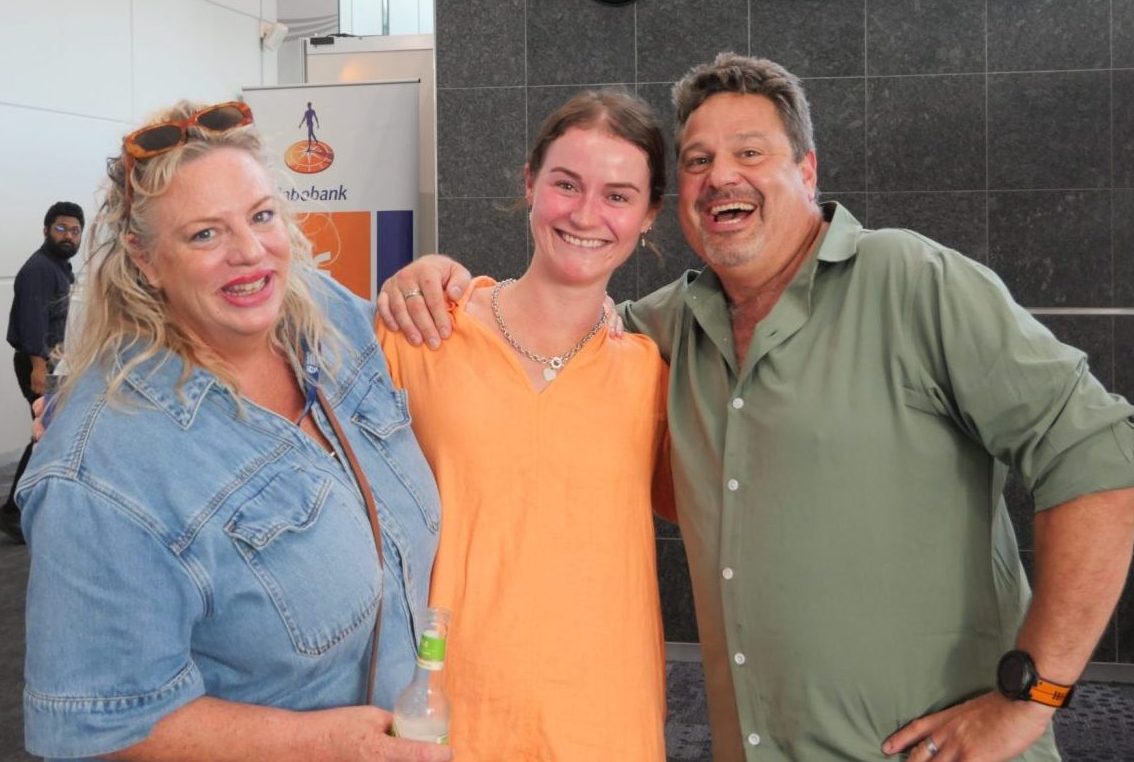
Live export stock handler and Apple Tree Flat clothing owner Fiona Baird, with Georgia Beecraft from Apple Tree Flat and Jonno Langan from Milne Feeds.
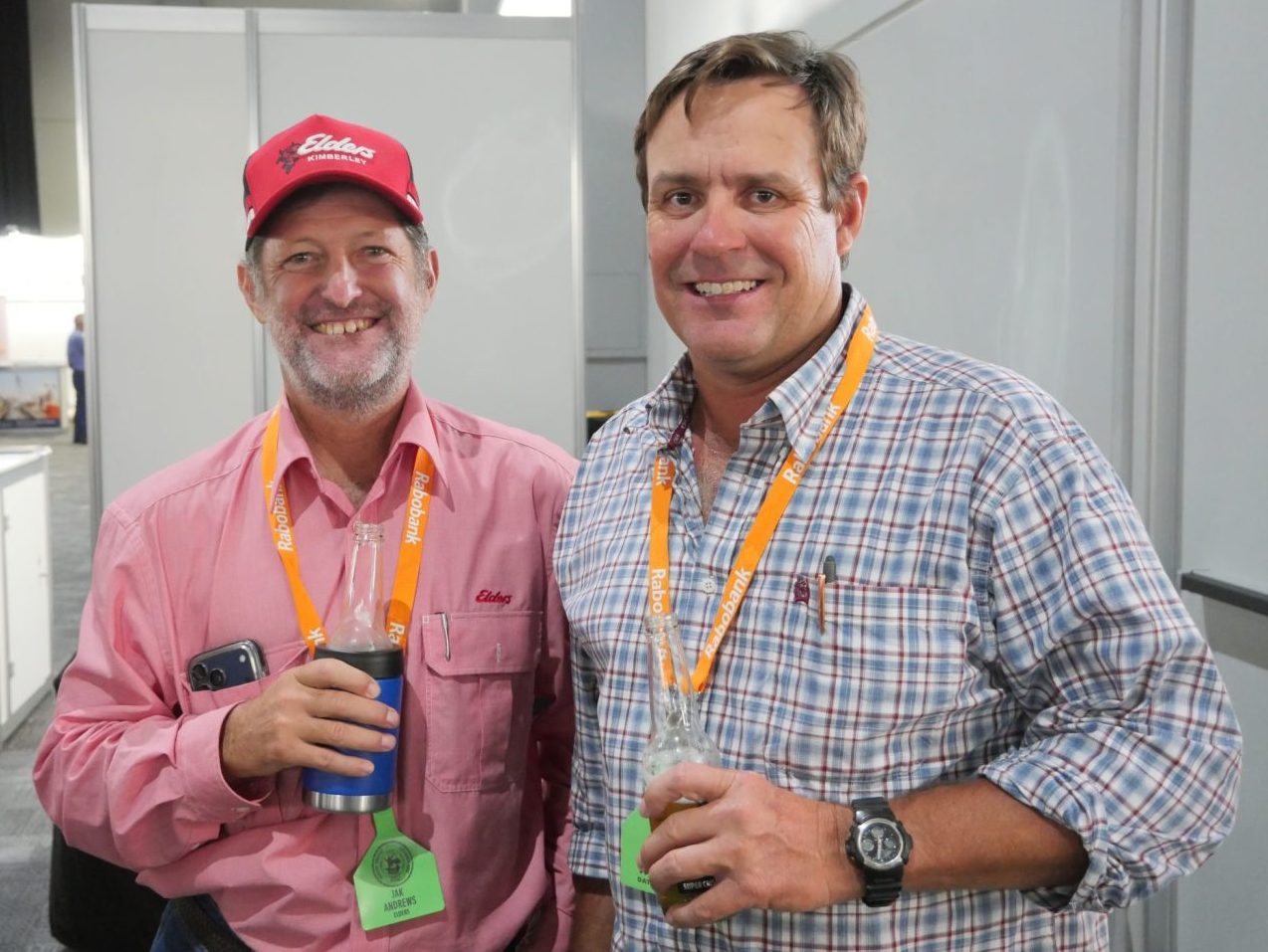
Jak Andrews from Elders with Sam McBean from Northern Livestock & Agriculture.
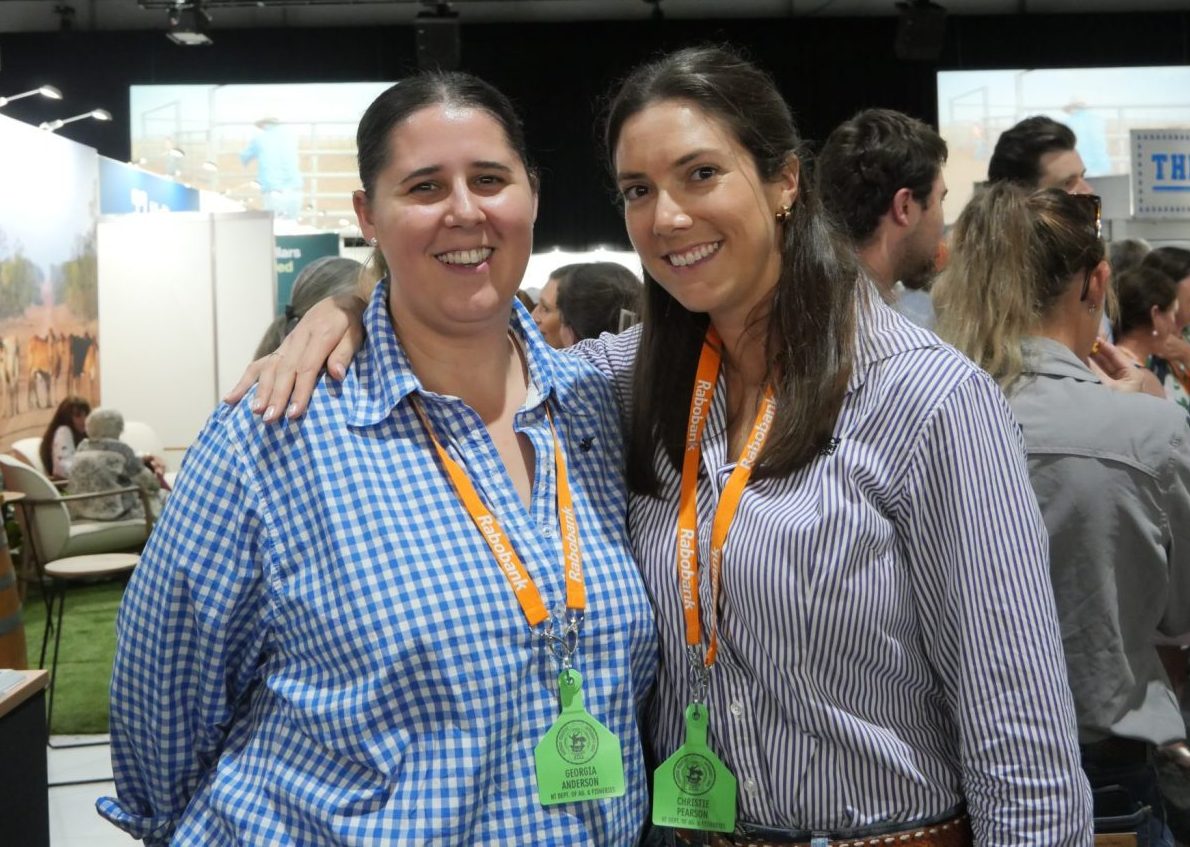
Georgia Anderson and Christie Pearson from the NT Department of Agriculture.
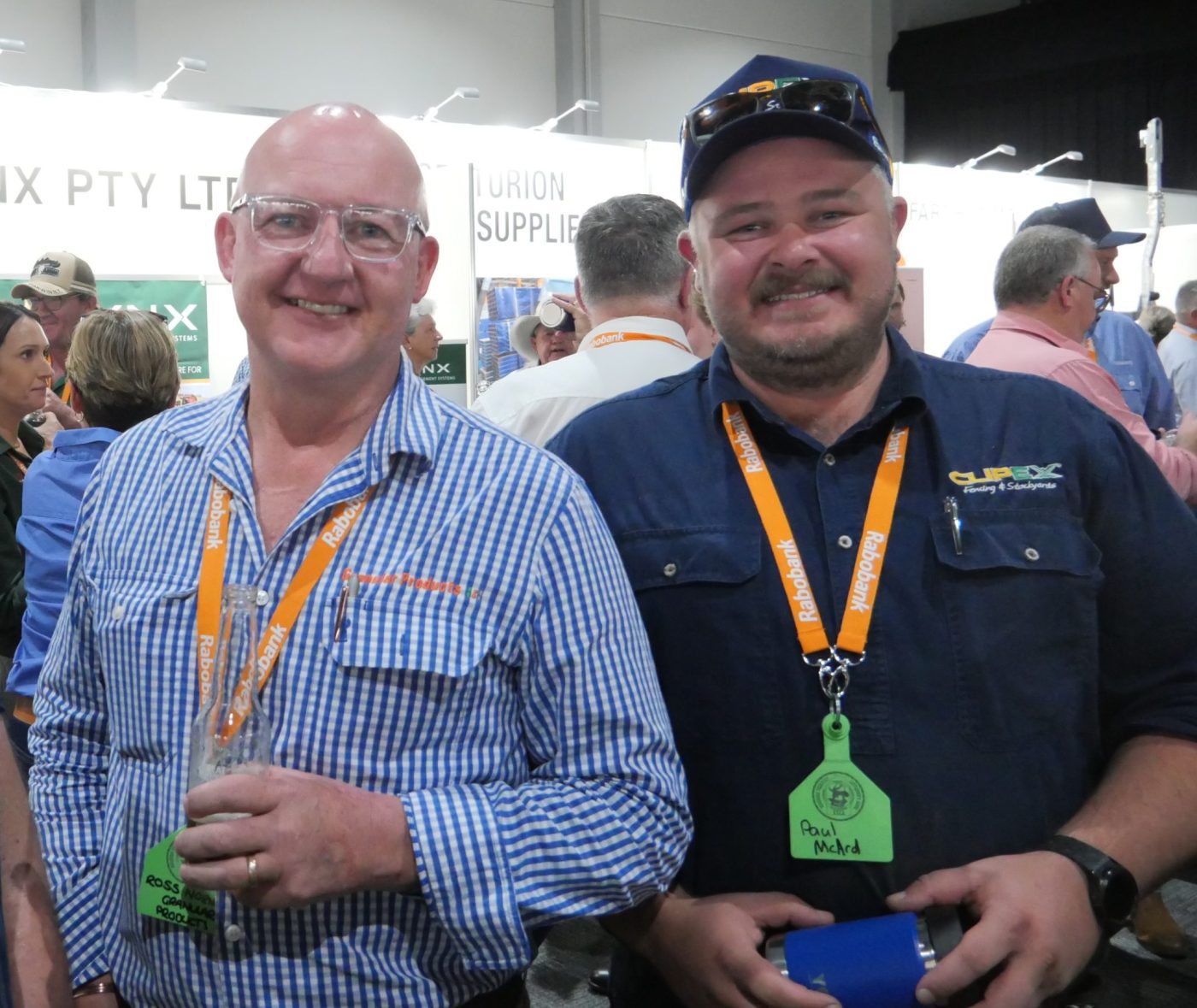
Ross Norman from Granular Products with Paul McArd from ClipEx.
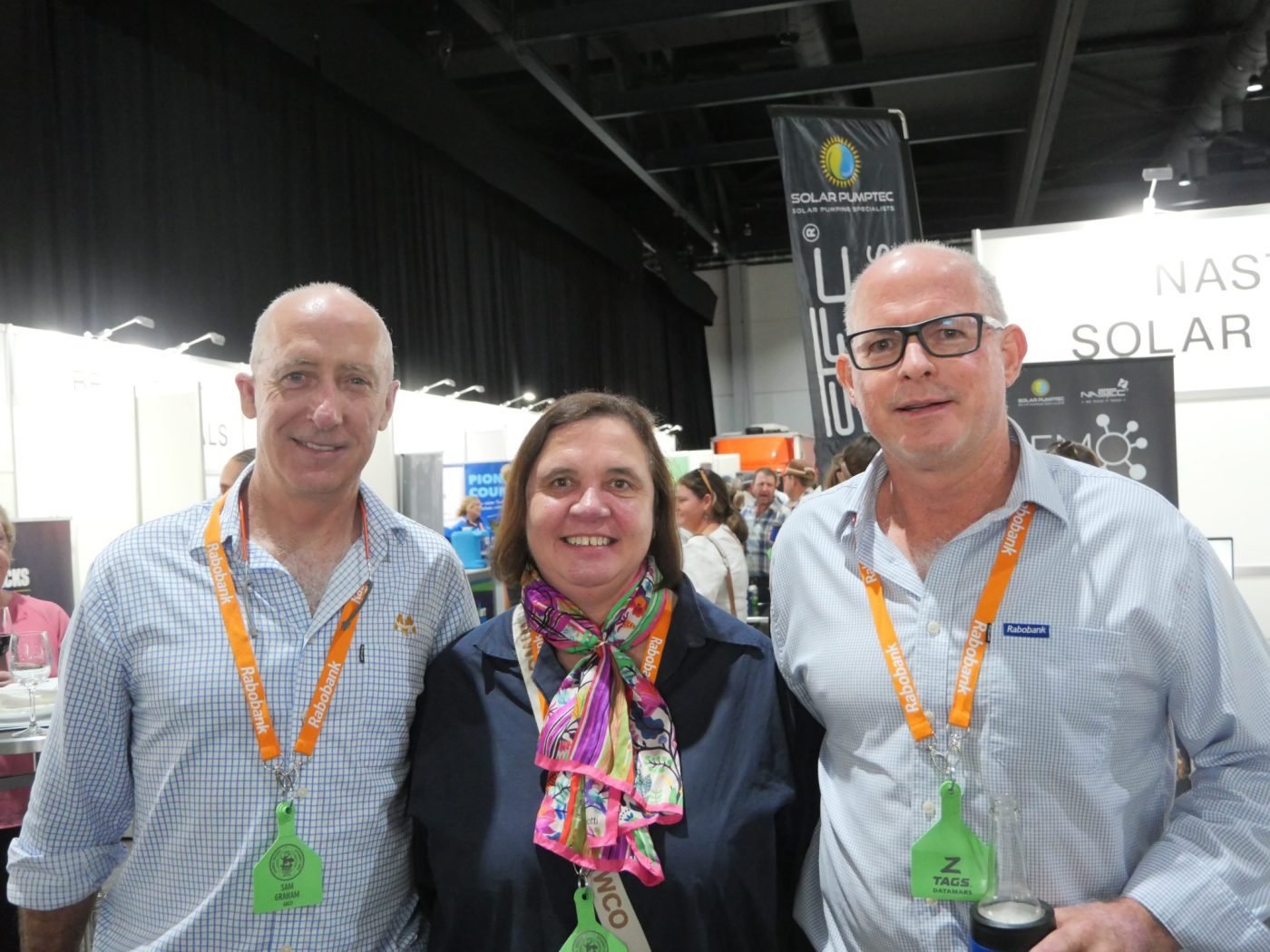
Sam Graham from AA Co with Cath Graham from CPC and Peter Honnef from Rabobank.
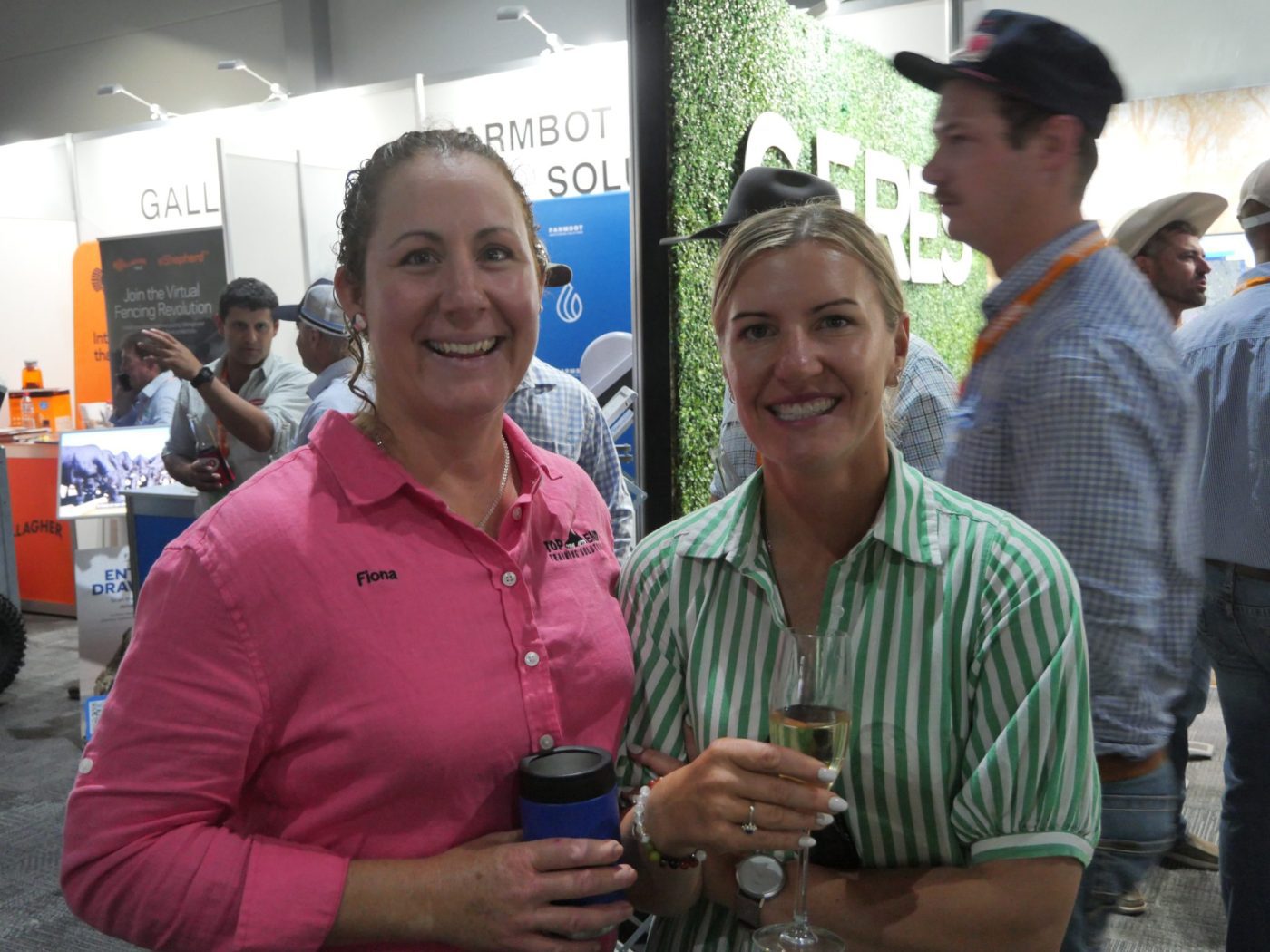
Fiona Plunkett from Katherine with Amanda Brown from A&W Stock Services.
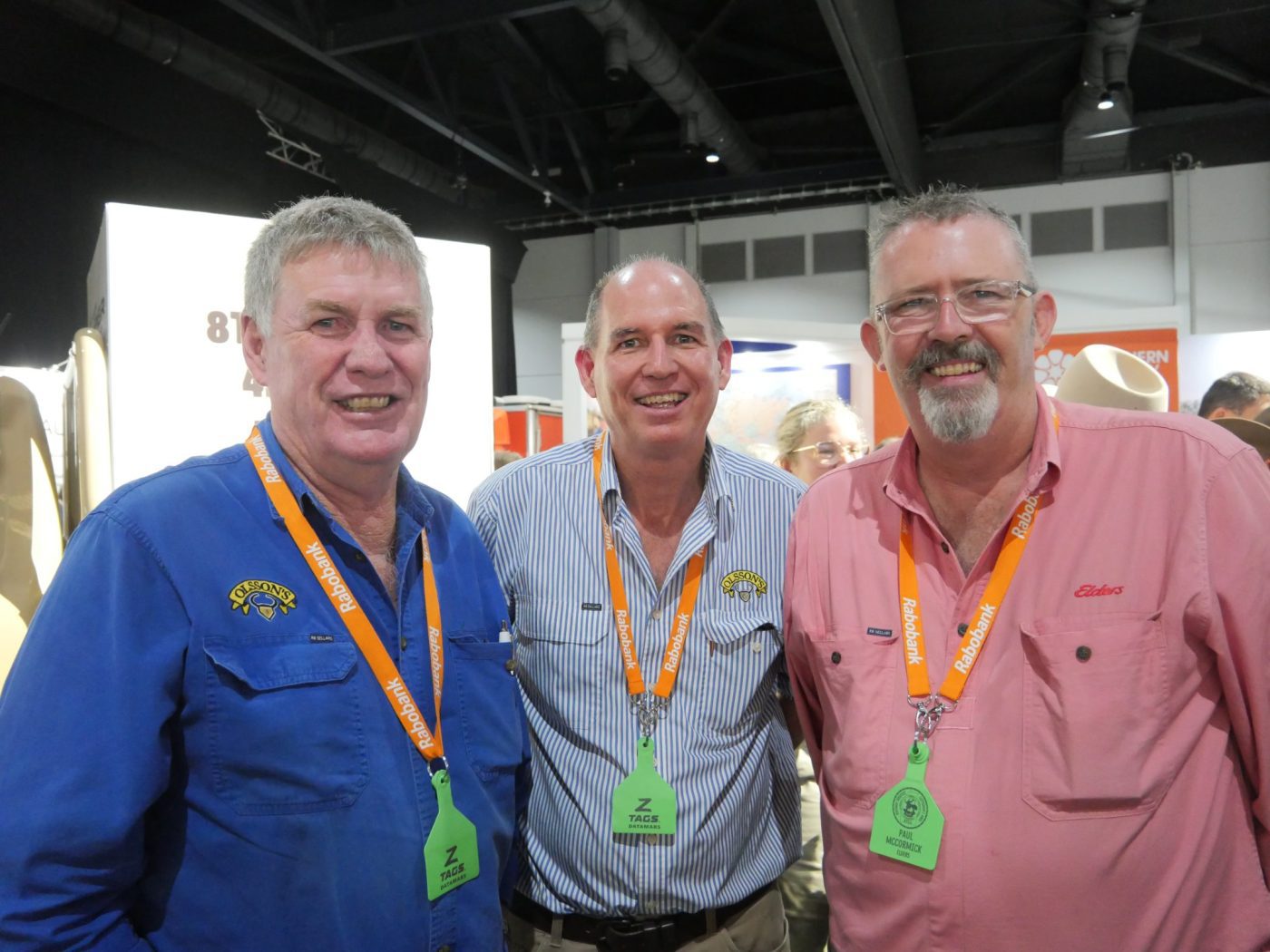
Col Young and Murray Olsson from Olsson’s livestock supplements and Paul McCormack from Elders.