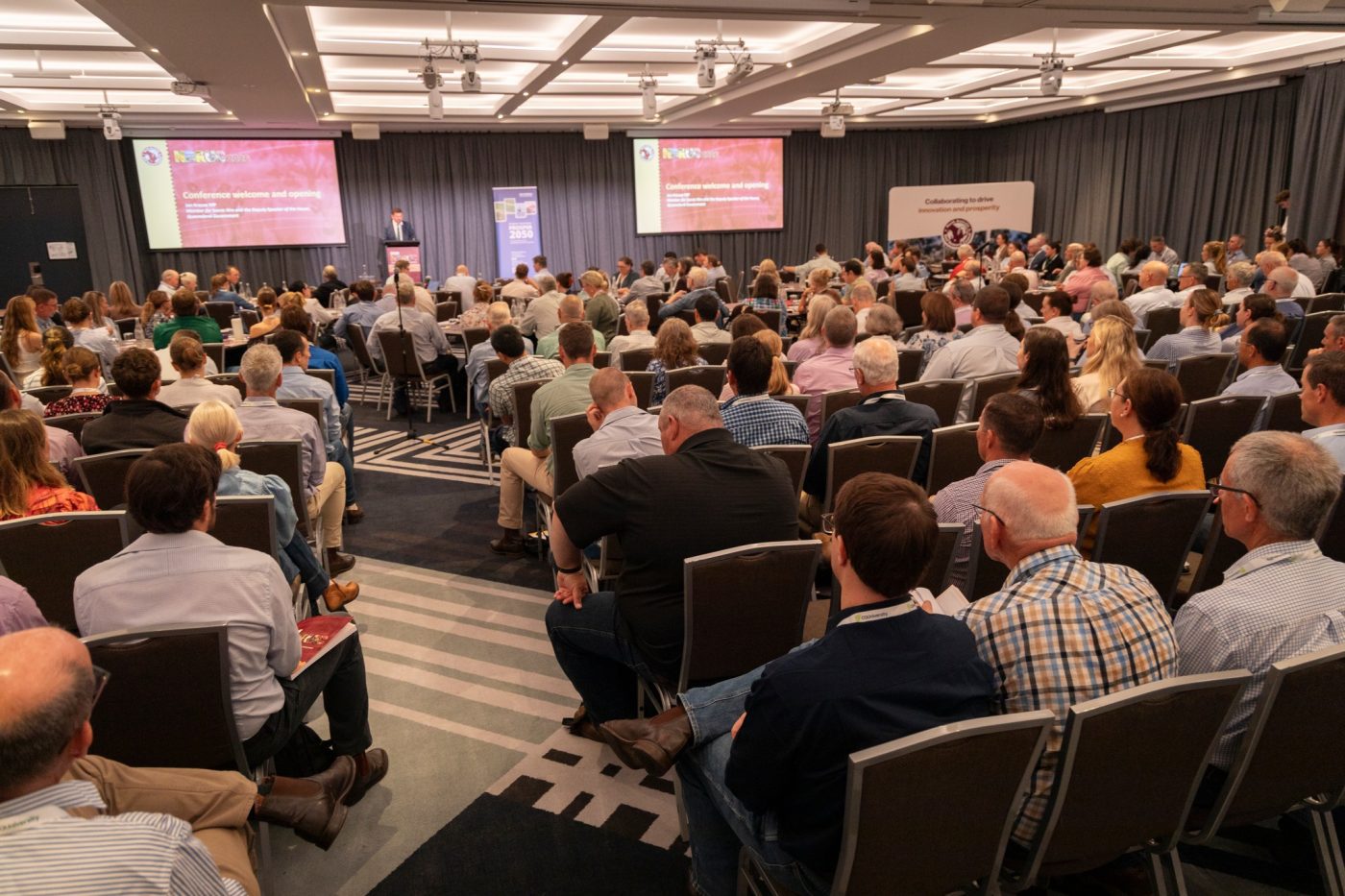
AT the recent NBRUC beef research conference in Brisbane, Beef Central asked producers, scientists and industry leaders for examples of how AI is now being used in the cattle industry.
Before he gave his answer, Cattle Australia director David Foote hit us right back with a question of his own.
“Glove on, or glove off?”
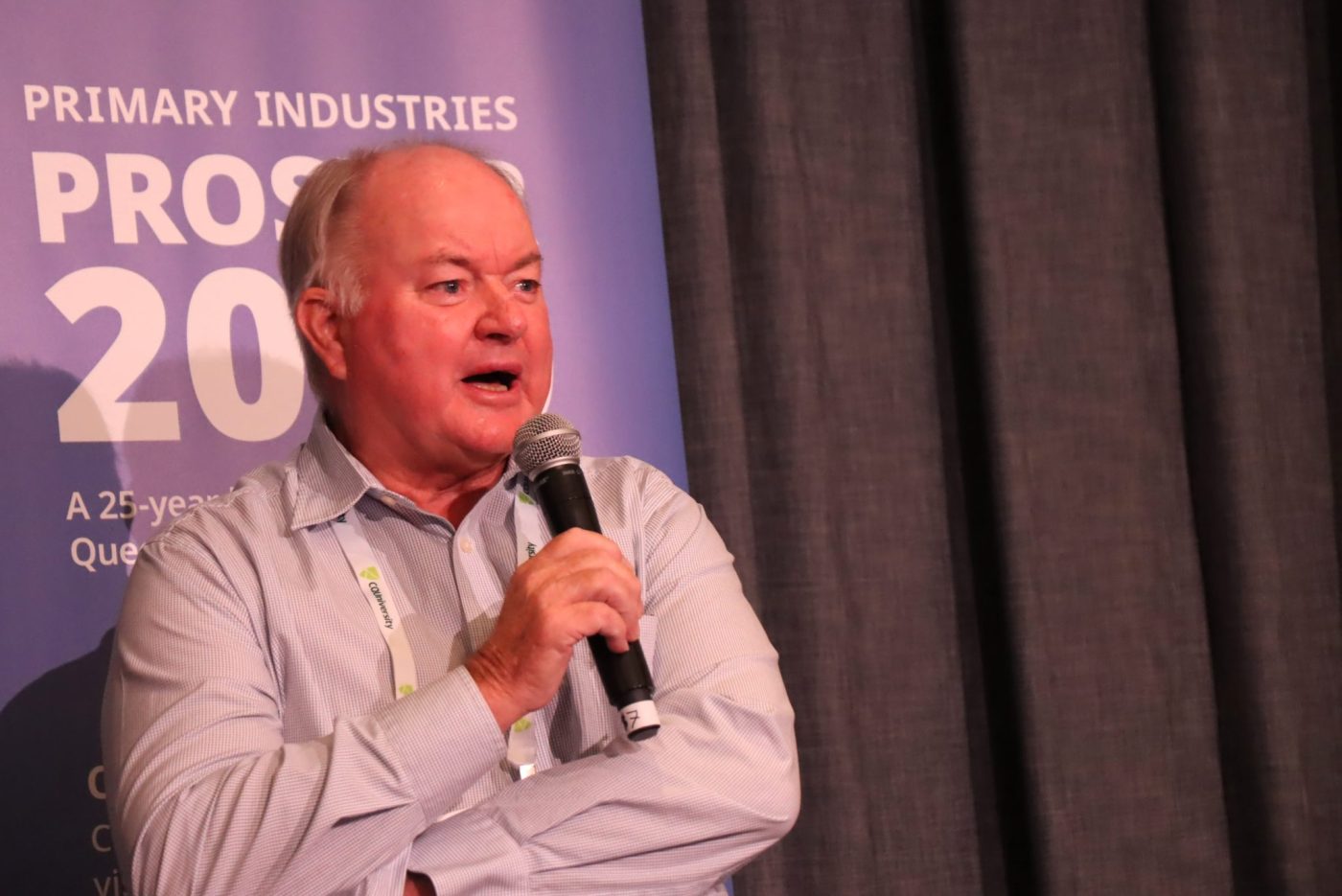
David Foote at NBRUC 2026
Given the multiple meanings “AI” can now have, it’s a handy shortcut he has devised to cut through the confusion of which one is being discussed at any given point in time – AI as in artificial insemination (ie “glove on”), or AI as in artificial intelligence (“glove off”)?
Once it was established we were talking ‘glove off’ he happily answered the question, pointing straight to one of most visible, albeit technically invisible, examples of AI already finding a practical place in Australian cattle paddocks – virtual fencing.
Wireless fences
Using GPS-enabled collars, virtual fencing allows farmers to precisely control where cattle graze in a paddock without physical fences, and to move cattle from one area to another without actual mustering.
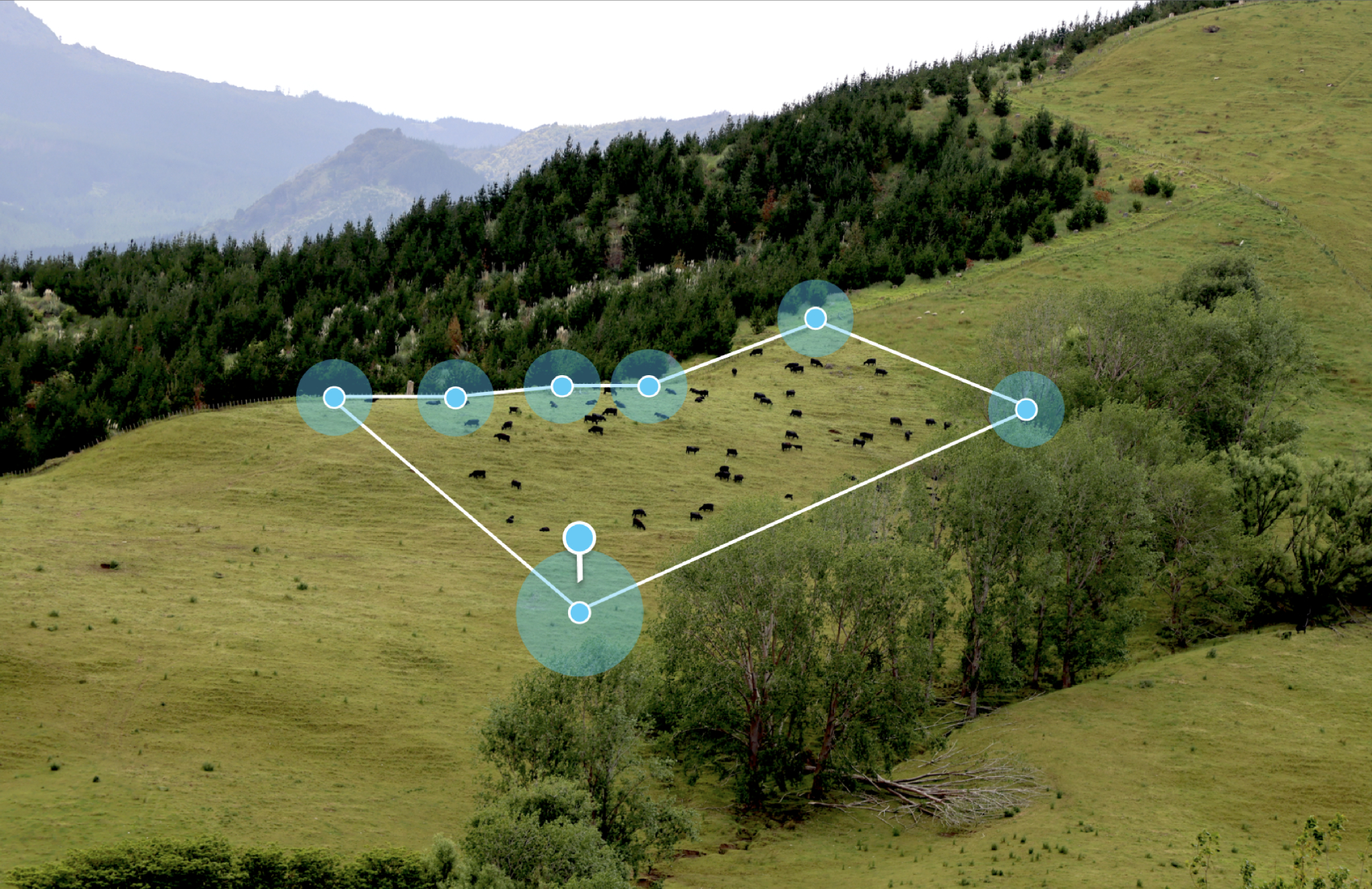
A conceptual image of virtual fencing. Source: Halter.
New Zealand based company Halter, which last month cracked a valuation of $2 billion, revealed that more than 2000 farmers are now using its virtual fencing system in Australia, NZ and America, with more than a million collars already sold for beef and dairy cows. Virtual fencing systems also making ground in Australia include eShepherd and Vence.
Some of the more practical applications David Foote alluded to included the ability the technology provides to control grazing via soil type, such as red soil and black soil, allowing cattle to be moved onto faster responding lighter country after rain while enabling pasture on heavier grass growing country to fully regenerate and maximise growth before being grazed.
Dr Beth Penrose from the Research Institute for Northern Agriculture (RINA) at Charles Darwin University said the technology could also be used to prevent cattle from accessing sensitive areas such as scalded country to support land recovery, and conversely to concentrate grazing pressure on a specific area as a management tool, such as gamba grass to control its growth and reduce fire hazards.
A PhD project underway at RINA, is also testing some practical aspects and welfare implications of virtual fencing in cow-calf systems, trialling what happens to uncollared calves when their collared mothers are trained to a not go beyond an invisible boundary.
Producers using AI to ease information overload
Some cattle producers told Beef Central they are using for artificial intelligence in their day-to-day operations, particularly as a remedy for relieving “information overload”.
NT cattle producer Jay Mohr-Bell said he finds AI tools useful to generate briefings of lengthy technical reports and papers, which it can then also convert into audio summaries that he can listen to on the go.
NABRC chair Paul Burke said some of the practical applications he was aware of included producers using AI to generate insights into their trading performance, or comparing different versions of contracts to identify any discrepancies.
He added that the benefits of AI depend heavily on knowing how to ask “the right questions”, adding while AI holds clear promise, building confidence and skill in using it will be the key to unlocking its full value on-farm.
“Cattle cams” harness AI to remotely monitor cattle for pests, disease and body condition
In extensive grazing systems, cattle may only be handled once or twice a year, making early detection of health issues challenging.
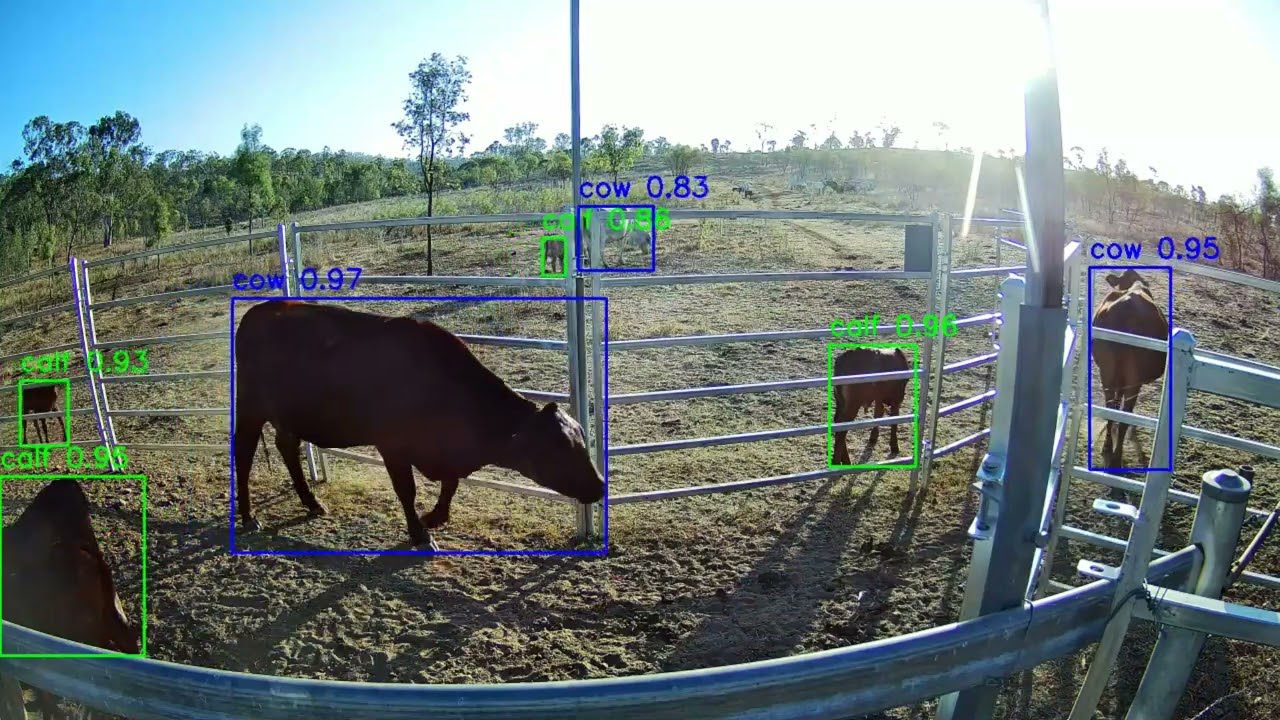
Image source: Qld DPI
A Queensland Department of Primary Industries (DPI) collaboration with technology companies Infarm and ThinkDigital is addressing the challenge through the creation of remote surveillance systems that monitor cattle at watering points.
Using movement-detection cameras and a mobile app, the system provides producers with an “extra set of eyes” in the paddock.
The AI-trained software suporting the technology has been trained to help identify cattle showing signs of endemic issues such as ticks and buffalo fly, and also early warning of emergency animal diseases such as lumpy skin disease and foot-and-mouth disease.
Qld DPI principal agtech scientist Paul Stewart said data collected by the platform remains under the control of the producer, with the option to share information with veterinarians if required.
Researchers are also exploring whether the technology can accurately identify individual animals without NLIS tags, as well as track body condition and weight gain over time.
Sensors detecting disease before it’s visible
Wearable sensors are another area where AI is adding new capability.
Dr Derek Bailey, director of research at Deep Well Ranch in Arizona and emeritus professor at New Mexico State University, said sensors can already provide real-time data on animal location, activity and body temperature.
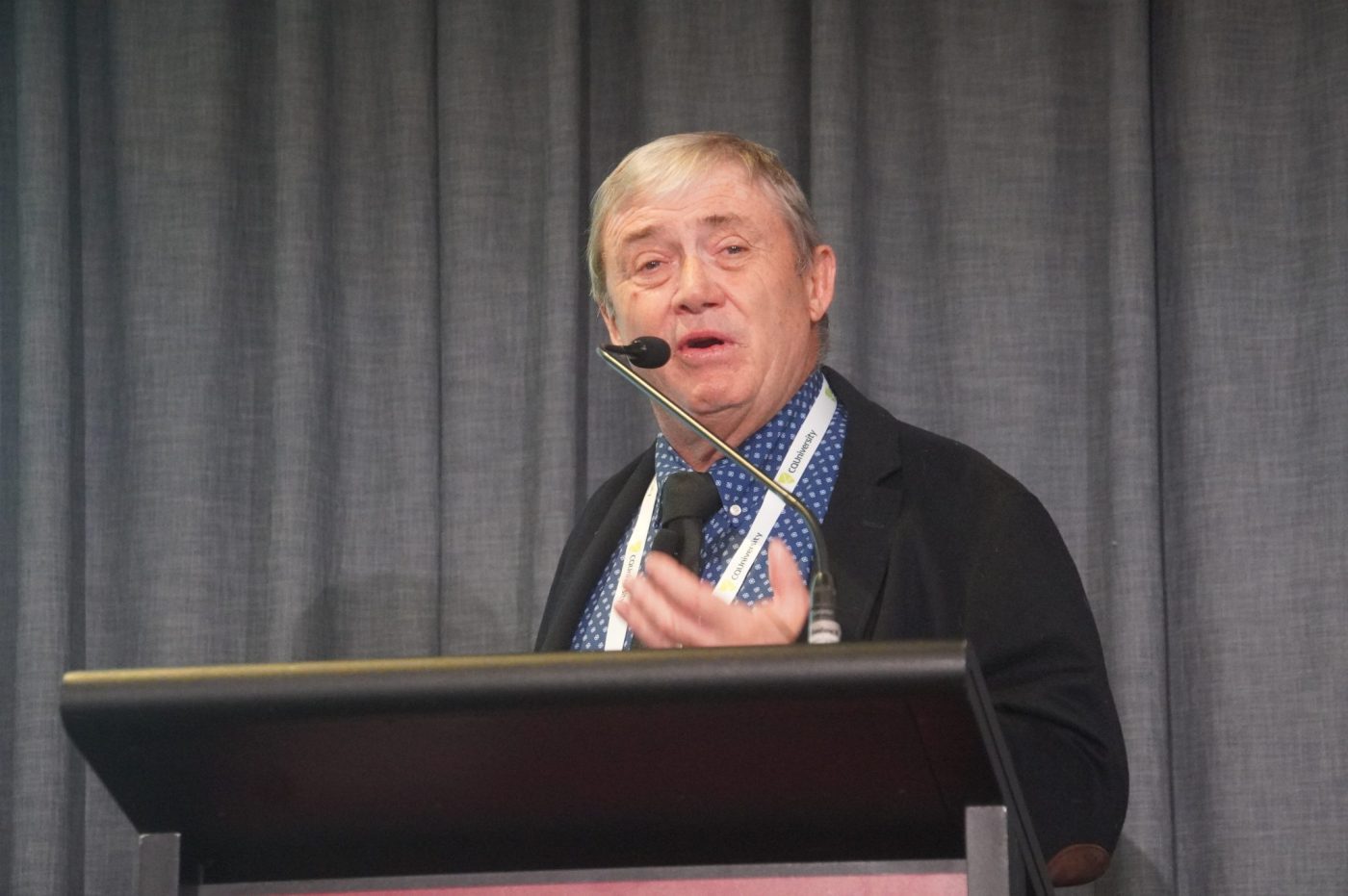 AI is now enhancing the value of that data by identifying patterns and predicting behaviours such as rumination, oestrus, illness, water intake and calving.
In collaboration with Central Queensland University, Dr Bailey’s team used pattern mining to detect a health issue in cattle fitted with accelerometers several hours before it was identified by a stockperson.
Real-time animal tracking data could also be valuable in picking up problems like a failed watering point, for example.
“Animals after they drink normally move on. If they can’t access the water they stay nearby. So if you see data showing animals lingering around a watering point because there’s nothing to drink, you’re in trouble – and you need to get out there with some tools,” he said. (See more on Dr Bailey’s presentation here)
BeefVantage streamlining access to research
Researchers at NBRUC also highlighted how artificial intelligence is being harnessed via the “BeefVantage project”, to address a longstanding challenge – the sheer volume of research, data and advisory material available, and the time and effort required for producers and advisors to find and apply which of that huge bank of information is relevant to their specific operation.
 By using artificial intelligence, BeefVantage, developed by James Cook University and partners including the TNQ Drought Hub, is aiming to streamline how knowledge is accessed, interpreted and applied in day-to-day beef production decisions.
At its core, BeefVantage uses advanced AI models to draw on verified, industry-specific information. Producers, advisors and extension staff reported faster access to relevant information, better preparation for on-farm discussions and more consistent, evidence-based advice.
Rather than replacing human expertise, the researchers say BeefVantage is positioned as a form of “collaborative intelligence” – supporting users to make better-informed decisions by reducing the time spent searching for answers and increasing confidence in the information being used.
AI and VR powered ‘Campfire Chat’ strengthening indigenous cattle producer learning
Another project discussed at NBRUC highlighted how artificial intelligence (AI), combined with virtual reality (VR), is being used to support Indigenous peer-to-peer learning in the northern Australian cattle industry through the “Campfire Chat” initiative.
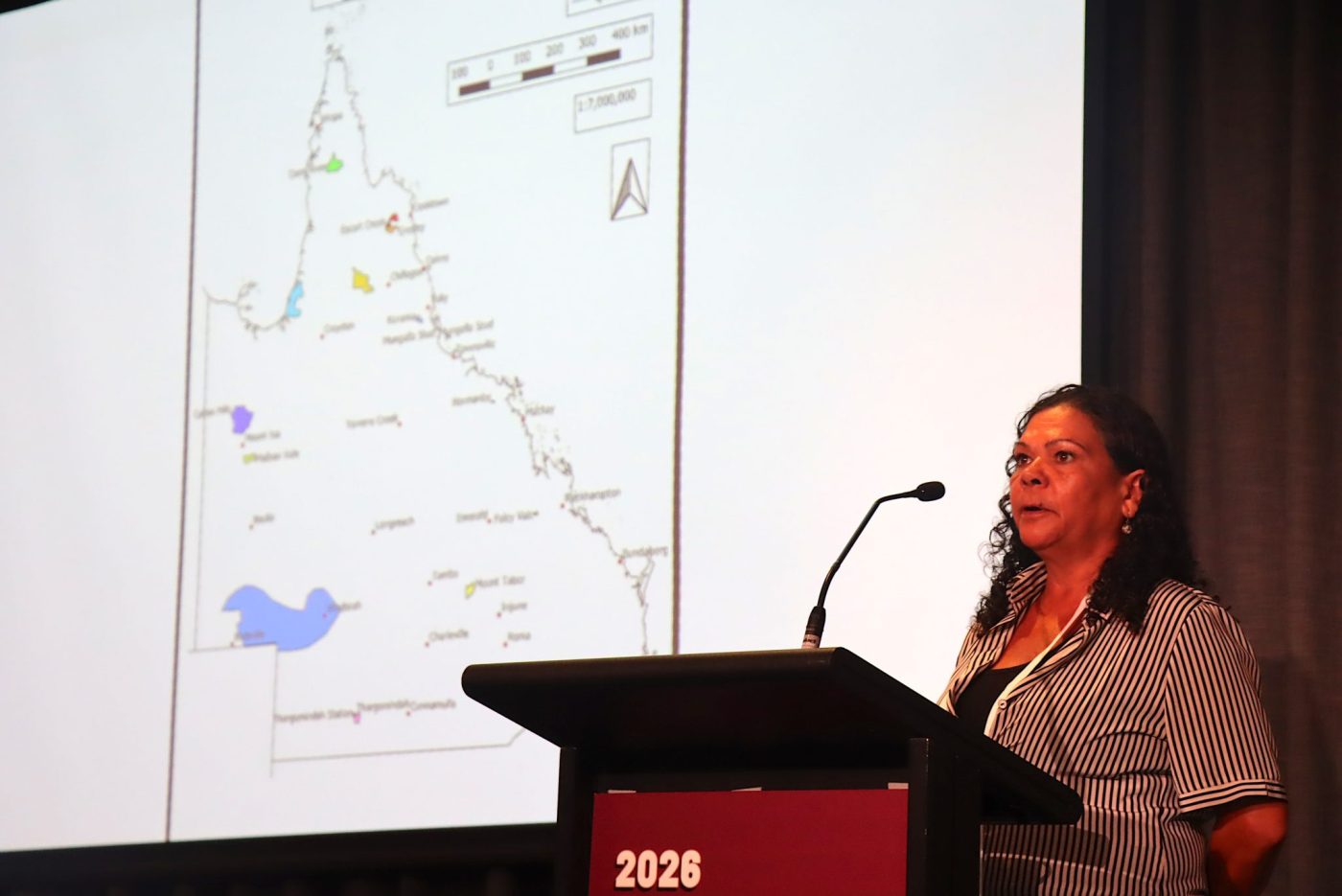
Cass Stevens from Thargomindah presenting on the Campfire Chat initiative at NBRUC 2026.
Rather than relying on traditional written extension methods, the approach centres on practices like oral storytelling, shared experience and group discussion.
Project facilitator Ian Perkins explained that AI is being used to capture and organise such conversations into a living knowledge base, turning spoken insights into accessible, reusable information.
This allows Indigenous producers to share practical knowledge and revisit it later, without losing the authenticity of their communication style. VR also enables immersive, interactive learning – particularly valuable for remote participants – through tools like biosecurity and disease identification simulations.
The result he said was stronger knowledge sharing, improved skills, and greater participation of Indigenous producers in the broader cattle industry.
Machine learning pinpointing key profit drivers for northern cattle businesses
Research presented at NBRUC also demonstrated how machine learning is being used to give northern cattle producers a clearer, data-driven understanding of what drives profitability.
By analysing long-term performance data from 42 enterprises, Kieren McCosker from UQ and Bush Agribusiness used a machine learning technique (LASSO regression) to sift through a wide range of variables and pinpoint the factors most strongly linked to income.
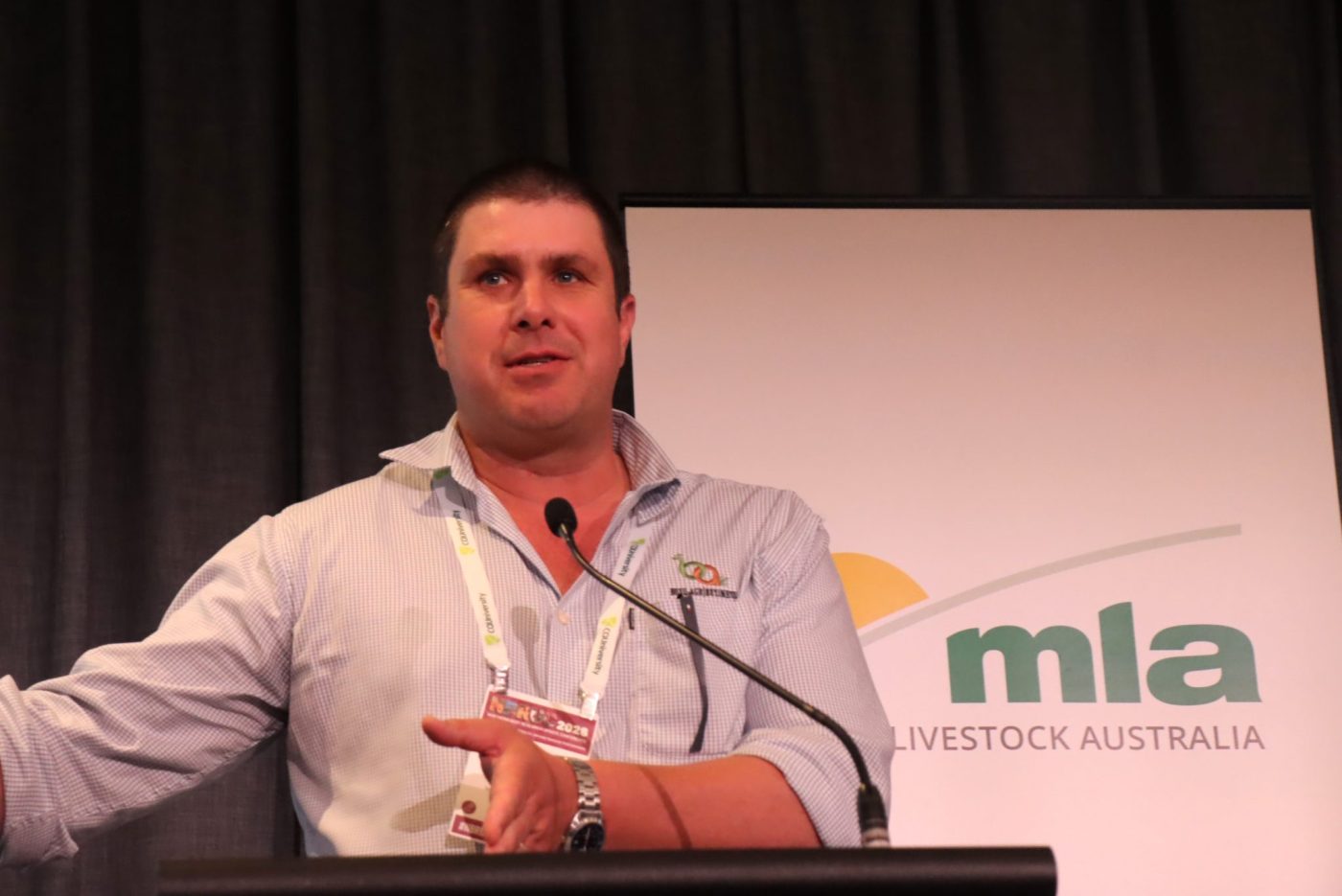
Ian McLean, managing director of Bush Agribusiness, speaking at NBRUC 2026.
The analysis found that productivity (kg/AE) is the single most important driver of profitability. Male sale price (p < 0.001), female sale price (p < 0.001), and proportion of male sales (p < 0.001) were highly significant drivers.
Reproductive performance, male sale weight, and the change in male sales proportion also positively influenced income, while female purchases and male purchase weights showed negative associations with herd income.
Overall the results demonstrated that productivity (kg/AE) is the paramount driver of income in northern beef breeding businesses, emphasising the importance of efficiently converting feed resources into saleable product.
Reproduction was highlighted as a fundamental determinant through its effect directly, and indirectly via male sale volumes.
Price realisation for both males and females emerged as critical factors, highlighting the significance of marketing decisions and market timing.
The negative association between female purchases and income highlighted the financial cost of herd rebuilding, reinforcing the importance of maintaining land condition and feed resources to avoid destocking breeding females during adverse conditions.
- What other ways is artificial intelligence being used in the Australian cattle industry? And is it delivering an actual return on investment? If you have any examples or views, share your thoughts in the comment box below.