
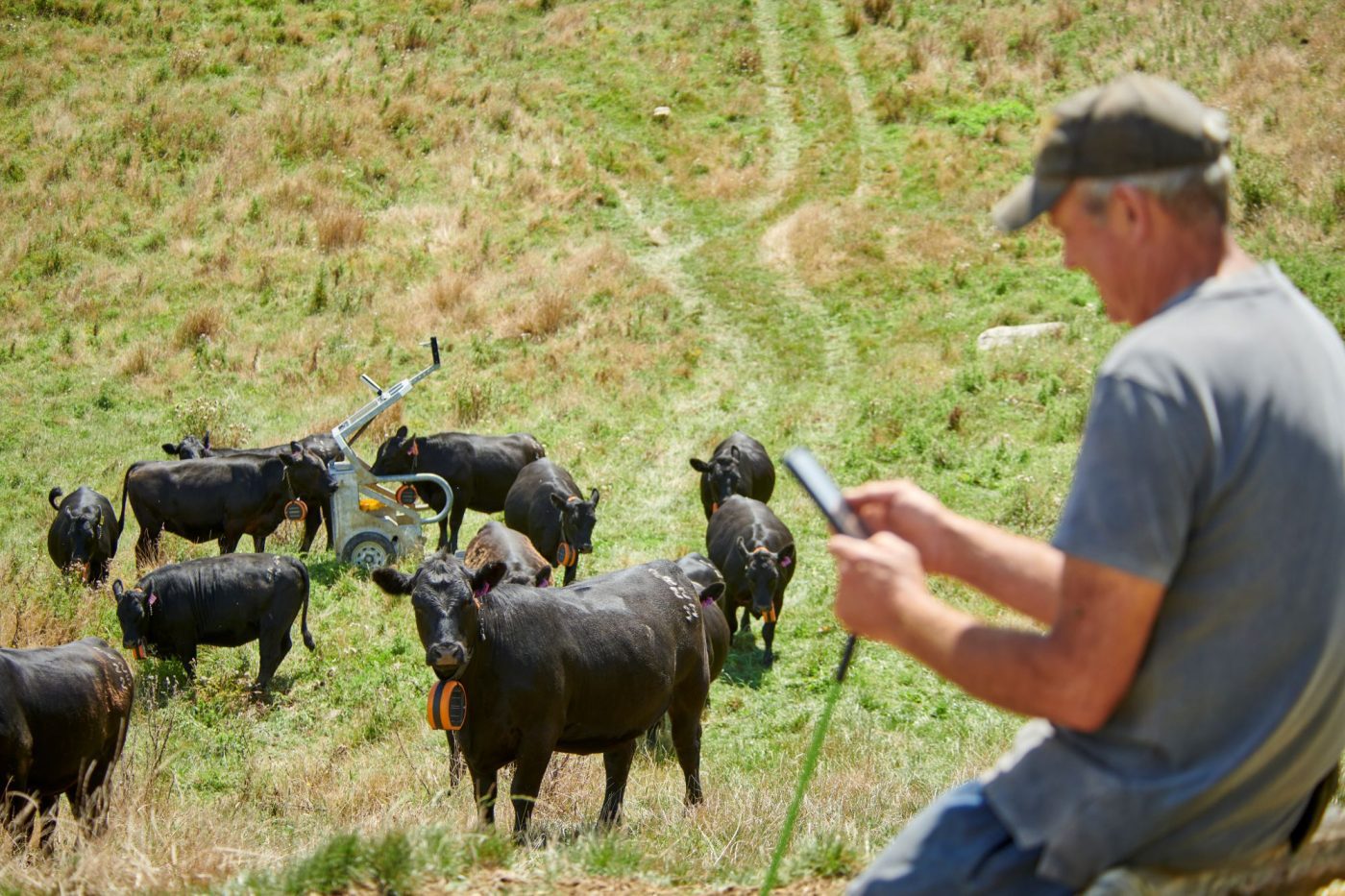
Supplied: eShepherd
VICTORIAN and News South Wales cattle producers now have access to virtual fencing with both State’s approving the technology for commercial use this week.
Victorian Farmers Federation President Brett Hosking said the long-awaited decision was set to transform farm management, animal welfare, and industry sustainability in one of Australia’s largest livestock sectors.
“This is a huge step forward that will deliver real, on-farm productivity and welfare benefits for dairy and livestock farmers across Victoria,” he said.
“We’ve been working hard to get to this decision from the very beginning. Victoria’s livestock and dairy sector is poised to see productivity gains in excess of tens of millions of dollars and is now ready to step into the future.”
On Wednesday Victoria’s Minister for Agriculture Ros Spence announced the new regulations under the Prevention of Cruelty to Animals Act 1986, giving farmers access to virtual fencing and herding technology.
These new regulations come with safeguards and clear requirements, providing farmers with smarter tools to manage livestock with precision, boost productivity, and keep animal welfare a top priority.
“We’re striking the right balance between farm productivity and animal welfare, and it’s clear that this technology provides great on-farm benefits for farmers across the state,” Minister Spence said.
“We’ve ensured we have appropriate safeguards in place to protect animal welfare, while enabling innovation. These new regulations and permit system provide the framework to achieve this.”
Technology to hit the ground in 2026
Victorian manufacturers can now apply to Agriculture Victoria for their virtual fencing technology to be approved, with the first products expected to be approved in early February 2026. The approval conditions will include requirements for record keeping and reporting.
Farmers adopting this technology will need to comply with certain requirements – using approved technologies, completing manufacturer training, maintaining a physical boundary fence or barrier and ensuring collars are checked regularly.
The new regulations were developed following engagement with industry, manufacturers, researchers and animal welfare groups on virtual fencing to better understand the impacts of this technology on animal welfare.
In Australia there are two main providers – Halter and Gallagher’s eShepherd, both of which were involved in the consultation process.
“This is a game-changer for Victorian cattle producers. eShepherd technology was originally developed in Victoria through in-depth animal behaviour studies by CSIRO so it feels a bit like a homecoming,” Sarah Adams, Gallagher General Manager for Strategy and New Ventures said.
“eShepherd is already being adopted in Queensland, Western Australia, and South Australia since 2023, alongside markets in New Zealand, North America, and Europe.
“Thousands of producers are already seeing benefits in grazing management and reduced labour, with measurable productivity gains—for example, WA producer Kent Rochester has recorded weight increases of up to 600g/head/day, worth an additional $2.70 per animal per day at current prices.
“Gallagher expects strong interest from Victorian producers and looks forward to helping more farmers unlock the potential of virtual fencing. The future of livestock management is here – and it’s smarter, more sustainable, and built for the challenges ahead.”
Electronic collars for livestock species other than cattle can only be used when a scientific licence has been granted under the POCTA Act, and the use is approved by an Animal Ethics Committees.
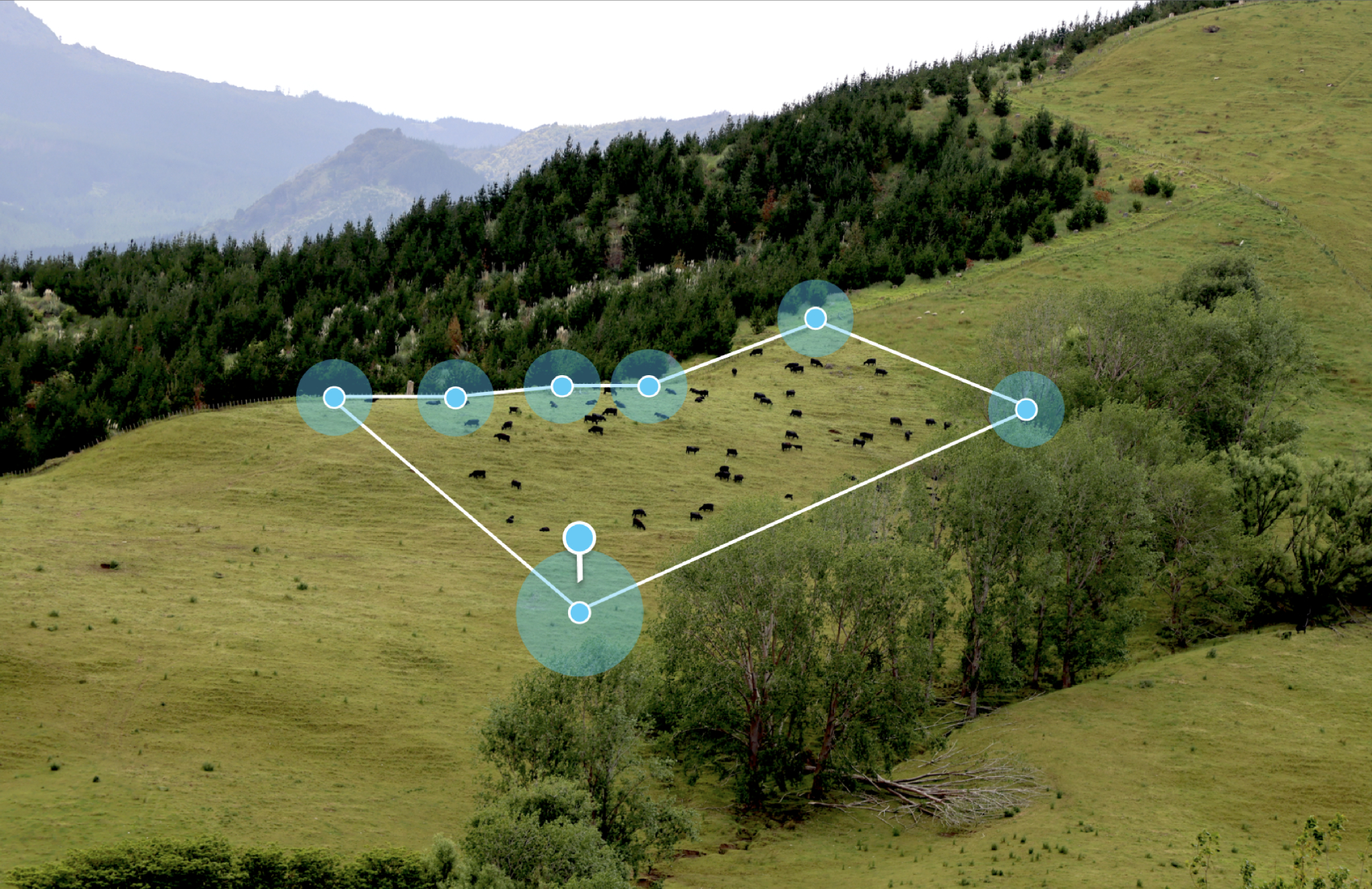
Halter virtual fence collars.
NSW gives the green light to virtual fencing
NSW’s Minister for Agriculture, Tara Moriarty, today announced the technology would be regulated for use in NSW, enabling the state’s farmers to better manage their stock and to side-step the cost of hard fencing.
The NSW Government has delivered virtual fencing following discussions with farmers, NSW Member of Parliament for Orange, Phil Donato, and considering the recommendations of the Legislative Assembly Committee Inquiry into the Prevention of Cruelty to Animals Amendment (Virtual Stock Fencing) Bill 2024.
Extensive consultation with farming groups, animal welfare enforcement agencies, and suppliers, have been consulted to draft a best practice regulation that fosters modern farming and ensures the welfare of the livestock.
“This technology gives us flexibility we’ve never had before – we can graze and move stock without building kilometres of fences and laneways, and we can also easily move these virtual fences to help manage our livestock and our land,” NSW Farmers Animal Welfare Committee Chair Rob McIntosh said.
“From reducing ongoing fencing and maintenance costs to protecting biodiversity, limiting stock handling, and increasing monitoring and grazing accuracy, the benefits of this technology are endless – and we can’t wait to start using it.”
Mr McIntosh said it was positive to see the Minns Government had created practical, state-specific settings to guide the use of the technology in NSW, following strong advocacy from the state’s peak farm body.
“The rules had to reflect the needs of producers, and it’s great to see our government listen to us on this,” Mr McIntosh said.
“This new technology provides a whole new tool to innovate and improve productivity on farm – and we’re so excited to use it to help feed the future.”
Producers who wish to use the technology must comply with the NSW Guide to Animal Welfare for Virtual Fencing of Cattle that provides safeguards for animal welfare, including:
- The user must be trained in how to use the device by the supplier or manufacturer.
- The user must ensure devices are regularly monitored and animal welfare standards are met.
- Devices will allow users to control the boundaries that trigger cues to the animal, but users cannot deliver cues directly to an animal.
- Devices must use vibrational or audio cues first, before using electric cues.
- The technology can only be used for cattle.
“We have has listened to the farming industry, animal welfare groups, and advocates like the Member for Orange Phil Donato and we have got the balance right for delivering virtual fencing on farms,” Minister for Agriculture and Regional NSW, Tara Moriarty said.
“By legalising virtual fencing, we have ensured farmers can use the technology to reconfigure paddocks with the touch of a button and also receive insights on the health and movements of their herds in real time so they can act sooner when required.”