
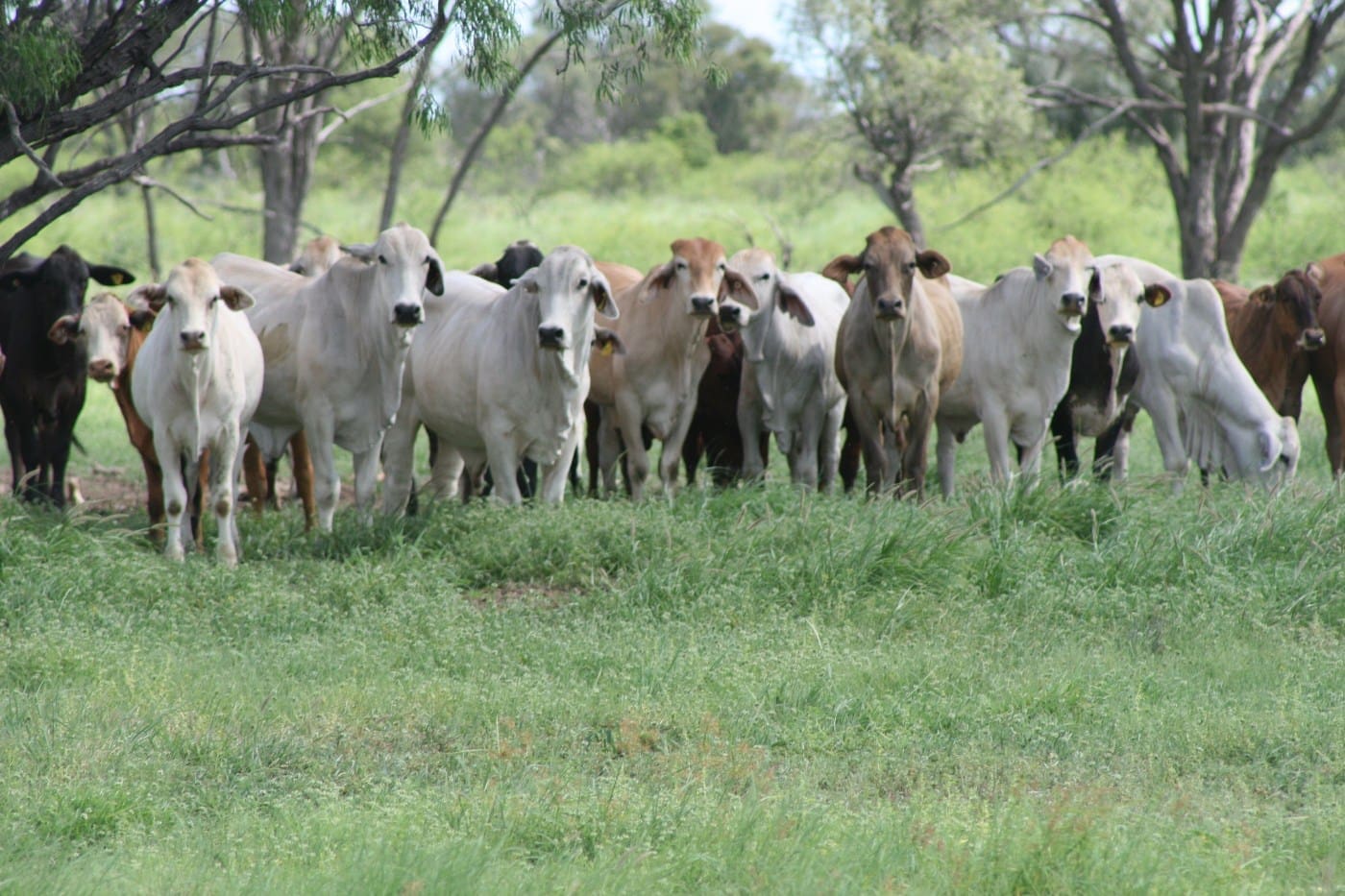
A STUDY into the economic value of buffel grass is currently underway in response to a Federal Government proposal to list the valuable pasture as a weed of national significance.
The project is being hailed as a success story by the Northern Australia Beef Research Council (NABRC) who have managed to get funding from Meat & Livestock Australia to hit the ground in a matter of months since the proposal was put forward in October last year.
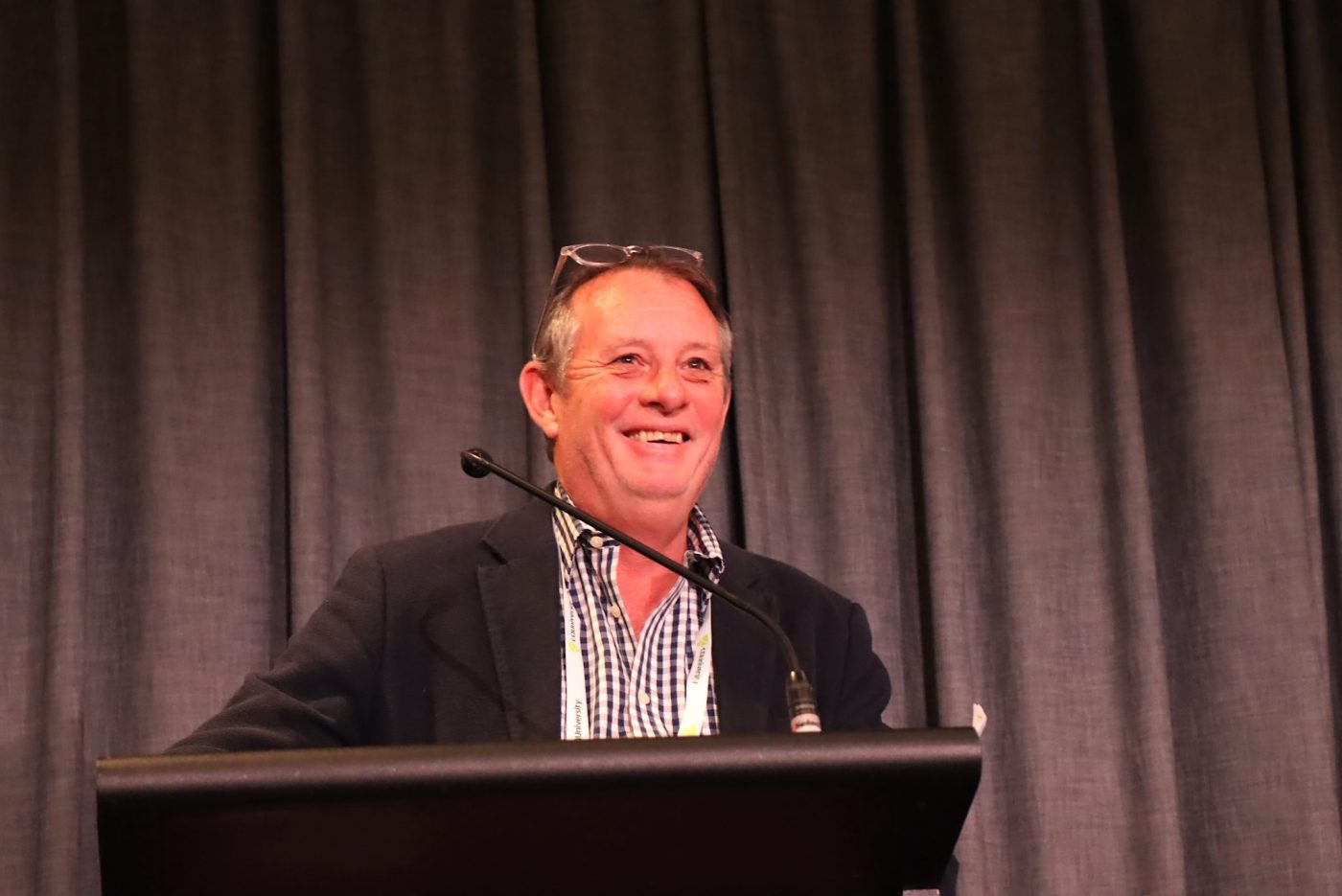
Paul Burke speaking at NBRUC in Brisbane this week.
Northern beef industry leaders, producers and researchers came together in Brisbane for Northern Beef Research Update Conference – with the process required to commission industry-funded research projects a topic of discussion.
NABRC chair Paul Burke said the buffel project was a demonstration of how well the current system is prioritising research projects.
“That is a big success for NABRC to be able to adapt, find a priority and take it through to funding in a really short period of time to support industry in the conversations they need to have around such an important grass species,” Mr Burke said.
“We are doing an economic analysis taking a big dive into the true value of buffel grass for the industry. I think that is a really important thing for us to then be able to have an informed discussion to go to Government and say ‘this is what it is worth to industry, do you realise the implications of what you are saying?’.
South Australia and the Northern Territory currently have declared buffel grass a weed, with the Federal Government proposal still yet to reach a resolution.
Mr Burke said it was important to find a balanced solution.
“From a management point of view, the removal of it is not economically viable. We need to find an solution that protects our high value environmental areas, like King’s Canyon and the rock while allowing the pastoral industry to do what it does which is grow beef.”
Is it taking too long to commission projects?
The lead time of research projects was a major talking point at the conference, with most projects taking more than a year to go through groups like NABRC to pick up funding.
Asked whether he saw the lead time as an issue, Mr Burke said speeding up the process was part of the remit of NABRC. However, he said it was important the process is rigorous.
“If we are investing millions of dollars of levy funds, which is ultimately producers’ funds, we need to get it right,” he said.
“So, it does take some time. It goes through one of the 11 regional beef research committees across Northern Australia, it goes through a process of NABRC general council where it is endorsed and ultimately ends up at MLA or another funding provider where a terms of reference is developed.
“That terms of reference then comes back down the chain to make sure what is being proposed is going to deliver a solution.
“We would love to see the process tighten up, but we also respect that there are times that it takes to do this work.”