
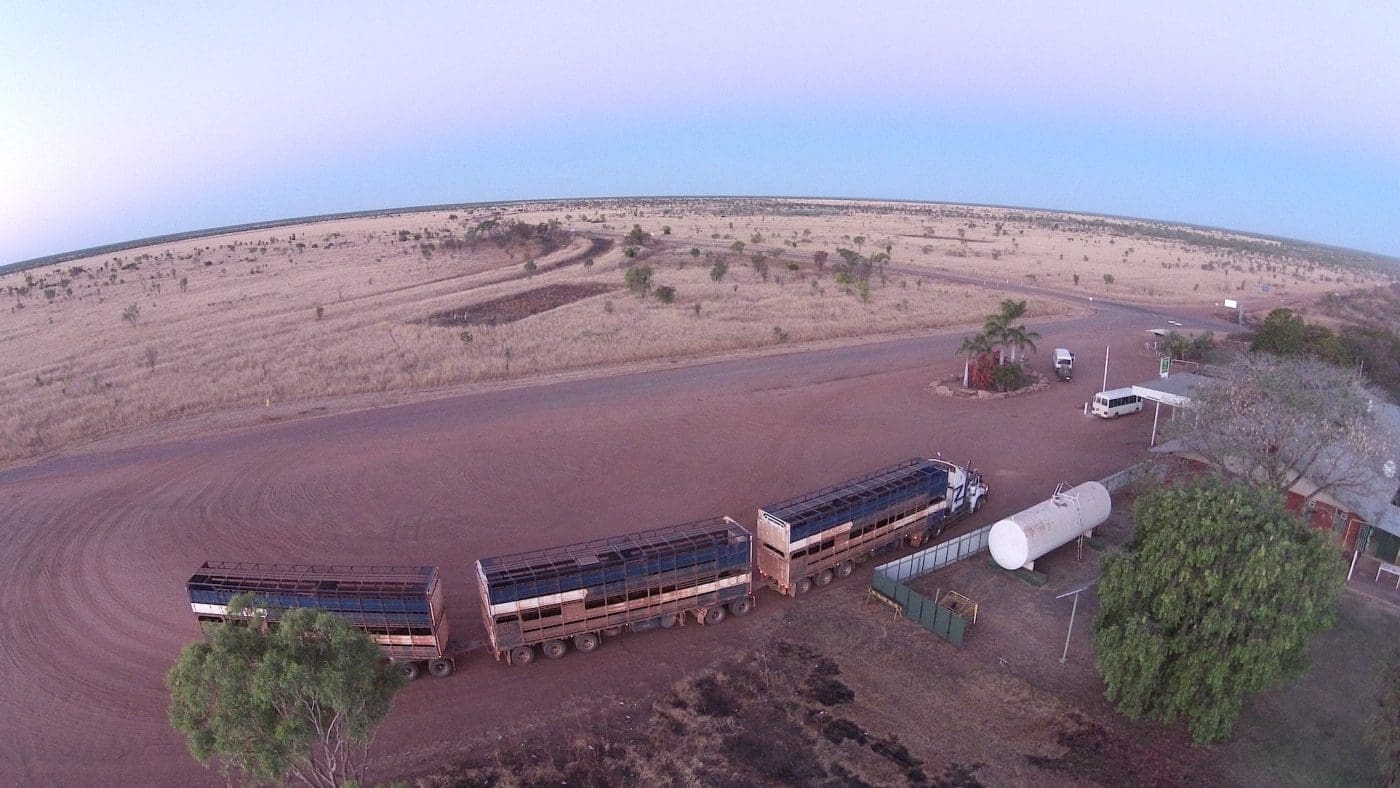
Refuelling at Top Springs Roadhouse in the Northern Territory
WHILE announcement of a two-week ceasefire may signal the beginning of a positive resolution to the Middle East conflict, Australia is likely to face continued fuel shortages for months to come, Shadow Minister for Resources and Northern Australia Senator Susan McDonald has warned.
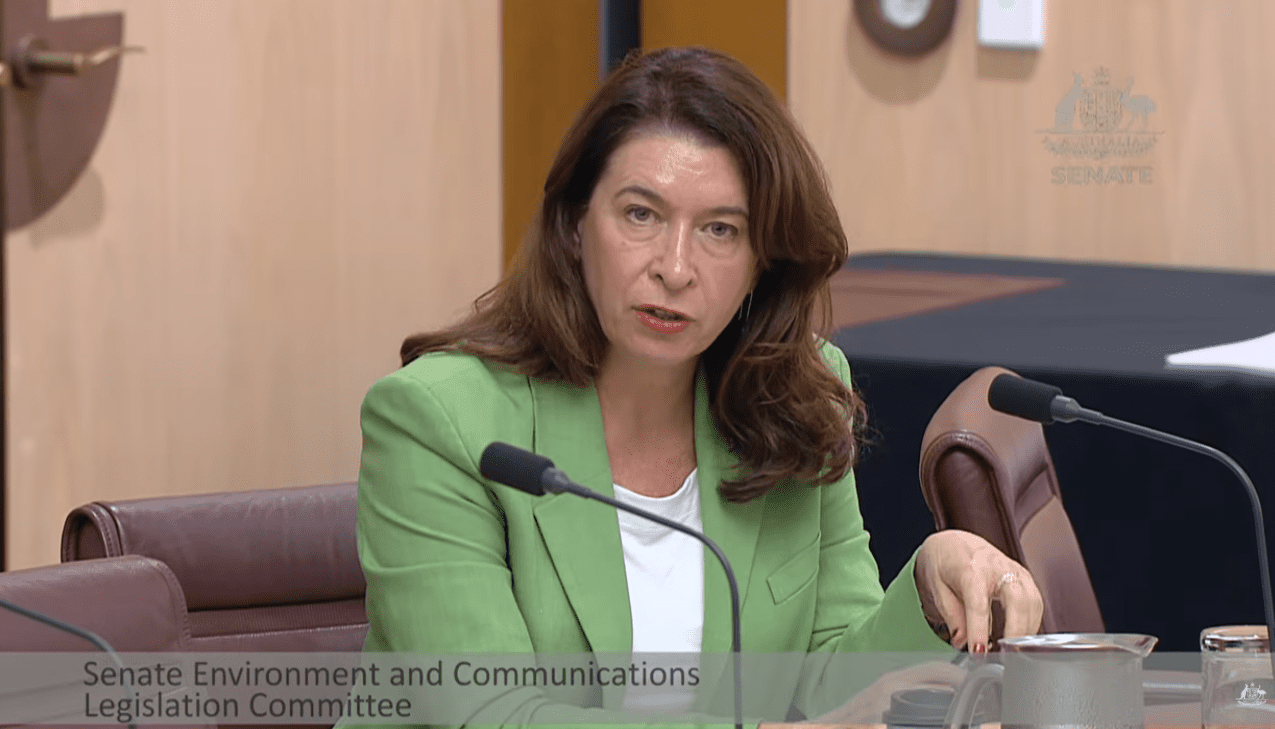
Senator Susan McDonald.
In an interview with Beef Central’s The Week in Beef podcast today, Senator McDonald called on the Albanese Government to increase the transparency of information it is providing to businesses and households across Australia.
“I think it (today’s ceasefire) may be the start of things improving in the conflict, but it will just be the beginning of rebuilding the infrastructure that provides such a huge amount of crude oil and LNG to the world. That won’t change overnight,” she said.
“This is the beginning of these sort of shortages, and this is what I am begging the Federal Government to do – You have to give more information to Australians, whether it be households but most importantly to businesses, so that they’re not making decisions today that will make it harder for them in the future.
“That has got to be the Government’s priority is to give more information, more transparency, and allow Australian businesses to make the right decisions for them for their survival.”
Govt welcomes ceasefire
The Australian Government today welcomed the agreement by the United States, Israel and Iran to a two-week ceasefire to negotiate a resolution to the conflict in the Middle East.
Prime Minister Anthony Albanese said Iran’s de facto closure of the Strait of Hormuz, coupled with its attacks on commercial vessels, civilian infrastructure, and oil and gas facilities, was causing unprecedented energy supply shocks and impacting oil and fuel prices.
“We have been clear the longer the war goes on, the more significant the impact on the global economy will be, and the greater the human cost.
“Australia has been working with international partners in support of diplomatic efforts to reopen the Strait of Hormuz so critical supplies can flow to those who need it, including the most vulnerable.
“We thank and support the work of negotiators, including Pakistan, Egypt, Türkiye and Saudi Arabia, in advancing de-escalation efforts.
“Australia wants to see the ceasefire upheld and a resolution to the conflict.”
Government “sleepwalking” towards fuel supply crunch
Senator McDonald said farmers and businesses were already struggling to manage rising costs and ongoing uncertainty.
“Australia is effectively running on pre-conflict fuel shipments, and there is no certainty about what replaces them,” she said.
“Prices this week are already higher than they were before the excise was cut and it’s only going to get worse.
“The Albanese Government was caught flat-footed before the crisis and it has bungled the response since, telling Australians there was plenty of fuel while service stations ran dry.
“The lack of information coming from the Albanese government means that businesses can’t make the decisions that would lessen the impact of this crisis and determine whether they survive.
“Farmers don’t know if they’ll be able to harvest or plant without diesel and fertiliser. Cane farmers in North Queensland say they only have about 5% of the diesel required to cut this year’s crops.
“Trucking companies vital for food security can’t absorb the extra costs for much longer and can’t plan because the government isn’t giving them any certainty.
“We are heading for a fuel and food supply cliff.
“Briefing notes from a meeting of the Government’s Fuel Supply Taskforce in late March show a diesel supply chain assessment would be completed within a month, with a broader food supply chain analysis to follow.
“If it takes a month or more to complete this work, it will be too late. We need to know now how supply will be maintained as conditions tighten.”
Senator McDonald also criticised rail unions in Queensland for engaging in strike action, which she said was worsening pressure on road transport.
“Rail industrial action is forcing more freight onto trucks, increasing demand for diesel when supply is already under strain,” she said.
“In the middle of a national supply crisis, this is unconscionable conduct by the unions.”
Senator McDonald said reports of transport operators running out of diesel last week, including in major hubs such as Melbourne, should be treated as an early warning.
“Instead of preparing Australians for what’s coming, the Prime Minister’s message over Easter was effectively: carry on, just don’t use too much fuel,” she said.
“That is not leadership.”
Senator McDonald said Australians deserved clear answers and more urgent action.
“It’s impossible to overstate how serious the situation is,” she said.
“Businesses deserve better, workers deserve better and families deserve better than what the Albanese government is serving up.”
- Tune in to tomorrow’s edition of The Week in Beef podcast to hear more from Senator McDonald and latest updates on how the Middle East situation is affecting Australia’s cattle industry.