
This deep dive article drawing from sources within the Australia-Indonesia cattle and beef trade outlines why the economics behind Indonesia’s decade-long reliance on Indian Buffalo Meat may be rapidly unravelling, with major potential implications for Australian cattle exports, global beef demand and regional food security.
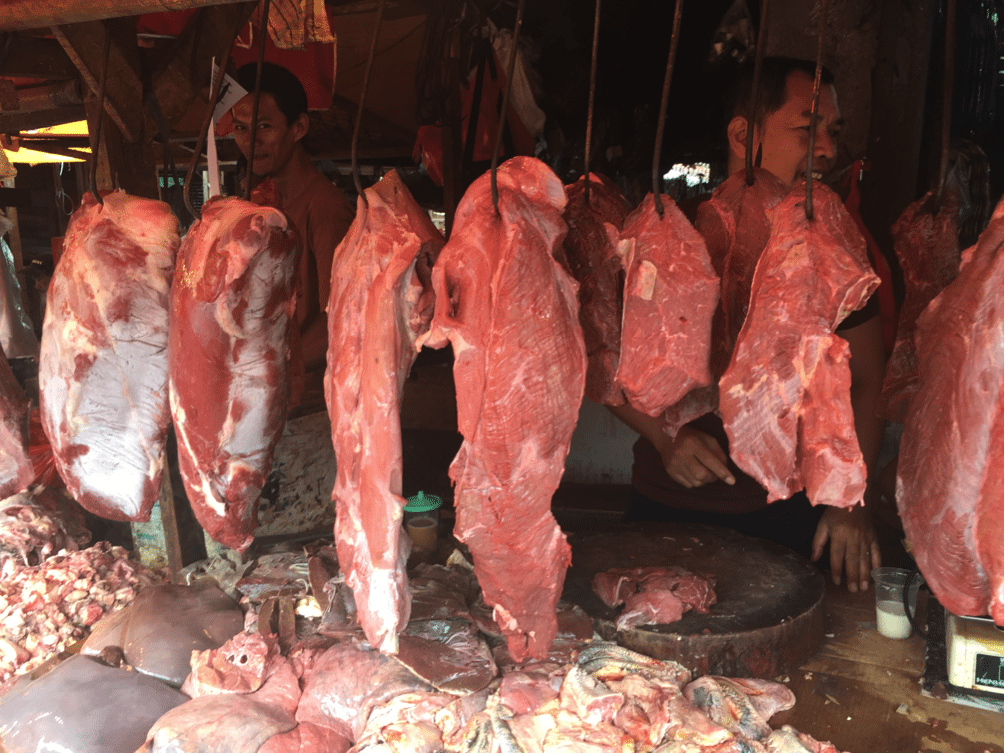
Indian buffalo meat in Indonesia.
FOR the last 50 years Indian buffalo meat (IBM) has exerted massive influence on the low end of the global red meat market.
In the late 70’s and early 80’s Malaysia was the primary customer for live breeder and slaughter cattle from Australia.
When IBM broke into the market in 1982, live exports collapsed.
At that time the Philippines gradually took over as Australia’s major live export market.
In 1994 IBM was allowed into the Philippines market causing the demand for Australian live cattle to crash once again.
By good fortune for the Australian industry, the Indonesian feeder cattle market had opened up in 1990 and quickly took up the slack to become Australia’s number one market for the next 16 years.
In 2011 the Australian government abruptly halted the live cattle trade to Indonesia with a snap suspension that suddenly cut off the supply of a crucial source of protein for the Indonesian population – without first consulting or warning the Indonesian Government.
Within five years of that decision, the Indonesian government, after years of saying no to IBM imports because of the risk of Foot and Mouth Disease (FMD) introduction, finally allowed the importation to commence in 2016.
Overnight the demand for Australian feeder cattle collapsed to around 50 percent of its previous levels.
IBM was a perfect low-cost substitute for manufacturing the bakso ball, Indonesia’s low cost, high protein comfort food, equivalent to the Aussie meat pie.
Today, another seismic shift in red meat supply and demand is being driven by a combination of rising IBM export prices and the collapse of the Indonesian Rupiah.
When IBM importation started in 2016 the CIF price landed Jakarta was in the mid US $3 range.
At the same time the exchange rate was a very favourable @ R13,300.
This equates to about Rp45,000 per kg CIF Jakarta which was a very workable price when the retail market rate for frozen buffalo meat was around Rp80-90,000.
The exchange rate with the USD slowly weakened to Rp15,800 in 2024 and Rp16,100 during 2025.
During 2025 the IBM price gradually increased to around USD$4.20+. Some sources even suggest that IBM is now costing as much as USD$5.10 on the Jakarta wharf.
Using the more conservative price of USD$4.20 and today’s Rupiah exchange rate of Rp17,400, this equates to Rp73,000 per kg.
 Cost of taxes, charges and freight to get this delivered from the port to the Jakarta importers’ cold stores is a further Rp3,000 per kg = Rp76,000.
Even if this importer/wholesaler only takes a 10 percent margin to pass the product on to the retailer, this means that the retail outlet buys for Rp83,600.
A very skinny 10 percent retail margin would suggest that the domestic consumer must pay at least Rp92,000 per kg.
Indonesian sources (11th May) report that the retail selling price for IBM in the Jakarta market ranged from Rp107,000 to Rp118,000.
Compare this to the current government fixed maximum price for IBM of Rp95,000.
In short, the business case for IBM which has been so strong for the last 10 years has collapsed to the point where even with razor thin margins for everyone in the supply chain, the sums just don’t add up anymore.
This is particularly bad timing for the Indonesian government agencies as they watch an annual 140,000 tons per annum (Badan Pusat Statistik) of cheap protein vanish from their domestic consumer shopping list options while their own local cattle herd is being hammered by another outbreak of FMD.
The acute irony here is that the importation of IBM is the most likely source of the devastating FMD epidemic which commenced in 2022.
To make matters even worse, the exchange rate for the Rupiah/AUD is also extremely unfavourable, making the very same feeder steer from Darwin 20 percent more expensive to import today compared to late 2025.
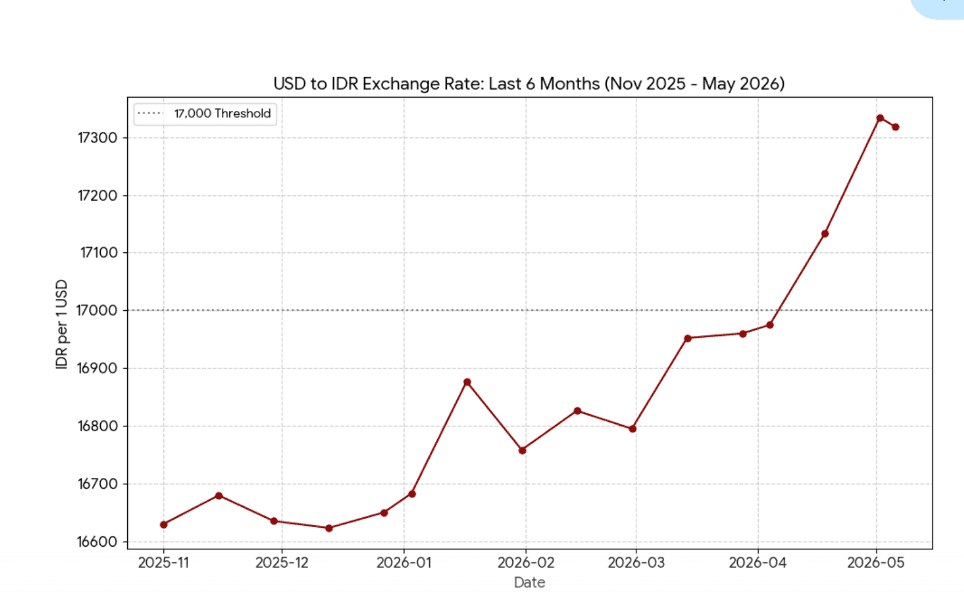
While this is obviously a major change in market conditions for Indonesia, the same influences are also likely to be causing concerns with other IBM importers.
Vietnam and Malaysia are the two largest importers of IBM world-wide with around 300,000 tons (actual tonnage shipped) imported by each country during 2025.
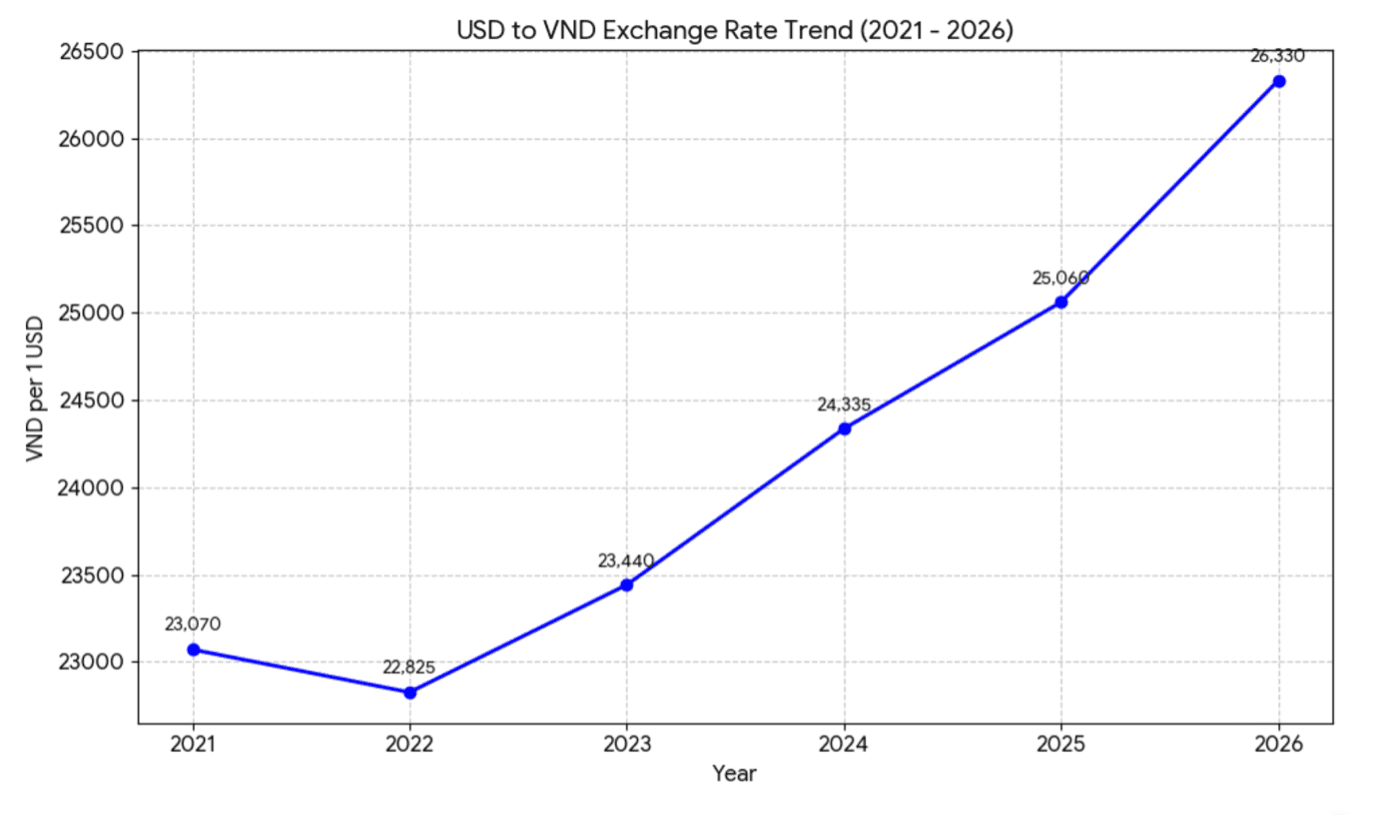
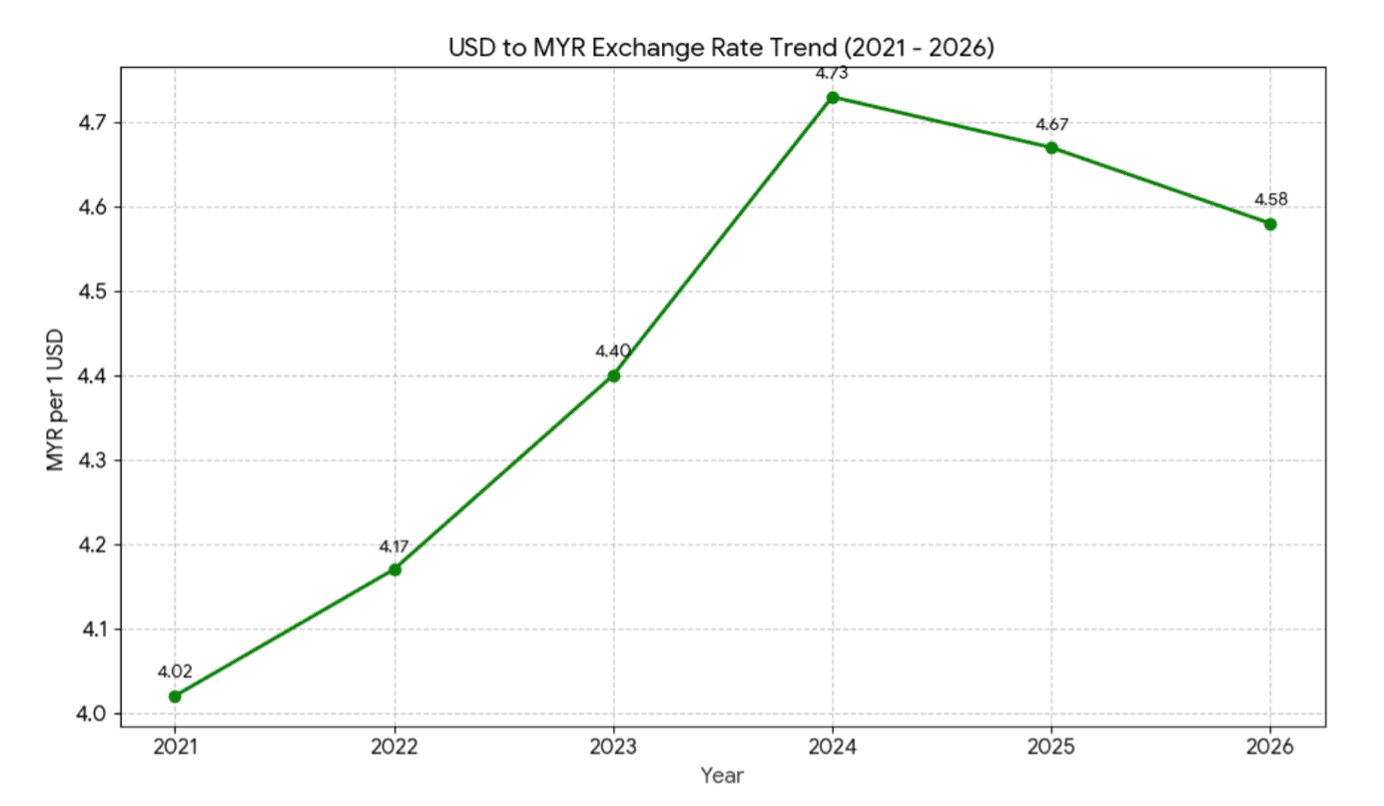
The total exports of IBM during 2025 were in the order of 1.2 million tonnes (actual shipped weight, source USDA). This represents about 35% of total Indian production (3.4 mill tons) with the balance consumed domestically.
Given that this combination of exchange rate weakness and export price rises appear to be impacting all the major importers of IBM, this downturn in global demand may well correct itself when these demand signals reach India if they haven’t already.
One of the big unknowns is how China will manage its new FMD outbreak.
Since the strain of the virus is a new one and no current vaccines that China has access to provide any protection, it will have to produce a massive quantity of totally new vaccine then deliver that to 100 million or more cattle and buffalo and 450 million pigs.
This will be a very time consuming process so significant losses in those species can be expected until sufficient vaccine coverage has been achieved.
The reduction in Chinese red meat production might well drive it towards increased imports of IBM either through the front or back door.
Either way this probable gap in red meat supply could have massive implications for both beef and IBM prices world-wide.
If Indian prices don’t adjust quickly to allow IBM imports around Asia to recommence then Brazil and Australia, the two largest beef exporters in the world, are likely to be primary beneficiaries of this sudden tipping point in the IBM story.