
FEEDER cattle prices are experiencing a seasonal changeover, as big numbers of crossbred cattle in the north come online and the Angus premium widens.
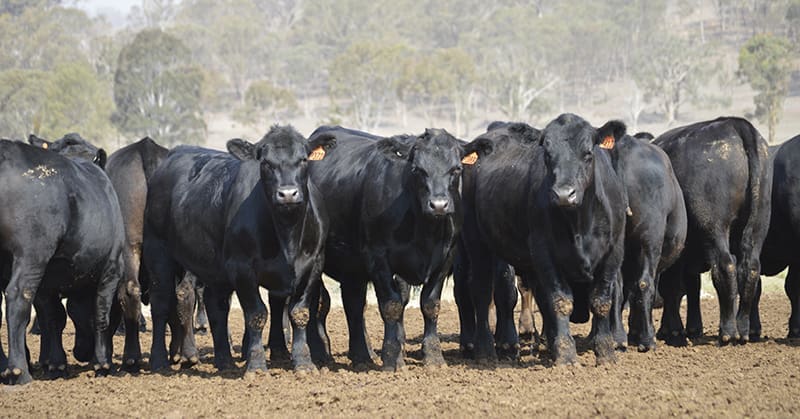
The Angus premium has started to open up in the feeder market.
Prices for 400kg+ flatback feeder steers on the Darling Downs have dropped 10-20c, with buyers quoting between 460-480c/kg – the bulk of the quotes were at the top end of that spread. One large multi-site lotfeeder on the downs was not offering quotes.
The supply situation appears to be different for the Angus market, with a seasonal shortage of cattle in the south starting to emerge. Northern lotfeeders were quoting around 520c/kg, with one quote of 490c/kg. Southern prices were slightly dearer, with buyers quoting 520-535c/kg for Angus steers.
Southern crossbred steers (no indicus) were quoted between 500-510c/kg.
The north-south spread was also seen at the early sales this week, with numbers slightly down and prices holding firm at Wagga this morning. 226 heavy feeder steers with offered, down 132 head on last week, with average prices holding firm at 500c/kg.
Tamworth, however, saw prices drop with 261 heavy feeder steers averaging 456c/kg – which is 47c less than last week. It must be said these reports do not delineate between Angus and crossbreds. A total of 6200 were sold.
Big numbers are expected to keep coming through saleyards in Northern New South Wales and Southern Queensland again this week, with 9000 on the draw for Roma and 6000 at Gunnedah tomorrow.
Fuel on the minds of lotfeeders
Feedlots are acutely exposed to any shortages in diesel, because if feed trucks can not run then cattle do not eat.
One source told Beef Central that some smaller yards may look to reduce their numbers with nervousness about fuel supply. However, buyers from most of the bigger yards this morning said they had diesel – although they were keeping a daily brief.
Transport cost is one of the biggest factors weighing on the feeder market, with one buyer saying that some cattle have come online with producers looking to get ahead of any further fuel price increases.
Ration cost is the other concern as supply of urea continues to create challenges. Many are keen to see a supply of cottonseed come through, to reduce reliance on urea-based liquid supplements.
Grain supply is the long-term concern, with most yards now operating almost exclusively off winter grains – meaning they are forward on supply until about September this year.
But how much grain crop is planted under the current situation is the big consideration, especially with some large grain growing areas having a marginal season.
- For more analysis on the situation with grain see today’s Feedgrain Focus column.