
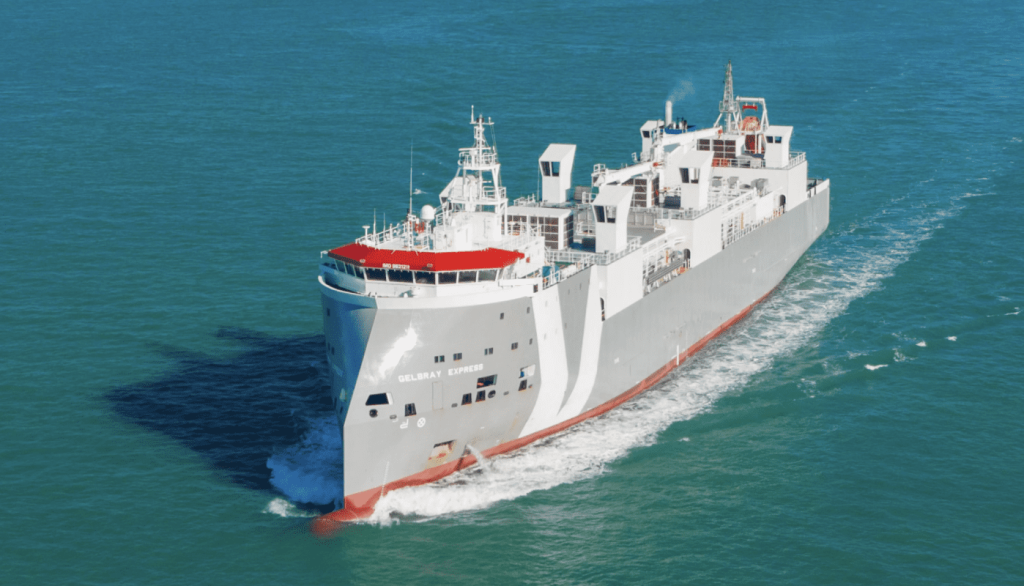
ELEVEN livestock vessels have been sold to Heytesbury in a significant transaction that places a major part of Australia’s live export supply chain into Australian hands.
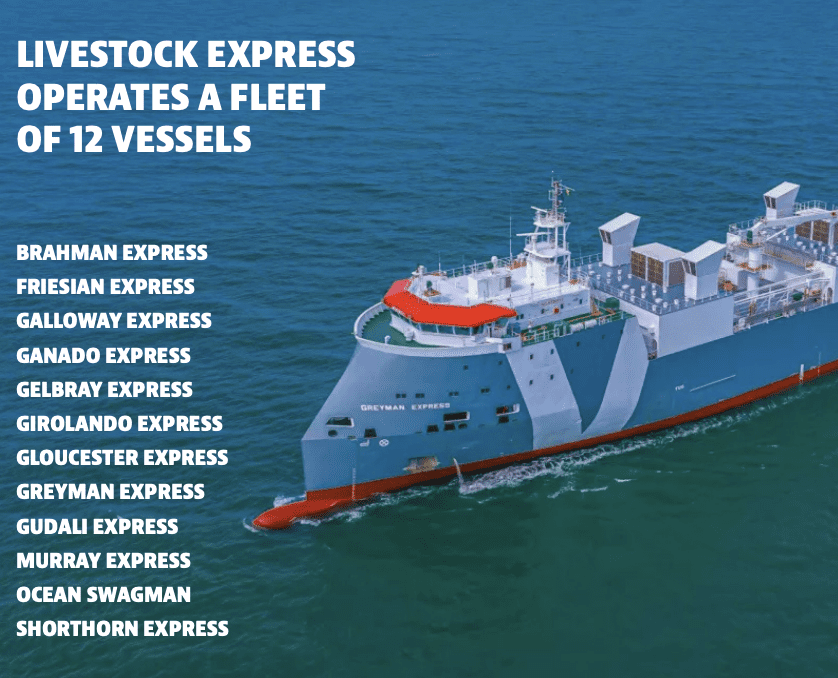 Heytesbury owner Paul Holmes à Court has confirmed to Beef Central the company has acquired Netherlands-owned Livestock Express, including its fleet of dedicated livestock carriers, Singapore office and technical management services for third-party vessels.
Livestock Express is regarded as a global leader in purpose-built livestock shipping, with a reputation for fleet quality, operational discipline, industry experience and animal welfare performance.
Its fleet transports between 600,000 and 750,000 head of livestock annually.
Rare opportunity to acquire world-leading fleet
Western Australian-based Heytesbury, privately owned by Mr Holmes à Court, comprises three businesses: Heytesbury Pastoral, which owns six cattle stations including Victoria River Downs spanning 2.7 million hectares of the Northern Territory and northern WA; the Heytesbury Wine Group, including Margaret River estate Vasse Felix; and a shipping division that has owned the former Wellard vessel MV Ocean Swagman for the past six years.
The vessel has been operated by Livestock Express during that time. Mr Holmes à Court said that arrangement had given Heytesbury firsthand insight into the Livestock Express business.
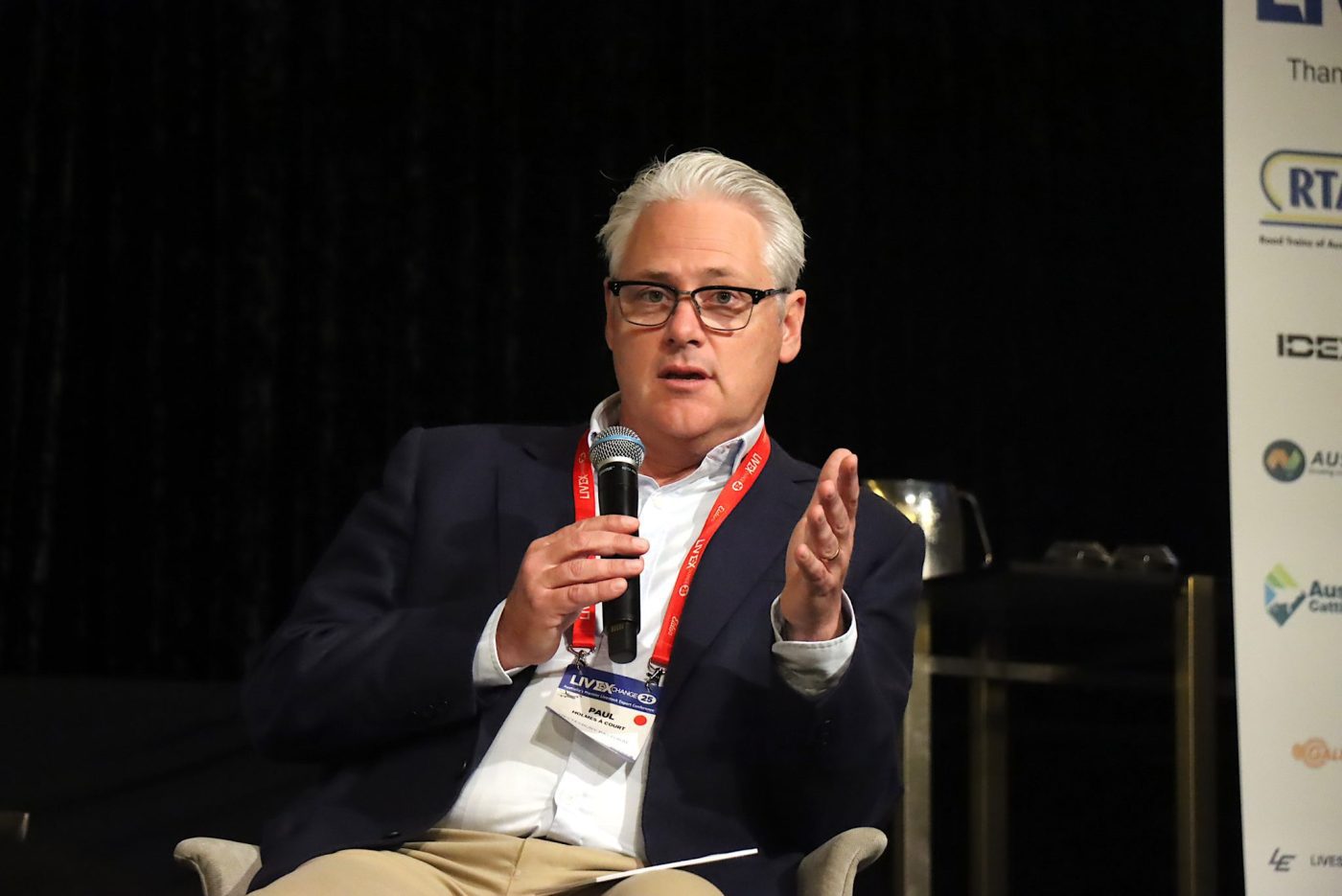
Paul Holmes a Court addressing the 2025 LiveXchange conference in Perth.
He described the acquisition as a “rare opportunity” following more than a year of negotiations.
The transaction price has not been disclosed. Financing support was provided by the Commonwealth Bank of Australia and Heytesbury’s existing lender, Rabobank Australia.
In an announcement to maritime media overnight, Dutch shipping giant Vroon said it had agreed to sell subsidiary Livestock Express to focus on its core niche markets in energy, liquids, infrastructure and offshore wind.
Under the new ownership structure, Livestock Express will continue to operate independently, with Heytesbury committing to maintain “business as usual” operations.
Live export underpins broader beef market
Mr Holmes à Court described Livestock Express as a leader in safe livestock shipping and said the sector remained a critical part of the global protein trade.
He said live export provided an essential service to northern Australian cattle producers while underpinning the broader Australian beef sector.
The trade enabled access to markets that could not readily be serviced through alternative supply chains and supported production systems and consumers reliant on live cattle imports.
 Australian cattle exports have averaged around 700,000 annually for the past five years, but have previously exceeded 1 million head per year, including volumes of over 1.2 million head in 2015 and 2019. Forecasts point to a year-on-year increase this year based on the build up of northern herd numbers following a run of favourable seasons.
The industry directly and indirectly employs about 6500 people across northern Australia, while exported cattle provide beef for tens of millions of consumers overseas.
Mr Holmes à Court said northern Australia’s distance, climate and production systems made live export essential for many producers, while destination markets depended on imported cattle to support local feeding systems and cultural preferences.
Australia operated under the world’s most stringent livestock welfare and regulatory framework, overseen by the Australian Maritime Safety Authority and the Department of Agriculture, Fisheries and Forestry.
‘Without the ships the industry stops’
“It is a very important business, it is a vital business really, for the northern cattle industry, Mr Holmes à Court said.
“Without the ships the industry stops, and that would be a disaster.”
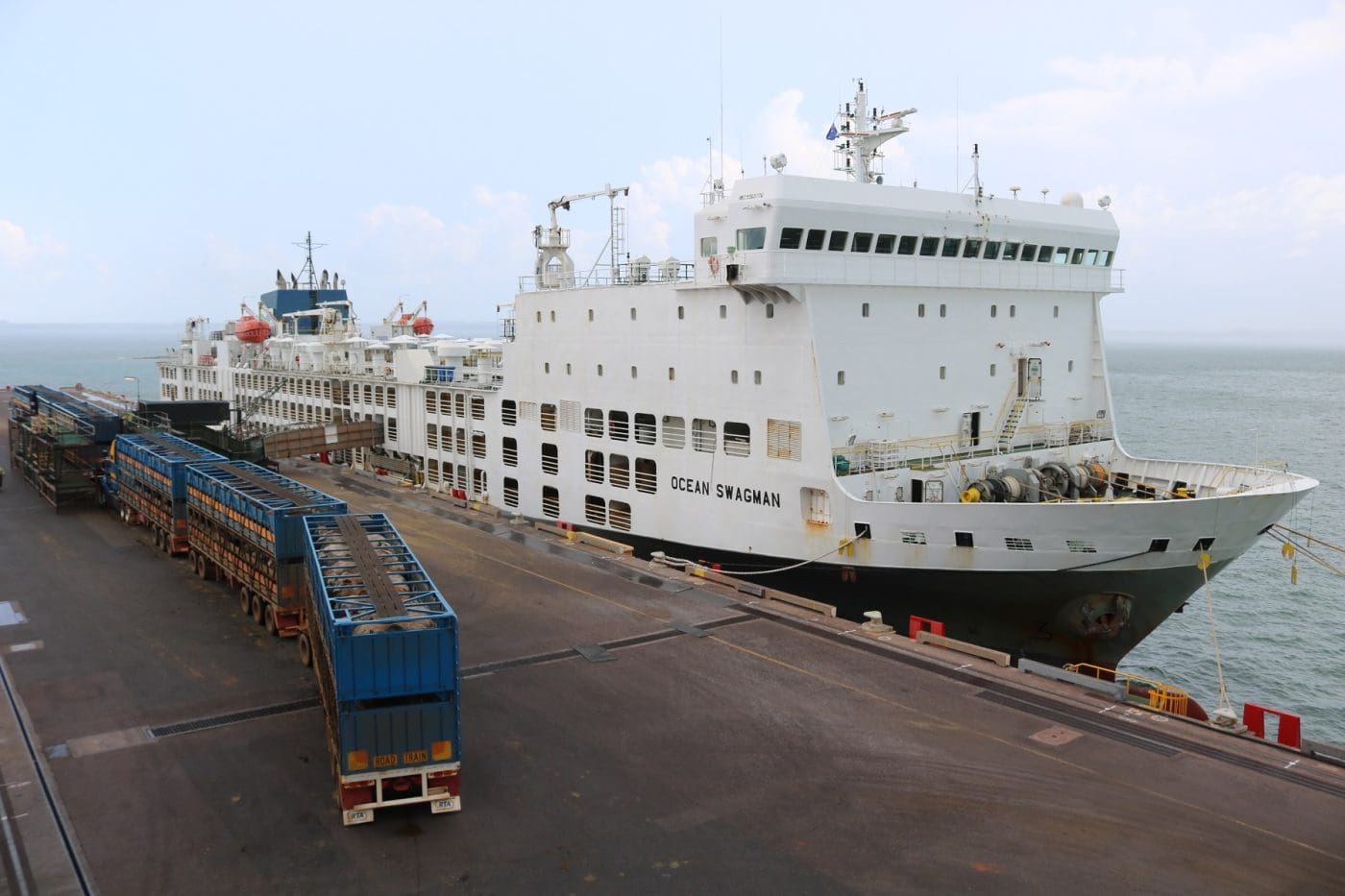
Heytesbury’s Ocean Swagman.
He said the broader significance of live export to Australia’s beef industry was often poorly understood.
“I think that is a point that hasn’t been well explained, and isn’t well understood.
“Everyone thinks live export is an industry that is just relevant to the northern cattle industry.
“But you’ve got to think about it, if in 2015 1.25 million head didn’t leave Australia, where would they have gone?
“Each year, if there is 750,000 head, where would they go domestically? Well they would crash the whole Australian beef sector.
“So look it is a very worthwhile industry, and the shipping side of it is a vital part of that.”
Confidence in industry future
Australia’s live export trade is built on the supply of large numbers of highly-productive, tropically adapted cattle from northern Australia into nearby Asian markets with strong demand for beef and limited domestic cattle production but abundant feedstocks for lot feeding imported cattle.
The primary threats to the industry’s future are seen to be political – evidenced by the Albanese Government’s decision to phase out sheep exports last year – and logistical, with declining numbers of accredited shipping well documented as a looming concern for the trade’s future.
Politically, he noted that it was natural for people to wonder about the industry’s future following the live sheep closure, but he expressed strong confidence in the importance of Australia’s cattle export trade going forward.
“I am very confident about it, provided we keep performing as an industry as we do,” he said.
“The industry performs by every measure including animal welfare to an exceptionally high standard, by far we are the most regulated and highest performing nation in the world in this field.
“So we just have to sustain that, and I think that with these sort of teams, and the markets that we go to now under the strict controls, we just keep on performing and I am confident about the future of the industry.”
New builds on agenda
He said the long-term shipping capacity issue posed the larger strategic challenge.
“The industry needs confidence that the regulatory environment remains stable and sensible into the future for companies to have the confidence to build new vessels.
“If we don’t have that, then eventually the ships will all reach the end of their life and the entire Australian sector has got a major, major problem,” he said.
He said Heytesbury was also considering future vessel construction as part of a longer-term strategy.
“With the acquisition of Livestock Express, we’ve bought a business that we like with a team that we like and respect,” he said.
Mr Holmes à Court said the broader cattle industry needed to better understand the importance of live exports to national beef market dynamics.
“I’ve had beef producers from NSW or Victoria talk to me about the live export industry as though it is only important to northern Australian producers.
“I say well just think about what happens to you and your market if one million head with high indicus content suddenly have to find a new home in Australia every year.
“So we need everybody through the whole country, anyone who is involved in the beef sector, needs to understand how important that industry is to the national equilibrium.”
‘Crucial role’ of livestock exporters
He also took the time to single out what he sees as the crucial role played in the indusry by livestock exporters, who he said carried a major regulatory burden and level of risk that was often “under-appreciated”.
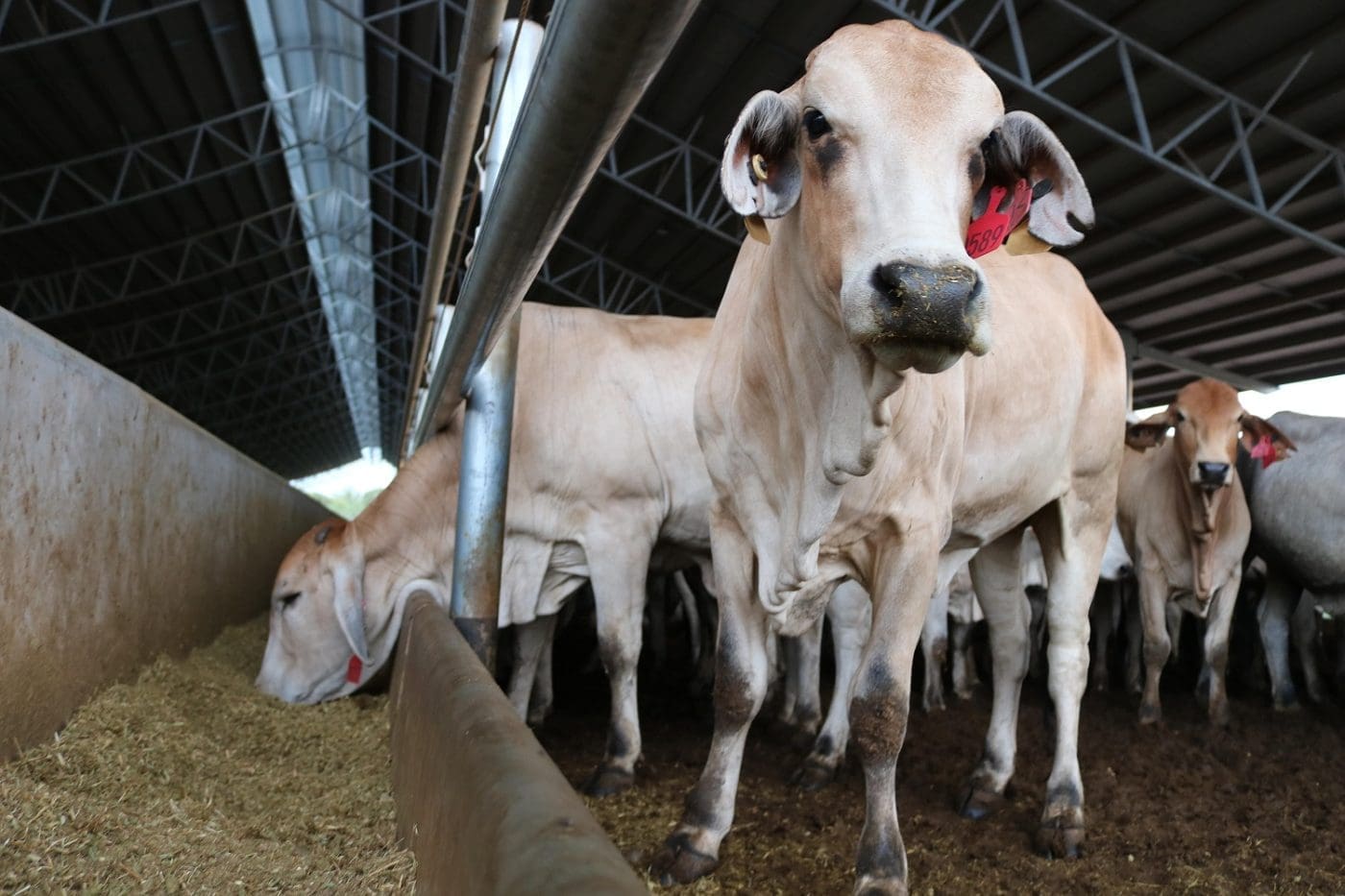
Australian cattle on feed at Berrimah in Darwin.
“Because they have all the responsibility under the ESCAS system, they have to get their licenses and they’re on the hook for the welfare outcomes, they have to take the risks on buying cattle and chartering ships, having customers and getting paid overseas, it is really the exporters who do the heavy lifting and I think the exporters are often under appreciated.”
Securing a key supply chain for the future of Australia’s livestock sector
The acquisition secures a major component of Australia’s livestock export logistics chain in Australian ownership.
Mr Holmes à Court said an alternative outcome could have seen the vessels sold to overseas importers seeking to secure supply into their own markets.
“The alternative would be if the ships had been sold to maybe an overseas importer, because you see quite a few of the global livestock fleet owned by the markets that are importing and they use their ships to secure supply for themselves.
“So that is a proven model, but that is not what we’re about. We’re not about securing our offtake, we’re about it being an independent service provider to the industry.”
Had the fleet been broken up and sold separately, the 11 Australian-accredited vessels would likely have shifted into regions with higher charter rates and lower welfare standards.
“So what we have got to do is keep the business based in this part of the world. We still service the Atlantic trade through the Mediterranean, it is very important, but we need to keep the core operations here and servicing South East Asia.
“We’re doing this to sustain the existing business model and operations and make sure it is not lost.
“The investment in the north, if this trade wasn’t there because there were no ships, then it would be devastating.”
Industry body welcomes “strong vote of confidence in future of sector”
Australian Livestock Exporters’ Council (ALEC) CEO Mark Harvey-Sutton welcomed Heytesbury’s investment in Livestock Express, telling Beef Central today it represented a strong vote of confidence in the future of the global livestock shipping sector and Australia’s livestock export industry more broadly.
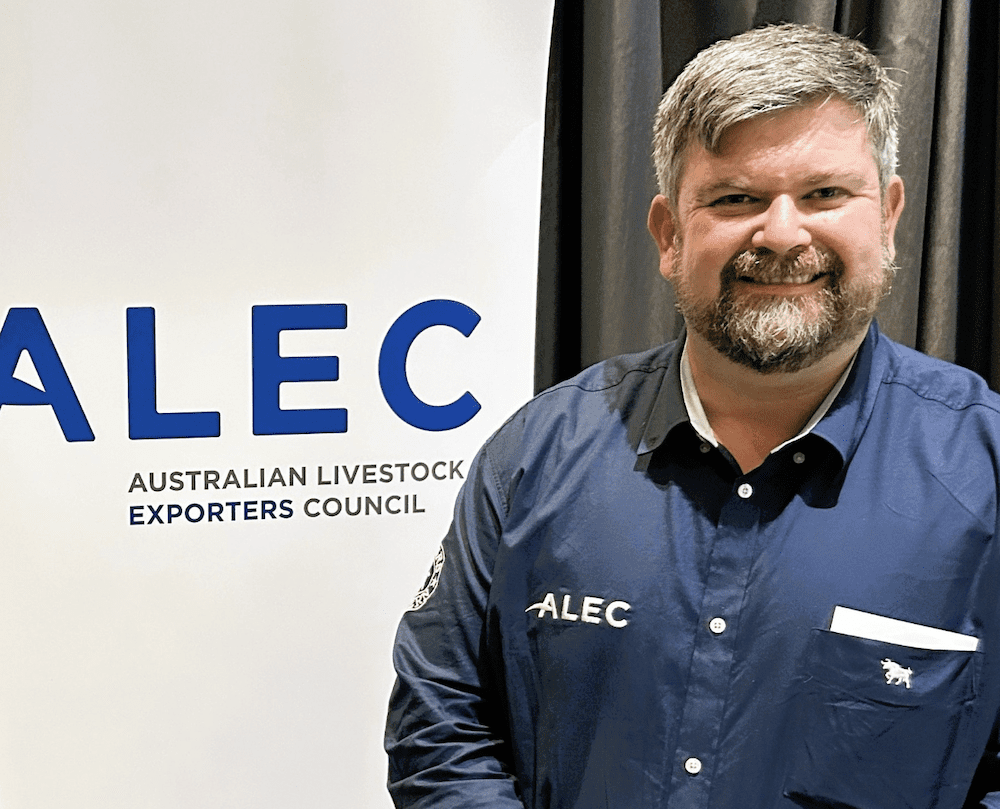
Mark Harvey-Sutton
“It’s tremendous to see one of the world’s leading livestock shipping businesses transition to Australian ownership,” Mr Harvey-Sutton said.
“Heytesbury has a longstanding connection to the livestock trade and a practical understanding of the industry’s essential role in supporting regional economies, food security and supply chains across the world.
“The continuation of Livestock Express as an independent operator provides important certainty for exporters, producers and international customers who rely on modern, purpose-built livestock vessels and experienced operators.
“At the same time, it’s also an important safeguard for animal welfare. Australia operates under some of the most stringent livestock export and shipping regulations in the world and Australian ownership helps ensure those world-leading standards remain at the forefront of livestock shipping operations.”