
THE past decade has seen a wave of products enter the human health market. From medications for weight management (Ozempic is a good example – see recent Beef Central article on how the drug is changing beef’s opportunities), metabolic conditions and related issues, many have now become genuinely mainstream.
For the right person at the right time, they deliver real results. But without underlying changes in lifestyle and nutrition, the gains are hard to hold. The product is the catalyst of change, but the transformation depends on the system underneath it.
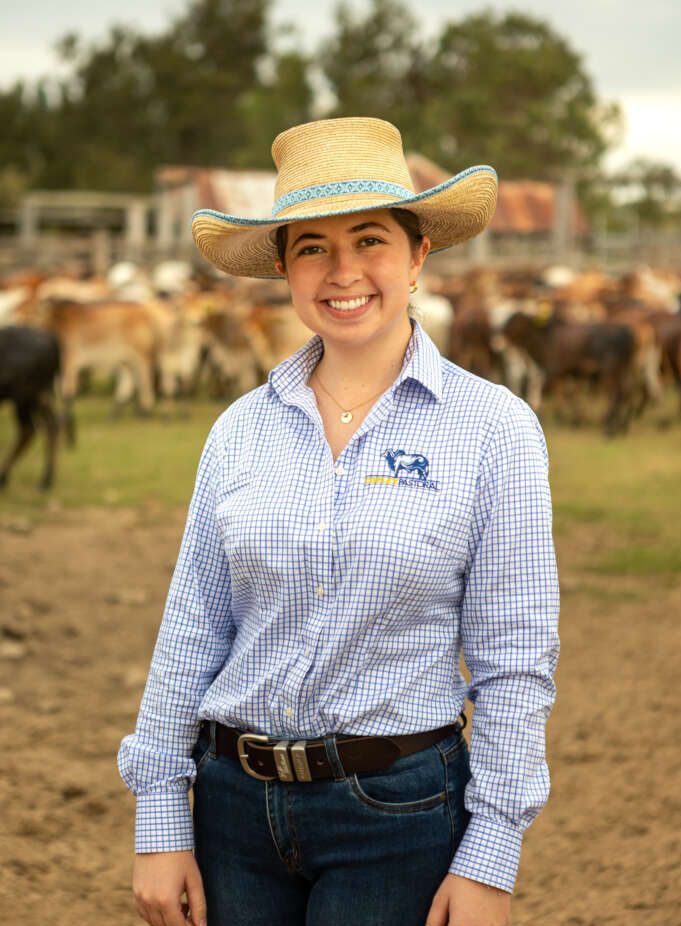
Queensland Brahman bull breeder Josie Copley of Copley Pastoral, based at Anduramba in the state’s southeast, has drawn a direct parallel between these human health developments and beef genetics in a piece shared ahead of the annual Copley Pastoral Field Day.
Josie argues that beef production operates under the same principle.
“There will always be something marketed as the lever for rapid acceleration,” she writes, “a supposed ‘herd-changing’ sire or a selection shift heralded as transformational.”
“However no single sire, no one-trait selection approach, and no single year of decisions will immediately fix a cow herd. This year’s weaning results are not simply a reflection of the bulls purchased in the spring of 2025. They are the outcome of selection and management decisions made years, and generations, in advance.”
The injection of new DNA into a herd is not the transformation. It is an input into a system, and the system is what determines whether that input compounds into lasting change or simply dilutes across a generation without direction, Josie argues.
“This reinforces the importance of clear and well-developed breeding objectives. Joining decisions can feel like tactical, in-the-moment choices, but they are expressions of a longer-term strategy. Without that strategy clearly defined, they are choices made in isolation. A breeding objective connects what a producer is trying to produce to the profit drivers of their system.”
Reproduction ‘under-selected’
For most northern Australian beef producers, that means fertile, adapted cattle that can perform in the environment they are running in. Reproduction sits at the top of most profit-driver analyses for northern beef systems, yet it remains one of the most under-selected traits in practice.
The reasons for this include being harder to observe, harder to measure without the right tools, and easier to put off considering when there are more immediate pressures on farm.
Genetic gain is a function of the accuracy of genetic information combined with selection intensity, and both depend on sustained producer focus.
“Genetic progress in herds is cumulative,” Josie writes, “built through sustained, purposeful pressure on reproduction and a supportive management system.”
1pc lift in reproduction has impact
Industry figures have shown what that focussed selection pressure can mean, with a one percent lift in reproduction translating to about 1.5kg per adult equivalent in additional production. Applied consistently, those increments have a real commercial impact at a whole-herd level.
Josie is not dismissing catalysts. A new seedstock supplier, a new measurement tool, or a shift in selection approach can all accelerate and refine progress, she says.
However only when these catalysts are applied within a program that has clear breeding objectives and is then supported by management practices, is there the full potential for those to express themselves in the next generation.
The bull is one input. Without the program around him, his ‘potential’ stays just that: potential.
As the northern bull buying season approaches, now is a good time to ask an honest question about not just which bulls to buy, but whether the system they are going into is set up to make best use of them.
“It is the consistency and sustainability of your program that will compound the change and make it permanent,” Josie writes.
New genetics can accelerate a program, but they cannot replace a program.
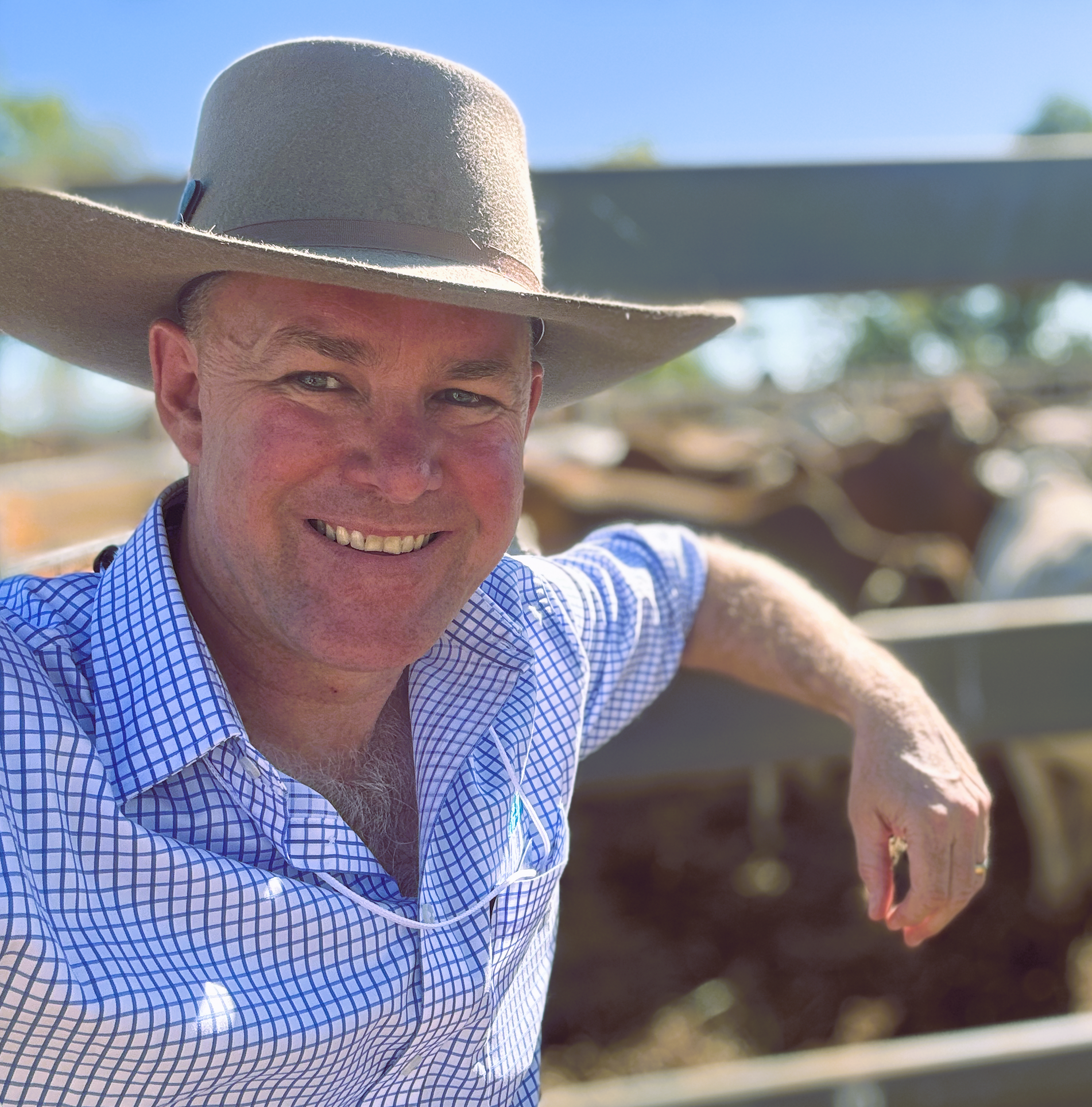 Alastair Rayner is the Strategic Account Manager for Southern Australia with Vytelle and Principal of RaynerAg. He has over 30 years’ experience advising beef producers and graziers across Australia. Alastair can be contacted here or through his website: www.raynerag.com.au