
With daytime temperatures soaring into record territory in parts of Australia this week, we’ve sought input from Meat & Livestock Australia’s group manager for productivity & animal wellbeing Dr David Beatty for some timely reminders about managing stock.
Set out below are six immediate actions and four longer-term heat resilience strategies that livestock managers may consider. Further below are some useful heatload management reminders for feedlot applications…
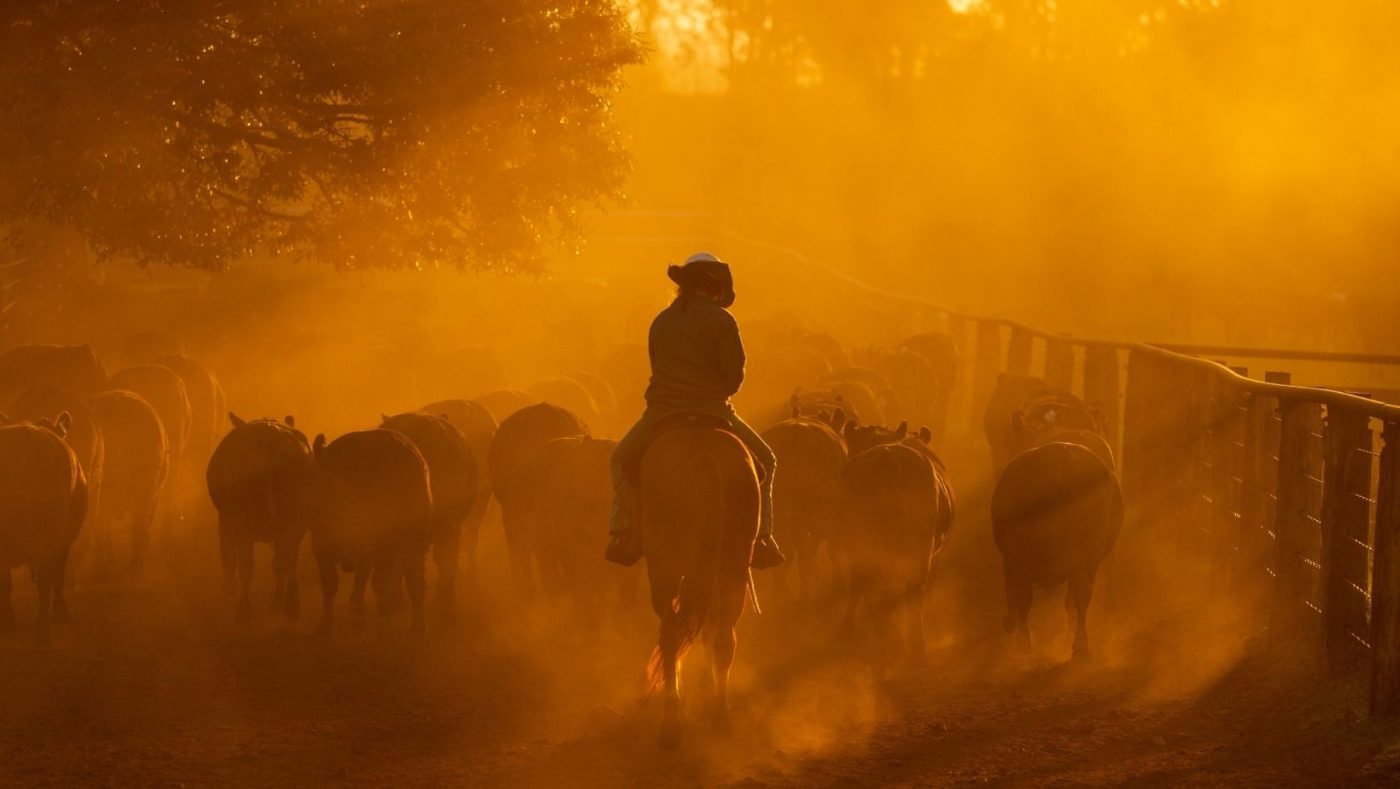
AS extreme temperatures continue across much of Australia this week, livestock producers are again navigating difficult conditions and safeguarding their properties and livestock against heat stress and heightened bushfire risk
These conditions have direct implications for animal welfare, productivity and long-term business resilience, Dr Beatty says.
Heat stress occurs when livestock are unable to shed body heat effectively, which can lead to reduced feed intake, loss of production and, in severe cases, organ damage or death.
Prolonged high temperatures, humidity, high solar radiation and still air can all increase the risk of excessive heat load. The susceptibility of individual animals varies with breed, coat colour, body condition and underlying health.
During extreme heat events, producers can take several immediate steps to protect livestock:
- Maintaining unrestricted access to clean, cool water and checking troughs and water points frequently is essential, since water intake rises sharply during hot conditions.
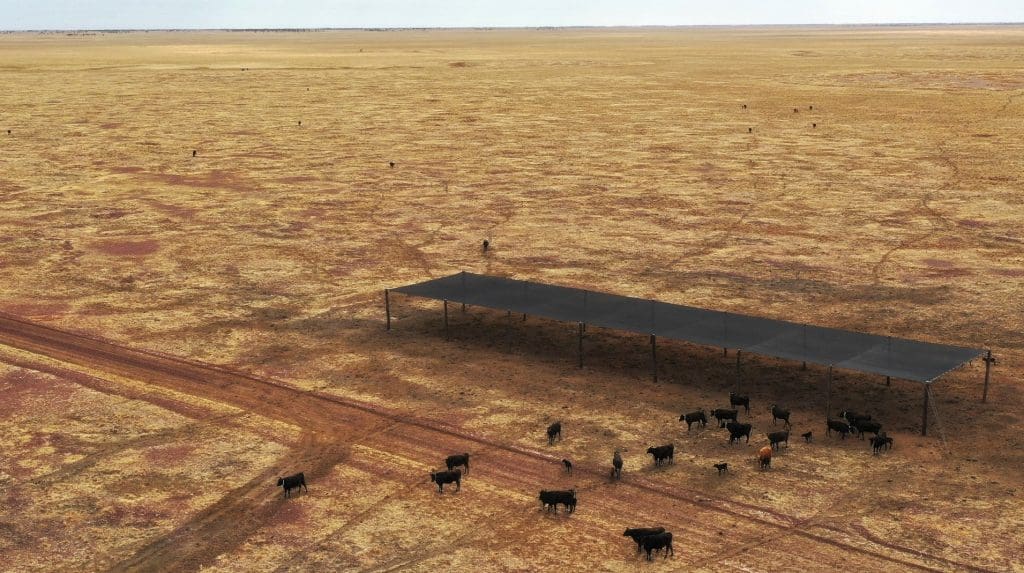
- Shade and airflow are also essential, and producers should ensure animals can spread out in cooler areas to dissipate heat more effectively.
- Handling, transporting or yarding livestock should be postponed until temperatures fall, while feeding should be shifted to early mornings or late afternoons to reduce heat load.
- Close monitoring for signs of heat stress such as prolonged open mouth panting and drooling, lethargy or reduced movement is critical for early intervention.
Preparation ahead of high temperatures is key in order to safeguard livestock during extreme events.
Important steps include reviewing shade infrastructure, ensuring reliable access to cool water and adjusting nutrition programs for summer conditions. A summer management plan with monitoring routines, risk identification and a clear response strategy will go a long way to help protect livestock during extreme temperatures.
Bushfires
At the same time, bushfires pose an increasing challenge. MLA notes that fire intensity, frequency and scale are expected to rise, making year-round readiness essential.
Producers who implement a detailed fire plan supported by equipment, training and regular preparedness routines experience fewer livestock losses and recover more rapidly after events.
MLA supported research after the 2019 to 2020 Black Summer fires identified lingering impacts on surviving livestock. These include burn injuries, smoke exposure and possible immune effects that continue during recovery. Understanding these outcomes helps producers refine future preparation and response strategies.
A reliable bushfire plan incorporates fuel reduction, infrastructure improvement, backup water and power supplies and a defined emergency livestock strategy.
Early relocation of stock to refuge paddocks, establishing firebreaks and organising emergency feed are core components of an effective response when fire conditions escalate.
Managing livestock during extreme heat checklist
Planning ahead
- Take action to reduce planned work
Use heat stress forecasts to identify times where people or livestock are likely to be heat stressed. Rearrange plans to avoid any activities for days of high heat. Monitor forecast updates regularly. Resources: People (Heatwave | The Bureau of Meteorology); and livestock (Cattle Thermal Stress Forecasts | Northern Australia Climate Program).
- Let your neighbours know
Decrease potential risks in your community by spreading the word about upcoming high risk days. Connect with a Climate Mate to ask questions or help you to spread the word (Climate Mates).
Immediate actions during extreme heat
Check all water points frequently
Ensure troughs, pumps and tanks are clean, functioning and delivering strong flow. Water demand rises sharply during heat events and uninterrupted access is essential for all livestock.
Move animals to shade and improve airflow
Provide access to natural or constructed shade and open gates to expand movement into cooler, ventilated areas. Better airflow reduces heat load in cattle, sheep and goats.
Stop handling until temperatures drop
Avoid yarding, mustering or transport during peak heat. Handling increases body temperature and stress. Reschedule for early morning or late evening.
Shift feeding to cooler times
Feed early morning or late afternoon to reduce metabolic heat production. Avoid feeding during the hottest parts of the day.
Monitor livestock closely for heat stress signs
Look for open mouth panting, drooling, lethargy or crowding around water. Quick action prevents escalation.
Reduce crowding to increase airflow
Allow livestock to spread out by opening additional space. Lower density reduces radiant and accumulated heat.
Longer term heat resilience strategies
Improve shade and shelter infrastructure
Increase tree cover, install shade structures or portable shade systems to provide reliable cooling areas across seasons.
Strengthen water system reliability
Add backup pumps, increase trough capacity and plan for higher summer consumption so water does not fail during critical periods.
Integrate heat resilience into nutrition and breeding
Review summer rations and consider long term decisions such as selecting more heat tolerant genetics or managing body condition before high-risk periods
Embed heat planning within emergency preparedness
Align heat readiness with bushfire plans, including refuge paddocks, firebreak management and emergency resource planning.
Planning to manage feedlot heat load stress
The Australian Lot Feeders Association has extensive advice available on its website regarding heat stress management.
Feedlot operators can reduce the severity of the heat load burden placed on cattle during hot conditions by implementing a range of management strategies and being mindful of some key tips.
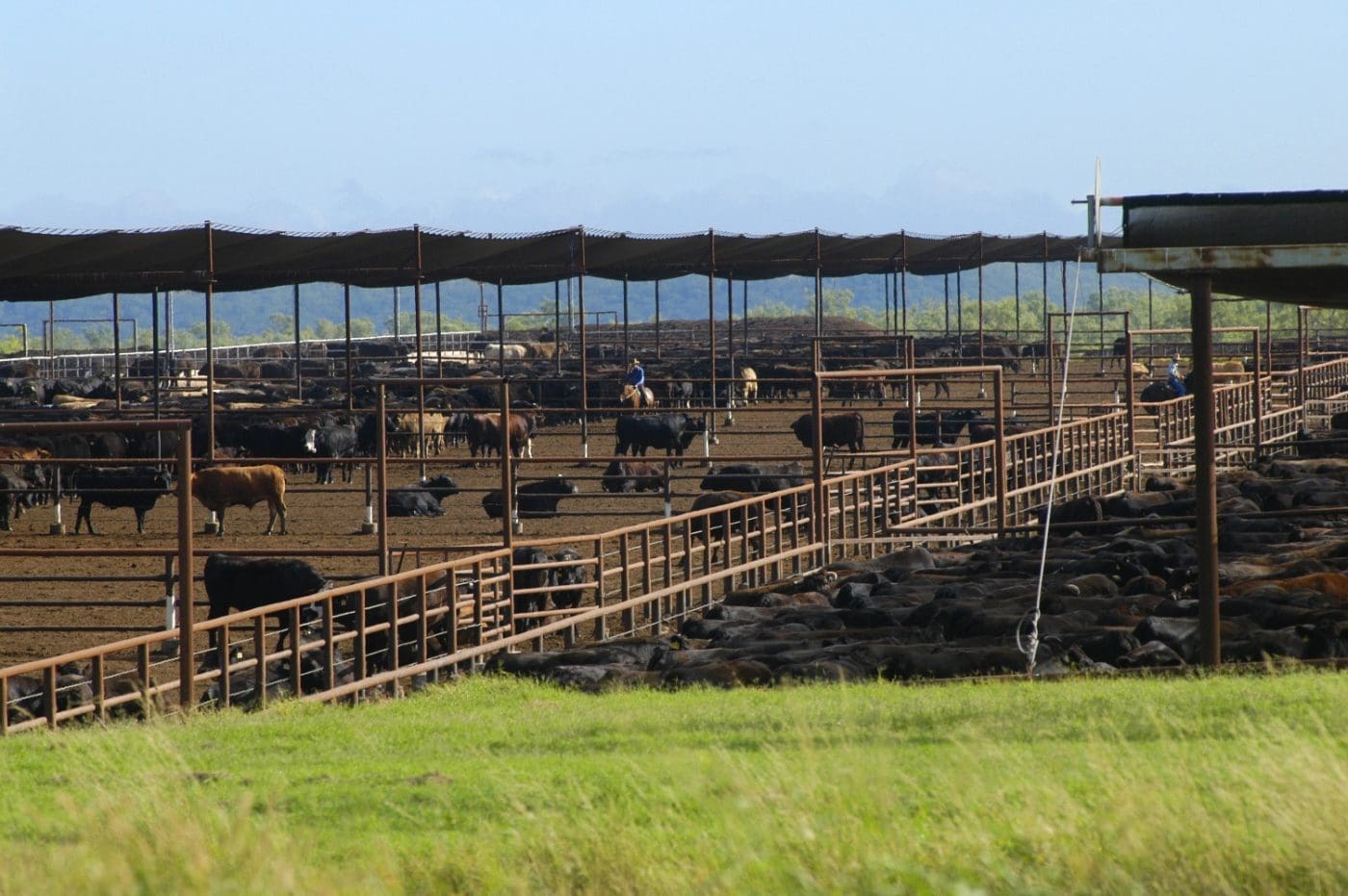 Symptoms of heat stress in feedlot cattle include excessive panting, progressing to open-mouthed panting, and cattle with their tongues out as heat increases throughout the day in a heat load event. Restlessness is another sign animals aren’t coping –moving about more than what they normally would.
Making sure extra water tanks are on hand if they’re needed for extra water points in pens is important.
Often during heat stress events some animals will just hang out around the water troughs, and although they’re not drinking, they’re standing there because of the coolness that comes off the water. Those animals can block other animals from getting in to get the water that they need. Additional water tanks ensure managers can get as many cattle to water as needed.
Some suggest that pen riding stops after 7am unless it’s absolutely necessary during excessive heat load events. Stock crews should go out very early in the morning before it gets hot, with drafting, loading and cattle movements suspended if necessary.
“There are several steps in place for when we start approaching a heat load event. Initially this will trigger a heat load ration, followed by extra water points, minimising stock movements and notifying processing plants in an extreme event that we’re not going to be shipping cattle,” one set of advice suggests.
“A heat load ration is designed to take some of the energy load out of the ration. As cattle eat they generate heat of fermentation, so we’re trying to help the cattle stabilise their intake. There is also some risk of acidosis occurrence coming in and out of heat stress events, as cattle are naturally adjusting their dry matter intake to the conditions. Typically, a higher roughage diet is fed.”
Click here to access the suite of heat load management information available on the ALFA website