
A NORTH Queensland cattle producer says Governments need to spend more money in the north as seven road trains roll on one section of road in one of the state’s key cattle producing areas.
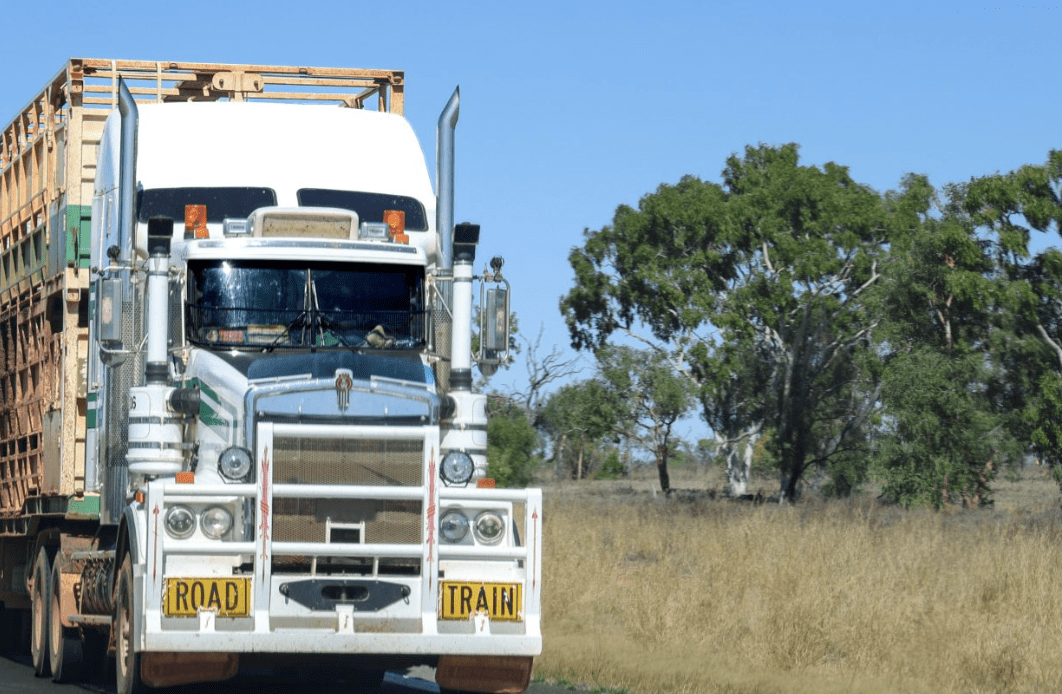
Image: Shutterstock
Speaking at a Cattle Australia and AgForce event in Cloncurry recently, AgForce cattle board member and producer Robert Chaplain said declining use of rail, outdated roads and large amounts of traffic with mining were causing issues.
Mr Chaplain said he was recently speaking to another AgForce member who owns a property on Wills Development Road, between Julia Creek and Burke & Wills Roadhouse – where seven road trains had rolled this year – including both cattle and freight trucks.
“We need mining and those industries up here, but I feel we have extra pressure on our roads,” he said.
“The rail is not helping the situation. There are a lot more trucks on the road because our rail infrastructure is not what it should be.
“I don’t know what the solution is, but if you have more trucks on the road, there is more weight and the roads are only going to get worse.”
One of the big issues highlighted with the roads in North-West Queensland is the long sections of single-lane bitumen – including on the Wills Development Road.
Mr Chaplain said there were some Federal Government owned roads that still had the one-land bitumen.
“Whether they are national or state roads they need fixing up, you only have to go on the National-owned Road to Normanton and there are still parts of single lane bitumen,” he said.
“They can put tunnels under rivers in Brisbane, I am pretty sure they can give us better roads up here in the north where the money is made.”
Challenge with smaller population
Cattle Australia chief executive officer Will Evans said two of the main criteria for road investment were economic productivity and population. He said population often pushed the north down the list.
With some roads in the area owned by the State Government and others owned by the Federal Government, Mr Evans and Mr Chaplain said it was important for both state and national cattle industry organisations to work together.
“We need each other, Cattle Australia need AgForce and we need Cattle Australia,” he said.
“If we have a good working relationship it builds strength, especially in the north where we often get forgotten.”