
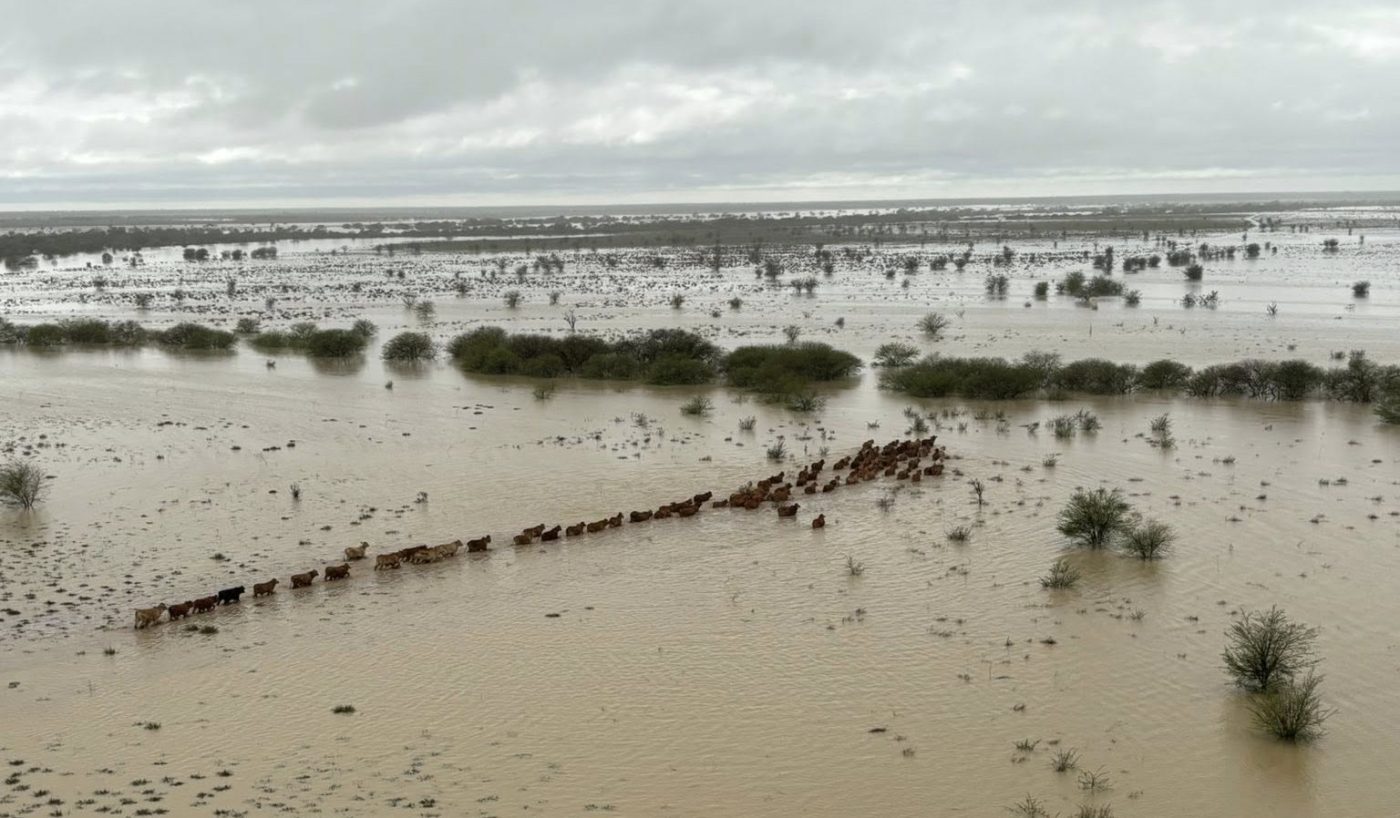
Flood waters on Alexmere Station near Nelia in North West Queensland. Photo: Dudley Harrington.
FLOOD waters are starting to peak in North-West Queensland, with weeks of relentless rain and adverse weather conditions expected to drive significant stock losses.
Qld’s Department of Primary Industries says there is currently 48,140 head missing or deceased – based on voluntary producer surveys. That number is expected to at least double as water subsides and more land can be viewed.
Properties around Julia Creek and Richmond appear to be worst affected, with more than 500mm falling in some areas sending floods down the Flinders River catchment.
While the flooding has swept many cattle away, the relentless wet has been causing plenty of health issues, which is contributing to the losses.
Most of the Julia Creek and Richmond area is black soil downs country, which is flat and the soil takes a long-time to dry out.
Cattle have been wet for days on end, which has contributed to issues with pneumonia and rain scald – where they lose hair from being too wet (or muddy in the black soil country), causing their skin to get burnt when the sun comes out.
“They can’t catch a break the poor guys, you think they’re in the clear when the sun comes out, then we have all these other issues,” Julia Creek producer Dudley Harrington said.
While ex-tropical cyclone Koji appears to have headed further south and is dropping most of its rain on Central Qld, Mr Harrington said the prospect of more rain this week is a concern.
“Everyone is pretty worried, so much country does not even have a crust on it yet. Cattle are still standing in mud, they have been in it for 15-days or longer,” he said.
“You normally would not bat an eyelid with 10-15mm forecast, but that could be last straw for a lot of these cattle.”
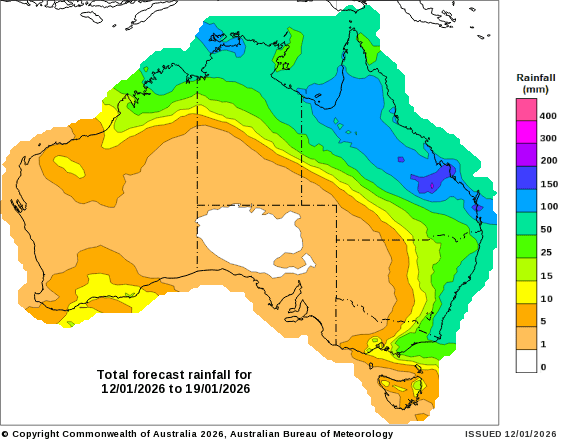
More rain is forecast in North West Queensland this week, which is concerning producers already impacted by floods in recent weeks.
Comparisons to 2019
The flooding has naturally drawn comparisons to the 2019 floods in North West Qld, which resulted in the loss of more than 500,000 head of livestock.
While the number of recorded stock losses is increasing after the latest event and will be significant, it does not appear to be as many as 2019 and the severely impacted area appears to be more concentrated.
Some producers involved in this event have reportedly been hit worse than they were in 2019 and some floods are bigger than they were in 2019.
A significant portion of stock losses in 2019 were put down to a cold snap which coincided with the tropical low that sat over the area for about 10-days.
While there was cold weather with the latest event, a lot of the losses have been put down to cattle being wet for too long.
Speaking from his own experience in both events, Mr Harrington said there were some key differences between the two weather events.
“Something that was really different to 2019 was that we had a few storms before this system came through, so there was more feed on the ground and cattle were in better condition,” he said.
“In 2019, the rivers peaked but it was still raining and windy and we could not get in the air to assist livestock. This time we had more breaks in the weather.
“It is a hard one to compare, but I would say this one is right up there. Talking to guys that have been here for a long-time, they say this one is as close to 2019 as they have seen.”
Call for help restocking the area
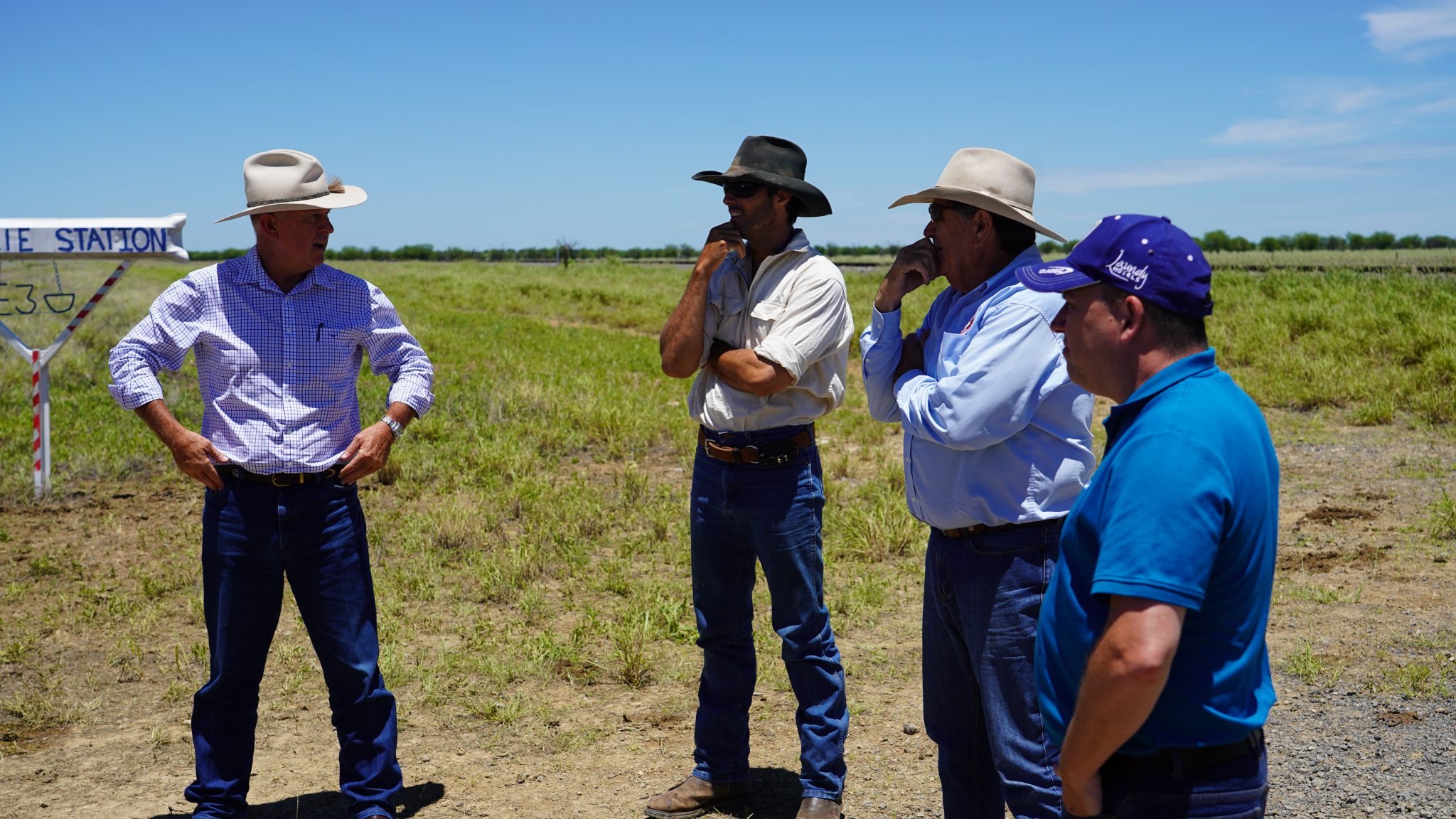
Agriculture minister Tony Perrett visiting flood impacted producers in North West Queensland.
Prime Minister Anthony Albanese, Qld Premier David Crisafulli, agriculture minister Tony Perrett and several other politicians have visited the area in recent weeks to assess the damage and announce funding packages.
A combined $38 million package, co-funded by the Qld and Federal Government, to fix the Cloncurry airport (which was damaged in the floods), help with fodder drops and give producers up $75,000 grants to fix infrastructure and do other recovery activities.
Producers and councils in the area have been calling for the Government to re-instate the dollar-for-dollar loan program that was administered by the Federal Government after the 2019 floods.
That program allowed for grants of up to $400,000 if the producer could match the grant dollar-for-dollar with their own money.
Mr Harrington said while the program was not fully subscribed in 2019, it did enough to allow for cattle to come back to the area quickly, in a fair and equitable way.
“We only used a fraction of the funding that was available last time, people weren’t greedy and they can extend themselves so far,” he said.
“But it allowed little places to buy a couple of bulls and bigger organisations to buy $800,000 worth of cattle. It was very fair and it didn’t cost the Government much.”
Mr Harrington said allowing producers to replace cattle quickly would flow onto a community like Julie Creek.
“We are very grateful for the grants for rebuilding. But what will really get this community up and firing again is support to buy cattle back in,” he said.
“If you have cattle in the paddocks, you are employing people, you are replacing tyres, you are buying more groceries, you are carting cattle – everyone gets a bite of the apple.”