
Biosecurity defences have received fresh reinforcements at both federal and state levels, with new detector dog teams and expanded regional officer networks being rolled out to tackle growing threats.
With National Biosecurity Week underway, Federal Agriculture Minister Julie Collins on Monday announced the graduation and deployment of six new detector dog handlers, which join an overall total of 50 handlers working at international airports and mail centres.
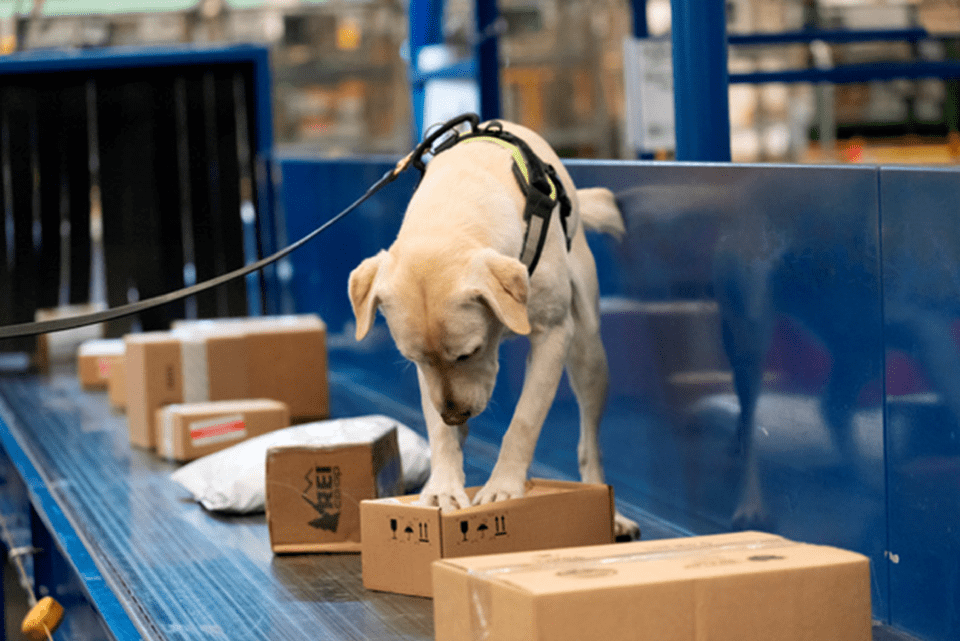 In 2024 detector dog teams intercepted more than 42,000 high-risk items across Australian airports, seaports and mail centres.
The average detector dog finds 9,000 biosecurity risk items during their working lives.
The most common items found are meat, seeds and fruit, which could cause a significant biosecurity risk, and harm Australia’s agricultural sector and environment.
The border security boost has been welcomed by NSW Farmers, with Biosecurity Committee Chair Tony Hegarty thanking the Federal Government for continuing to invest in frontline measures that “truly do protect our future”.
“From cattle ticks and toxic cacti to fire ants and feral pigs, farmers in NSW are battling a perfect storm of biosecurity threats,” Mr Hegarty said.
“Further measures to address domestic and offshore biosecurity threats and protect agriculture would not only be an investment in our industry, but in Australia’s food security too.”
 Meanwhile in Queensland, the Crisafulli Government yesterday announced the first 25 of 100 extra biosecurity officers pledged to beef up biosecurity in the State have either started or are in recruitment.
The commitment delivers on the Crisafulli Government’s election commitment to provide $50 million in funding for 100 additional officers to be based in rural and regional locations in biosecurity hotspots.
Thirteen new biosecurity officers have started across Toowoomba, Biloela, Rockhampton, Cairns, and Charleville, while recruitment for a further 12 will be complete in coming months, to be located in south, north and central regions.
The 100 officers will include specialist veterinarians, stock inspectors, and agronomists.
The new hires will work alongside industry and local government to meet the challenges of biosecurity threats by adopting local needs-based solutions, ensure biosecurity obligations are met and enforce Queensland’s world-leading biosecurity standards, a Queensland Government statement said.
A review of the previous Government’s decision to close the Cape York Biosecurity Facility at Coen has also been launched and is expected to be completed by the end of the year.
Queensland Minister for Primary Industries Tony Perrett said he expected the 100-officer team will work closely with industry and embed themselves in rural and regional communities.
“Strong biosecurity is the linchpin of prosperous, productive primary industries and of safe, secure industries products and lifestyles that we enjoy and value in Queensland.”