
BANANAS as a methane-reducing feed additive, bull breeding for fertility, butchery by feel and beef with bounce were showcased during a cattle-themed session at QAAFI’s TropAg Conference conference held in Brisbane yesterday.
Here’s a quick summary of some of the presentation messages:
Banana bioactives
Banana waste could be a powerful GHG-fighter according to Queensland-based research.
The 50,000 to 60,000 tonnes of bananas dumped for cosmetic reasons by growers in northern Queensland annually could be used to restrict methane and carbon production in beef cattle, according to researcher Dr Saranika Talukder (pictured).
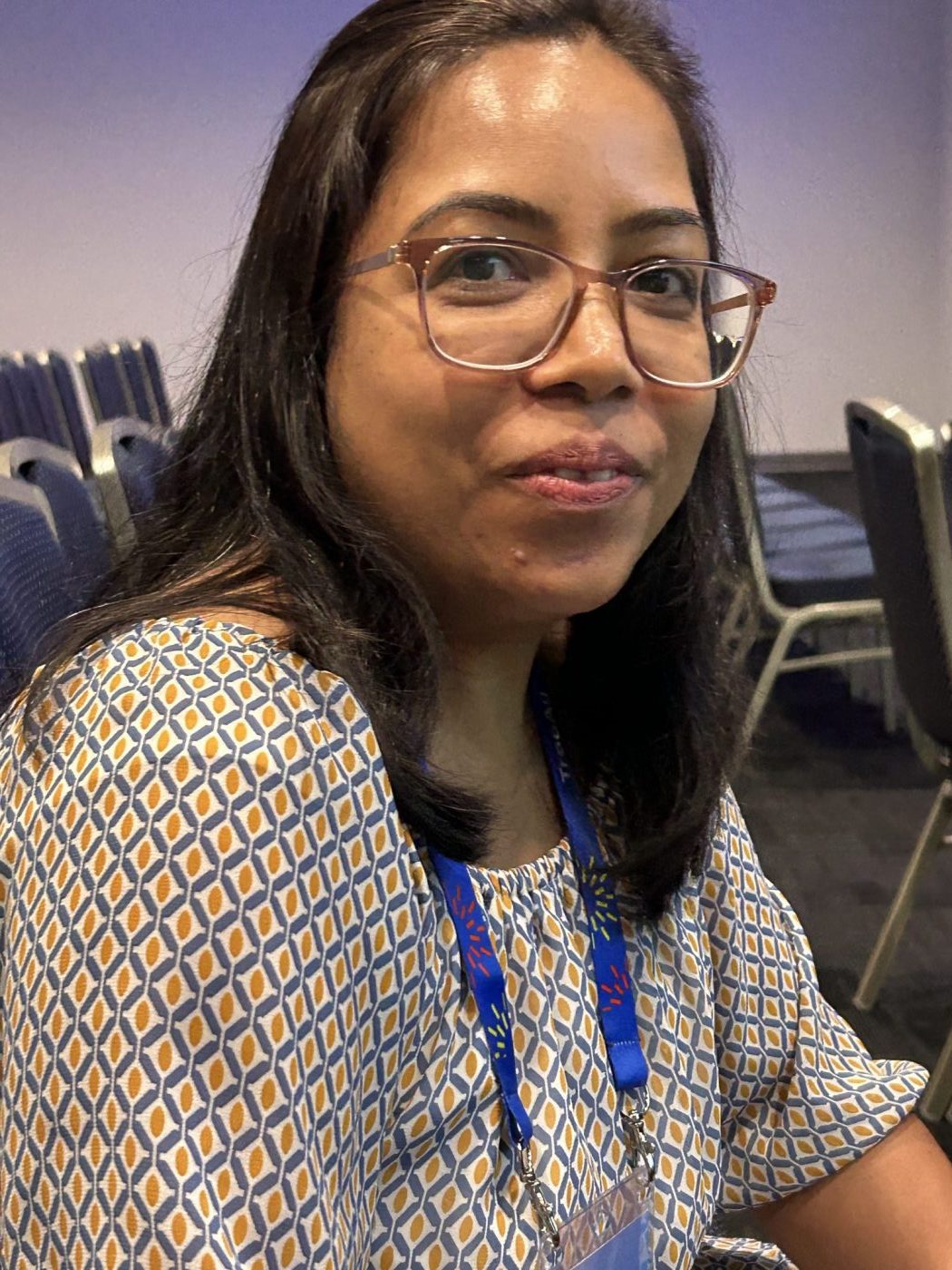 She reported that a lab-based comparison found cattle fed a sudan grass-based diet plus the banana-skin lick recorded lower methane and carbon emissions compared with results from animals fed straight sudan grass.
Her preliminary research findings indicated that the banana-block animals would produce 29.4 mL/g methane compared with to 12.2 mL/g for the sudan grass-fed animals, while the carbon dioxide differential was 36.4 mL/g compared with 119.2 mL/g.
“Previous studies have identified bioactive compounds, like tannins in banana peels, which may reduce methane emissions in ruminants,” she said.
Her research also examined the nutritional quality of the banana-based feed block. It measured crude protein content of 3.4pc, neutral detergent fibre 5pc, acid detergent fibre 2.8pc, water-soluble carbohydrates 6.3pc, ash 55.6pc and ether extract 0.7pc. It has DM digestibility of 46.7pc and ME of 6.4MJ/kg DM.
James Cook University’s Dr Talukder led a team including Chris Gardiner, Joseph O’Reagain and Professor John Cavalieri.
Bull breeding: The case for a tropical bull fertility index
Breed-adjusted genomic relationship mapping leads to more accurate genomic predictions for tropical bulls, and will also benefit female fertility traits, according to CSIRO geneticist Dr Toni Reverter (pictured below).
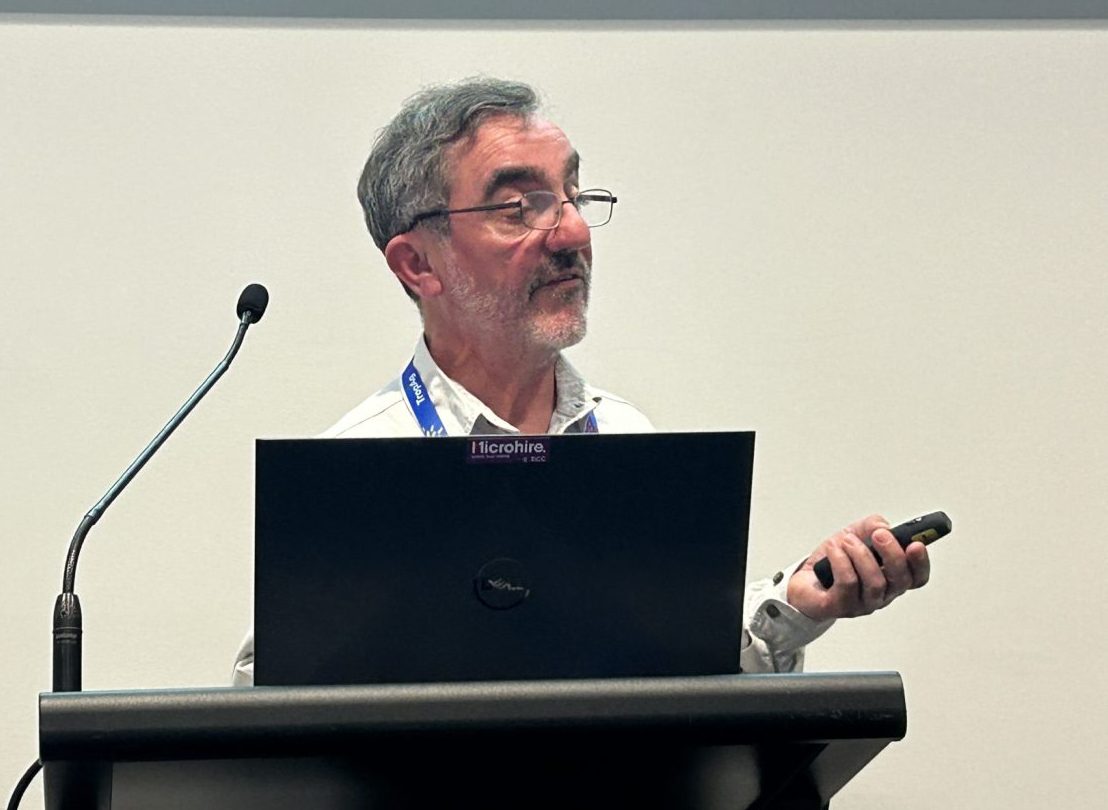 He argued the case for a tropical bull fertility index to integrate improved genomic tracking into a single selection tool.
His research adjusting for breed-specific allele frequencies was undertaken across 1051 Brahman, 929 Santa Gertrudis and 844 UltraBlack bulls.
He said his work highlighted the importance of adopting sustainable bull breeding practices in beef cattle operations.
His research was supposed by Dr Pamela Alexandre, Associate Professor Marina Fortes and Dr Laercio Porto-neto.
Butcher knows best
Kilcoy Global Foods is helping a Queensland engineer trial a new robotic cutting arm that works by feel rather than vision.
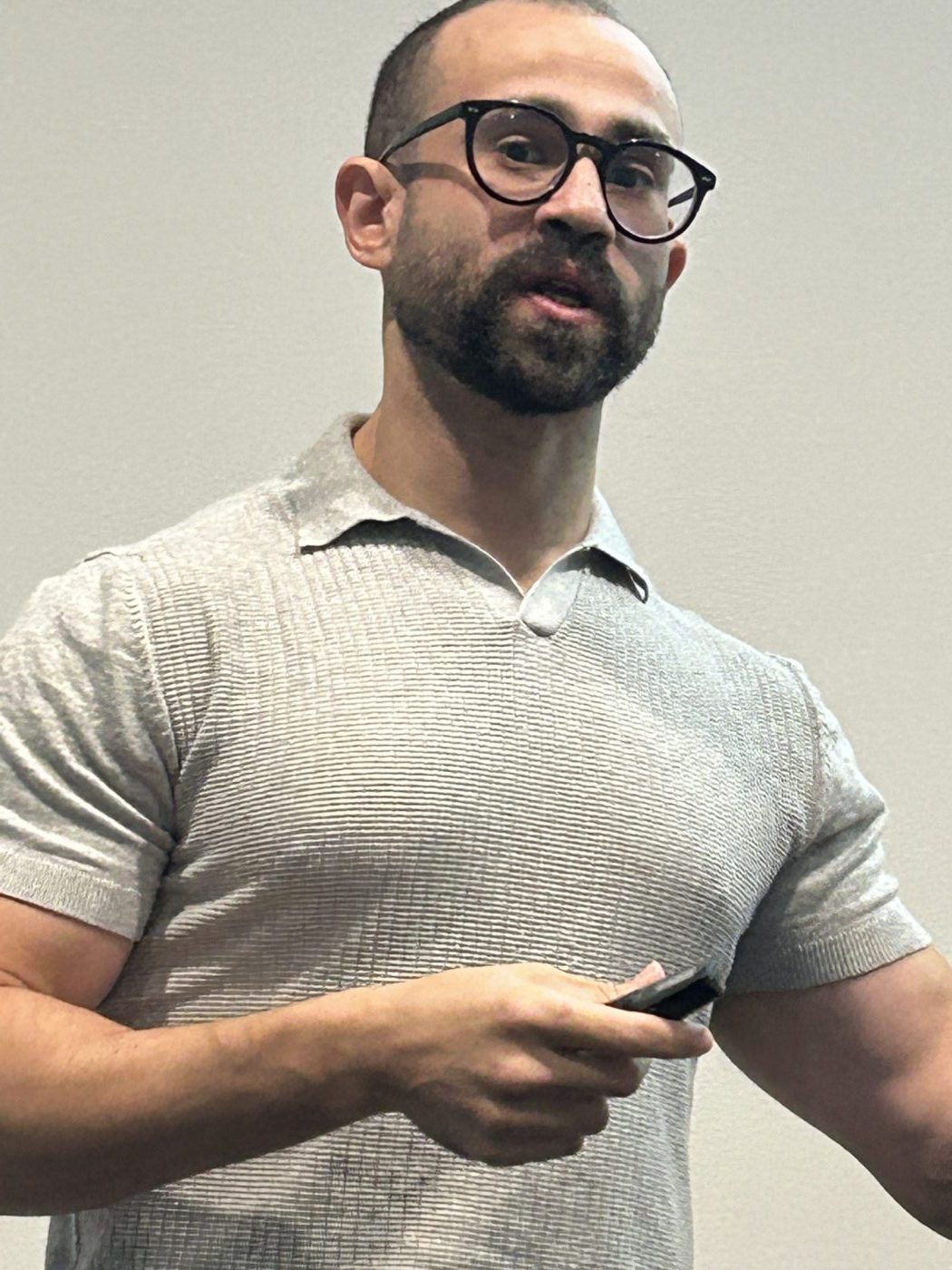 University of Southern Queensland Robotics engineer Dr Basem Aly has automated a robotic cutting arm to detect the texture and density of meat.
He said the concept copies the actions of butchers who see a seam in the meat and then follow the seam through by touch, as they cut.
“This research project aims to develop a robotic system that utilises tactile feedback to guide cutting trajectories in real-time, enabling accurate and repeatable cuts that mimic the adaptability and skill of meat operators,” he said.
The robotic arm senses the texture and density of the meat, he said – just as a human does.
“This technology allows us to sense beneath the blind spots of the meat,” Dr Aly said. “The different tissues – such as meat, fat, and bone – all feel different, and so it’s similar to what we do as humans while we’re cutting.”
Beef with bounce
The digestive capabilities of wallabies and kangaroos could offer cattle a path to lower methane emissions, according to Alexandra Tabrett (pictured below).
The young researcher making her first public presentation of her work explained her research – transferring bacteria from macropods (the family that includes wallabies and kangaroos) into cattle rumen to see if they could lower methane levels.
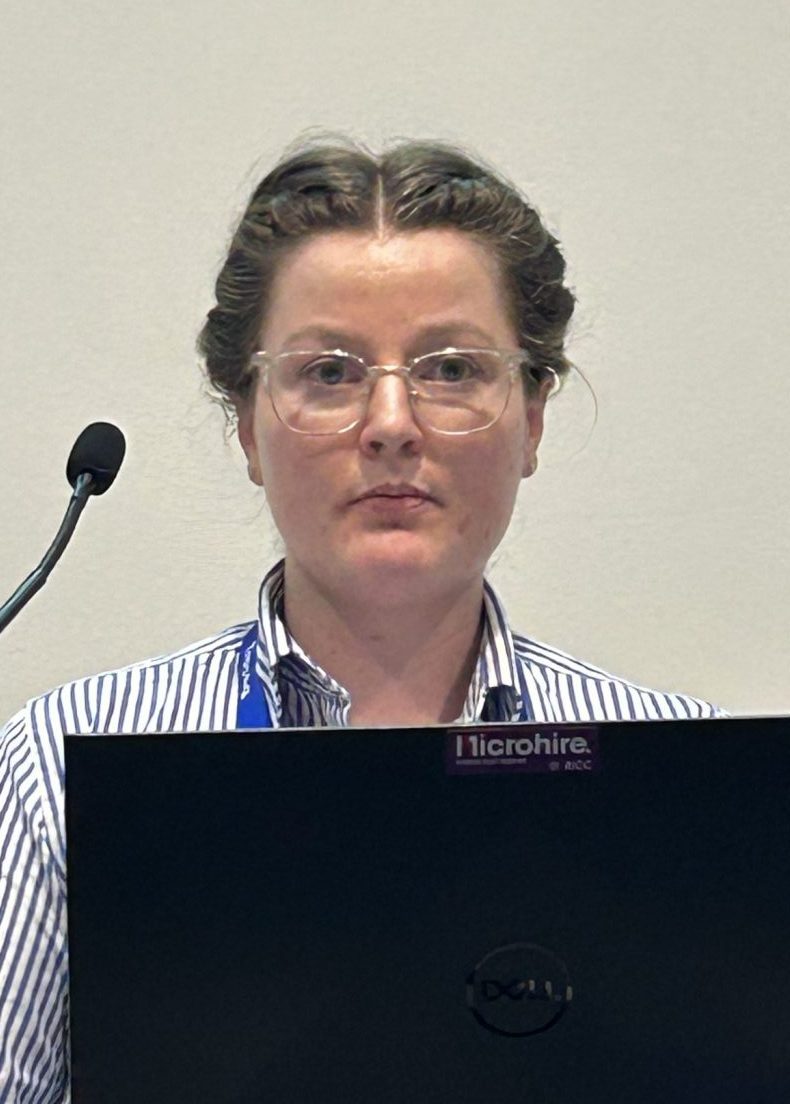 The native wallabies use microbial fermentation to digest otherwise indigestible carbohydrates and nitrogen, similar to ruminants, while producing just one-fifth the amount of methane per unit of digestible energy, she said.
“By identifying hydrogen-utilising microbes with potential to efficiently redirect hydrogen towards beneficial fermentation byproducts, the efficiency of Australia’s cattle industry can be improved whilst also mitigating methane emission,” she said.
Her research isolated two microbes isolated from the rumen of kangaroos; pathogens that scavenge hydrogen from the digested materials and redirect it to boost animal growth.
Her lab-based research found the candidate bacteria initially curbed methane production but failed to establish themselves long-term in the rumen material.
Assisting her research were Jenny Gravel, Anita Maguire, Fiona Soulsby, Robert Bell, Athol Klieve, Rosalind Gilbert and Diane Ouwerkerk.
Beef bounceback
A poster display at the conference examined what was the best culling strategy for herd rebuilding, post-drought.
The poster by CSIRO’s Thomas Keogh looked at cattle traits that enabled faster herd rebuilding for a simulated farm near Albury destocked by 50pc during a drought.
The research compared two retained herds; one comprising cattle chosen at random and the other animals selected for improved condition score, faster growth and increased fertility.
The second herd rebuilt more quickly by increasing the number of calves weaned per cow joined and reducing the number of dry cows sold.
“The most rapid herd rebuild was achieved by selecting for cattle in better condition due to their increased potential intake. This strategy had the greatest increase in the number of calves conceived,” Thomas said.
He is an early career research fellow working on a project funded by the Australian Government‘s Future Drought Fund called ’Decide and Thrive’. This project aims to find selection strategies that will be better prepare farmers for drought.
Other researchers involved in the work were James Dougherty, Adam Liedloff, Dr Dean Thomas and Dr Sabine Schmoelzl.