
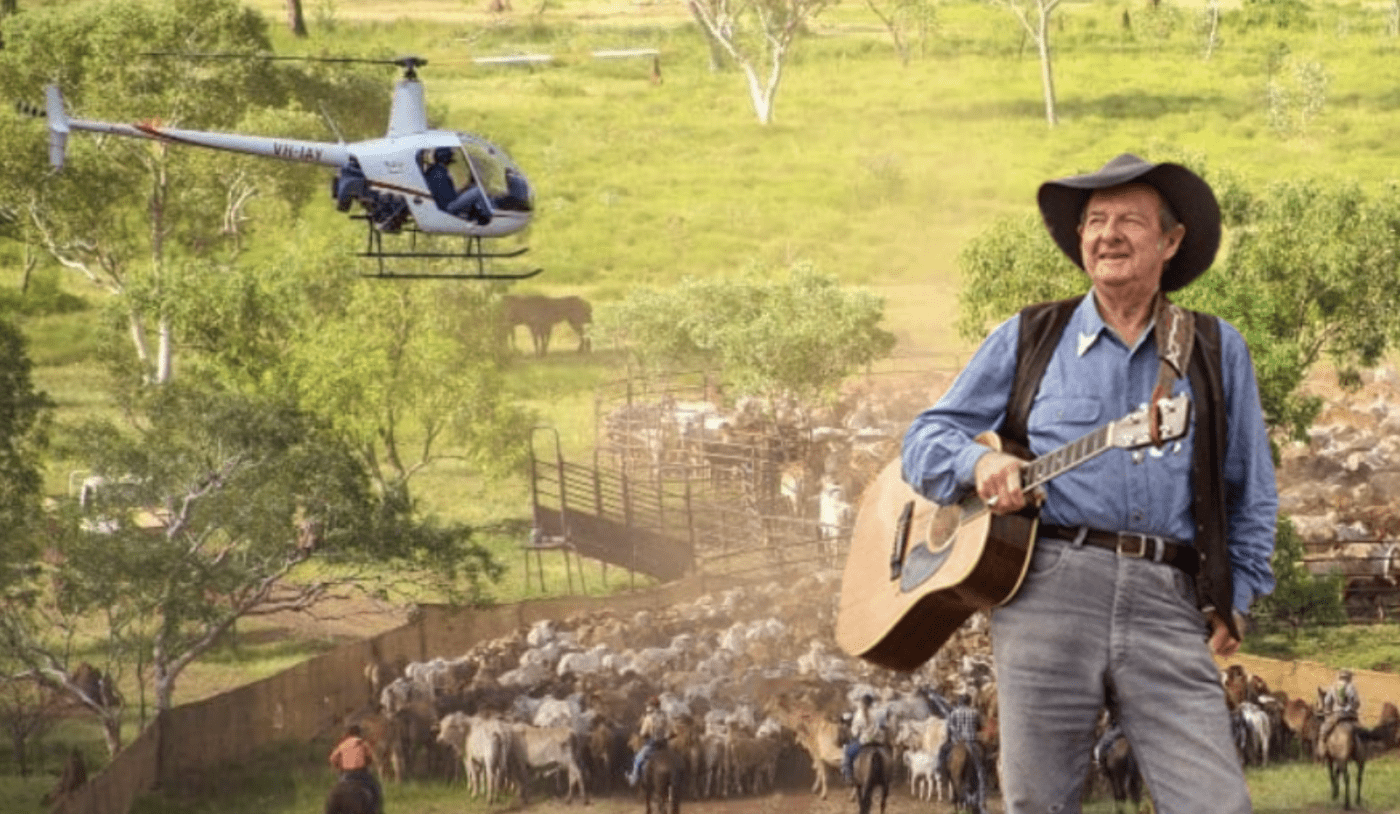
THE late great Slim Dusty holds the crown as Australia’s most prolific record producer, with more than 100 albums to his name.
In 2025 the Australian beef industry is starting to give even Slim a run for his money, producing new records every month.
That trend continued today with the release of the latest Australian Bureau of Statistics beef production figures this morning, which confirmed all-time highs for slaughter numbers, beef production and the value of cattle sold to processors.
In the September 2025 quarter Australia processed 2.475 million head of cattle, the highest quarterly kill in 47 years and slightly above the peak drought-driven turnoff of September 2014.
To find a quarter when more cattle went over the hooks, you have to go back almost half a century to 1978, when national slaughter reached around 2.7 million head.
The large slaughter volume for the quarter translated into record beef production of 759,270 tonnes, another all-time high.
That result is up from 717,000 tonnes in the June 2025 quarter, which was itself the first time quarterly beef production had ever cracked 700,000t.
The September figure is about 6 percent higher than June, underlining how hard the industry is now running.
On the value side, the ABS data shows that producers took home about $5.5 billion in the quarter for cattle sold to processors, also an all-time record.
Producers in Queensland, New South Wales and Victoria each collectively received more than $1 billion for cattle sold to processors during the quarter, another first. The Sunshine State was the largest with $2.4 billion in returns to producers.
“All in all, it’s just a quarter of records,” MLA’s market information manager Stephen Bignell said.
The latest data reflects the strength of global demand for beef, he said.
“I think the big takeaway is the prices are where they are, yet we’ve got record production, showing that demand is what is keeping the prices where they are.”
The ‘destock that doesn’t feel like one’
One number from today’s ABS report that raised some eyebrows was the female slaughter rate (FSR), which denotes the proportion of females in the total kill.
The September quarter FSR came in at 53 percent, which is down slightly from 54 percent the previous quarter.
But it remains well above the often-mentioned long-term ‘rebuild/destock’ threshold of 47pc.
On paper, anything above 47pc points to a herd destocking phase.
At around 53pc, the data suggests the current female turnoff rate is similar to 2014-15 when a heavy female turnoff occurred and the national herd fell sharply.
But this time, anecdotally at least, people on the ground aren’t convinced the data is telling the full story.
“Even with this high FSR it doesn’t feel like we’re in a destock, which is what we’re hearing on the ground,” MLA market information analyst Emiliano Diaz said.
Mr Bignell said one theory to explain the current situation is that as our herd has become more productive it needs less breeders to produce more kilograms of beef, so a higher female slaughter rate does not automatically translate into the same scale of herd decline as it once did.
He said export data for October has also come in “pretty high”, reinforcing expectations of a strong finish to the 2025 calendar year.
“There’s already a bit of cyclone activity on the radar in the north, and the Bureau of Meteorology outlook is sitting around average to above-average rainfall up there.
“On what we know now, there’s nothing obvious that would change things drastically before we see the full-year numbers.”
The next key piece of data will be the latest feedlot utilisation report due next week, with expectations of yet another chart-topper on the way.