
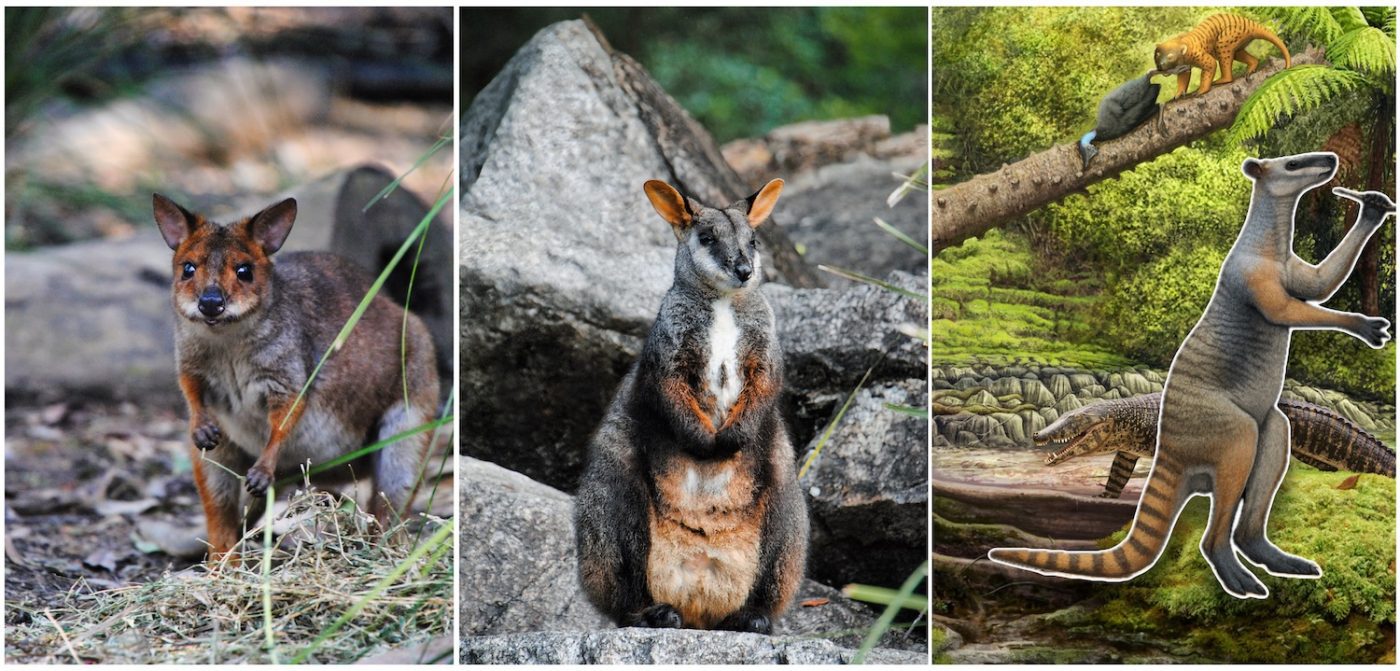
Groundbreaking research led by an international team of scientists, including Queensland Museum, has revealed how multiple species of ancient kangaroos once thrived together in central Queensland.
The study, published in the prestigious journal Quaternary Science Reviews, highlights how these kangaroos coexisted by dividing the landscape and food resources, rather than competing for survival.
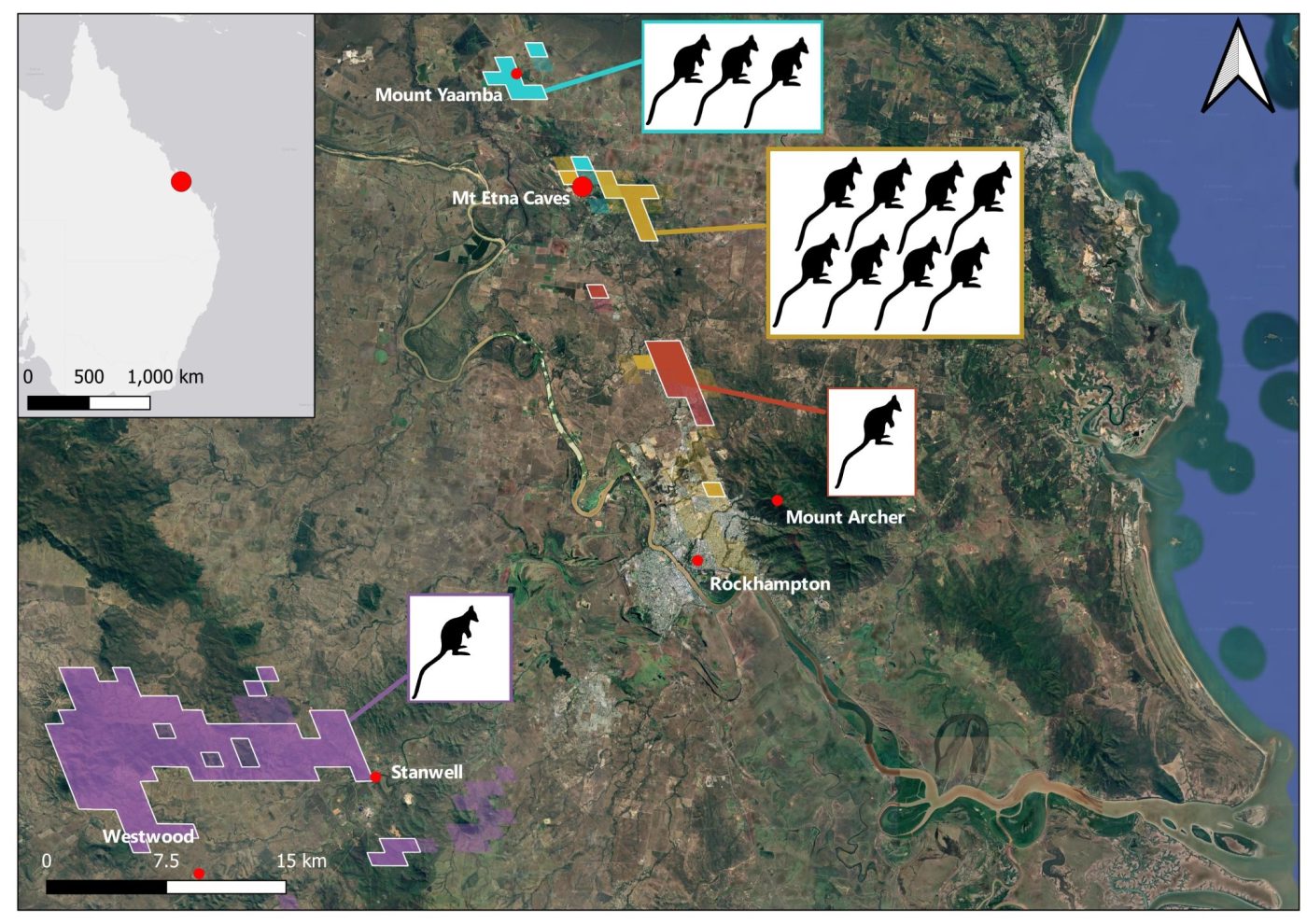
The research, which analysed fossilised kangaroo teeth from Mount Etna Caves near Rockhampton, dating back more than 300,000 years, offers an unprecedented glimpse into Queensland’s prehistoric rainforest ecosystems. By examining the chemical signatures preserved in the teeth, scientists were able to reconstruct the behaviours of ancient kangaroos, ranging from tiny pademelons to giant forest wallabies that grew as large as adult humans
This innovative approach revealed where these kangaroos lived and what they ate, offering new insights into how they adapted to their environment.
Co-author of the paper, Queensland Museum and CQ University palaeontologist Dr Scott Hocknull said the findings overturn long-standing assumptions about how ancient kangaroo communities functioned.
“For decades, we assumed that because these kangaroos were found together as fossils, they all must have lived side-by-side, something we don’t see today,” Dr Hocknull said.
“What this research shows is something far more sophisticated. Think of it like an ancient GPS tracker, which allows us to track individual animals from 300,000 years ago to understand where they lived and what they ate.”
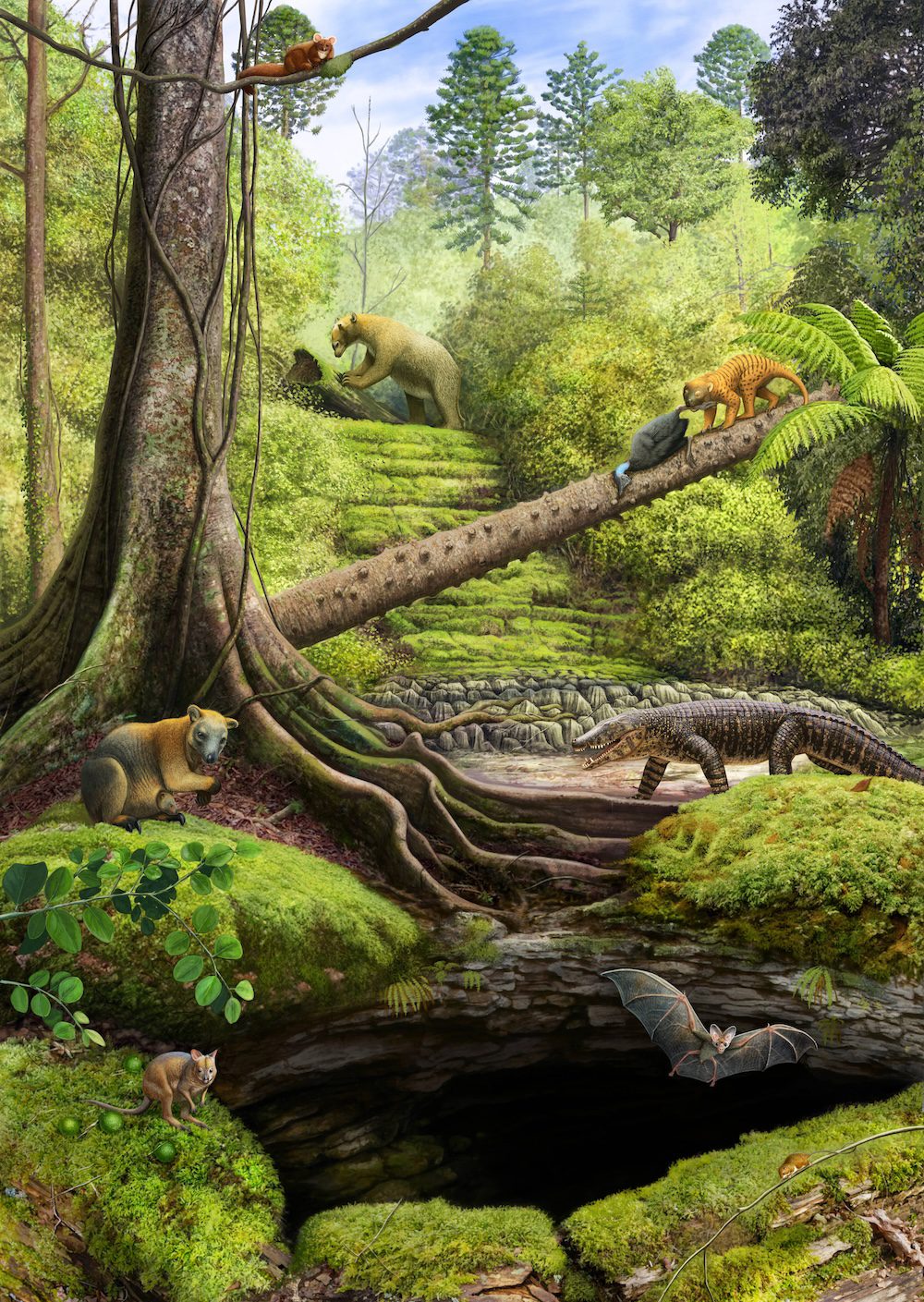
The study found that the different individual kangaroos were occupying slightly different habitats, and eating different plants around the caves.
Dietary evidence revealed some individuals fed mainly in forested environments, while others relied on grasses, highlighting a mosaic landscape of rainforest and open country around the caves in ancient central Queensland.
The study found that most of the kangaroos had small home ranges, including the largest megafauna kangaroos. This indicates that the plant communities around Mount Etna were able to support different plant-eaters (herbivores) at this time. But when the environment changed and food became scarce, those that couldn’t relocate suffered extinction.
Lead author Chris Laurikainen Gaete, PhD student at University of Wollongong, said the most surprising discovery were the habits of rock wallabies, that still survive at Mount Etna Caves today.
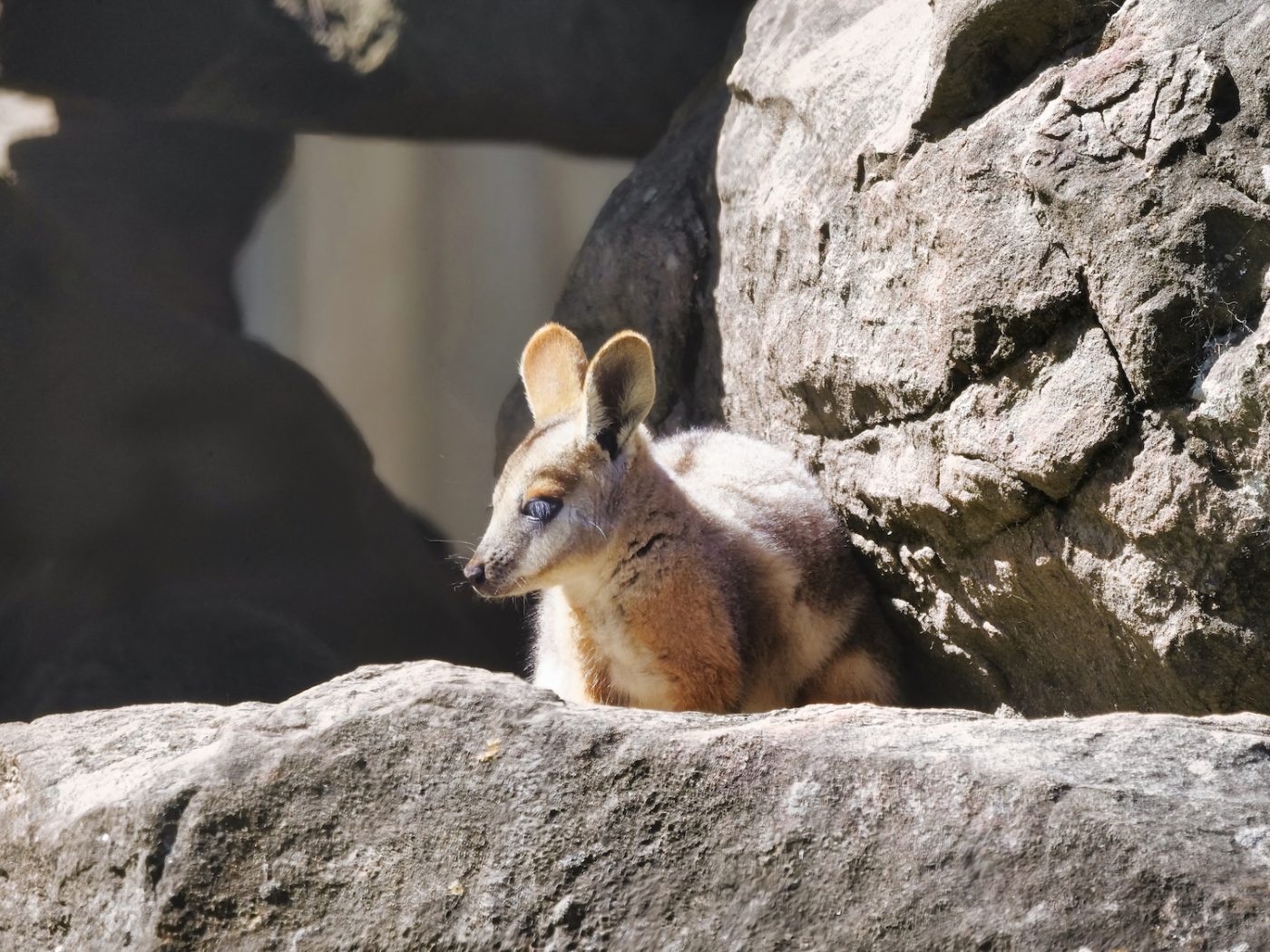
“We normally think of rock wallabies as homebodies, stuck to their caves and rock shelters. But our research shows that they can travel great distances, with one individual travelling at least 60 kilometres,” he said.
“Long-distance dispersal could play an important role in survival, maintaining gene flow for healthy, connected populations that can better respond to environmental change.”
Queensland Museum CEO Renai Grace said the research highlights the vital role of museum’s collections in advancing scientific understanding of Australia’s natural history.
“This work shows why long-term scientific inquiry matters,” Ms Grace said.
“Queensland Museum collections allow scientists to ask new questions of existing fossils in our collection, revealing how ecosystems responded to climate change in the past. This knowledge is critical as we work to protect Queensland’s biodiversity today.”
The research also delivers a new scientific tool – the first detailed strontium isotope map for central-eastern Queensland – which will support future studies of both fossil and modern wildlife.
Source: Queensland Museum. The paper was recently published in Quaternary Science Reviews and can be accessed here: https://www.sciencedirect.com/science/article/pii/S0277379125005517