
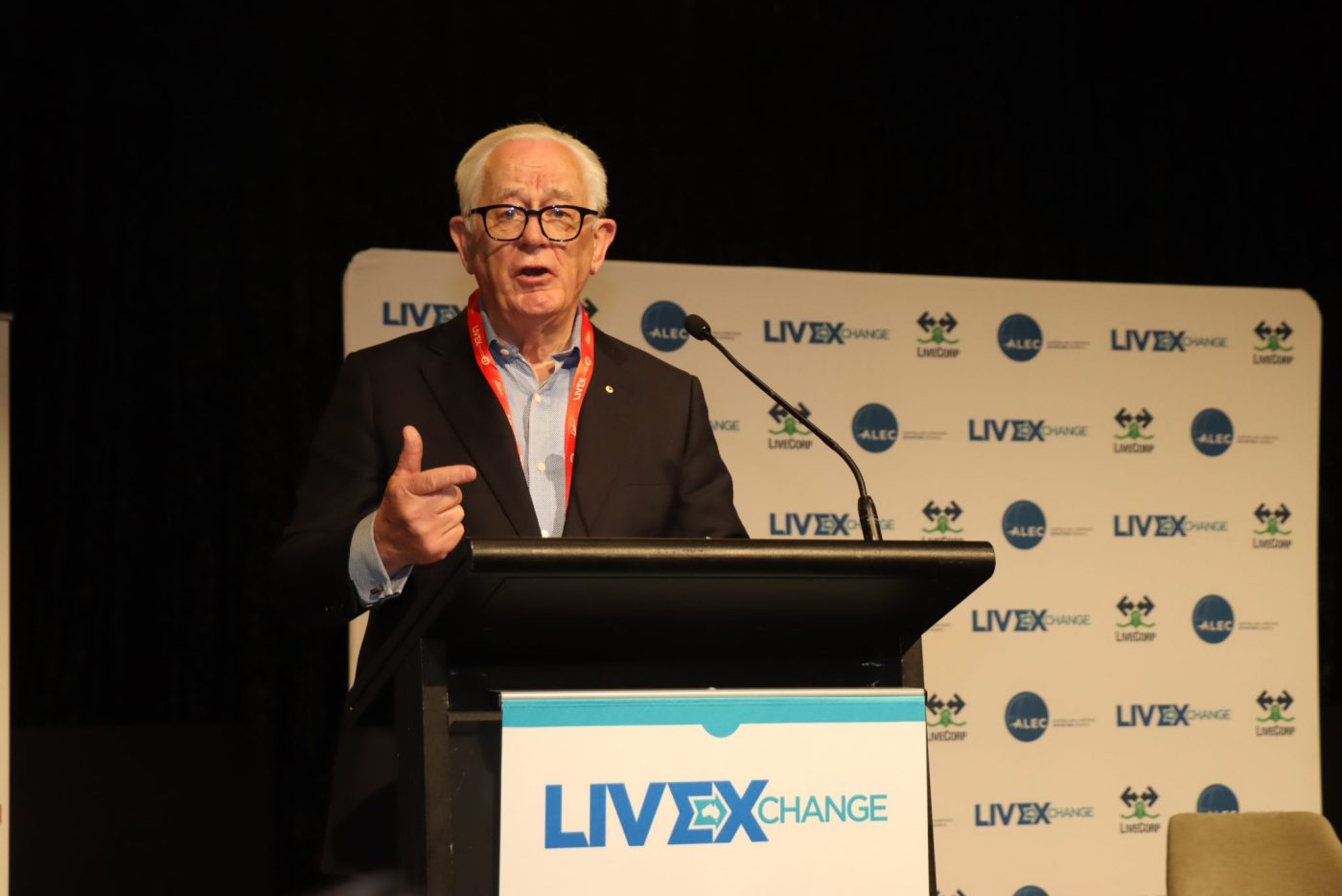
AMID a busy wheat harvest, second-round musters and a cyclone stalking Western Australia’s north, hundreds of livestock export industry stakeholders gathered in Perth this morning for the sector’s two-day LivexChange conference.
Key note speaker, former Federal Trade Minister Andrew Robb, speaking in the wake of the Albanese Government’s 2024 decision to legislate an end to live sheep exports from 2028, said the benefits of the trade were still widely misunderstood in Australia, and the consequences of the ban for Australia’s reputation, regional partnerships and agricultural economy would be “profound”.
“As an Australian, I’m most proud of this industry’s achievement in being the most influential and enduring shaper of positive views towards Australia in many countries, particularly in Asia and Middle East.
“You need to be very proud of that of that record, that achievement, it is widespread and it is profound.”
Mr Robb said the live trade was a pillar of Australia’s long-standing relationships with trading partners such as Indonesia, throughout South East Asia and the Middle East, but that for many Australians the geopolitical importance of the industry was not understood.
“This achievement has been grossly underrated, because for the vast majority of Australians who live in capital cities, what happens in regional Australia is remote and removed from their daily lives, and this is just as true for the 85 percent of politicians who, by definition, live in the capital cities.”
He said Australia had been able to maintain strong, trusted and respected relationships in volatile parts of the world because of the live sheep and cattle trade.
He described the ban as “a selfish, destructive act of opportunistic politics and an act of stupidity and self harm for Western Australia.”
Mr Robb said the industry had been transformed to the point that livestock now put on weight during sea voyages.
“I can tell you as a former animal health officer, stressed cattle do not put on weight.”
He criticised “the activist’s rancid raging about animal welfare issues,” adding: “They’ve got no idea, and they don’t want to listen, but they’re there, and they’re funded heavily from New York and London.
“They know they can have a field day here. This is what you’ll find. It’s not local, it’s global, and you’ve got to understand and you’ve got to do your best.”
Mr Robb also spoke emotionally about the Gillard Government’s 2011 suspension of cattle exports to Indonesia and the drawn-out class action that followed, seeking damages for the many parties affected by what a High Court judge later deemed an illegal decision.
Pointing out that he had friends who had taken their own lives as a result of that ban and its fallout, he said the damage had been done and people’s lives changed forever.
He said the industry could not “just be nice about” defending itself.
“You’ve got to get angry about it, because you should be angry because it’s sacrificing something of material benefit to all of you, but for all Australians, and they have to know about it, and they don’t know about it.”
By standing up and “making a nuisance of yourself”, he said the industry could help the public understand.
“Talk about the personal consequence for the people, not just how it affects you, but how it affects them.”
“You’ve got to understand what do you have achieved, and be proud of it.
“You have got to defend it, and you can grow.
“Because the region we’re in, over the next 30 years, I guarantee world growth will largely occur in Southeast Asia who are coming out of developing country status, and still China but also India. That is all in our region.
“It’s where we where we are best able to trade.
“This is a great industry. Don’t take anything for granted. The activists, they’re all still there and in fact, what has happened in WA has given them a great confidence that this is the thin edge of the wedge.
“Don’t forget it, and we’ve got to reverse this.”
LiveCorp chair Troy Setter, re-elected yesterday to a third three-year term, opened the conference by noting it was fitting the event was held in a casino.
“Any of us that are in agriculture certainly know that whether you’re producing the food or the fibre, trading, shipping, exporting, importing, working in government, it is a casino.
“You’ve got to back yourself, you’ve got to make a decision and get on with it.”
Mr Setter said the agricultural sector that underpins the live export trade manages “about 50 percent of Australia’s land mass” and noted strong opportunities emerging in Turkey, Iraq, the South Pacific and Indonesia. He said Saudi Arabia alone would import 10 million sheep next year.
“The growth in demand for global live export of animals, and the reduction in supply globally in markets is a really positive sign for Australian producers and exporters.”
While the legislated closure of live sheep exports was deeply disappointing, he said it remained important to acknowledge the significant positive impact the industry had delivered.
He said the sector continued to focus on “how we grow and strengthen the cattle trade”.
“The demand is there, and it’s up to us to embrace the opportunities to protect and promote our industry.
“If we take a defeatist attitude towards the cattle industry, we will be defeated.
“The opportunity to grow and strengthen our trade is there, but it’s up to us to lead it, and that’s all of us – it’s not just the producer, it’s not just the exporter, it’s not just the politicians, it’s not just the agent or the trucking company or the staff that work in our industry or our customers – It is all of us.”
Beef Central’s cameras captured some of the faces at today’s event. Keep an eye out for more coverage from the 2025 LivexChange Conference in coming days.
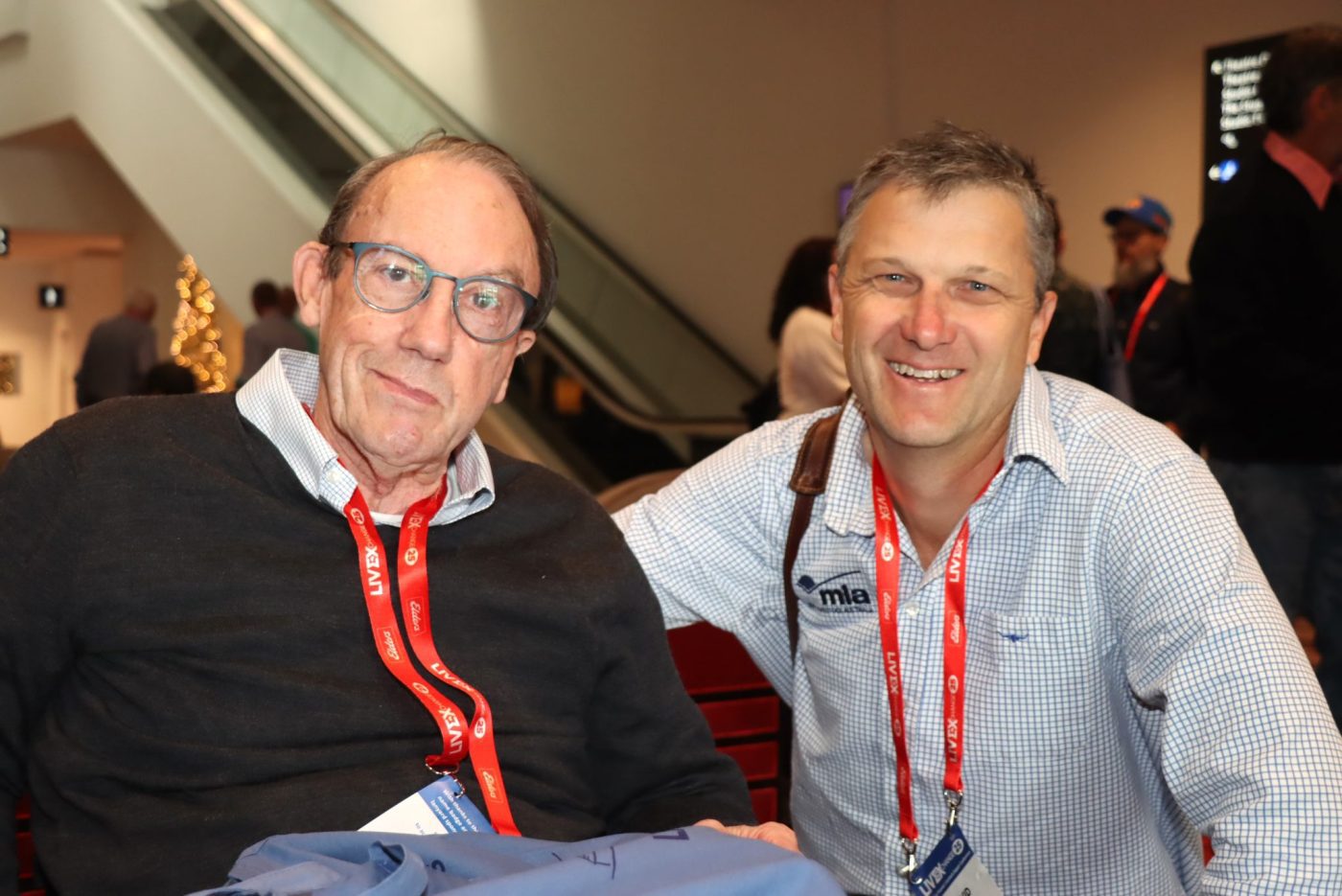
Peter Barnard and David Beatty
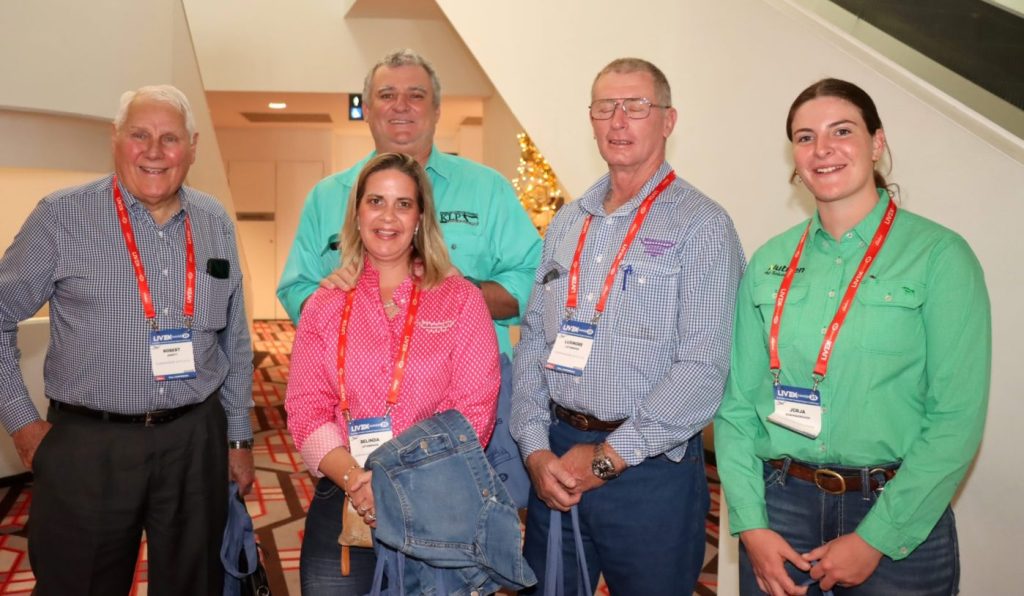
Rob Jowett, Andrew Stewart, Belinda Lethbridge, Lux Lethbridge and Jorja Downsborough.
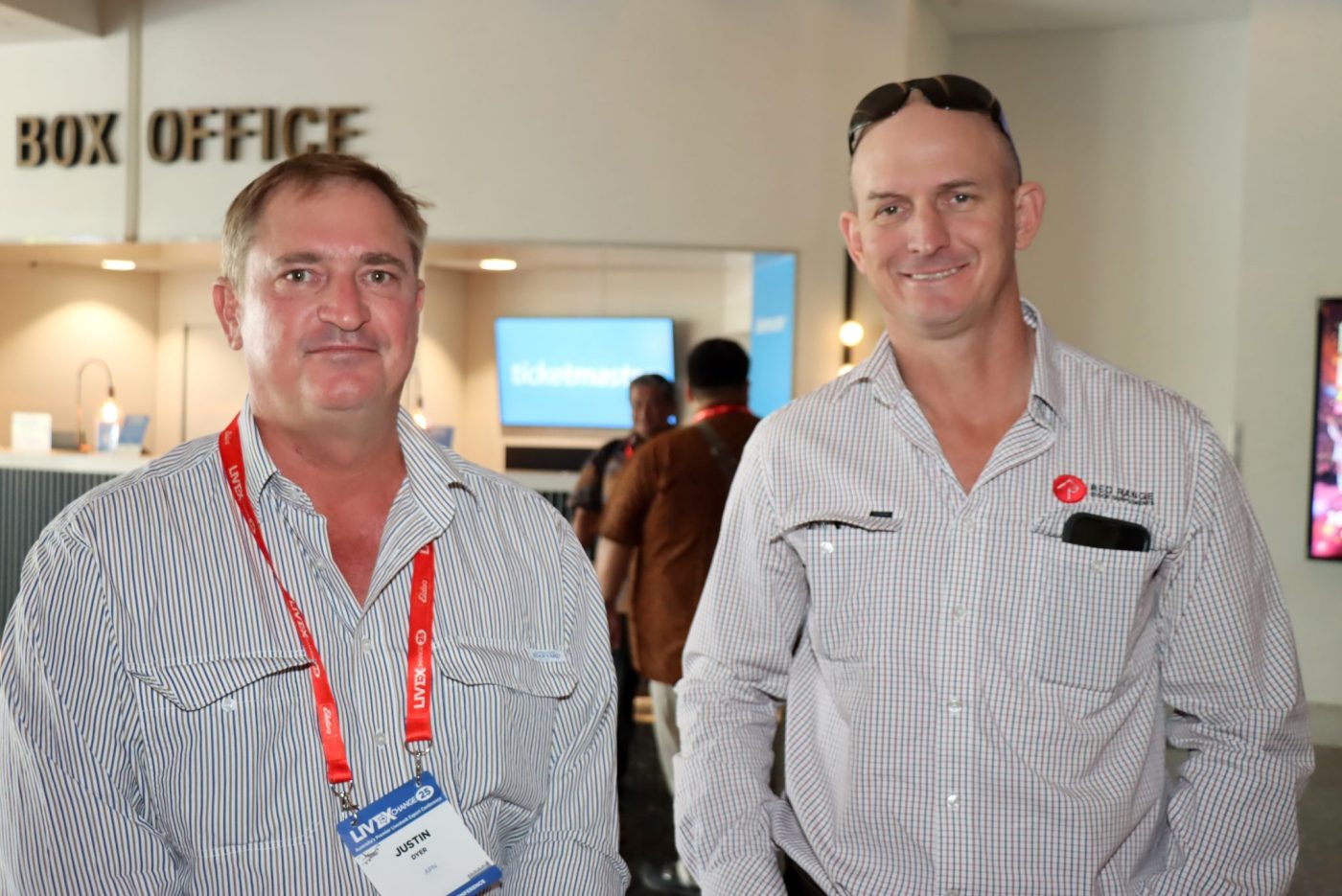
Justin Dyer and Russell Cooke
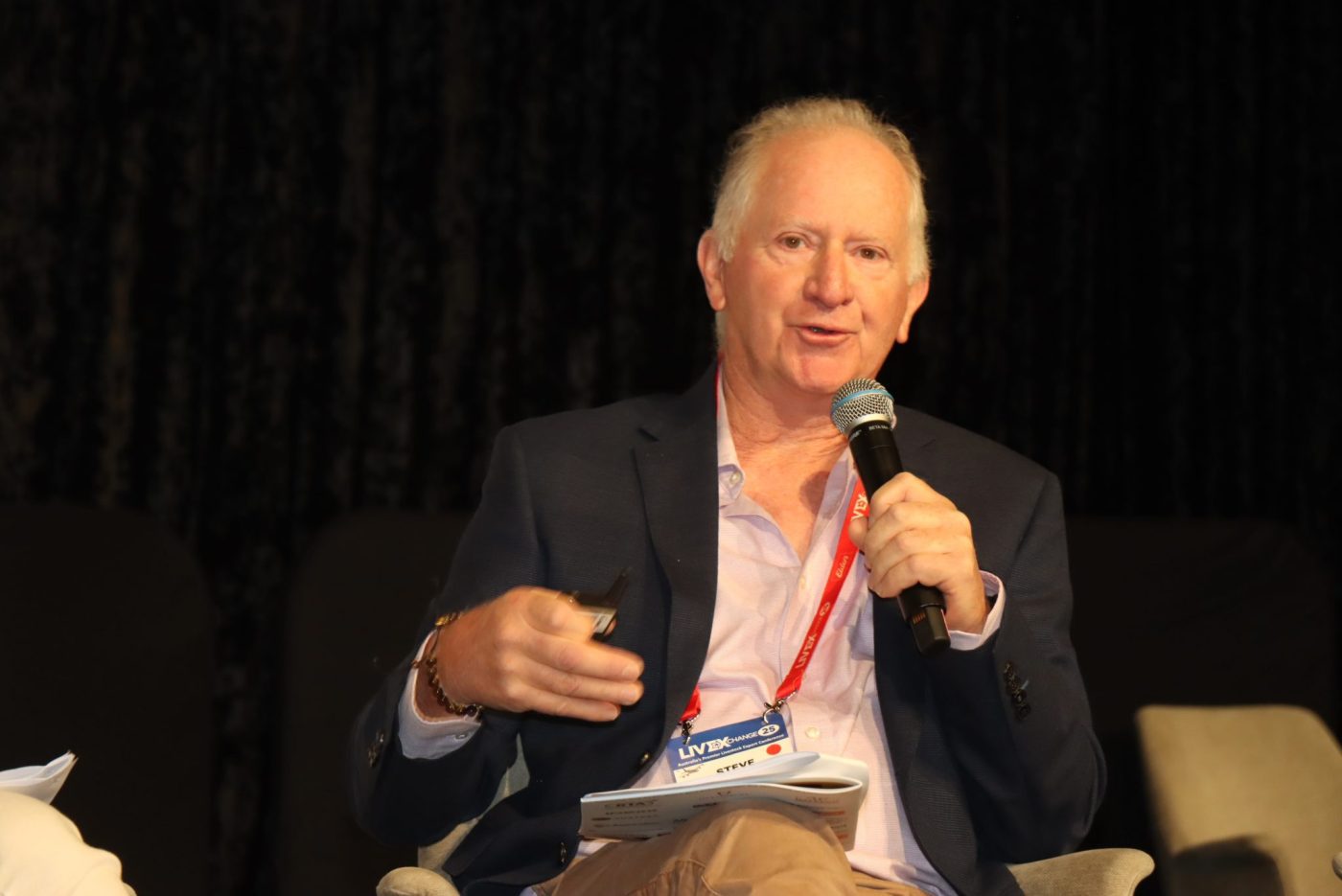
Steve Meerwald
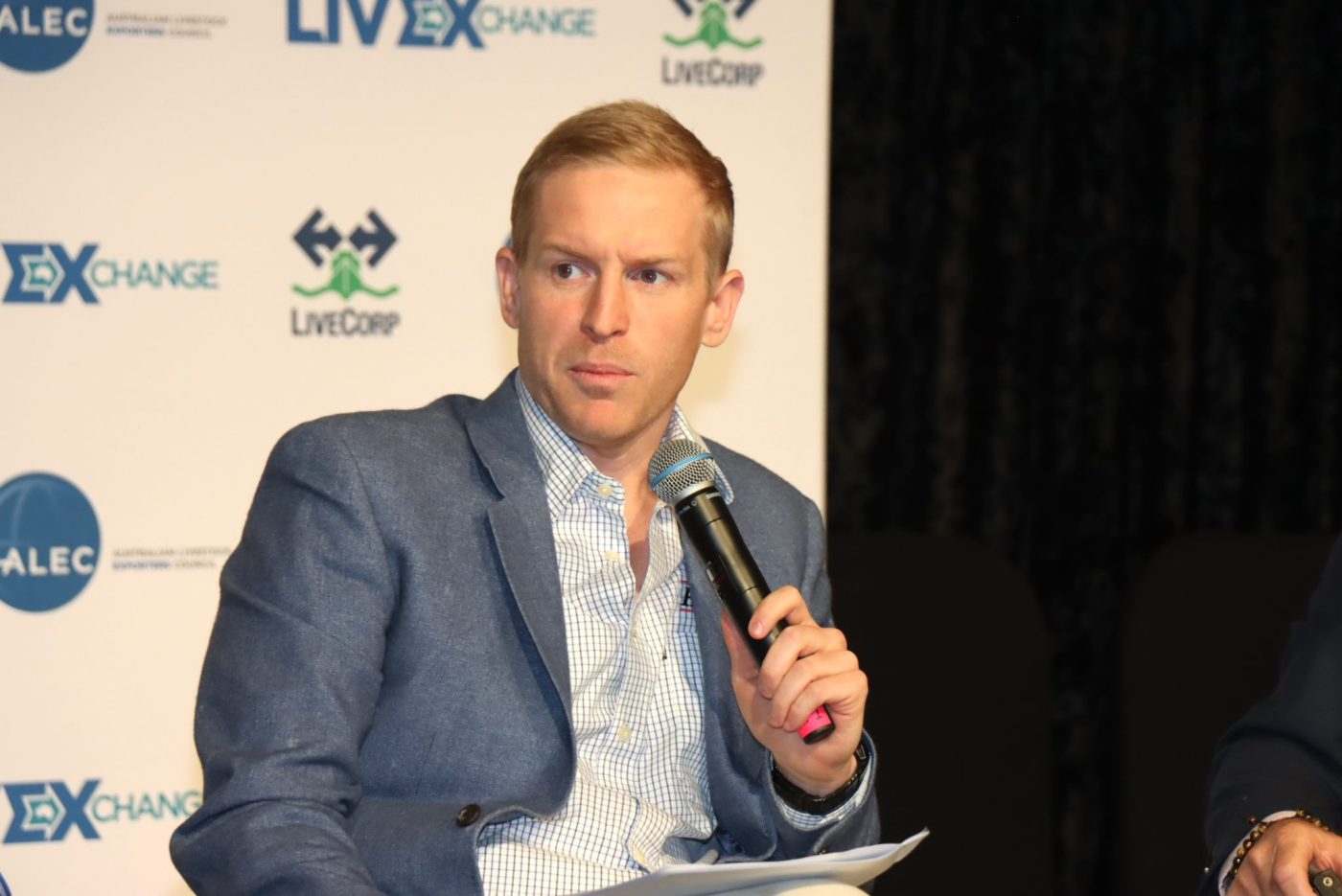
John Cunnington
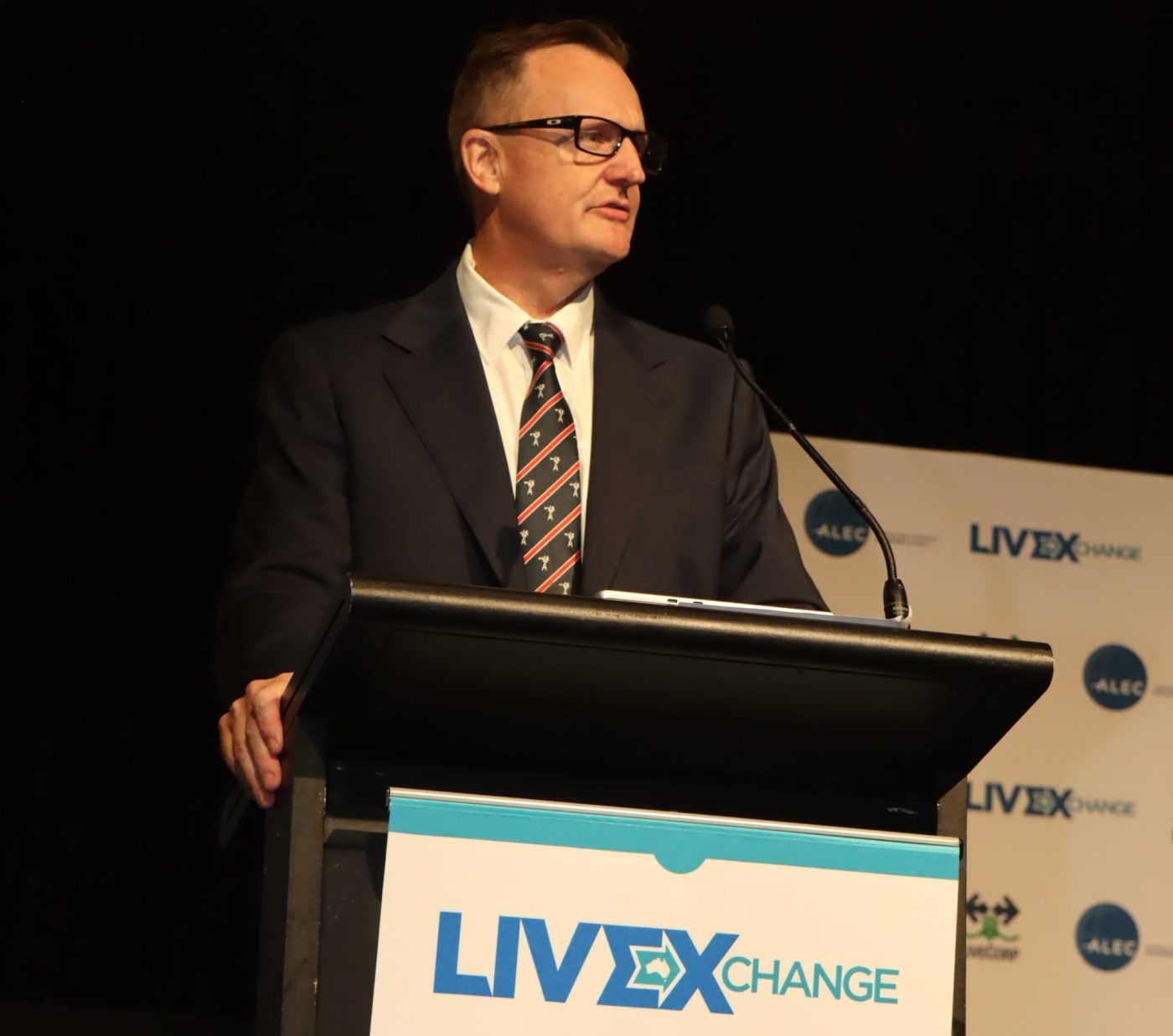
Troy Setter
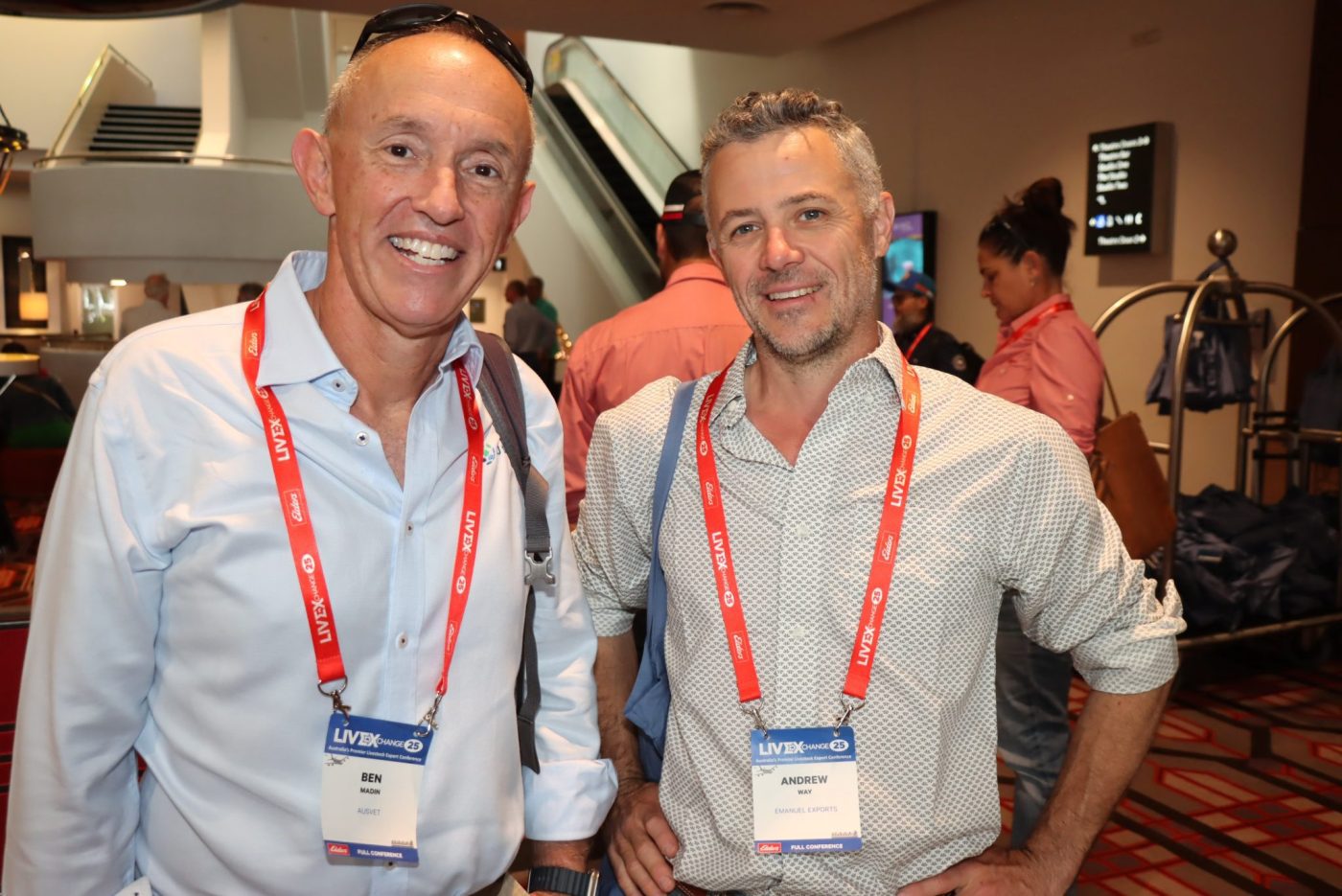
Ben Madin and Andrew Way
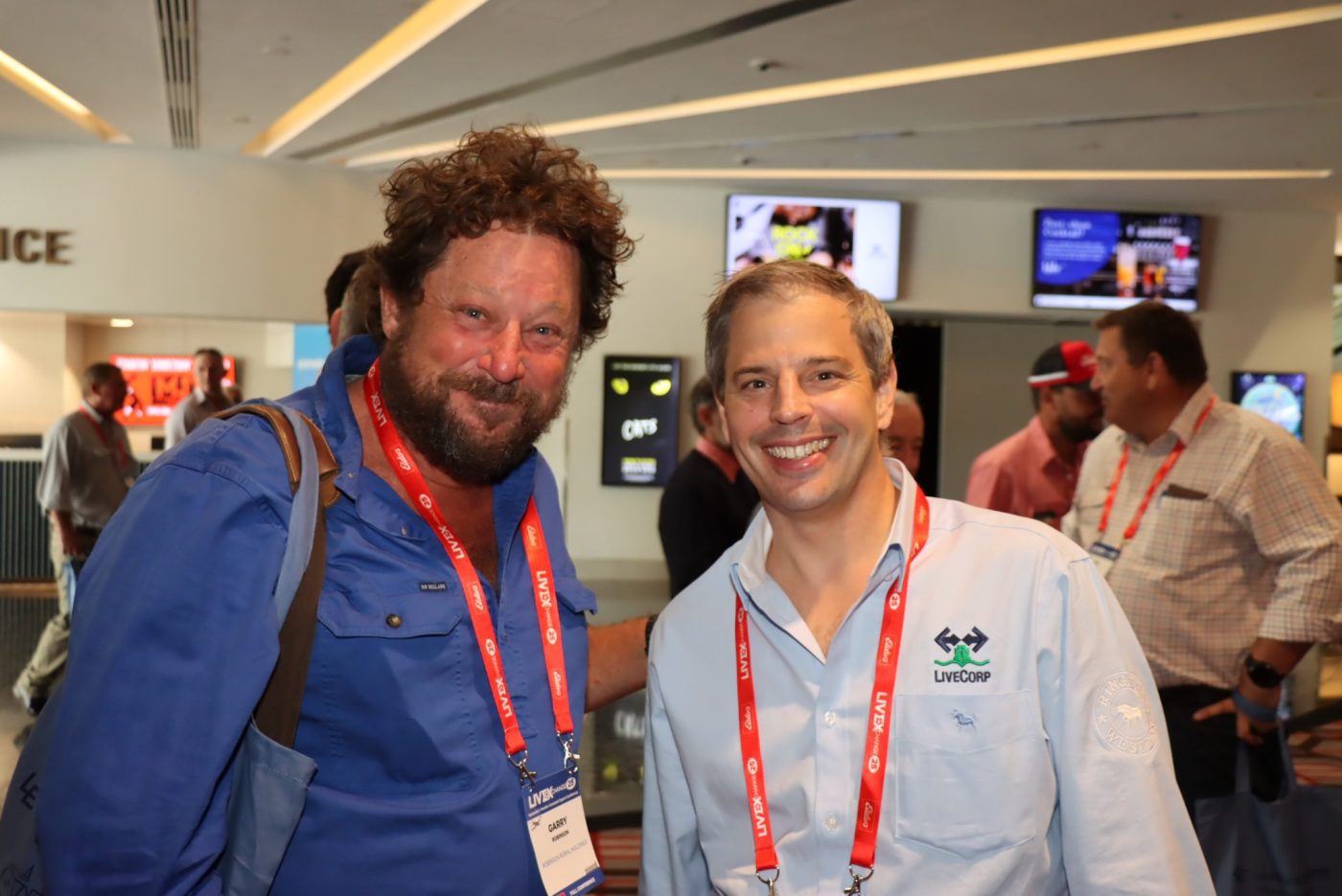
Garry Robinson and Wayne Collier
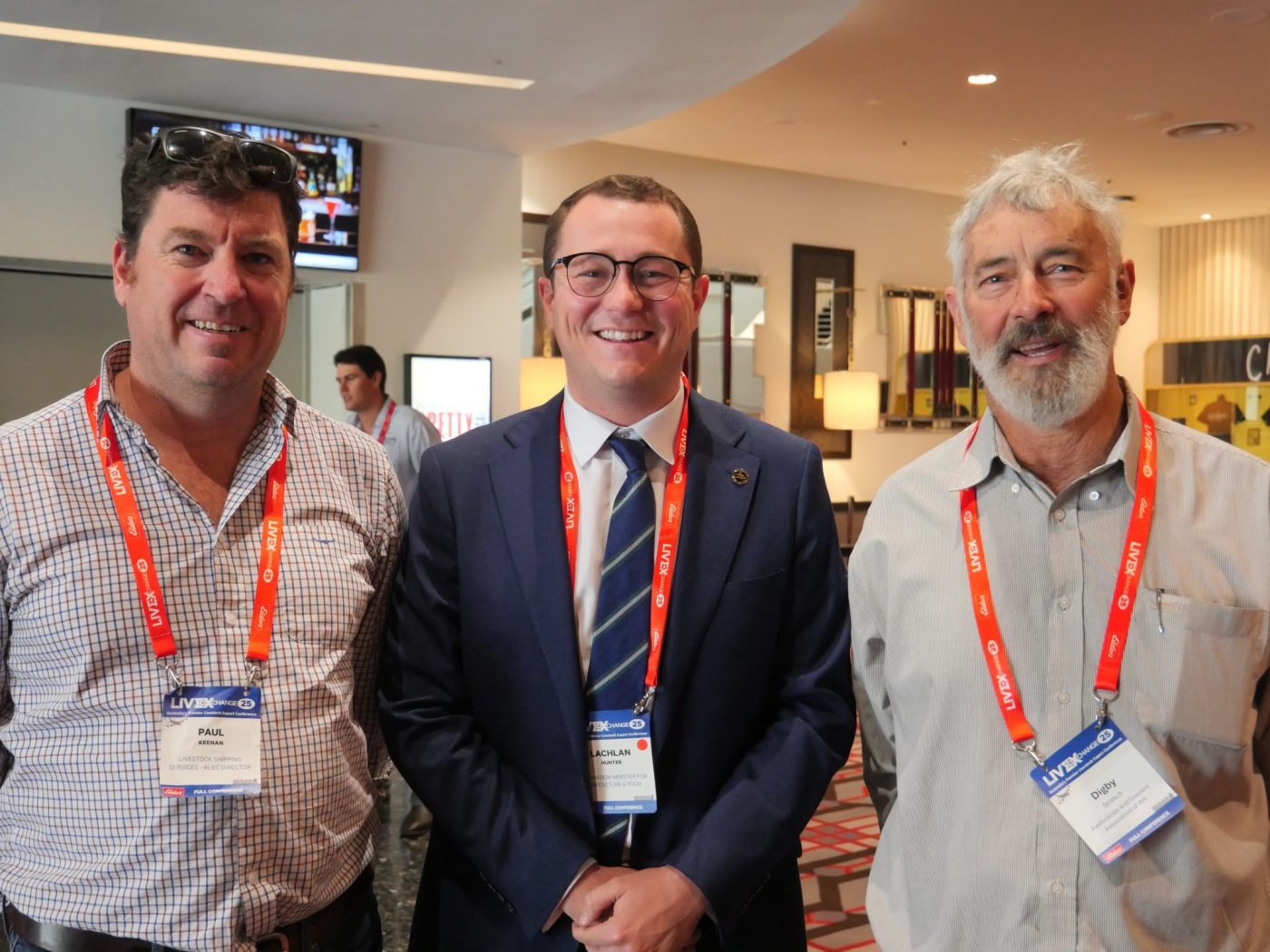
WA shadow agriculture minister Lachlan Hunter (middle) with Paul Keenan from ALEC and Livestock Shipping Services and Digby Stretch from Pastoralists and Graziers Association of WA.
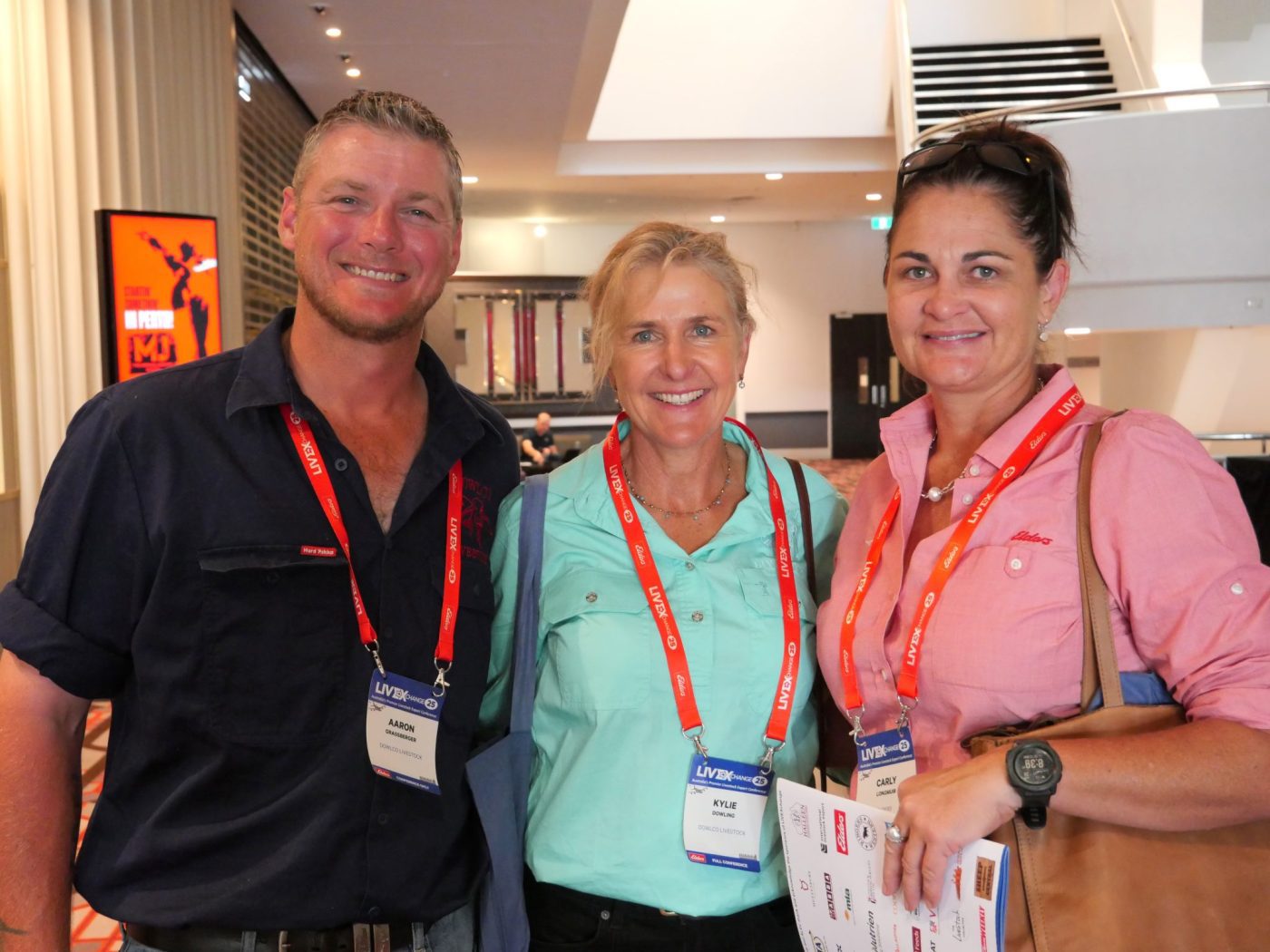
Aaron Grasberger and Kylie Dowling from Dowlco Livestock with Carly Longmuir from Elders.
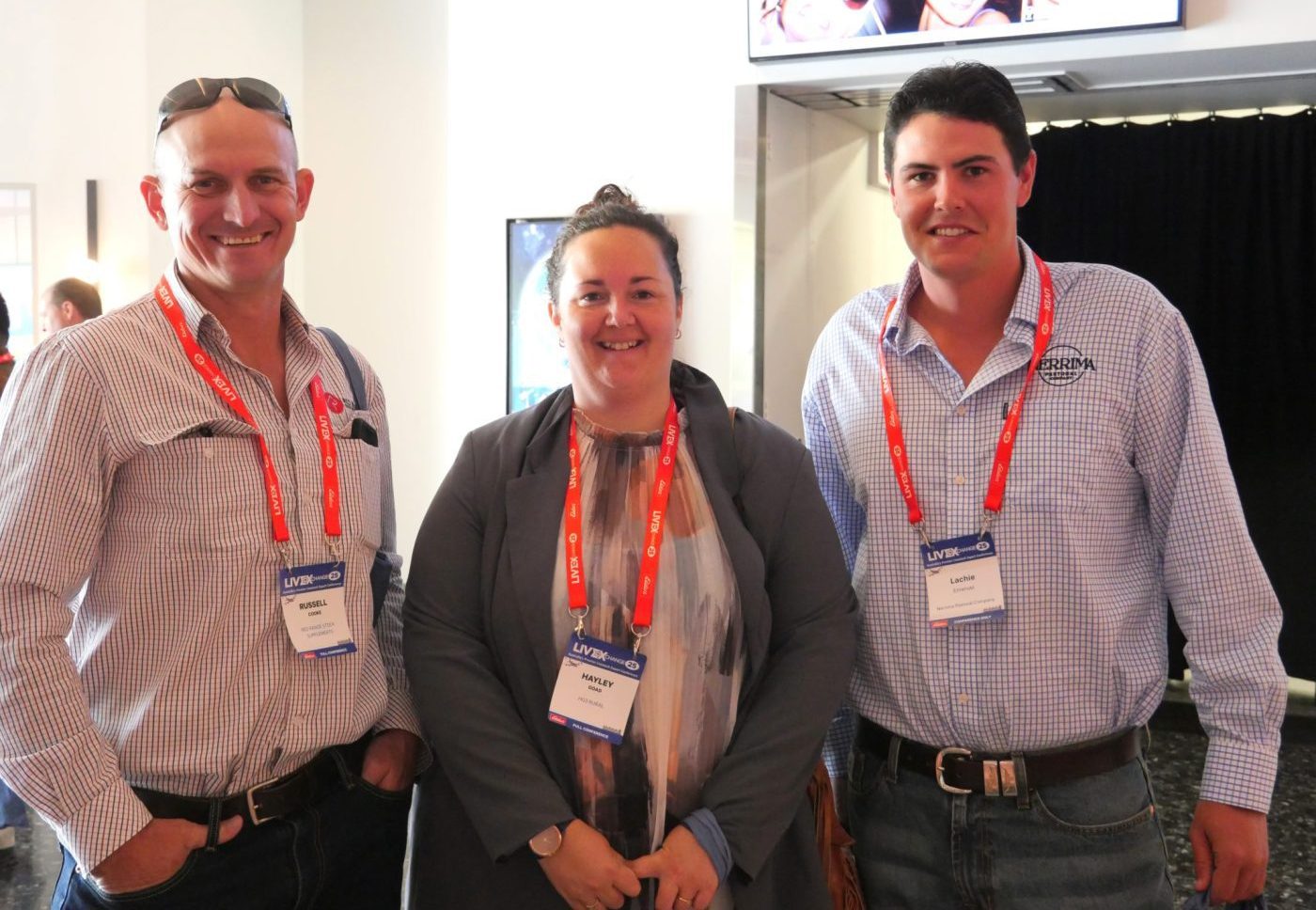
Russell Cooke from Red Range Stock Feeds in Kunnunurra, Hayley Goad from HG3 Rural and Lachie Emanuel from Nerrima Pastoral.
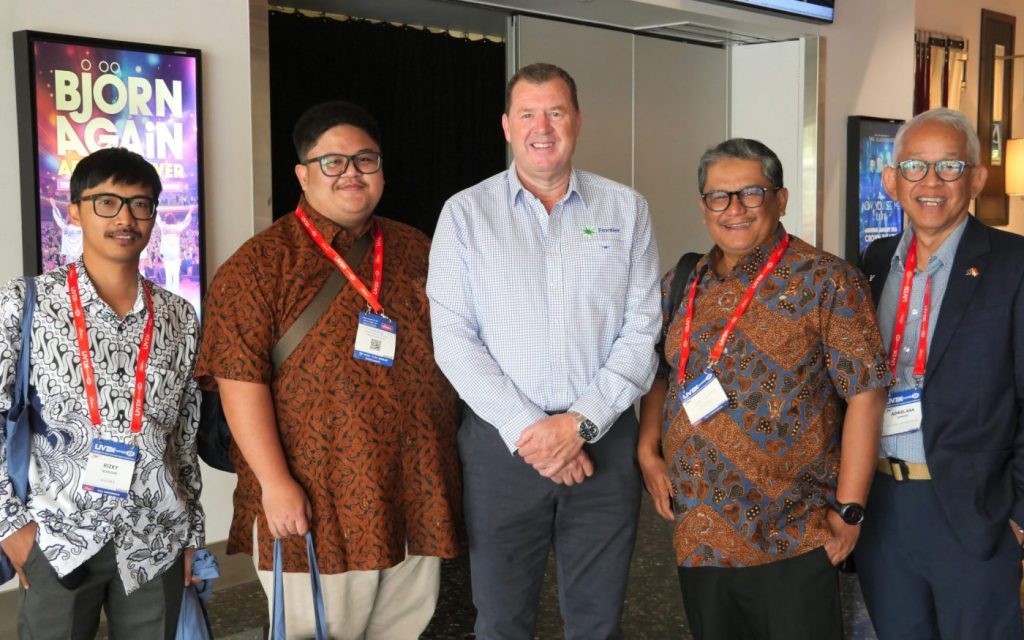
Tony Gooden from Frontier International (middle) with Rizky Nursidak, Handi Auila Nurrahmari and Yudi Guntara from Austrex and Dicky Adawoso from Consolidated Pastoral Company.
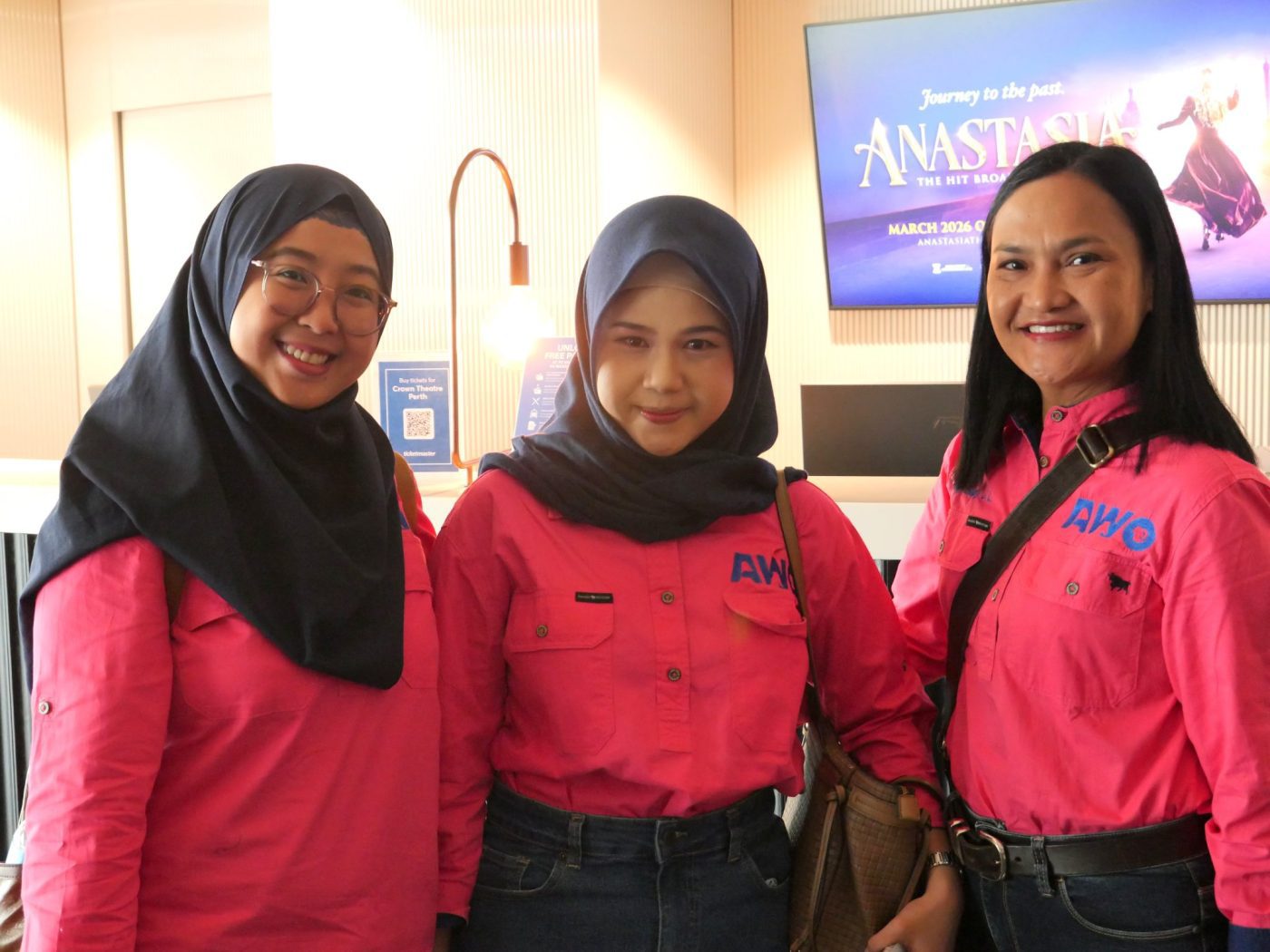
Niken, Cindy and Neny from the Animal Welfare Office in Indonesia.
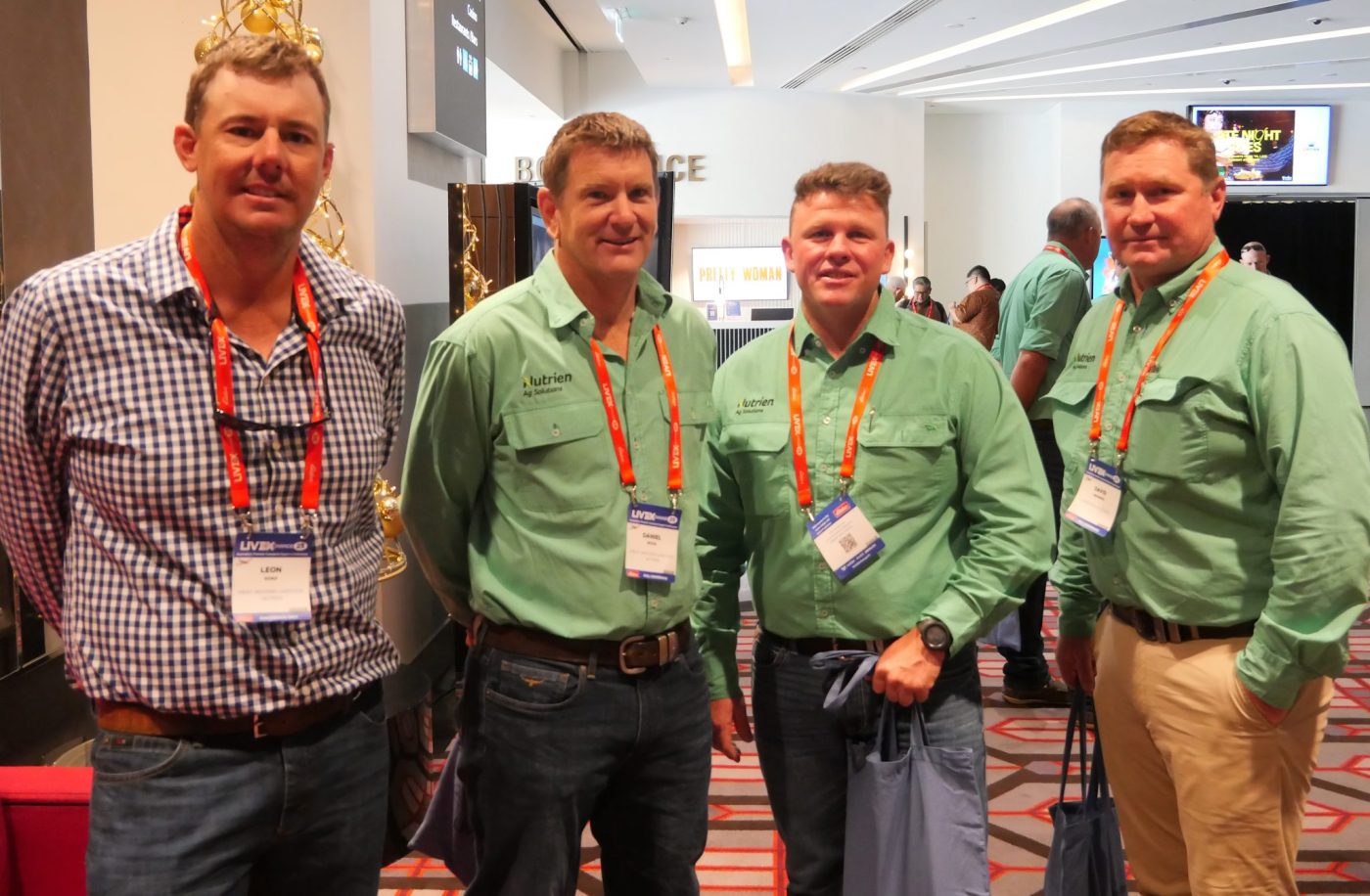
Leon Goad, Daniel Wood, Colby Ede and David Lindberg from Nurtien.