
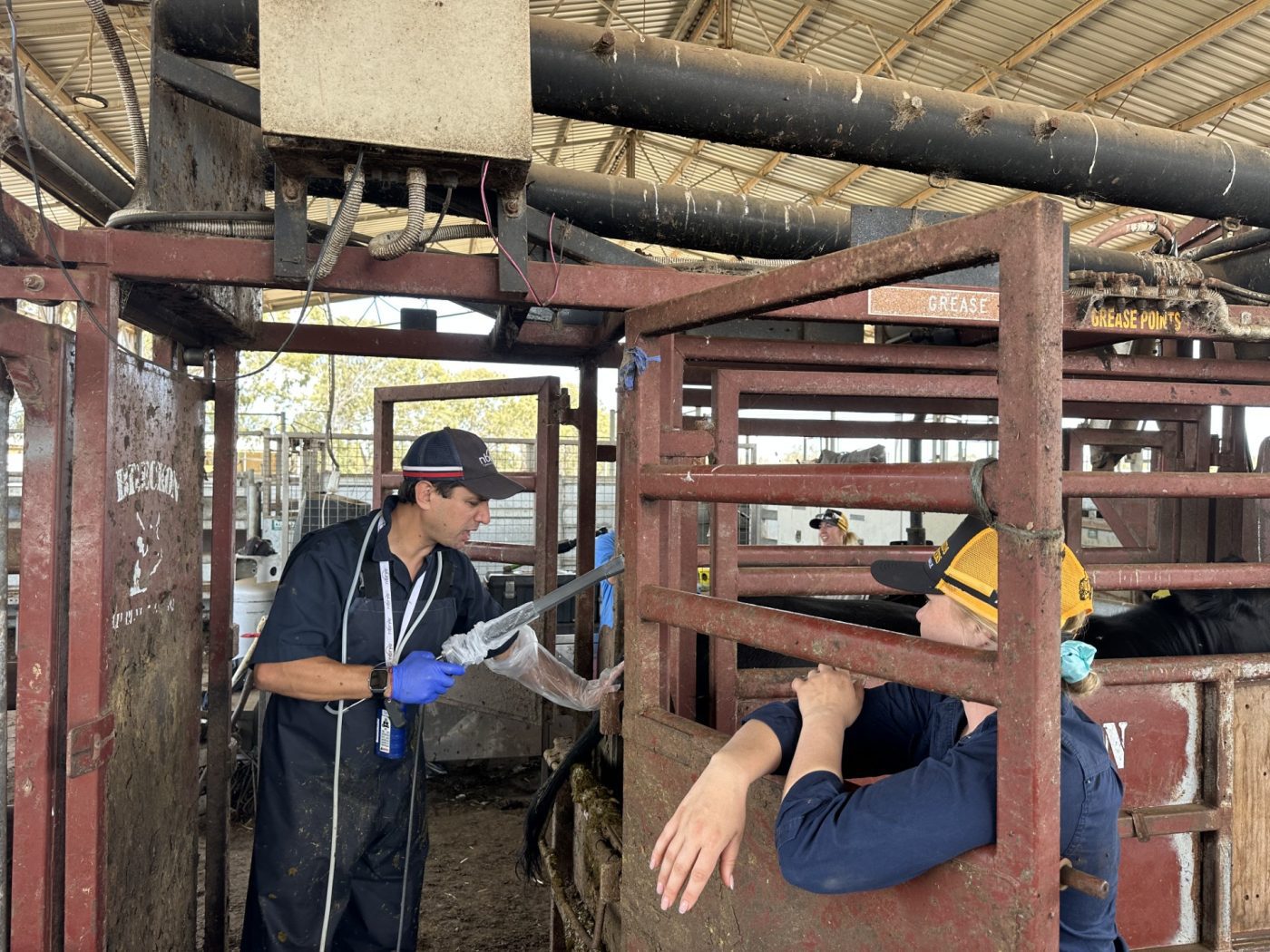
Rodrigo Rodrigues, Nbryo at work during the Munda Reds trial
AFTER more than 16 years of research and development, Nbryo has announced a world-first breakthrough in cattle IVF with the launch of its proprietary embryo multiplication technology.
Unlike conventional “twinning,” where a single early-stage embryo is manually split into two or more embryos, Nbryo’s process does not involve embryo splitting or cloning.
Instead, it uses a patented biological process that both increases embryo yield and improves Embryo Development Rates (EDR) — producing more Grade 1 embryos at lower cost.
Field trials indicate that the first stage of this technology should double embryo production compared to conventional IVF, reducing costs and transforming the economics of embryo transfer.
Stage one has already lowered the cost of Nbryo’s Grade 1 embryo production from $180 to an introductory price of $150 per embryo, with further reductions expected as the level of multiplication achieved increases.
“With this breakthrough, producers can expect to achieve the same embryo numbers from half the number of donors and using half the amount of semen than a conventional IVF program,” Paul Niven, Nbryo CEO said.
“This means more calves can now be produced from females of the highest genetic merit — accelerating genetic gain for less cost.”
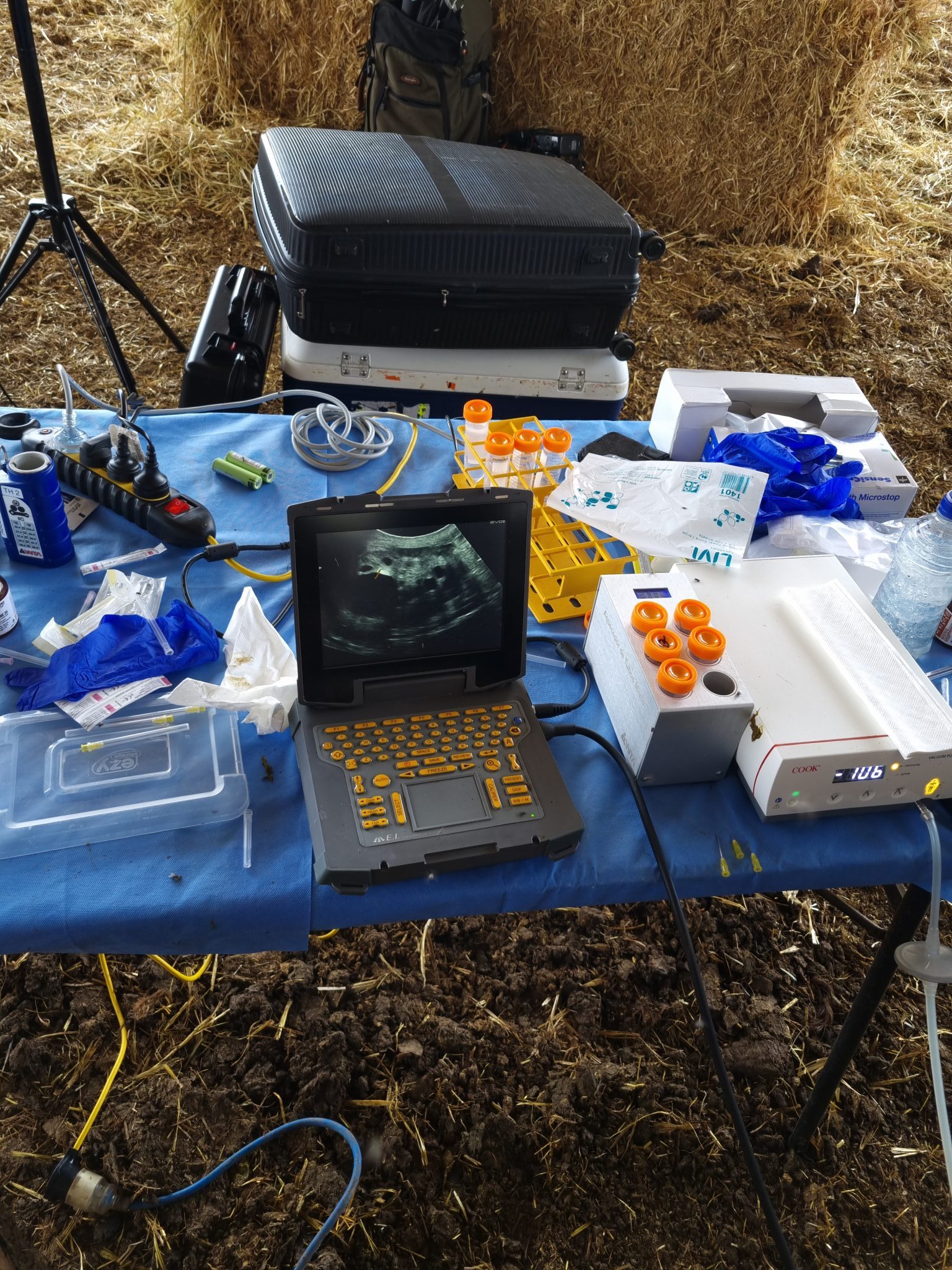
Associate Professor Margot Day, Nbryo’s Lead Scientist from the University of Sydney, said the team’s innovation represents a fundamental leap in reproductive biotechnology.
“By multiplying embryos through this proprietary process and simultaneously improving embryo development rates, Nbryo will be able to make elite genetics more accessible for commercial producers,” she said.
“Embryo quality and viability remain consistently high marking a new era in reproductive biotechnology, with further multiples in development.”
Nbryo has commenced commercial production of multiplied embryos this month, with Nbryo Tech Ambassadors across three states being the first to integrate the technology into their breeding programs.
Michael Thompson, Ben and Olivia Wright at Munda Reds Droughtmasters, Gingin, are the first to adopt the technology in Western Australia.
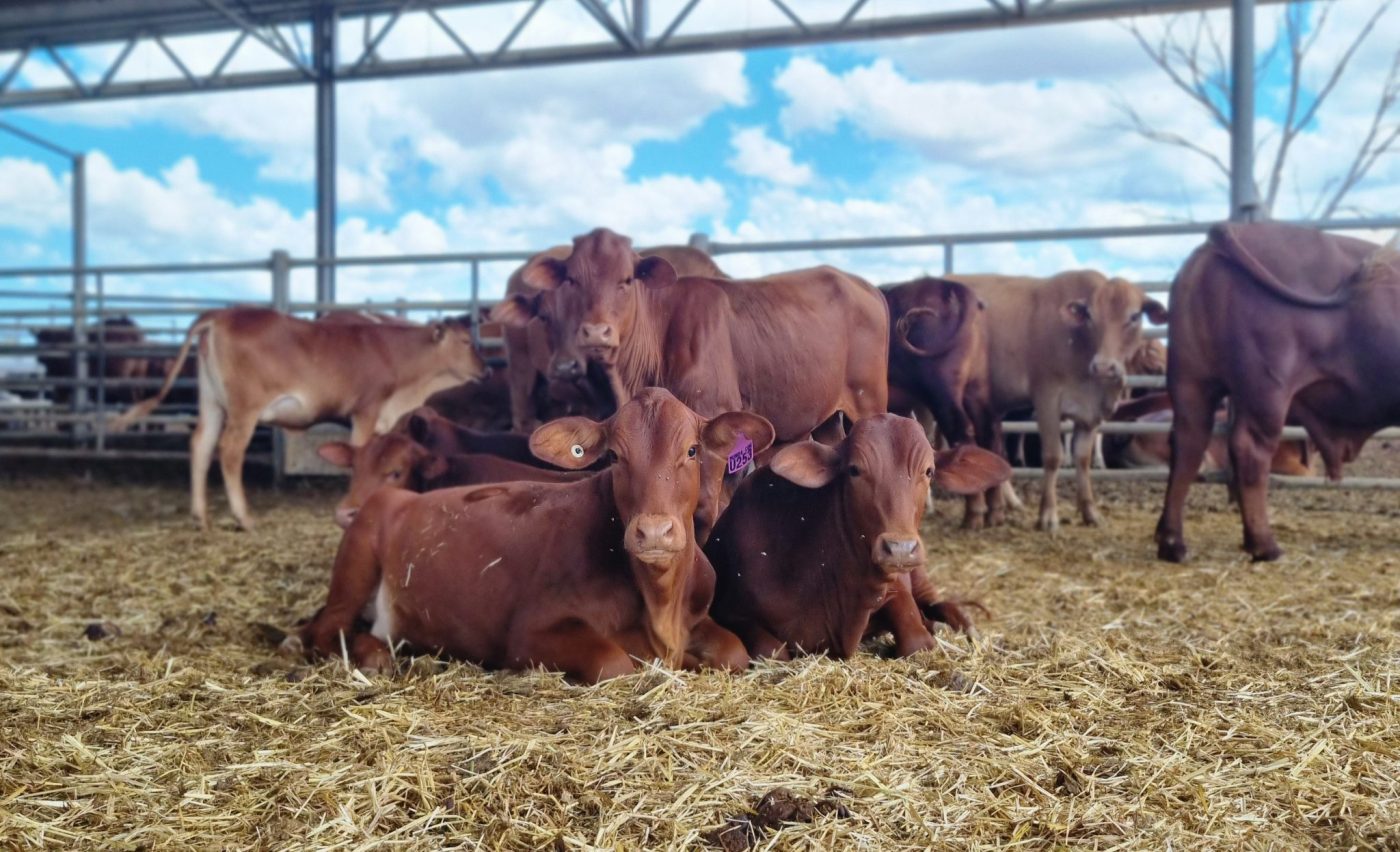
Munda Reds involved in the program
Known for their enthusiastic embrace of innovation, Olivia brings a “cup half full” mindset to Munda Reds’ breeding program, focusing on the opportunities that new technologies can unlock rather than the risks.
“At Munda Reds, we’re always looking for new ways to improve — whether it’s through better systems, smarter technology, or gaining a deeper knowledge of genetics,” Olivia Wright said.
“Nbryo’s multiplication technology aligns perfectly with our goals. It allows us to accelerate genetic progress and boost productivity, making elite genetics more accessible across our herd.”
Wright also highlighted the unique challenges faced by Western Australian producers.
“WA has only one or two bovine embryo transfer vets, and with the vast distances involved, they’re often not available when needed. We currently fly technicians over from the Eastern States, which is costly and logistically difficult,” she said.
Wright hopes that veterinarians such as Dr Enoch Bergman and Dr Reuban Welke from Swans Veterinary Services will soon be trained by Nbryo to collect oocytes (eggs) from elite donor cattle locally, send them to Nbryo for multiplication, and have the embryos returned for transfer by WA-based vets and technicians.
“This would be a game-changer for producers in our state — making advanced reproduction more accessible, affordable, and timely,” she said.
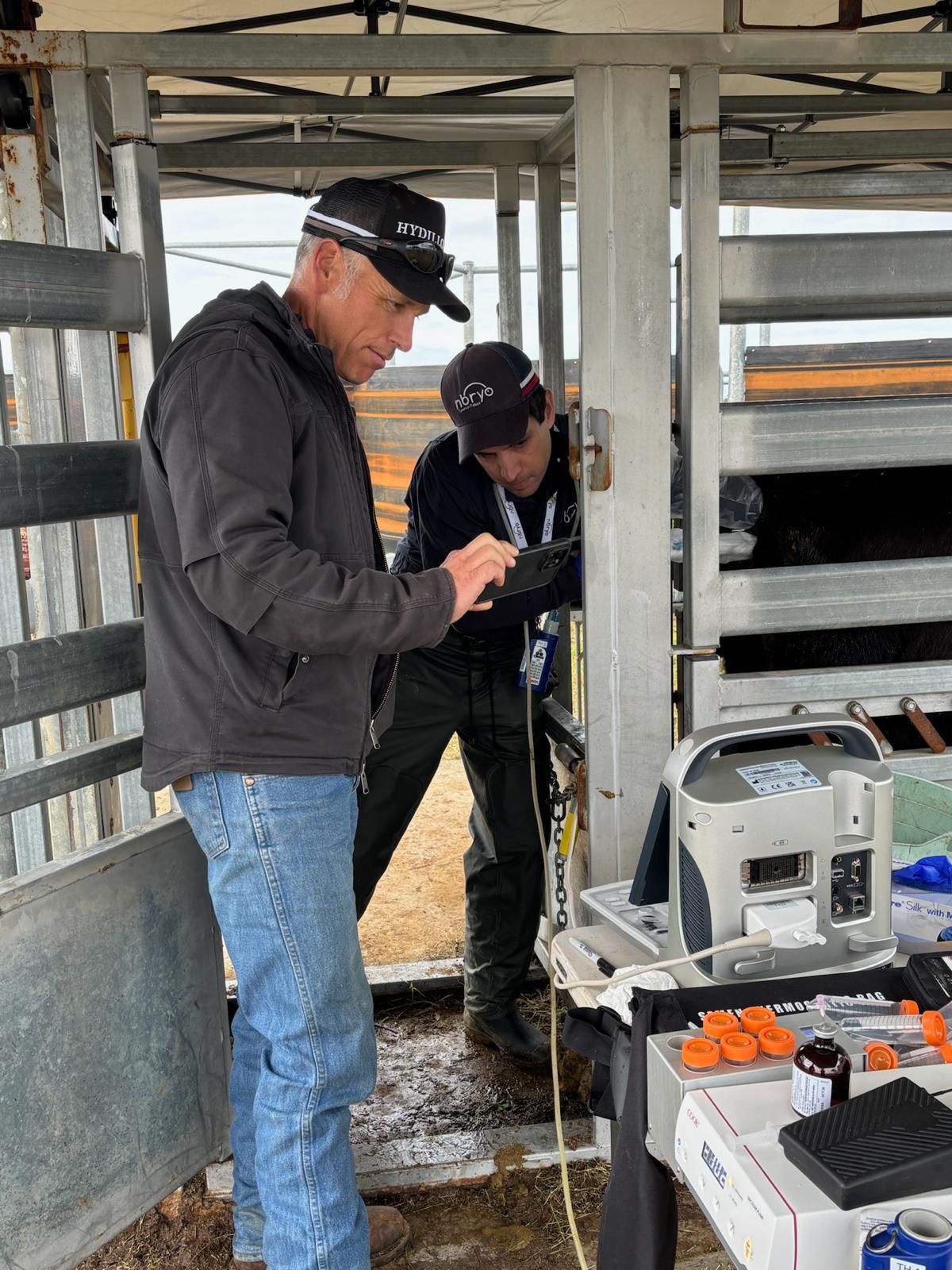
Enoch Bergman, Swans Veterinary Services and Rodrigo Rodrigues, Nbryo at ShepWok Angus previously
This breakthrough is one of a number of assisted breeding technologies currently under development at Nbryo. Also nearing completion is an embryo transfer (ET) device which will allow an artificial insemination (AI) technician to perform transfers without the need for a specialist embryo transfer veterinarian or an epidural.
Together, these innovations will drive down the cost of advanced reproduction and accelerate the rate of genetic gain across the cattle industry.
Nbryo is now taking bookings for 2026 ovum pick-ups, conventional and multiplied embryo production, and embryo transfers.
Beef Central first wrote about the ambitious Nbryo project in this 2024 report.
Source: Nbryo