
Shadow Agriculture Minister Darren Chester has blasted the Albanese Government for “quietly releasing” its final Export Cost Recovery Implementation Statements late last Friday afternoon, confirming substantial fee increases on agricultural exporters.
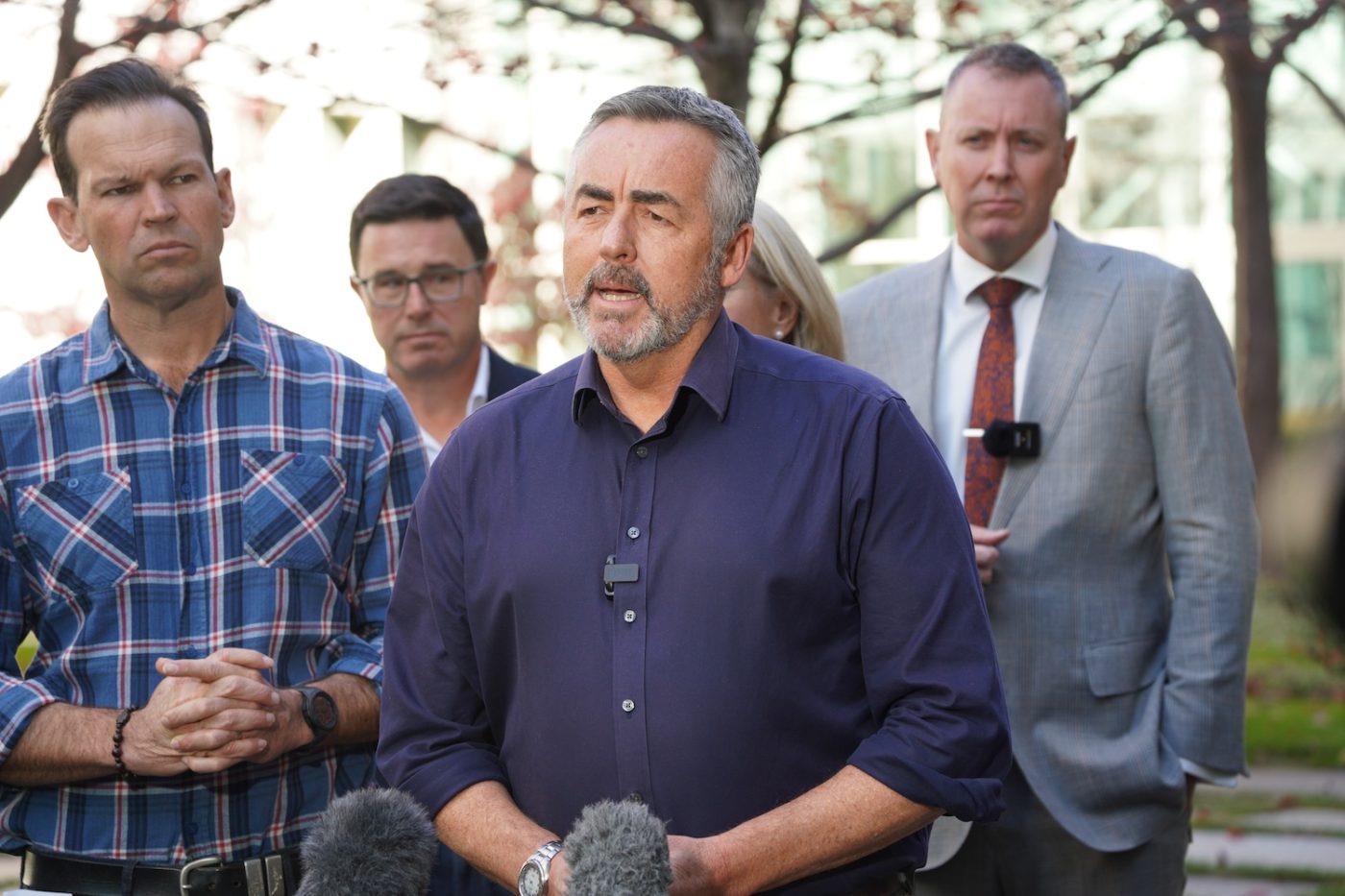
Darren Chester
Mr Chester said the after-hours announcement treated Australian farmers with contempt, coming after sunset and making it “all but impossible for industry to respond”.
He said the move came in the wake of “Labor’s biggest tax raid on Australian farmers in a generation in the Budget” and would result in fee increases of up to double and in some cases triple for some industries.
‘Ensuring vital export services are sustainably funded’: Minister
A statement issued by Agriculture Minister Julie Collins on Friday said the finalised changes to the Agricultural Exports Cost Recovery Implementation Statements (CRIS) would ensure “vital export services are sustainably funded and continue to meet industry needs”.
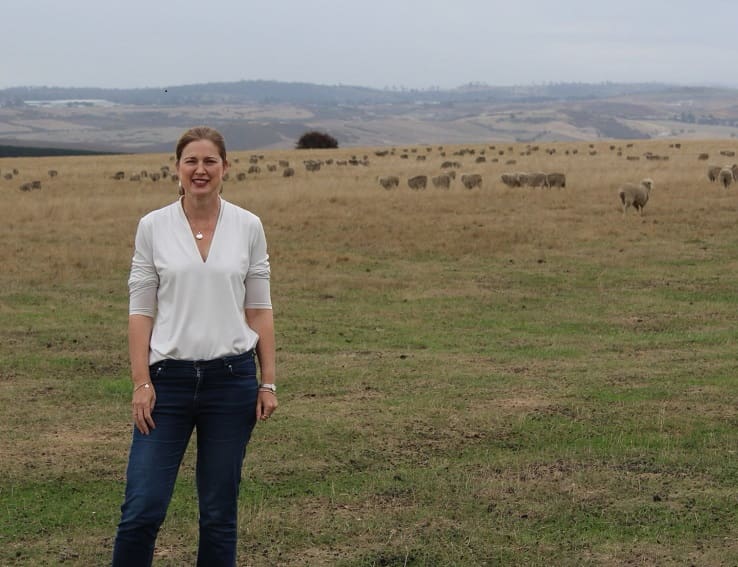
Julie Collins
The Minister said the updated fees and charges followed consultation with industry and took into account the Government’s decision to defer the phased transition to full cost recovery for agricultural export services by 12 months.
“This deferral to 1 July 2027 is in recognition of the disruptions associated with the war in the Middle East, and has provided farmers and agricultural exporters with confidence during a time of global uncertainty.”
“Agricultural, fisheries and forestry exports are forecast to reach a record value of around $86 billion in 2025-26, with this growth in trade backed by essential export services delivered by the Department of Agriculture, Fisheries and Forestry (DAFF).
“The cost of delivering these services has outstripped the value recovered from industry for 16 of the last 20 years, with the Albanese Labor Government providing $138 million in supplementation measures from 2023-24 to 2025-26.”
She said the Government was delivering close to $57 million in supplementation funding from 2026-27 to 2028-29 to ensure these vital services continued while a phased return to full cost recovery took place.
Mr Chester said the agricultural export fee hike would make it “harder to farm, harder to operate and now harder to export”.
“After the biggest tax raid on agriculture in a generation and a disastrous EU trade deal, these export fee hikes are yet another attack on farming families and regional businesses.”
Mr Chester said it was “extremely concerning” the Federal Government had allowed the Department’s costs to blow out and now expected the agricultural industry to pay.
Industry groups respond: Government ‘relinquishing its responsibility’
The Australian Meat Industry Council (AMIC) has also expressed serious concern, saying the Government has confirmed it has relinquished its responsibility for maintaining access to overseas markets for Australian agricultural exports.
“This major move was outlined on top of a 38 percent increase in meat export taxes detailed in the release of the Government’s final Export Cost Recovery Implementation Statements last Friday,” an AMIC statement issued on Monday said.
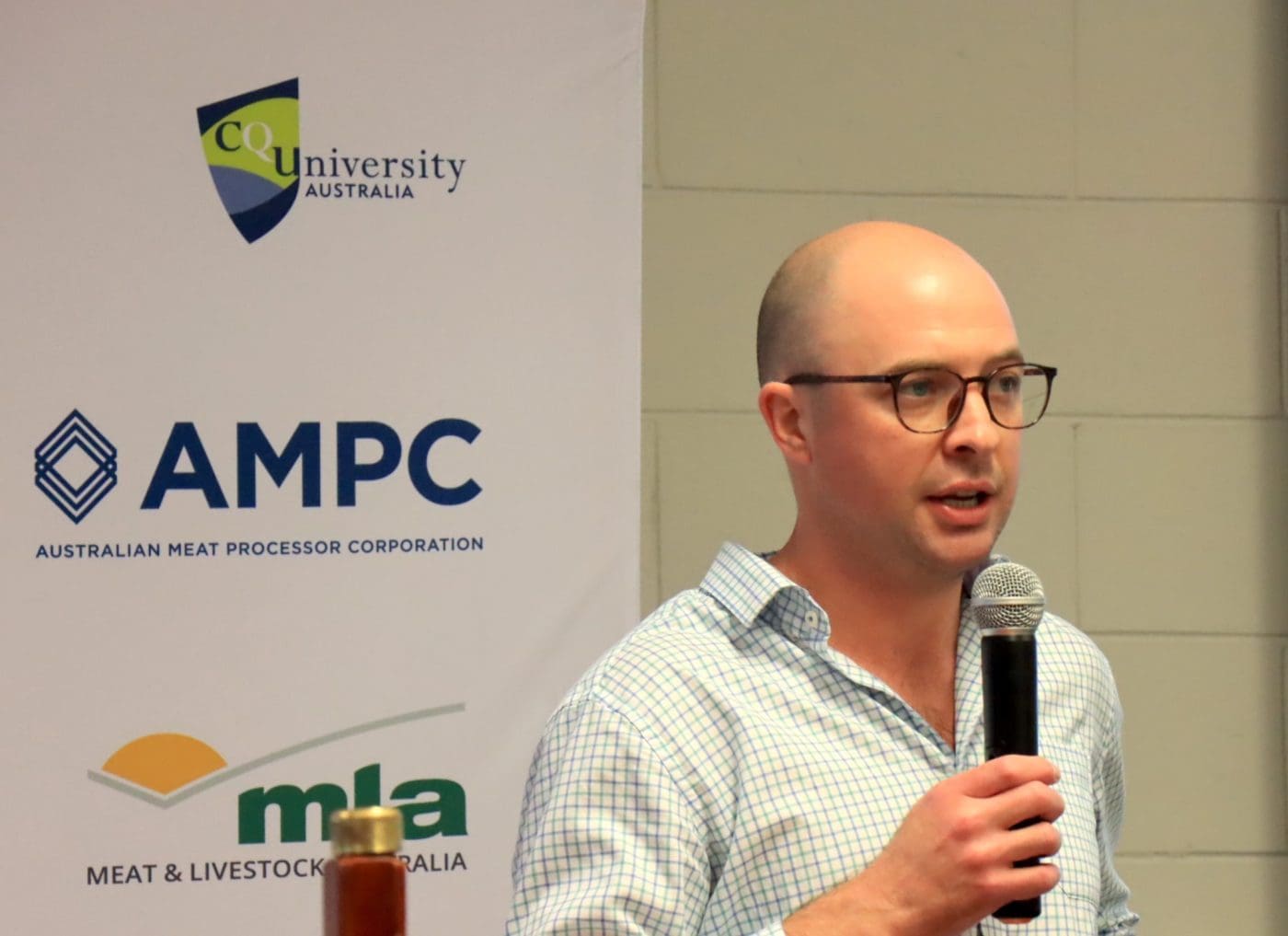
Tim Ryan
AMIC chief executive officer Tim Ryan said the industry’s concerns had been largely ignored, with the Government choosing to apply a system that rewards loss of markets and places additional pressure on Australian meat processors and exporters at a time of significant market constraints, rising costs and increasing global competition.
“Australia’s meat exporters are facing export challenges on an unprecedented scale and operate in a highly competitive international marketplace. Significant increases in export taxes undermine our competitiveness and add further costs to businesses throughout the supply chain,” Mr Ryan said.
He said the final cost recovery implementation statements confirmed the Government had no plan or intention to address the issue, and had gone further in “clearly outlining that from now on Government will force industry to pay for all the costs associated with its loss of access to global markets, rather than appropriately funding this work through the Department of Agriculture, Fisheries and Forestry.”
 “While AMIC supports appropriate cost recovery for export services, industry needs confidence that fees are transparent, efficient and directly linked to the services being delivered. Not only have our calls for caps on export taxes and greater scrutiny been ignored, the government has now clearly outlined it will not fund work to reinstate trade suspensions, but rather double-hit Australian businesses by taxing industry further when overseas countries restrict or cut off trade.”
“Despite a one-year-pause to the increased taxes, it’s alarming the government has ignored the global trading challenges and has rammed through these changes at a time when Australian meat exports are losing access to markets and facing significant challenges across the supply chain.”
Mr Ryan said the timing and scale of the increases were concerning for an industry that relies on efficient export systems to maintain access to key global markets.
“Government policy should support Australia’s export industries, not make it more expensive to do business and compete internationally. Barely a year after its re-election and claiming a productivity agenda, the Government has chosen to tax and restrict agricultural productivity rather than support agricultural export industries.”
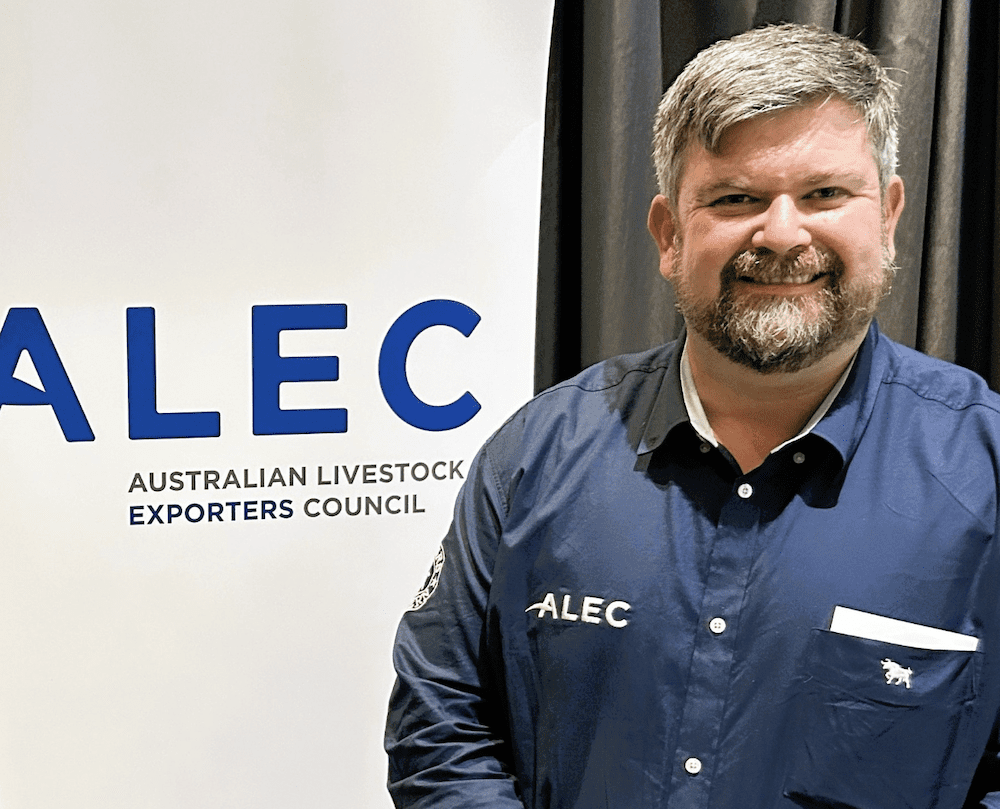
Mark Harvey-Sutton
Australian Livestock Exporters’ Council chief executive officer Mark Harvey-Sutton agreed it was up to DAFF to demonstrate it was cutting costs and delivering greater efficiencies at its end.
“We think DAFF needs to make more of an effort to make sure it cuts its costs, and we’re working with DAFF on the regulatory improvement project to try and ensure that is the case.
But we agree with other sectors that full cost recovery is going to put industries in a very difficult and potentially unsustainable position.”
To read the final Agricultural Exports Cost Recovery Implementation Statements, visit: https://www.agriculture.gov.au/about/fees/cost-recovery
how does our government expect to compete in the international export markets with growing govt services fees when countries like Brazil, Argentina are govt fee’s free all absorbed by their countries massive beef exports around the world including Australia’s traditional markets making our produce along with the higher wage structure non-competitive, even America is only 50% of our govt fees for export