
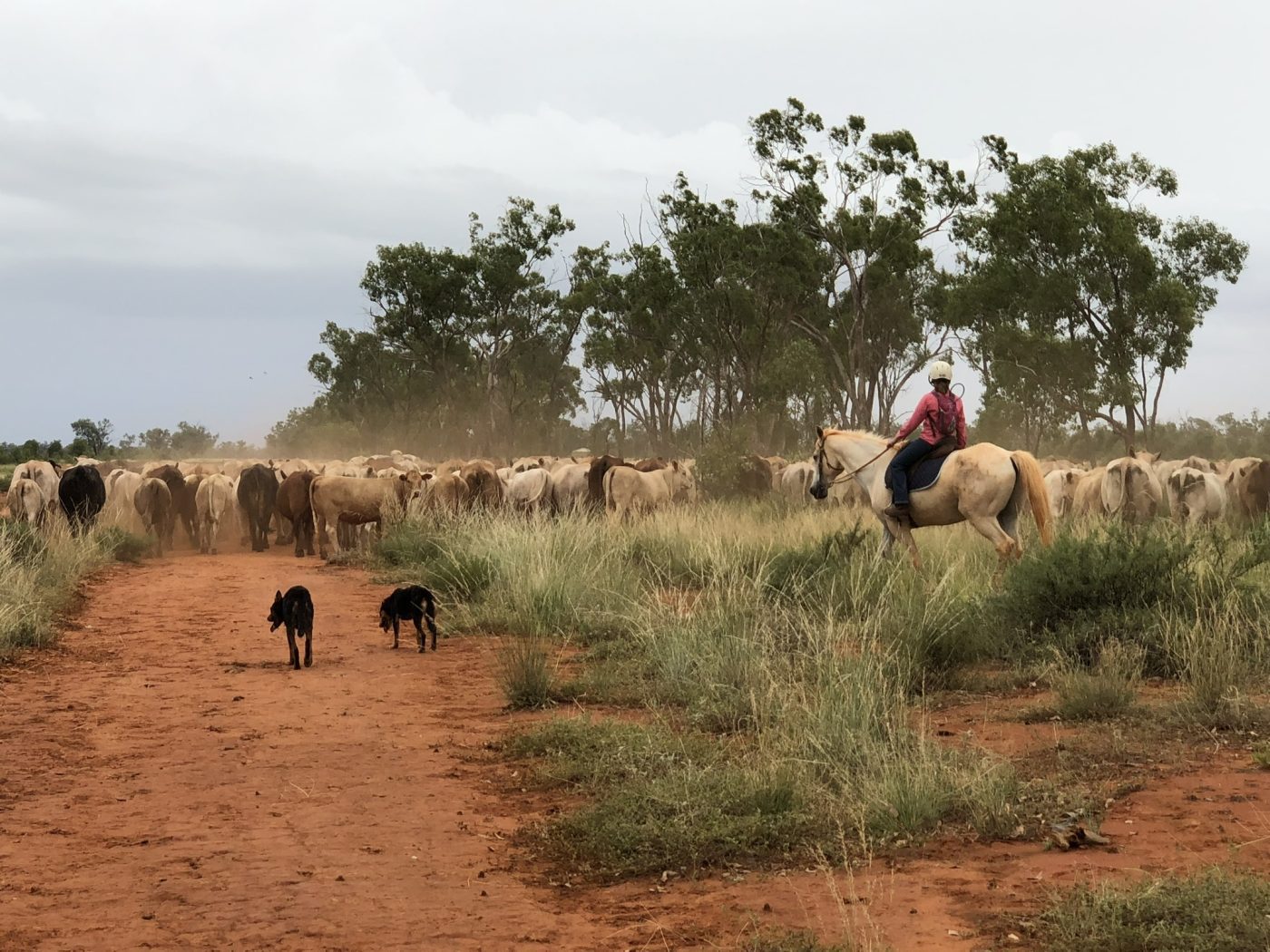
AgForce has launched a campaign highlighting the positive work undertaken by farmers amid Federal Government changes to environmental laws that it believes redefine routine farm management activities as major developments.
The “More than a farmer” campaign aims to give a voice to primary producers, showcasing their role in delivering food and fibre while contributing significant environmental benefits.
AgForce chief executive officer Niki Ford said farmers provided a range of services beyond food production, including environmental stewardship and land rehabilitation.
“Food and fibre producers are integral to Australia’s and the world’s food security, while also stewarding a massive proportion of our national landmass,” Ms Ford said.
“They perform functions that are critical to us all. They support rural communities through economic contribution, provide employment opportunities and undertake countless hours of unpaid work that deliver positive outcomes for the environment through their responsible management of the land.”
Ms Ford said changes to the Environment Protection and Biodiversity Conservation Act, passed late last year, had created uncertainty for producers, with the practical implications of the reforms still unclear.
She said routine land and pest management activities, including protecting properties from bushfire, maintaining livestock and wildlife fencing, and managing water infrastructure, could now be subject to increased regulatory oversight because agriculture is being considered alongside major development activities.
“There are currently no clear agriculture-specific exemptions, even for critical activities such as farm and water infrastructure, fire management, weed control, routine grazing and pasture management and stewardship and rehabilitation works,” she said.
Ms Ford said AgForce wanted to work with the Federal Government to ensure producers could continue undertaking essential land management activities that support both agricultural production and environmental outcomes.
“It’s critical that we work with the Federal Government on guidance for exactly how these laws will be implemented on the ground. We can’t sacrifice the ability to undertake land management practices that support drought resilience, improve groundcover, curb erosion, mitigate fire risk, control declared and invasive weeds and reduce emissions.”
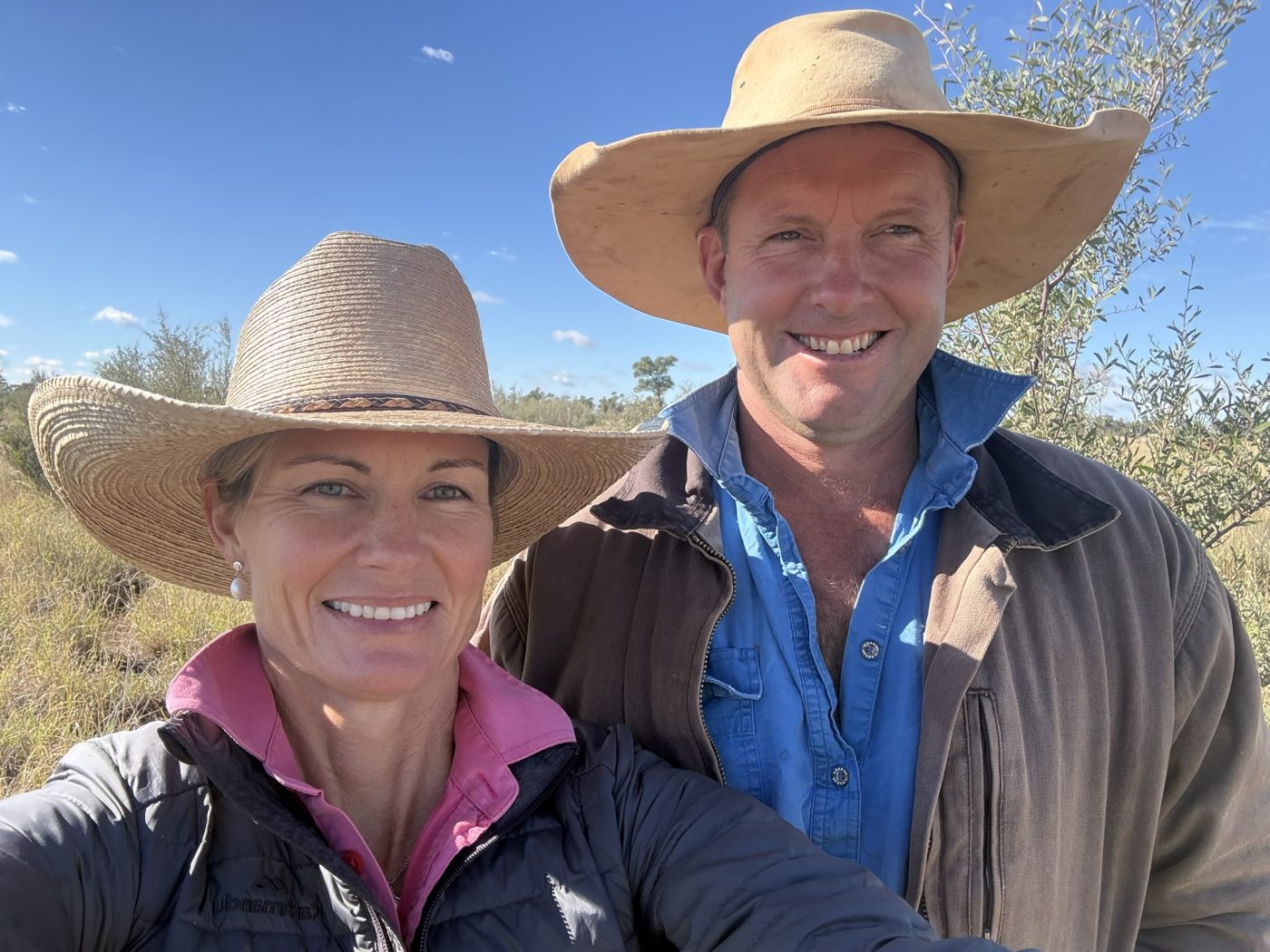
Changes to the Act have prompted AgForce Queensland members to call for the environmental regulatory frameworks to recognise the essential environmental services farmers deliver, as well as the significant differences in the state’s bioregions and the state-based environmental protection laws they already abide by.
In Queensland’s southwest, Cameron and Jacqui Tickell run a breeding and backgrounding operation across almost 75,000 hectares.
Their cattle and sheep are bred on their properties around Charleville, with the Dorper lambs turned off the properties at feeder weights and the feeder cattle backgrounded on predominantly grass country.
Most of their land at Charleville is ‘mulga country’, home to an invasive native species that has been key to their ongoing success, but which can also be a problem if not managed correctly.
“Our climate west of Charleville is generally dry, so we rely on our mulga,” Cameron said.
“In dry years, we fodder harvest and the security of the mulga has gotten us through some pretty tough seasons.
“In the 15 years since we bought our first block, we’ve rarely had to destock – wholly and solely because of the mulga.”
Fodder harvesting improving climate resilience
Fodder harvesting is the practice of cutting down or lopping edible native trees and shrubs, especially mulga, to provide feed for livestock during droughts.
The harvesting of this feed source is legislated under the Queensland Vegetation Management Act (VMA) 1999, which sets out that fodder harvesting must be carried out in a way that conserves vegetation in perpetuity, conserves the regional ecosystem and results in the woody biomass of the cleared vegetation remaining where it is cleared.
“The fodder harvesting code that falls under the state VMA laws is easily workable,” Cameron said.
“If we experience a drought, we do a self-assessment, notify the Department of Resources online and within a couple hours we can be fodder harvesting to feed our stock.”
Balancing agricultural productivity and ecosystem function
Harvesting mulga means producers are providing a feed source for their stock, as well as delivering environmental outcomes.
“Mulga is such an invasive tree and if it’s not managed correctly, it becomes a monoculture of trees,” Cameron said.
“Over time, this monoculture will take out all other tree and grass species present in the ecosystem and destroy the environment because they become so thick that every other tree in their path is starved of moisture.”
“From 2010 to 2012, we had a series of wet years, and the regrowth was really thick but we were unable to tackle the problem because it was mapped in a Category B regulated remnant area under state vegetation laws,’ Cameron said.
“Then, 2018 and ’19 were really dry and the remnant napunyah trees – which are huge, thick eucalypts that you can’t wrap your arms around – were choked out by the regrowth and died.
“Koalas used to live in those big trees and they’re not there anymore because their habitat has been destroyed by our forced inactivity.”
Active management vital for healthy landscapes
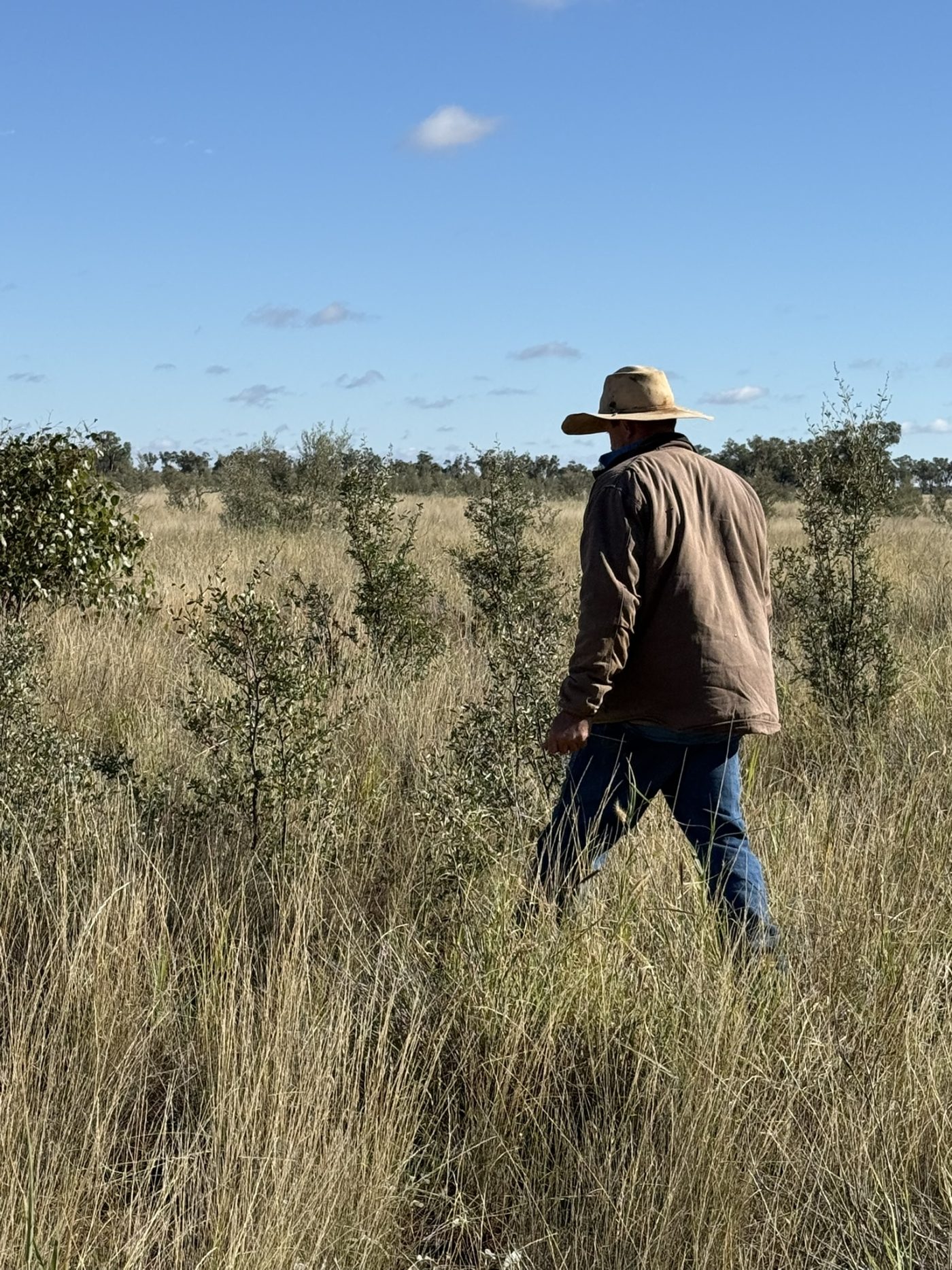
For more than 60,000 years, First Nations peoples actively shaped our landscapes through fire.
Since European settlement, landscapes have continued to evolve through government policy, infrastructure development, settlement patterns, biosecurity incursions and agricultural production.
In these altered landscapes, environmental outcomes depend on active management.
“Fire used to control the regrowth and sheep did their part to restrict its growth,” Cameron said.
“Now that we’ve stopped using fire and taken the majority of the sheep off the country, it’s our responsibility to manage it.
“The only way we can see fit to do that is through mechanical harvesting.”
In doing so, the Tickell’s are also trying to achieve a balance of trees and grass that delivers productivity and environmental benefits.
“We’ve been trialling various methods over the past 10 years when managing our regrowth,” Cameron said.
“We’ve been using a five-metre-wide cutter bar or blade plough machine to go through and selectively harvest fodder.
“By alternating between blade ploughing a five-metre strip and leaving a five- to 20-metre strip untouched, we’re allowing moisture to get into the soil.
“That means the mulga in the untouched five metres absorbs more moisture from the managed strip and prevents erosion and shedding of the moisture off our country.”
The improved soil moisture, greater soil nutrient availability, reduced erosion and a decrease in competition for resources also drives a response from other species.
“While we’re managing the mulga, we’re also planting two improved pasture species and getting it to a suitable tree-grass balance where we are creating great biodiversity,” Cameron said.
It also allows room for winter herbages to flourish.
“Our country has a seedbank of winter herbages and medics, and when we do get our wet winters, there’s room in the pasture for those species to grow,” Cameron said.
“It’s a tree-grass balance that we have to uphold and if we don’t do that, we get that monoculture of trees that becomes a tree desert.”
Ensuring policy settings encourage system balance
Queensland producers who rely on fodder harvesting to feed their stock during dry times are concerned the reformed EPBC Act will tie their hands.
“As it stands, the reformed EPBC laws have effectively locked up our hay shed, by making it impossible to easily fall back on fodder harvesting in dry times,” Cameron said.
A rule requiring intensive ecological assessments without clear thresholds, practical guidance or regulatory certainty from federal officials to manage invasive trees more than 15 years old is also forcing producers to make decisions that negatively impact both their enterprises and the environment.
This approval is on top of existing requirements from the Queensland government.
“We generally save our mulga regrowth to harvest it when the season is forcing us into that position and we’re strategic about using that opportunity to control problematic regrowth,” Cameron said.
“We have areas of regrowth that are nearing 15 years old that we’re saving for the next drought, but the 15-year rule is forcing our hand to manage that country earlier than we generally would.
“In some cases, it may be 20 or 30 years before the tree-grass balance we strive for is no longer at the optimum level and we decide management is necessary, but the EPBC Act means we no longer get to make that choice.
“The legislation is forcing us to over-manage our country, which we don’t want to do because experience tells us the current tree-grass balance is delivering for our operation and the environment.”
AgForce Chief Executive Officer, Niki Ford, said farmers like Cameron and Jacqui are a clear example of how production and environmental stewardship go hand in hand.
“What you’re seeing here is exactly what good environmental management looks like,” Ms Ford said.
“Cameron and Jacqui are active, informed and tailor their practices to local conditions, which is everything we want to encourage in modern farming.
“We have the chance here to make sure the policy settings support this kind of work so farmers can continue improving both their landscapes and their productivity.”
“A producer shouldn’t need to become an ecologist, lawyer and mapping specialist simply to determine whether routine farm activities may have a significant impact.”
HAVE YOUR SAY