
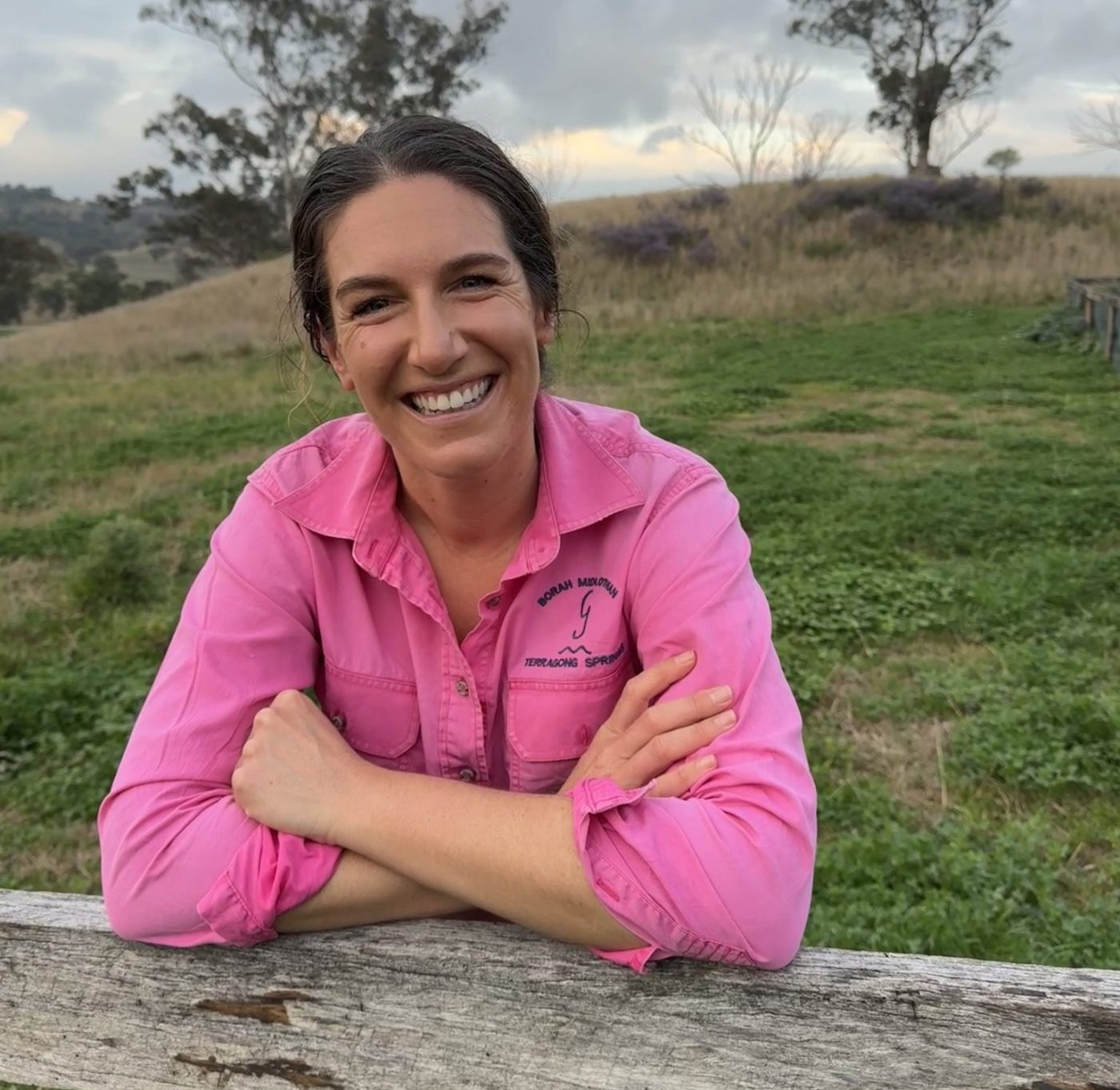
Nikki Gilder
WOMEN from around the world involved in livestock industries are in Nepal for the Global Gathering of Pastoralist Women, including four Australians.
The United Nations declared 2026 the International Year of the Woman Farmer as well as the International Year of Rangelands and Pastoralists.
The event in Kathmandu is focussed on strengthening networks of women pastoralists and ranchers across the world, identifying shared priorities, and amplifying women’s voices in international discussions and decisions that affect the rangelands and pastoralism.
Meet the women representing Australia
Julia Foulkes-Taylor and her husband run dorper sheep on Yuin Station in the southern rangelands of Western Australia, a property which has been in her husband’s family for four generations.
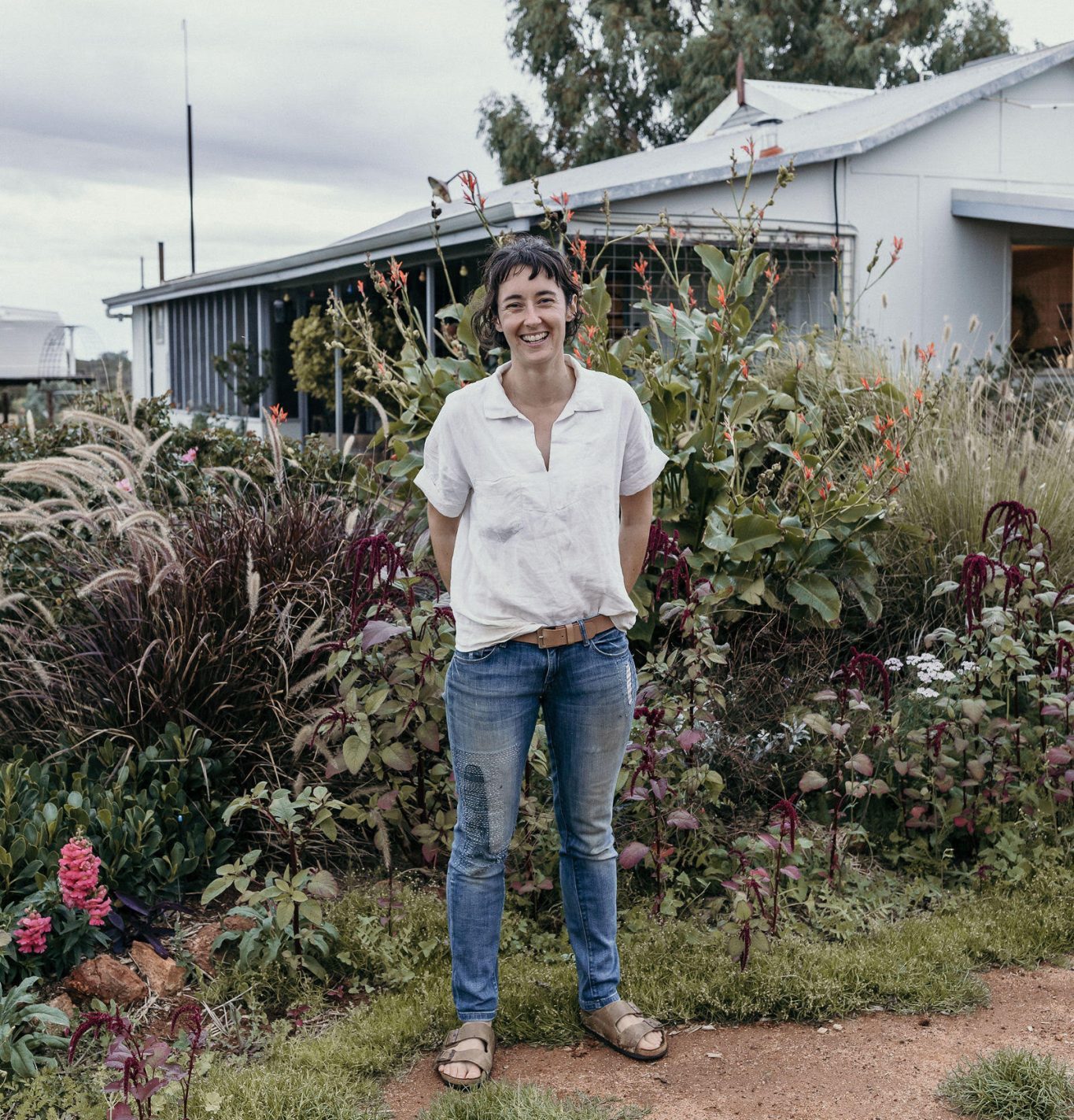
Julia Foulkes-Taylor.
“We will be working to create a declaration of shared priorities and working together to ensure these priorities are heard on the global stage,” Mrs Foulkes-Taylor said.
“I am keen to attend the event because as a pastoralist woman in Australia, I feel that we don’t have a strong network or community amongst us, we are mostly living very isolated lives and that is something I would love to help grow.
“I’m excited to meet women from all around the world who are essentially living the same kind of lifestyle as me (in different forms) and to hear their stories and connect with them.”
Mrs Foulkes-Taylor said she hopes the global gathering and the year of international recognition help lift the profile of the important work of pastoralists.
“I really love the rangelands and pastoralism, I feel it’s such an important part of our landscape in Australia and is often overlooked and forgotten about,” she said.
“We have the responsibility to care for some beautiful ancient lands with incredible biodiversity, and working to sustain and improve them is an honour.
“In our region there are less and less families living and working on properties so it’s important that the remaining community maintains strong connections and relationships and continues to share their stories so that we are not overlooked.
“There are lot of great people doing fantastic things in our region and I think more people need to know about it.”
Nikki Gilder from Merriwa in New South Wales is involved with her family’s mixed beef and dryland cropping business and is in Nepal as part of her Nuffield Scholarship.
“I have worked across the Australian livestock industry my entire career, from managing accredited grassfed beef programs with Greenham in the south, to supporting landholders with drought decision making via a Future Drought Fund program. I am now home managing my family’s beef cattle breeding and finishing operation,” Ms Gilder said.
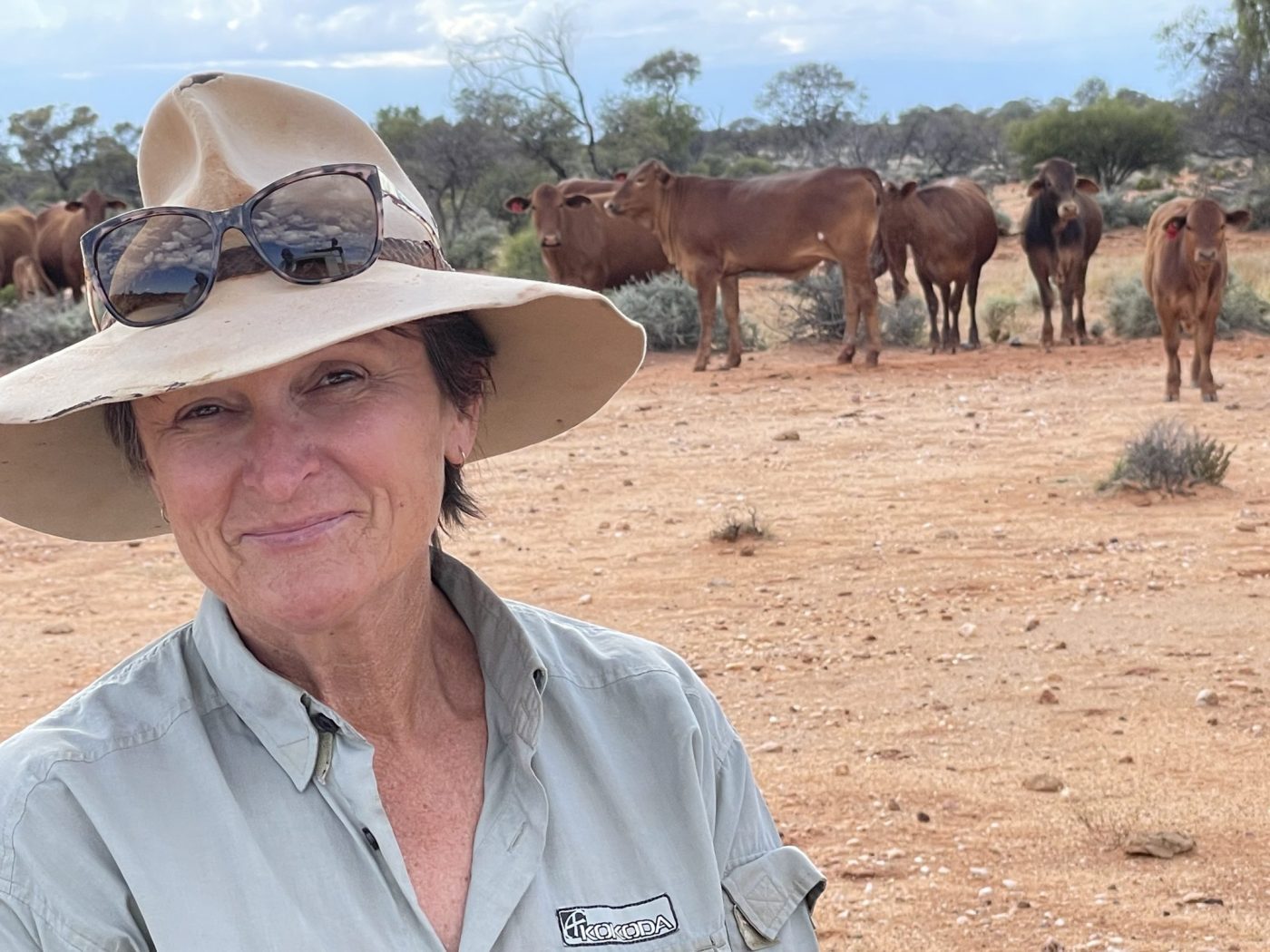
Debbie Dowden
“My Nuffield research is looking to empower women to not only be involved in farming, but also having their perspectives, skills and experience recognised at the strategic decision-making level.
“My research shows that around the world, women are one of agriculture’s most underutilised assets.
“But to empower women, we must not exclude men and it is for this reason that I believe it important to contribute to the discussion at the global gathering, ensuring the voice of women pastoralists are included when shaping global agendas.
“Together, men and women can strengthen the industry by recognising and making space for all perspectives. It is my belief that this is what will ensure long-term sustainability of farming, which is ultimately what feeds and clothes us all.”
Debbie Dowden spent 30 years at Challa Station in the southern rangelands of WA, where she and her husband ran sheep and later cattle.
“The southern rangelands are incredible and are so undervalued in Australia. It is a complex landscape and ecosystem with incredible biodiversity,” she explained.
“It’s a great place to run a small number of cattle and to bring up a family, a great place for children to grow up.”
Mrs Dowden said she wanted the Global Gathering of Pastoralist Women to help raise the profile and importance of women in agriculture.
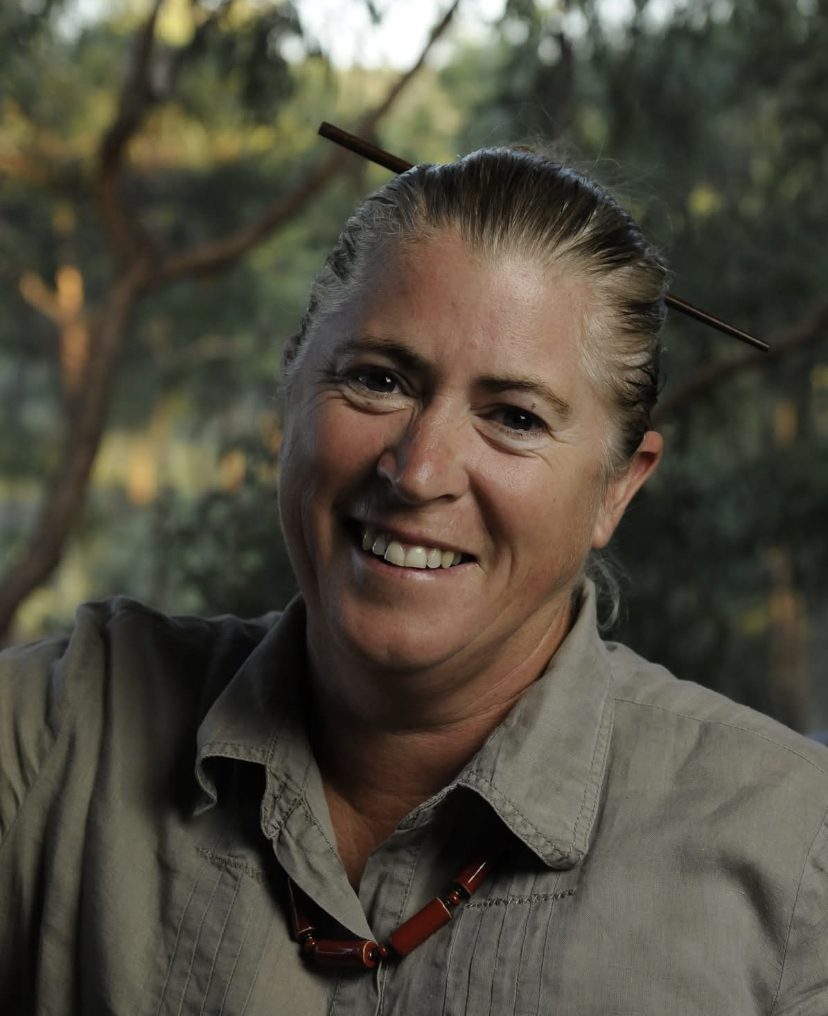
Robyn Adams.
“There’s so many things that women add to a pastoral business, and it is often invisible to the general public,” she said.
“Women underpin the environmental health as well as the health of the family and the mental health of the community.”
Robyn Adams, a beef producer from central west Queensland said she feels privileged to attend the second international gathering of women pastoralists.
“To be part of a global conversation, a multi-layered elucidation of a myriad perspectives, and to progress the understanding, roles and empowerment of females from across many countries, will be challenging, at times confronting, and I trust, fulfilling for me as a pastoralist of the Australian northern rangelands,” Ms Adams said.
Following the Global Gathering of Pastoralist Women, the four Australian women are joining a tour of some pastoral communities in Nepal.