
The Northern Territory Cattlemen’s Association says nothing in today’s Federal Court judgment in the 2011 Live Cattle Export Brett Cattle Company Class Action changes the 2020 finding that in the then Federal Government acted unlawfully when it shut down live cattle exports to Indonesia in 2011.
The Full Federal Court decision handed down this morning in Brett Cattle Company Pty Ltd v Minister for Agriculture, Fisheries and Forestry dismissed an appeal brought by claimants over losses linked to the Gillard Government’s 2011 live cattle export suspension to Indonesia.
The ruling is the latest chapter in the long-running litigation over the June 2011 ban on live cattle exports to Indonesia following the ABC Four Corners program showing animal welfare abuses in Indonesian abattoirs. While the Federal Court had previously found former Agriculture Minister Joe Ludwig liable for misfeasance in public office in imposing the blanket ban, this appeal focused on damages, specifically whether Indonesia would have imported significantly more Australian cattle in 2012 and 2013 if a less severe “Exceptions Order” had been used instead of the total suspension.
The Full Court this morning upheld the earlier 2025 ruling that there was “no evidence” Australia would have exported more cattle to Indonesia in 2012 or 2013 even if the total ban had never occurred.
The Court decision was based on its view that Indonesia had already embarked on an aggressive beef self-sufficiency strategy before the 2011 suspension, aimed at reducing dependence on imported Australian cattle, and that, despite previous failed attempts to achieve self-sufficiency in beef production, Indonesia would likely have pursued lower import quotas regardless of whether Australia had imposed the total ban or a more limited restrictions regime.
A central issue in the appeal was Brett Cattle’s argument that Indonesia lost trust in Australia as a reliable supplier after the suspension, leading it to accelerate efforts to cut imports. However, the Court rejected that argument, saying the evidence showed Indonesia’s self-sufficiency drive was already well advanced and politically entrenched before the suspension occurred.
The Full Court dismissed the appeal and ordered Brett Cattle to pay the Commonwealth’s legal costs.
Claimants: ‘All options are on the table’
Claimants to the class action say that despite the Federal Court decision, all options are on the table and the fight for justice will continue on behalf of everyone involved, including all those who livelihoods have been irreversibly impacted.
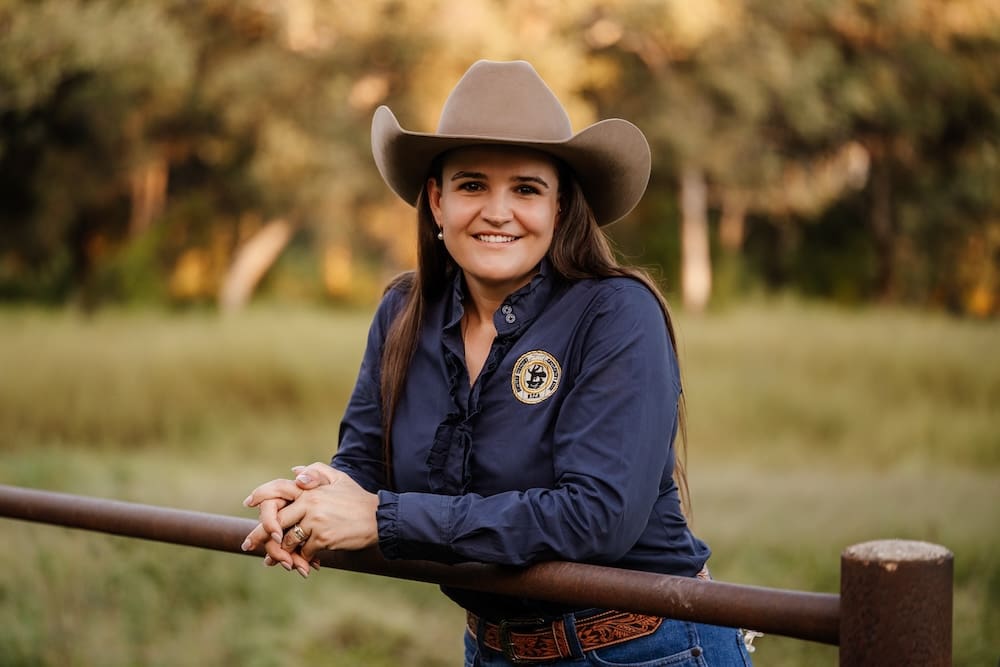
NTCA CEO Romy Carey
NTCA Chief Executive Officer Romy Carey said today’s judgment was not the outcome affected families, businesses and communities had hoped for, and the industry would now take time to carefully consider the decision and its implications.
“Today’s decision is deeply disappointing, particularly for the families and businesses who have carried the financial, emotional and personal cost of the 2011 live export shutdown for more than a decade. “We are awaiting the Court’s full reasoning and will now take the time to carefully consider all options available to us,” Mrs Carey said.
In 2020, the Federal Court found the former Minister’s decision to suspend live cattle exports to Indonesia was unlawful and amounted to misfeasance in public office.
“That remains a landmark victory for northern Australia and a historic moment for accountability in Australian agriculture.”
The 2011 suspension of live cattle exports to Indonesia caused immediate and severe disruption across the northern cattle industry, affecting producers, exporters, transporters, agents, veterinarians, contractors, small businesses and regional communities.
Mrs Carey said today’s judgment does not, and cannot, rewrite history.
 “This industry did not imagine the damage caused by the 2011 ban,” Mrs Carey said.
“Confidence in a critical trade was shaken overnight. Cattle were stranded, businesses were brought to a halt, families lost income and commercial relationships were damaged.”.
“The Court has already found that the decision was unlawful. That finding stands.”
Mrs Carey said the case focuses on lawful government decision-making and accountability.
“This case has always been about something fundamental: governments must act lawfully, proportionately and with proper regard for the consequences of their decisions,” Mrs Carey said.
“This industry was not asking for special treatment. It was asking for lawful treatment and the 2011 suspension was unlawful. While the decision may affect the damages pathway, it doesn’t change the central fact.”
The NTCA acknowledged the Brett family, the lead applicants, the adjoining parties, the Australian Farmers’ Fighting Fund and the class action members who have carried the case through more than a decade of litigation.
“This has been an extraordinary act of courage and endurance by the Brett family and every person who stood with them,” Mrs Carey said.
“We acknowledge those who are no longer with us and who never got to see this chapter fully resolved.
“We also acknowledge the toll this has taken on families, businesses and communities who have had to relive the consequences of that decision through years of legal proceedings.”
Mrs Carey said the Commonwealth must now act as a model litigant and bring the matter to a close.
“The Commonwealth should not treat today’s outcome as a licence to walk away from the people harmed by an unlawful government decision,” Mrs Carey said.
“A model litigant does not simply fight because it can. It acts fairly, resolves matters where it should, and recognises when people have waited long enough.
“The Commonwealth has had repeated opportunities to resolve this matter. It should now return to the table in good faith and work to bring finality to affected families and businesses.”
Mrs Carey said any attempt to portray today’s decision as a vindication of the 2011 ban would be wrong.
“Let us be very clear: the government did not win the central argument of unlawful government action, nor does it erase the wrongdoing, the impact or the need for government accountability” Mrs Carey said.
Mrs Carey said the live cattle trade remains one of northern Australia’s most important industries and a critical part of Australia’s relationship with South-East Asia.
“The live cattle trade is a legitimate, highly regulated and strategically important industry,” Mrs Carey said.
“It supports regional jobs, underpins northern development and contributes to food security across our region.
“The lesson from this case remains clear: decisions that affect regional industries must be lawful, evidence-
based and proportionate.”
“When government gets it wrong, the consequences are real. Today does not change that.”
Producers will not give up: AgForce
AgForce Queensland says northern cattle industry producers will not give up their long-running fight for compensation in the class action over the 2011 suspension of cattle exports to Indonesia.
AgForce Cattle President Lloyd Hick said today’s ruling was another setback for the industry.
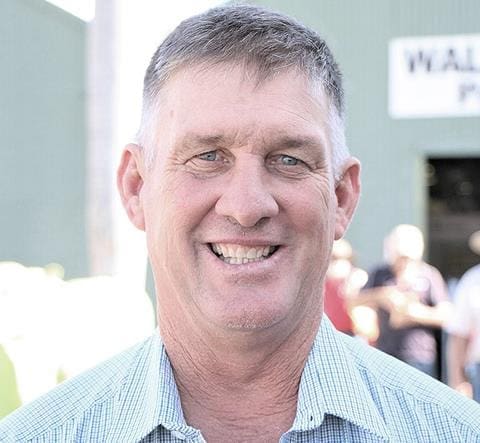 “This decision is a devastating blow in what has been a series of blows over the past 15 years for the entire live cattle export industry,” Mr Hick said.
“To hang the industry out to dry for so long after we proved in court that the decision to shut down the live cattle trade to Indonesia was unlawful is both cruel and unfair.
“That 2020 ruling still stands.
“It found the six-month ban was a reckless use of power that had a severe impact on producers, exporters and others in the supply chain.
“Many within the industry suffered significant losses because of the ban and still have not been compensated.
“People lost their livelihoods without warning and the impact was devastating.
“The ban also eroded trust with Indonesian importers which has taken years to rebuild.
“And despite the revival of our industry, Indonesia importers have long memories and have noted the current Australian government’s decision on the live export sheep trade.
“They’re watching to see if it happens again, this time in the cattle sector.”
AgForce General President Shane McCarthy said while frustrated with the ongoing legal battle, the industry would press on with the fight for compensation.
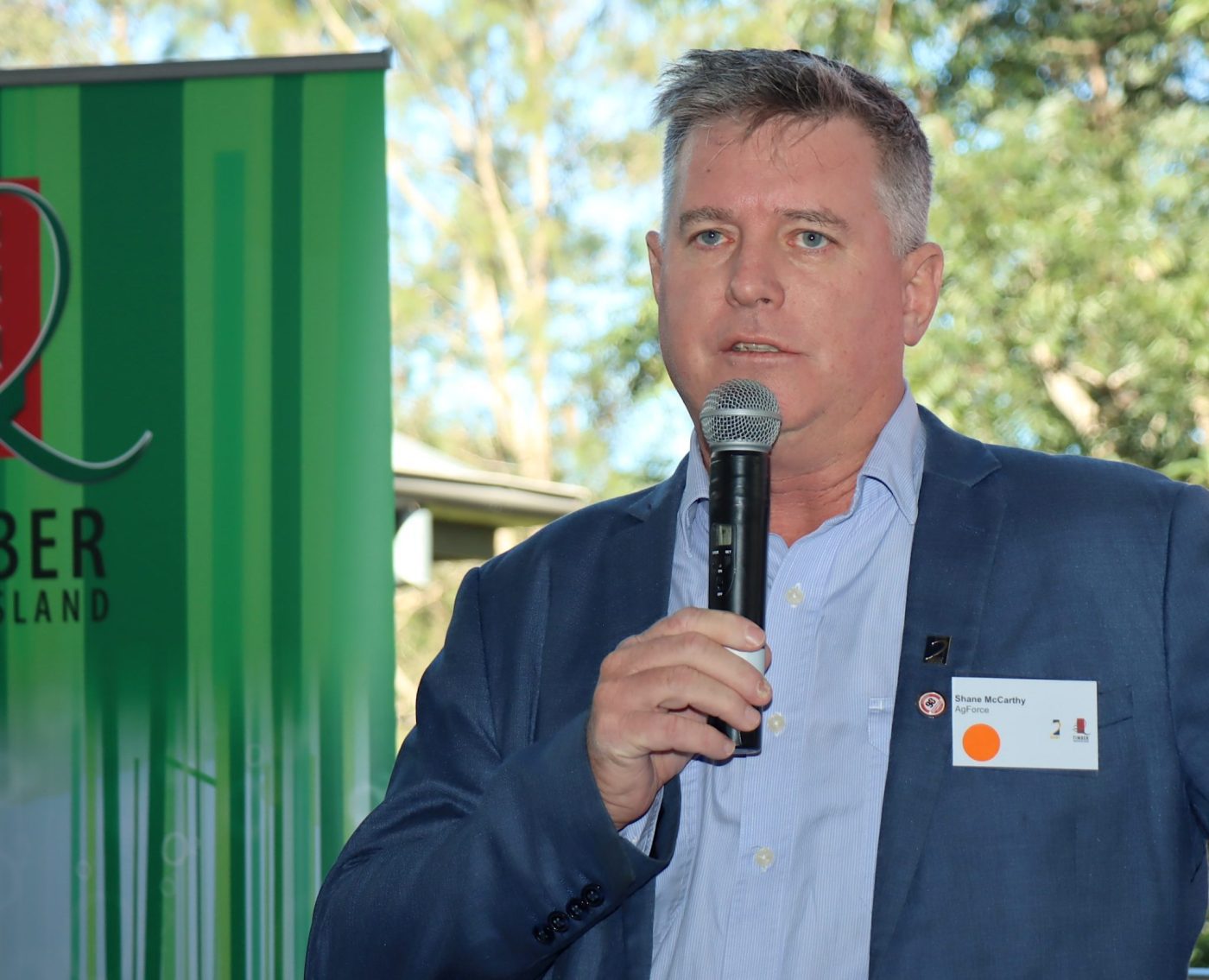 “The industry has learned from the issues brought to light by the footage that triggered the ban, with strict standards now enforced,” Mr McCarthy said.
“We have rebuilt our markets and our trade and all we are asking for is what we deserve.
“The fight for accountability is not over yet and the industry will not be deterred by this ruling.
“AgForce stands with the Northern Territory Cattlemen’s Association and others involved in this case and will carefully consider the implications of the ruling.
“It’s time for the Commonwealth to settle this case with a suitable compensation payout.
“The industry has waited long enough.”
Source: NTCA, AgForce