
MEAT eaters in Australia view plant-based meat as riskier and offering less value than conventional animal protein – regardless of how it is marketed, according to recent Adelaide University research.
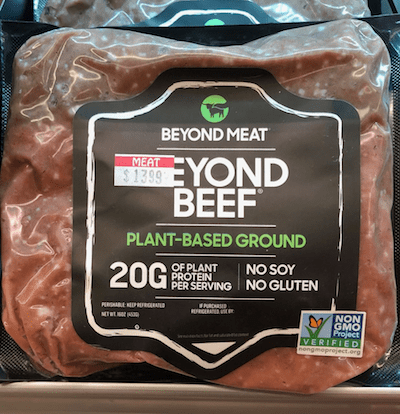
These perceptions reduce consumers’ willingness to buy plant-based meat and recommend it to others, the study research found.
A study published in the Journal of Marketing Management surveyed almost 1000 Australian adults in an online experiment designed to reflect the Australian population by age, gender and state.
The study examined different types of perceived risk, including financial, psychological and time-related concerns, alongside perceptions of product quality and value for money.
Advertising message has little effect
“We had expected the advertising appeal to have a stronger overall effect, but for most meat eaters it made little difference,” lead researcher Dr Cassidy Shaw from Adelaide University’s School of Marketing said.
“Their existing perceptions of plant-based meat as riskier and offering less value remained the strongest influence on their decisions. This is consistent with what we know about established attitudes: once formed, they tend to be durable and difficult to change over time.”
Also part of the research team were Professor Armando Corsi, Dr David Jaud, and Associate Professors Rebecca Dolan and Steve Goodman.
For most meat eaters, changing advertising from emotional messaging, such as highlighting enjoyment, to rational messaging focused on health, did not shift these perceptions, the study found. Responses differed across consumer groups.
“Advertising alone is unlikely to overcome concerns for most meat eaters because perceptions of risk and value are more influential than the style of the message itself,” Dr Shaw said.
“Among younger consumers, emotional advertising actually backfired, reducing acceptance of plant-based meat because it lowered perceptions of quality.
Among vegetarian consumers, rational messages strengthened perceptions of quality and increased their willingness to purchase and recommend the product.
Interest in plant-based meat was growing, the study suggested, as consumers increasingly seek alternatives for “environmental, animal welfare and health reasons.”
However, Australia remains one of the world’s largest consumers of meat, reflecting strong social and cultural preferences alongside uncertainty about the taste, quality and health benefits of plant-based alternatives.
Vegetarianism in decline
This view was supported at last November’s MLA annual Updates event in Adelaide, where a consumer attitudes session featured consumer analyst Howard Parry-Husbands and MLA chief nutritionist, Monique Cashion.
Mr Parry-Husband’s extensive Australian consumer and community sentiment research for MLA – part of a sequence stretching back 16 years –clearly showed the red meat industry’s growing ‘social capital’ (click here to view earlier report).
“Six or seven years ago we had about 9pc of the population who claimed to be vegetarian,” Mr Parry-Husbands said.
“Today, the number is 4pc – the lowest it has ever been in the 15 years of the research. That means 96pc of Australian consumers eat red meat.”
“But when we asked people who claimed to be vegetarian what they’ve eaten recently, about half of them have eaten red meat, fish or chicken. What we’re seeing here is that they are not lying – what’s going on is that every now and again they have chosen to include red meat in their diet, for predominantly health reasons.”
“The true number of people who are vegetarians or vegans – people who reject meat, outright – is about two or three percent. The lowest it has ever been, in the survey.”
Monique Cashion told the gathering the key things driving the change in behaviour were health reasons – young people understanding and learning about the benefits of protein for themselves.
Why are consumers hesitant about plant based alternatives?
Researchers involved in the Adelaide University study wanted to understand why many consumers remain hesitant about plant-based meat despite “growing awareness of sustainability issues and the health benefits associated with reducing meat consumption.”
The findings support earlier research showing consumers remain more hesitant about plant-based meat than conventional meat, while providing new insight into the perceptions driving that reluctance, their report said.
The researchers say marketers of plant-based meat should tailor their messaging to different consumer groups. For younger consumers and vegetarians, factual, rational messaging that clearly communicates product quality appears more effective.
For meat eaters, communications should focus on reducing perceived financial, psychological and time-related risks by reassuring consumers that plant-based products taste good and offer value for money.
The researchers also urged manufacturers to continue improving the taste, texture and overall quality of plant-based meat if it is to become more widely accepted.
I’ve never understood plant based meat. I’m either going to eat meat and vegetables or eat a meal based on vegetables. why do I need something process that slightly resembles meat but is made with plants and several additives
Its a ridiculous concept always has been.