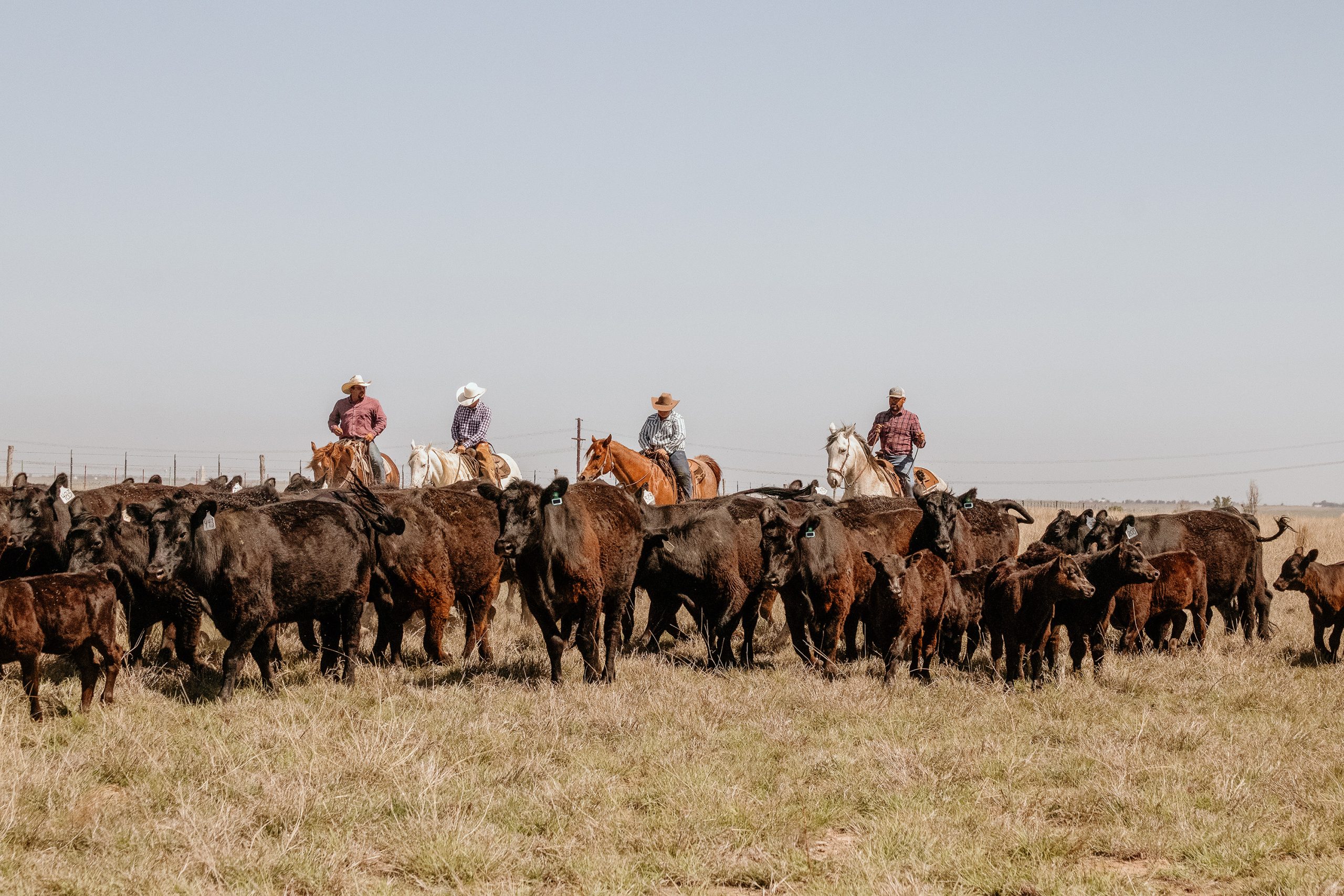
Cattle producers have always adapted to new technology, but the latest wave of innovation is giving them something previous generations never had: the ability to measure what is happening across the paddock and use that information to make more informed management decisions.
For generations, cattle production has been built around observation and experience.
A producer watches how cattle move through a paddock, assesses body condition, knows which cows tend to calve easily and develops an understanding of which parts of the property perform best.
That knowledge remains fundamental to running cattle.
But as labour becomes harder to find, properties become larger and margins come under greater pressure, there is increasing value in being able to measure what the eye cannot always see.
The growing availability of automated animal and pasture data is giving producers a new layer of visibility, from how much individual animals are consuming to where they are spending their time, how they are behaving and how efficiently they are turning available feed into production.
For CERES TAG Global Commercial Manager Siobhan Smith and Midwest US Sales Lead Matthew Randerson, who both come from cattle industry backgrounds in Australia and the United States, that is where technology can have its greatest impact.
It is not about replacing the experience of the producer. It is about giving that experience more information to work with.
“We’re not trying to change the way that you run your operation,” Ms Smith said. “We’re just trying to make things easier. We’re trying to make things more profitable for you.”
Measuring the unmeasurable
One of the enduring challenges of pasture-based production is that much of what matters happens out of sight.
A producer can look across a paddock and see cattle grazing, but cannot easily determine how much each animal has consumed, how efficiently it is using that feed or whether every part of the available pasture is being utilised.
That makes feed efficiency particularly difficult to assess at an individual animal level.
Automated monitoring is beginning to change that equation, for example, CERES TAG can collect behavioural measures including grazing, ruminating, resting and walking, alongside location and pasture feed intake data.
The significance is not necessarily in any one measurement, but in what happens when those measurements are brought together.
Two cows may look remarkably similar. They may weigh a similar amount and produce calves of similar weights. Yet one may require considerably more forage to achieve the same result.
Mr Randerson noted that that difference is difficult to identify through observation alone. “When you have a way to measure how much they’re actually eating, it really opens the door.”
At scale, those differences become increasingly important.
If producers can identify animals achieving comparable production with less feed, they have another tool to consider when making breeding and culling decisions, potentially improving herd efficiency without simply increasing the amount of land or feed required.
It shifts the conversation from simply asking how much a cow produces to asking how efficiently she produces it.
The value is not in the data itself
Collecting more information does not automatically make an operation more efficient.
The real opportunity lies in what happens next.
For technology to deliver a return, data needs to translate into a decision, whether that means changing how cattle are managed, identifying an inefficient animal or investigating something that would otherwise have gone unnoticed.
Reproduction is one area where that transition from measurement to management is particularly clear.
Automated reproductive information can help producers identify cows returning to oestrus following artificial insemination, providing an indication of which animals may be more likely to be bull-bred.
It can also provide insight into how quickly individual cows return to cycling after calving, creating another measurable indicator of reproductive performance.
Calving event indicators can add another layer, helping producers identify animals that may require attention without relying entirely on physical checks across large areas.
None of these tools replaces the producer’s judgement. Instead, they can help direct that judgement towards the animals and situations that need it most.
When the data tells you something is wrong
The same principle applies beyond individual animals.
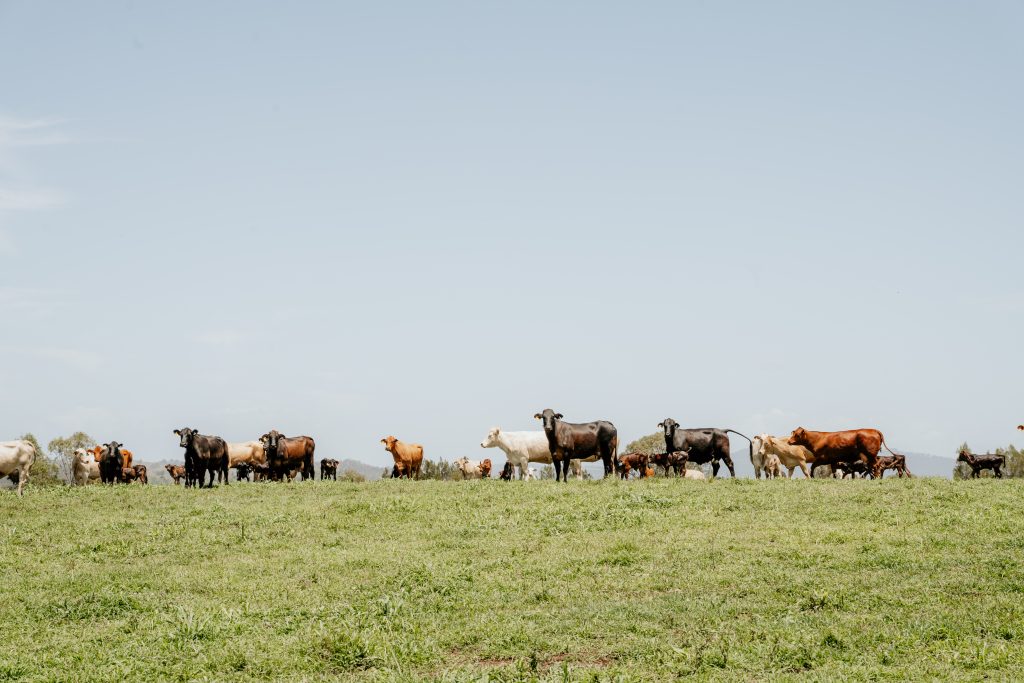
Location and movement data can reveal patterns in how cattle are using a property that may be difficult to identify from the ground. A large paddock may appear to be well utilised, yet the data may show cattle consistently concentrating in particular areas while leaving other pasture largely untouched.
Sometimes the explanation is straightforward. Moving a mineral supplement into an underutilised part of a paddock, for example, may encourage cattle to make better use of available pasture.
In other cases, the data can point to a much bigger management issue. Water placement can have a significant influence on cattle movement, particularly across large properties where watering points are widely spaced.
And sometimes the reason cattle are avoiding an area is something a producer would never have expected. Ms Smith said Australian producers had discovered large areas of paddocks they believed were being utilised, only to find through the data that cattle were largely avoiding them. In one instance, investigating the unusual movement pattern ultimately led to the discovery of a wild dog den.
That is where the value of automated monitoring extends beyond simply collecting information. The technology did not identify the cause. It identified a pattern that prompted the producer to ask why.
Giving performance a number
The ability to measure animal performance is also changing the way producers can think about genetics.
Cattle producers have always selected for traits such as reproductive performance, maternal ability and calving ease. But proving that those traits consistently translate into outcomes can be more difficult. Additional animal-level data provides another way to build that evidence.
For seedstock producers, that could mean developing a more detailed performance history around individual animals and using that information to support the traits being selected for.
Instead of relying solely on a claim that an animal has demonstrated a particular trait, producers can increasingly build a record of what that animal has actually done. That has implications beyond the breeder.
As more information becomes attached to individual animals, buyers can gain greater visibility into the performance behind the cattle they are purchasing, while sellers have stronger evidence to support the value of their genetics.
The result is a gradual shift from “trust me” to measurable performance.
Connectivity shouldn’t determine where technology can work
For all the potential of agricultural technology, connectivity remains one of the practical barriers to adoption.
A system that depends on mobile coverage, Wi-Fi or fixed infrastructure can become considerably less useful once cattle move beyond the homestead. That is particularly relevant across Australia’s remote cattle country and the large grazing operations of the United States.
CERES TAG’s direct-to-satellite connectivity is designed to operate without cell service, Wi-Fi towers or base-station infrastructure. That also removes a potential barrier for producers grazing leased or government land, where installing permanent infrastructure may not be practical.
Rather than requiring the property to be connected first, the technology can travel with the cattle. For large and remote operations, that distinction can be significant.
The ROI is in what happens next
As more technologies enter the agricultural market, producers are right to ask a simple question: what is the return? The answer is unlikely to come from the data alone.
“The technology is going to provide you with data and the data needs to be actioned,” Mr Randerson said.
That action could be a significant management decision, changing bull allocations, identifying inefficient animals or altering breeding strategies.
But it can also come through a series of smaller decisions made throughout the year, such as:
- Moving a mineral supplement
- Investigating an area cattle are avoiding
- Responding to a calving alert
- Identifying cows returning to cycle
- Understanding which animals are converting available pasture most efficiently
Individually, these decisions may appear relatively minor. Across an entire herd and over multiple production cycles, however, those incremental improvements can begin to add up.
That is where the business case for technology becomes less about having another dashboard to look at and more about having better information at the point a decision needs to be made.
Technology cannot solve all challenges on its own. But it can help reduce the amount of time and labour required to physically monitor every animal and every corner of a property.
For Mr Randerson and Ms Smith, that is an important distinction. The goal is not to replace the producer or the stockman. It is to provide another set of eyes when the producer cannot be everywhere at once.
The future of cattle production is unlikely to be a choice between technology and experience. It is more likely to be a combination of the two.
For an industry built around generations of accumulated knowledge, the technology may be new. The objective is not. It is still about producing cattle efficiently, running a profitable business and building an operation that can be passed on to the next generation.
In this podcast, Siobhan Smith and Matthew Randerson to talk about what they’ve seen in the field across Australia and the United States, from the finer details of day-to-day practice to the different ways ranchers are getting the most out of CERES TAG.
Click here for further information or Email Info@cerestag.com .

HAVE YOUR SAY