
WITH the heavy emphasis given to meat quality and MSA index traits in genetics assessment, it’s sometimes easy to overlook the contribution that carcase weight plays in optimising revenue in the beef industry.
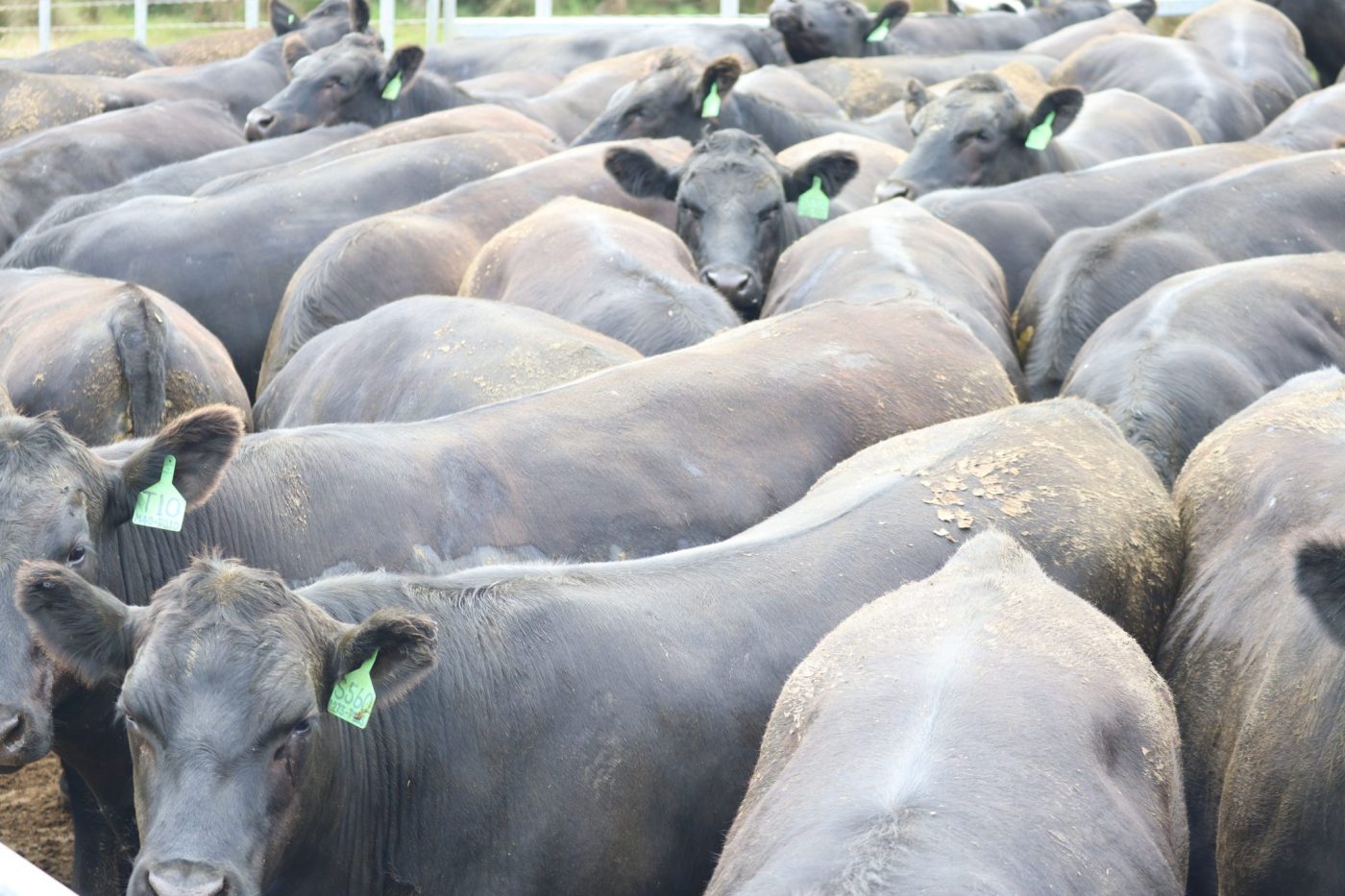
Earlier in the year Raff Angus sold 144 steers into a Sustainably Certified, 100pc Grassfed, No HGP, No Antibiotic, Pasture Raised Prime Yearling beef brand program.
These were the tail end male progeny to autumn-drop brothers that sold at last year’s Raff Angus annual bull sale.
The steers were all Herd Book Registered and Performance Tested, both over the scales and scientifically through genomics, and were Parent Verified.
When compared against similar MSA steers on the myMLA Dashboard (southern grassfed, no HGP, same ossification), these bodies had a 24kg heavier carcase weight than the average of all steers processed that day.
At $8.80/kg they made $211/head more than the average, or $30,412 extra income for that consignment.
With premiums for marbling available, even if every steer processed that day graded marbling score 4 with an MSA Index of 64 and gained the 40ct/kg premium offered by this supply chain, our heavier carcase weight steers still returned $91.60/head more or $13,190 extra for the consignment.
During the past five years we have sold 814 prime yearling milk-tooth grass finished steers and heifers. Compared nationally within the MLA myMSA dashboard, they have netted $337/head more value, to gross an extra $274,963.
Feedlot performance: it’s more than the prize
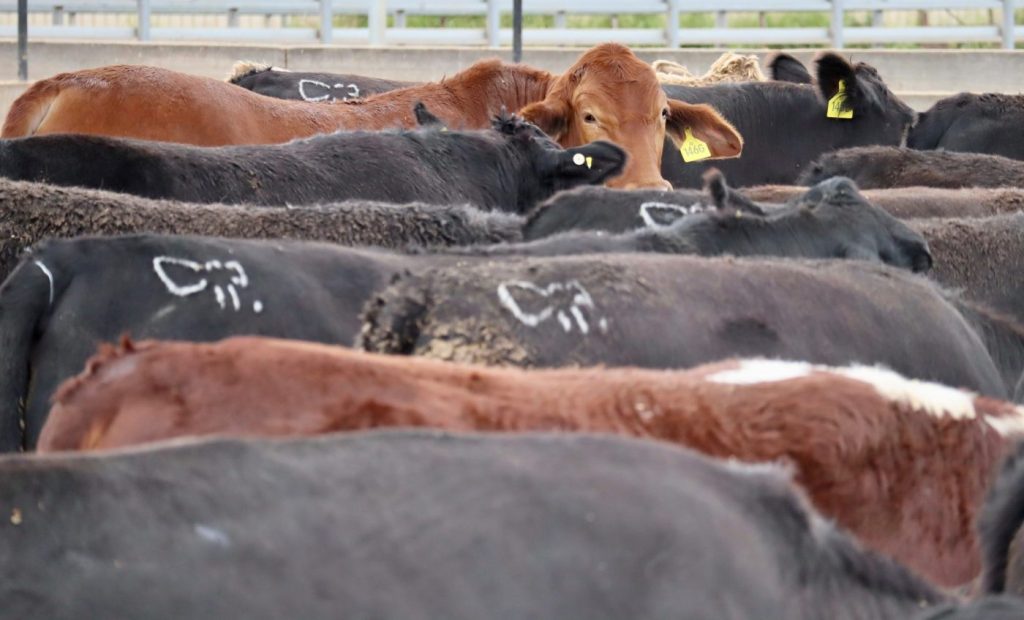
These past years we have been entering pens of steers into the highly competitive RNA Paddock to Palate performance competition in Queensland, measuring entries for feedlot weightgain, carcase quality and yield.
Whilst we all like winning, we see it as a platform where we can not only benchmark against some of the industry’s best, but also gives opportunity to self-analyse.
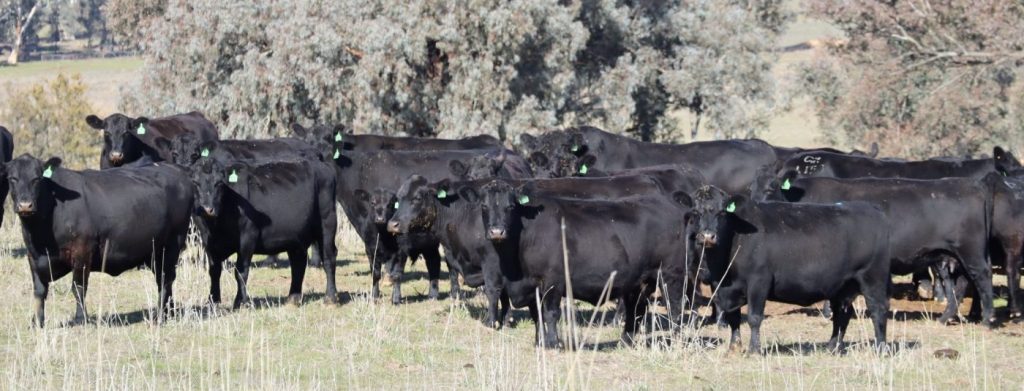
Our two pens headed north from King Island in February. 2200km later, they were inducted into the JBS Beef City Feedlot west from Toowoomba.
These steers came from our Autumn born group. They were drafted to meet induction weight specifications, however the two pens were split purely on phenotype.
We deliberately had a distinct variance in type between pens. Pen A were larger framed steers that had extra bone, extra width of topline and more backend shape. This pen visually looked like they would grow-on. Pen B were a little more moderate with a little more softness and looked as though they would mature earlier with perhaps enhanced carcase quality.

Same age, same contemporary group, different maturity pattern.
The Pen A steers that had more frame and more bone structure added $107.10 per steer more value on induction.
- These growthier steers gained 0.20kg more per day during their 120 day feed period when compared to Pen B – the earlier maturing steers.
- At their end of days on feed, these growthier steers added $234.60 per steer increased value because on their enhanced ability to gain more weight.
This highlights the importance of frame size and bone structure.
Within the Angus breed there has been increased selection preferences for low birth weight, low mature cow weight and high marbling types.
There is no argument on what is right or wrong or what in efficient on not. The point that we continue raise is that if we push these industry preferred traits, then how can we expect animals to be profitable for all sectors of the industry?
Beef City RNA steers
Birth weight – The size of the calf at birth is not everything…
As documented by us in earlier publications, we believe ‘small to small’ has a natural diminishing effect – not only on that animal’s ability to grow and add weight, but also on its skeletal shape and bone mass.
The resulting daughters from a low birth weight bull will generally need joining sires of similar or even lower birth weights because of such an inherent natural diminishing effect.
Heifers should be challenged. The Angus breed never had conversations around calving ease and low birthweights. Historically they were well known for their ease of calving and maternal qualities.
For decades, ourselves and others have struggled with the perception that heavier weighing cows that produce heavier weighing calves leads to increased calving difficulties.
Whilst we were Calving Ease Scoring all calves at birth for many years, last year we started weighing everything at birth again.
This year all Autumn calving females were weighed pre-calving. 665 calves were born. Every calf was weighed at birth.
Despite being reported unfavourably for EBV calving traits we assisted just 2.77pc of the 665 calves born this past season. Calves were sired by both International and Homebred bulls that had a Birthweight EBV range of +3.4 to +12.2.
Industry must not look at a weight of the calf at birth or their EBV as a standalone form for selecting calving ease
Industry must not look at a weight of the calf at birth or their EBV as a standalone form for selecting calving ease.
That is an easy assumption. This past calving we have gone down the tedious path to further validate our commentary. The birthweight of each calf was calculated against the weight of the cow it came out of.
This has allowed us to determine with absolute accuracy where our percentage weight of the calf sits relative to the size of the cow.
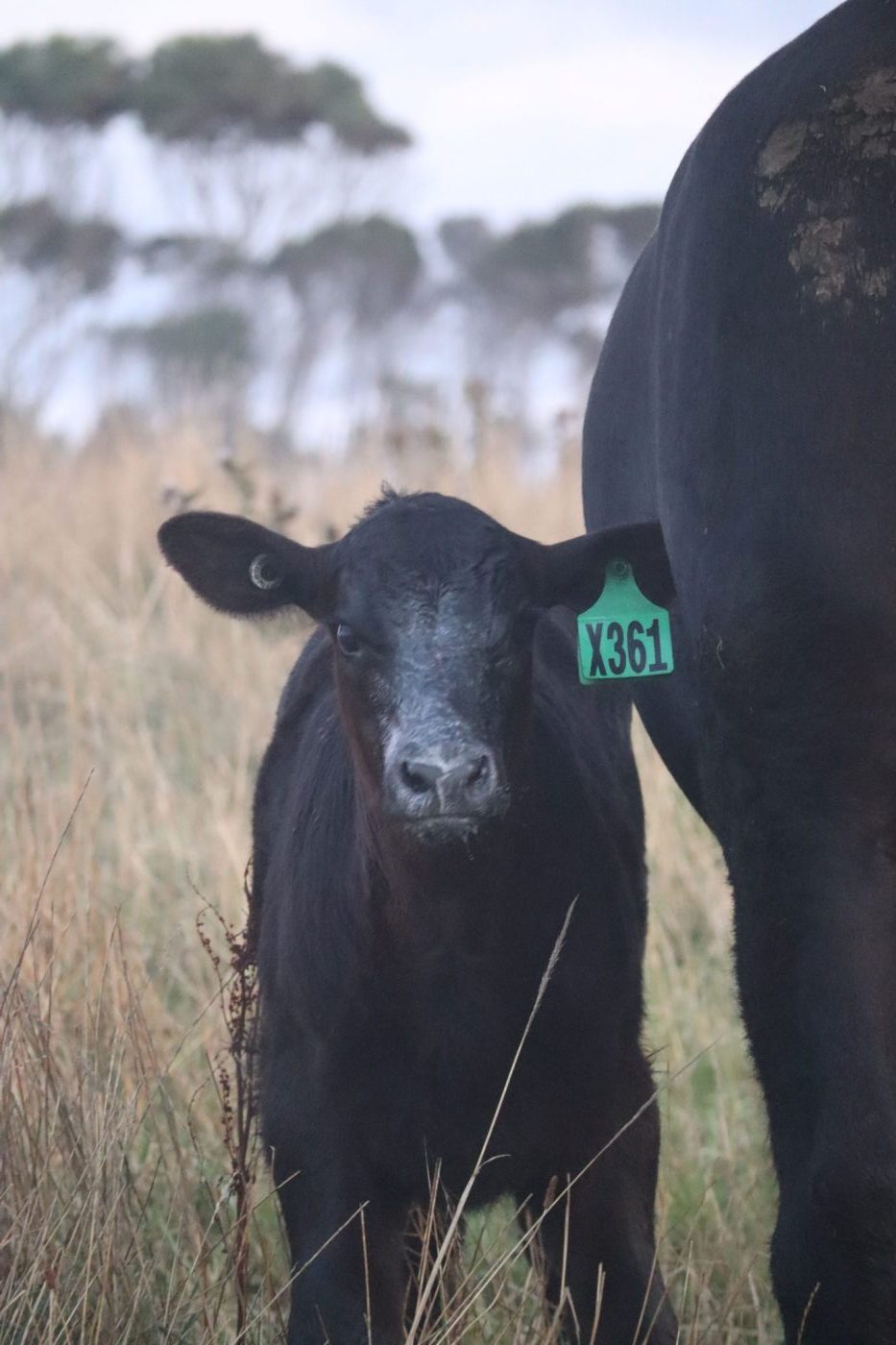
Our Autumn calves this year averaged 5.76pc of their mother’s weight at birth:
- 5.76pc of an industry-average 500kg cow is a 28.8kg calf.
- 5.76pc of a Raff Angus average 730kg cow is a 42kg calf.
Relative to the size of the cow, the calf came out of there is no difference. When we hear a kilogram weight of a calf at birth, industry has very little consideration of the size/weight of the cow that the calf is birthed/calved from.
2026 Raff Angus Sale – bulls with a difference in a heavily saturated market…
With more than 3000 Angus seedstock bulls selling at auction over the months of July and August, we believe it is important to offer at our annual sale ‘Bulls with a Difference’.
Fertility and Calving Ease are two traits so obvious to profitability that we tend to preference conversations beyond the obvious and talk about other key traits that also drive forward momentum within commercial programs.
Growth, Carcase Weight, Yield & Feed Efficiency
Without doubt this year’s draft have more capacity, more depth of body, more hindquarter expression and more topline width than any draft we have offered whilst maintaining extra bone, muzzle strength and frame size our genetics are renown for.
We will be offering 90 bulls this year: 25 will be spring born 22 month olds with 65 being selected from the autumn group selling as 18 month olds.
EG Eyes Onyou sons will again feature. They continue to weigh heavy with added depth of body combining muscle with softness and shape. Baldridge Badger leads the group for offering extra shape, muscle expression and topline width. Sons of homebred sires are to be considered if you want added frame with body length and neck extension.
These types walk out with ease and always produce big heavy bullocks.
- Sale bulls vaccinated for – Tick Fever, 3 Day Sickness, Botulism, Vibrio, Pestivirus, Bovilus MH+IBR, Ultravac 7in1. Pesti Virus Ear Notch Tested Free.
- Breeding Soundness Examined. Ced Wise AB – crush-side semen-tested, morphology reported.
- Fully Performance Recorded – Calving Ease, Birth Weight, 200, 400, 600 Day Growth, Scrotal Size, Frame Score.
- Independently Docility & Structural Scored.
- Ultrasound Scanned for Carcase.
- Parent Verified. Genomic Analysed.
- All Raw Data is published.
All sale bulls are managed at our new property 30km south of Wagga at ‘Brooklyn West’ for six months prior to sale day. Temperature range –2˚C to +45˚C
Freight assistance – Free Delivery to major centres…
Transport costs are well up on previous years. With the distances our bulls cover in Queensland to get to their end destination and with our growing interest in the south we have decided to cover some cartage costs at this year’s auction bull sale at Drillham.
Bulls purchased at our Drillham Qld bull sale will have free delivery to major centres within a 700km radius in Queensland. Bulls purchased that are to head further south beyond the boarder will return to our property ‘Brooklyn West’ at Wagga or be dropped off at major centres on route at no cost to the purchaser.
 OPEN DAY
Seeing is believing…
As part of this year’s Southern Beef Week, we will be opening the gates on Tuesday 28 July. Following the purchase of a property 30km southeast of Wagga NSW, less than two years ago, we have seen a reignited and genuine interest in our genetic variance and alternate breeding beliefs to mainstream.
All bulls destined for our annual bull sale along with a strong lineup of private treaty brothers will be penned up. This day allows direct inspection opportunities to view bulls with a point of difference. Also, our elite mature cows will be on display. Most of which have autumn calves at foot.
Open Day date: Tuesday 28 July
Location: ‘Brooklyn West’494 Brooklyn Lane, Book Book NSW
Time: Gates open from 10am.
41st ANNUAL RAFF ANGUS SPRING BULL SALE
90 ‘Bulls with a Difference –
Date: Friday 14 August
Location: ‘Mundibulanga’ – 641 Moores-Bice Rd, Drillham QLD
Time: Sale starts 1pm.
To access further information about Raff Angus, the annual Spring Bull Sale or Open Day, click here.
The Raff Angus point of difference
McDonalds & Hungry Jacks – they’re beside each other but what’s the difference?
With more than 50pc of the national beef herd influenced by Angus genetics, in a heavily saturated bull market, we believe that Raff Angus maintains its unique point of difference.

Just like a burger at Hungry Jack’s and McDonald’s, it’s not the burger, or in our case a black hide, that matters. It’s what’s inside the burger (black hide) that makes the difference.
We continue to breed Angus cattle to grow fast and weigh heavy with extra carcase weight, yield and feed efficiency. We want our cows to mature with good frame size and be big in capacity, have good pin width with body weight.
Maternal qualities… they are paramount. We want our steers to yield heavier carcase weights while maintaining traditional carcase quality. Our herd must have neck extension, good heads and big ears, with strong muzzles. They must have strong skeletal structure, good heel depth and foot structure. They must have good coat types with fine skin and looseness.
We want our bulls to be strong boned. They must have back end width, depth of flank and hindquarter expression. They must have the ability to walk out with ease. They must be tough.
We want our cattle to be profitable for all sectors of the industry –
- Profitable for the Cow/Calf Producer
- Profitable for the Backgrounder
- Profitable for the Grass Fed Bullock Producer
- Profitable for the lotfeeder
- Profitable for the processor.
Efficiency: It’s more than a breath…
The beef industry’s growing focus on sustainability and its methane footprint must surely prioritise towards a greater genetic selection emphasis on cattle with superior meat yield and growth rate.
Research is now indicating this to be the case. Muscle and fat have a negative correlation. Animals with an early maturity pattern have an inherent point where they can no longer convert feed to muscle.
Instead, they simply lay down fat and become inefficient. Animals of late maturity, that keep growing, have an inherent point where they take too long to finish and themselves also become inefficient.
We always have and will continue to maintain the belief that an animal with frame and constitution has more potential to convert feed – grass or grain – to a red meat protein with more efficiency.
Unfortunately, it is difficult to measure efficiency within a grass fed or pasture production system. However, it is interesting to observe that animals reported by science to have strong growth traits with the genetic capability to produce big carcase weights of high yield are also reported to be Efficient through the NFI Estimated Breeding Value.
That is, they are expected to eat less feed per day relative to their weight and rate of gain.
It is interesting to note that to lay down a kilogram of fat, an animal eats six times the amount of grass than to lay down a kilogram of muscle. An efficient animal that takes less days on feed and produces a heavy carcase weight must obviously produce less methane.
This year we again offer many bulls that are reported favourably for NFI. It is something that we will continue to select for. With enhanced accuracy we look forward to the time when NFI is factored into the calculation of $$ Selection Indexes, as currently they are not.
The Raff Angus herd – 61 years in the making…
Raff Angus is dedicated to Angus Seedstock Production for the Australian beef industry.
Our herd is built off strong maternal lines with most descending directly from our foundation cows purchased in 1965.
 With the obvious fertility and calving qualities at front of mind we aim to produce genetics that are profitable for all sectors of the Beef Industry. While marbling is important, equally crucial traits such as growth, weight for age, and heavy carcase weights of high yields remain our priority.
Our cows are maternally made. They are big hipped with capacity, and pin width. They have extra neck extension and body length with fine skins. Our bulls are masculine in appearance.
They have head carriage, extra bone and frame size with width of topline and hindquarter expression. All are built with structural integrity.
Longevity is important. Near 800 HBR registered calves are born annually allowing for intense pedigree, phenotype and raw performance selection. Science then follows. Steers and surplus females are 100pc grass finished on farm and sold Sustainably Accredited.
Carcase feedback is a big part of our genetic analysis. Our production hub is on King Island, Tasmania. Bull management is on our mainland property south of Wagga. NSW.