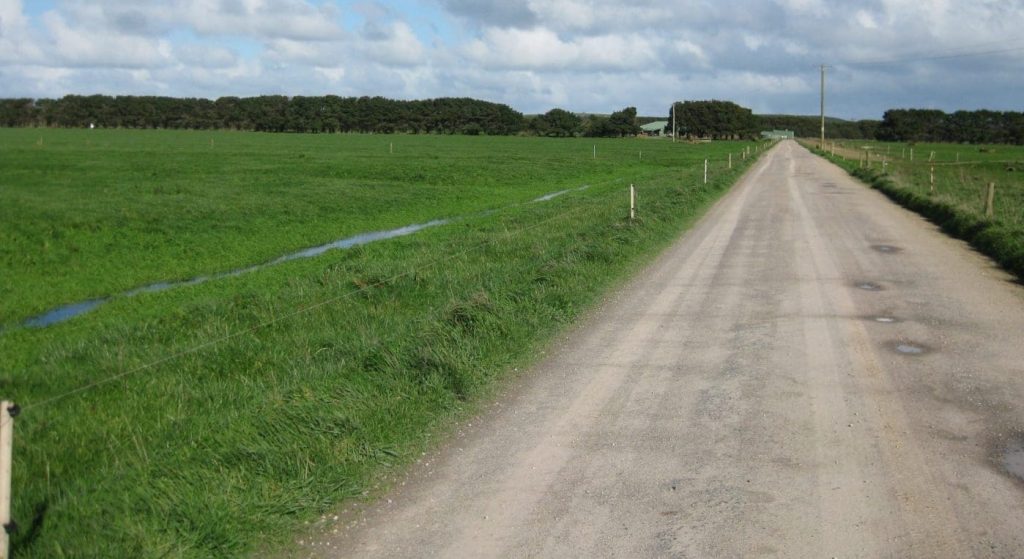
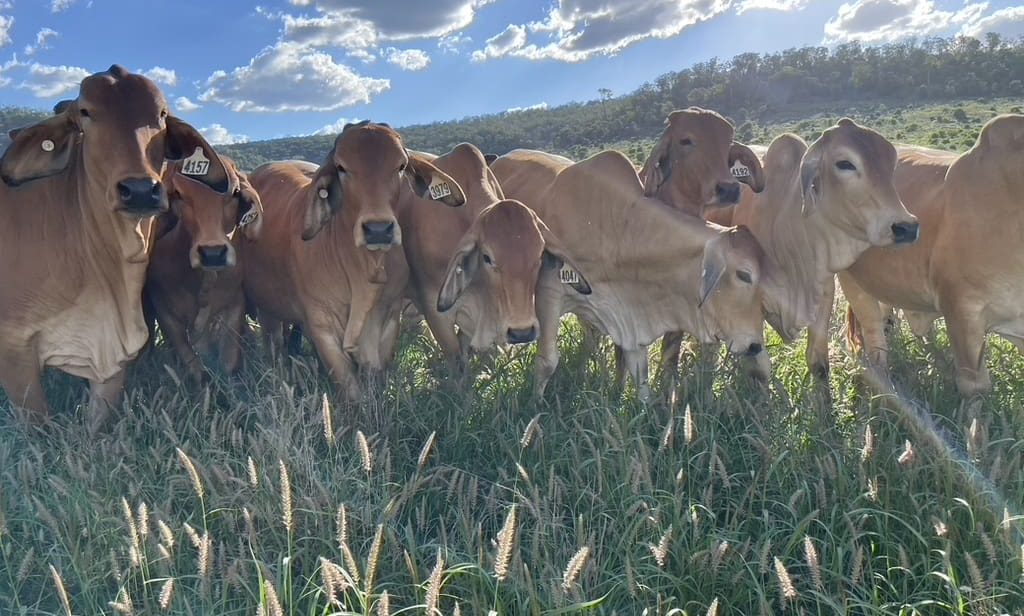
FROM tightly-held improved pasture in the south to extensive natural pasture cattle country in the north and west, about $25 million buys very different grazing assets depending on the location.
This week’s property review compares the scale, carrying capacity, water security and infrastructure available at that price point across the nation.
New South Wales
In NSW, around $25 million can secure a highly-improved, higher-rainfall breeding and backgrounding platform on the Northern Tablelands, or a substantial North Coast breeding and finishing aggregation with strong carrying capacity and reliable water.
Offered with a price guide of $23m to $25m, the 2352ha Gleneagles has returned to the market after three years of ownership following a change of direction by owner Rosella Rural.
The highly improved breeding and backgrounding platform is located 17km from Walcha and 78km from Armidale in the New England region of northern New South Wales.
 Offered with an estimated carrying capacity of 16,000 dry sheep equivalents or 1000 breeding cows and progeny, the property is currently operated as a European Union accredited Angus beef cattle breeding enterprise. However, it is equally suited to sheep, wool, prime lamb production or mixed livestock enterprises.
Around 982ha has been established to improved perennial pastures and annual fodder crops, including 755ha sown to a New England pasture mix of fescue, cocksfoot, rye and clovers.
Annual fodder cropping areas include oats and ryegrass, providing valuable winter feed and finishing capability within the grazing platform.
Since 2023, significant capital expenditure has been undertaken with around 1600ha (70 percent) benefitting from fertiliser applications, including a 466ha single superphosphate program completed in 2025.
Water is underpinned by two equipped bores, dams, springs and Emu Creek frontage.
Infrastructure includes three residences, steel cattle yards, a four-stand shearing shed, two steel sheep yards,100 tonnes of grain storage and a shed.
A second New South Wales example within this price level is the 1562ha Avoca Vale Farms, which will return to the market with a reduced price guide of $23.5m following the recent passing of Frank Hannigan, Northern Rivers solicitor and former chairman of the Casino Food Company, owner and operator of the Casino meatworks.
The breeding and finishing country, 10km west of Casino and 40km from Lismore, will be reoffered as a whole or in separate parcels starting at $1.15m.
The contiguous holding features rich heavy basalt, alluvial and loam soils. More than 70pc is considered arable and sown to high performance sub-tropical pastures.
Originally home of the Franco Hereford stud which operated from the 1980s until the final dispersal sale in 2023, the heavy carrying capacity country runs 1250 to 1500 cows or 25,000DSE to 28,000DSE.
Situated in a 1070mm annual rainfall region, Avoca Vale Farms is watered by 25 dams, creeks, bores, the Diamond D lagoon and an associated 82ML water licence for contingency purposes that also offers the incoming purchaser irrigation potential.
Infrastructure includes a four-bedroom home, three cottages, five cattle yards (including a sales complex), 11 supplementary feeding yards, numerous sheds, a feed mill and silos with a 300-tonne capacity.
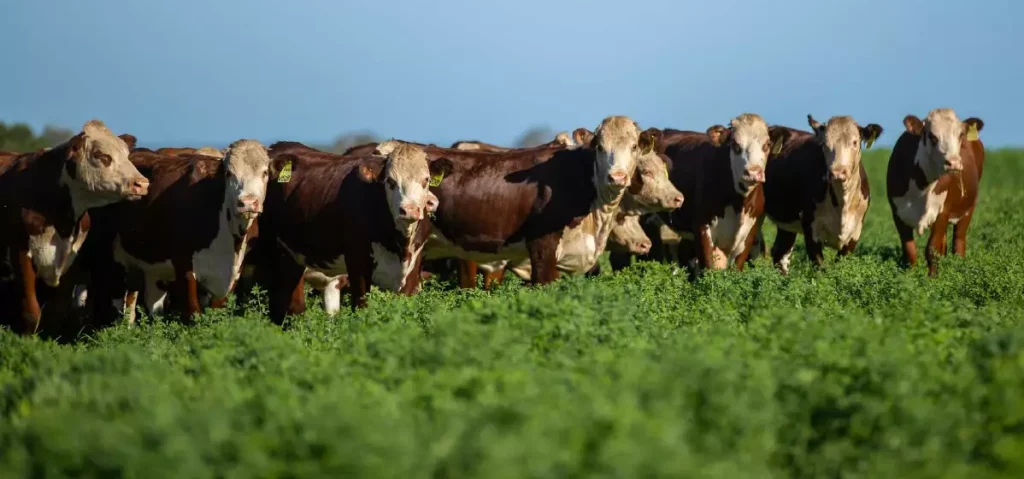
Cattle on Avoca Farms
Queensland
In Queensland, a $25m budget can buy either a large freehold southern grazing holding within reach of major regional centres or an extensive northern cattle breeding and backgrounding station offered on a walk-in, walk-out basis.
The historic Warroo Station, spanning 9357ha, is 40km from Inglewood and sits within Queensland’s Southern Downs region, between Goondiwindi, Warwick and Stanthorpe.
The property has remained in continuous family ownership since original settlement, across seven generations, and has longstanding ties to the Red Angus cattle breed and to the sheep and wool industry.
The mostly open, lightly timbered natural grazing country has expansive alluvial flats rising to gentle low hills, capable of running 1600 breeders or 20,000DSE.
Around 1675ha, historically under lucerne, is arable and could be returned to cultivation.
Warroo is watered by eight bores, 47 dams, spring fed gullies and numerous creeks, with semi-permanent waterholes in a 660mm rainfall region.
Double frontage to the Bracker Creek provides seasonal flows and several larger waterholes, with the potential to bring underground streams to the surface via excavation.
Infrastructure includes a five-bedroom circa 1800s homestead, a manager’s residence, a cottage and quarters, three cattle yards and three sheep yards, plus extensive machinery and storage sheds.
Another Queensland example is Durrandella, a central western Queensland grazing property offered for the first time in more than 100 years, that sold under the hammer in May for $22.5m, bare of livestock.
The 25,700ha beef breeding and finishing enterprise, capable of running 2355AE, is located 50km south of Alpha and 90km north of Tambo.
When Durrandella was offered to the market, it was destocked and carrying abundant feed.
The property is naturally divided by a section of the Great Dividing Range, creating two distinct areas known as the Back Country and the Front Country.
The Back Country is the stronger part of the holding, featuring established buffel grass and a mix of brigalow, ironbark and box country.
The Front Country lies closer to the homestead and includes areas of buffel supported by lighter country.
Durrandella is watered by bores and dams.
Infrastructure includes a home, a second dwelling, quarters, three cattle yards and numerous sheds.
In North Queensland, Tabletop Station is anticipated to achieve around the $25m mark on a WIWO basis despite being offered to the market without a price guide.
The 18,970ha Burdekin beef breeding and backgrounding operation near Bogie is located 23km north of Collinsville and 70km south-west of Bowen.
Tabletop has undulating open timbered country with quality soil types and is run as a breeding operation with a carrying capacity of 4600AE.
With a reliable annual rainfall of 708mm, it can support 3100 head of cattle, which are included in the sale.
With further pasture development and additional fencing, cattle numbers could be lifted or productivity improved through better weight gains on existing numbers.
The property is abundantly watered by 16 equipped bores, 35 dams and semi-permanent waterholes in the Table Mountain, One Mile and Rocky Creeks.
Infrastructure includes a four-bedroom home, a three-bedroom cottage, a one-bedroom donga, a two-bedroom dwelling, numerous sheds and steel cattle yards.
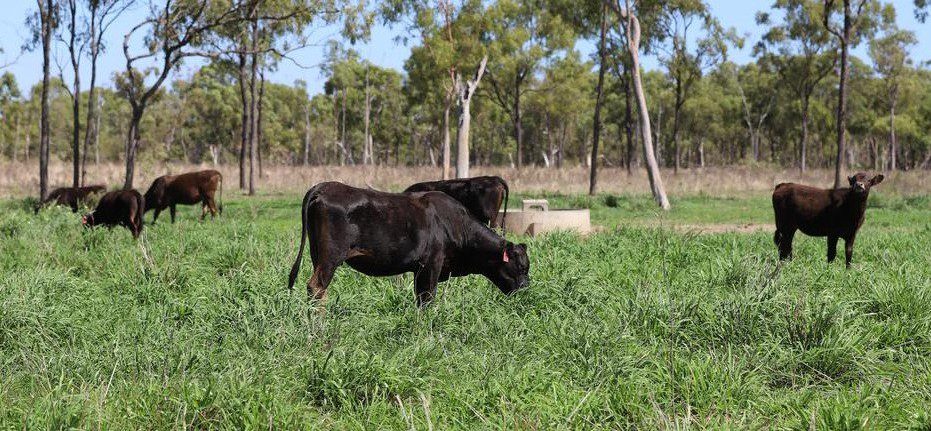
Wagyu cattle on Tabletop
Northern Territory
In the Northern Territory, $25m can buy scale, cattle, plant and development potential, with listings typically offered on a walk-in, walk-out basis and supported by water licences, cleared country or farming upside.
A freehold grazing and farming opportunity spanning more than 6500ha is under contract for around $18m on a WIWO basis including an extensive list of plant and equipment, a 390ML water licence and 2000 store cattle.
The adjoining 3917ha Napier Valley and the 2603ha Jarrahdale, 30km south of Katherine, have sealed road frontage providing year-round market access.
Around 3000ha of developed country is used for backgrounding 2000 dry cattle, as well as producing hay.
Benefitting from 1000mm of annual rainfall, Napier Valley and Jarrahdale are positioned within a fertile area noted for established agriculture and horticulture businesses.
Infrastructure includes multiple dwellings and sheds.
Also within the budget, Banjo Station is an extensively developed 57,800ha perpetual pastoral lease located 250km south of Katherine.
Offered for around $25m, including plant and equipment and cattle with numbers still to be determined, Banjo is a cattle breeding and farming venture.
Around 6885ha of the flat to slightly undulating country with dark red, black and red soils have been cleared for cultivation, with around 2400ha planted to fodder crops, hay and grain.
The balance of country is covered with light to medium timber and grasses.
Banjo’s carrying capacity, excluding the cleared cultivation land, has been lifted from 3000 to 4000 breeders and followers, in line with the Sturt Plateau benchmark of around eight breeders per square kilometre.
Situated in a region with 800mm of average annual rainfall, there are several semi-permanent waters, as well as three bores supplying high quality water to tanks and troughs.
Improvements include new fencing, as well as four feeding yards with concrete bunkers facilitating silage/grain feeding for around 1000 head.
Infrastructure includes a four-bedroom home, a two-bedroom cottage, staff quarters, new steel cattle yards, numerous sheds and 8000 tonnes of silage storage.
Western Australia
In Western Australia, our $25m budget is more likely to buy an extensive pastoral operation than a compact high-rainfall grazing asset, although Elders rural sales specialist Greg Smith reports no recent pastoral sales in that price bracket.
“That amount of money in Western Australia’s pastoral areas would buy a property well set up for cattle and capable of running around 10,000 head of cattle. The size of country would vary depending on carrying capabilities,” he said.
“It is important to note that all Western Australian pastoral transactions are conducted on a walk-in walk-out basis, so the value of the cattle, plant and equipment are also incorporated into the sale price,” Mr Smith explained.
South Australia
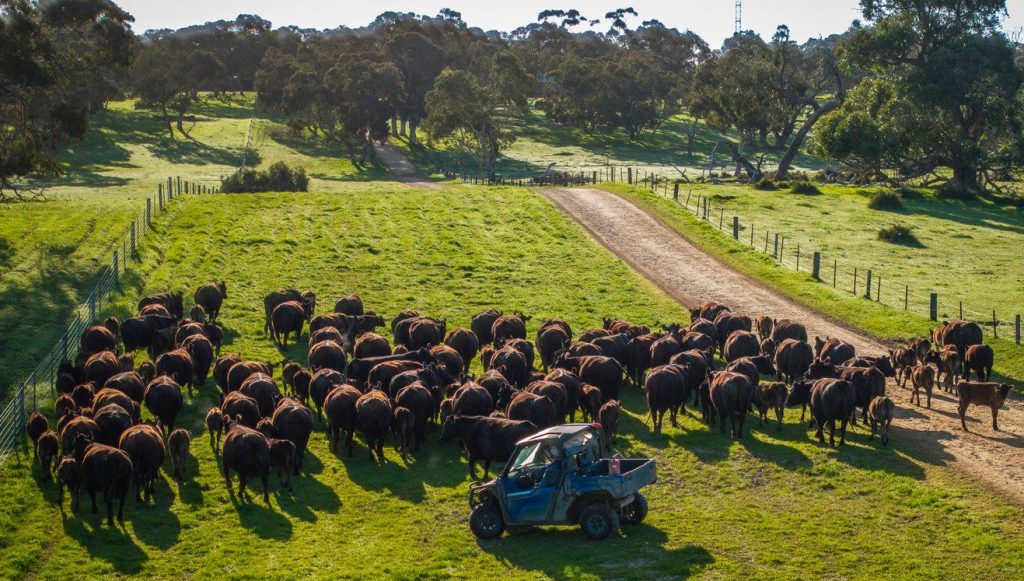
In South Australia, the $25m bracket buys blue-ribbon high-rainfall grazing country in the state’s South East, with improved pastures, a long operating history and established sheep and cattle infrastructure.
Maranoa Downs offering exceptional feed is a 1699ha blue-ribbon holding near Stewart Range, 17km west of Naracoorte and 118km north of Mount Gambier.
Listed with a $20m to $24m price guide on a bare basis, the property is being sold by the Western District Pastoral Co after 66 years of ownership.
The property has undergone extensive pasture improvement with established stands of phalaris, lucerne, ryegrass, clover, cocksfoot and chicory and is currently running 930 breeders.
In recent years 159ha have been deep ripped to a depth of 800mm, in addition to 40ha benefitting from a clay application.
Maranoa Downs is subdivided into 52 main paddocks, with two kilometres of new fencing, and is watered by several dams and two equipped bores.
Infrastructure includes a renovated four-bedroom home, a four-stand shearing shed, steel sheep and cattle yards and numerous sheds.
Victoria
In Victoria, $20-$25m can buy blue-ribbon Western District grazing country with diversified income potential.
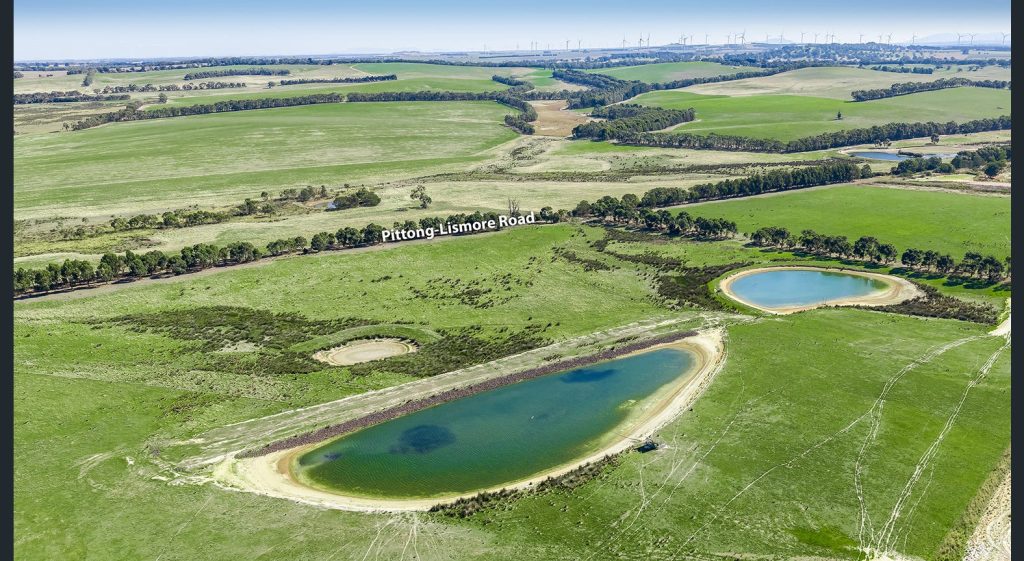
The 1742ha Pittong Pastoral, located 20km from Ballarat and two hours from Melbourne, has been held by the Knight family for more than 140 years.
The family runs a Merino and crossbred sheep enterprise, with diversified income from kaolin clay mining, a 105ha blue gum plantation and a contracted renewable wind energy project for eight turbines.
Offered with an estimated carrying capacity of 15,000DSE, Pittong Pastoral (pictured below) has improved pastures supported by a 50-year fertiliser history and reliable rainfall.
Infrastructure includes a cottage, two shearing sheds, a crutching shed, multiple sheep yards, numerous sheds and grain silos.
Tasmania
On Tasmania’s rugged far north-west coast, around $25m will secure a rare slice of one of the state’s most iconic rural holdings.
The 1537ha Woolnorth Homestead Title has been carved off the much larger 9500ha Woolnorth property, which was offered to the market in 2024.
Dating back to 1827, Woolnorth is steeped in history, with livestock grazing its pastures long before the settlement of Melbourne began.
Today, the landmark property offers a connection to Tasmania’s pastoral heritage, alongside significant farming, tourism and investment opportunities.
The productive farmland features a mix of rolling hills and fertile lower country, with extensively renovated pastures growing ryegrass, white clover and cocksfoot suitable for both cattle and sheep.
Set in a high-rainfall area, the property is further supported by water from a bore and natural spring.
Infrastructure includes an elevated western red cedar home positioned to capture breathtaking coastal views, six additional residences, staff accommodation, a 13-stand shearing shed, shearers’ quarters, numerous sheds and three dwellings dating from the early 1800s.
Woolnorth also presents potential for renewable energy development.