
THIS week’s property review includes this wrap up of recently completed sales and two separate articles on properties for sale.
- Historic SA station sells to the Barnes family
- Two producers expand with NSW far west grazing country
- Traditional owners secure Riverina cattle station
- $16,000/ha for Riverina grazing block
- Negotiations underway for Maranoa’s Twelve Mile
Historic SA station sells to the Barnes family
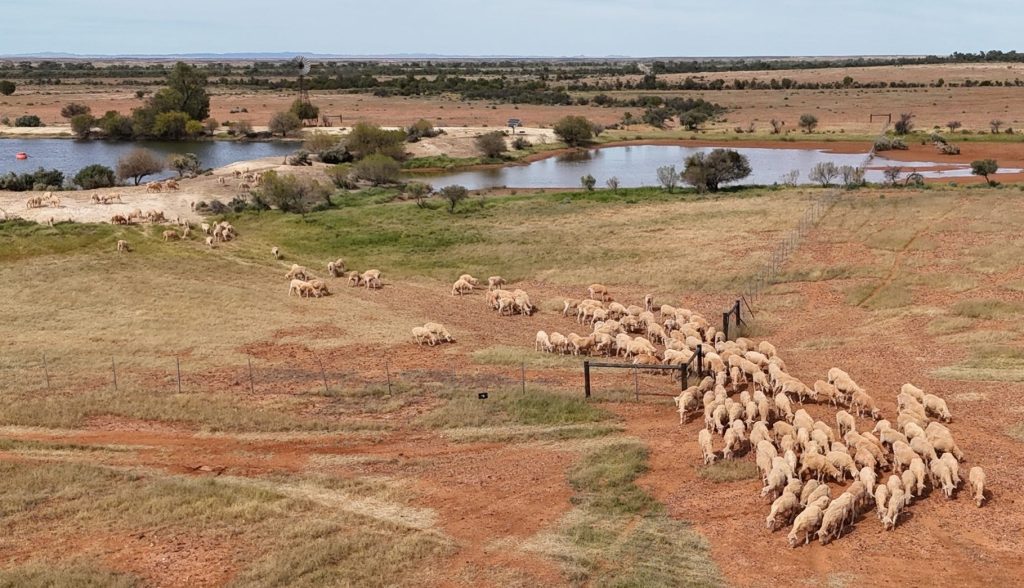
South Australia’s historic Farina Station has sold at auction to the Barnes family for $2.75 million.
The 22,700ha sheep and cattle station, that also includes tourist accommodation, was listed for sale in May by retiring Kevin and Anne Dawes after 44 years of ownership.
Jason and Jane-marie, who currently lease Gidgealpa Station near Innamincka, purchased Farina on a walk-in, walk-out basis, including 1460 breeding ewes and around $250,000 of plant and equipment.
Nutrien Harcourts agent Tim Wooley said the sale was in line with expectations compared to other pastoral transactions in recent years.
Farina Station fronts the Outback Highway, 26km north of Lyndhurst and 55km south of Marree, in the state’s far north.
 With a pastoral rating of 2700DSE, Farina Station has historically carried a self-replacing Merino sheep flock, while also supporting dorpers and Angus and Hereford cattle.
The main sealed highway runs north to south through the middle of the property providing strong access and straightforward management.
This year, Farina has enjoyed an exceptional start to the season, with two major rain events in February and March transforming the land system and providing water and feed for the coming two years.
The Leigh, Witchelina, Mundy and Farina Creeks cross the property and join just west of the homestead creating excellent flood out country and high-quality grazing.
Additional water comes from 10 dams and three smaller seasonal catchments, all of which are currently full.
Infrastructure includes a four-bedroom home, numerous sheds, workers accommodation, a five-stand shearing shed, steel sheep and cattle yards and shearers’ quarters.
Farina Station also earns income from tourism, with campgrounds along Farina Creek and a self-drive 4WD route through the property’s western ranges.
Two producers expand with NSW far west grazing country
Two producers have paid a combined $4.2 million ($278/ha) to expand with more than 15,000ha of organically certified grazing land in the far west of New South Wales.
Located 12km apart, the 10,890ha Connors and 4197ha Connors Extension are around 64km from Broken Hill and 120km from Menindee.
Offered for sale by the Harrison family who are scaling back their operations, the two properties had benefited from favourable early season rainfall.
Malparinka’s Sam and Tennille Siemer paid $3m to expand with the 10,890ha Connors.
With direct frontage to the sealed Silver City Highway, the proven cattle paddock is also suited to dorpers.
The Pine Creek floods to the edge of the Mitchell grass plains growing a mix of native grasses, herbage and salines.
Watered by two bores and a dam, the only infrastructure was a set of steel cattle yards.
Meantime, neighbour Alex McLeod secured the 4197ha Connors Extension for $1.2m.
In March, the McLeod family paid $7.1m for the adjoining Willeila Station spanning 28,985ha.
Suited to lambing ewes, Connors Extension features open areas of bluebush, copper burr and seasonal winter herbages, as well as light sandy rises with belah, nelia and rosewood.
Offered with a history of finishing up to 1500 lambs in favourable seasons, it comes with sheep yards and is watered by a bore and a dam.
During the marketing campaign, Nutrien Harcourts agent Troy Hartman offered a price guide of $260/ha ($105/ac) to $285/ha ($115/ac).
He said both holdings successfully met their reserves and achieved levels above expectations, securing an excellent outcome for the local district.
Traditional owners secure Riverina cattle station
Traditional owners, the Nari Nari Tribal Council (NNTC) has paid an undisclosed sum for a southern Riverina cattle backgrounding and timber harvesting enterprise that is home to one of Australia’s most significant inland wetlands.
The 27,499ha Juanbung Station and the adjoining 615ha Boyong Station are 50km north-east of Balranald and 75km north-west of Hay, in New South Wales’ south-west.
They were offered to the market by Nature Conservancy Australia and Tiverton Agriculture in June 2023 for more than $60 million after four years of ownership. The two stations were purchased in January 2019 from prominent Melbourne businessman Tim Roberts-Thomson for $57m.
Last week, it was announced the NNTC had acquired Juanbung and Boyong Stations with the backing of a $15m impact loan from Bank Australia and the Clean Energy Finance Corporation (CEFC).
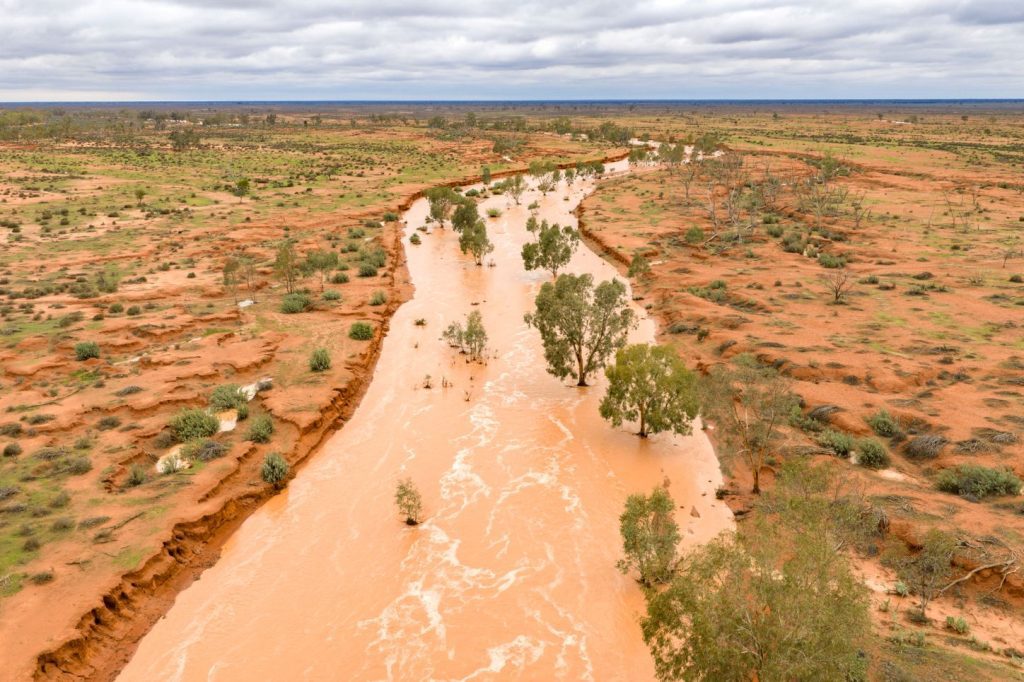
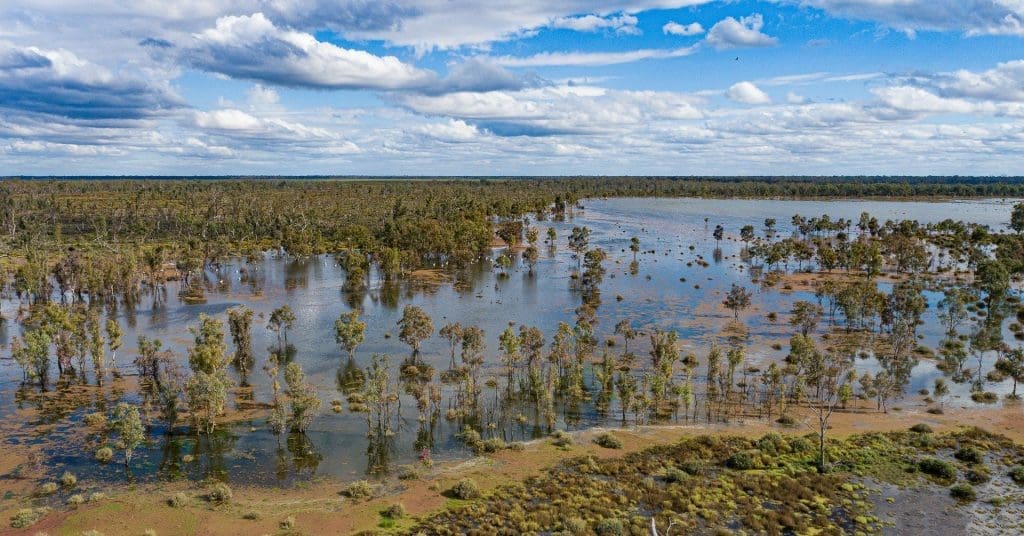
According to the Department of the Prime Minister and Cabinet, the purchase will protect and restore the Great Cumbung, one of the largest remaining reed and river gum wetlands of its kind in the Murray-Darling Basin.
“The wetland plays a critical role in storing carbon and regulating greenhouse gases, with further opportunities possible through ongoing restoration.”
Spread across around 34,114ha at the junction of the Murrumbidgee and Lachlan Rivers, the properties contain significant First Nations cultural values and are a refuge for over 130 bird species.
“The investment will help the NNTC to restore the wetland system and ensure ecological health, biodiversity protection and landscape‑scale restoration outcomes, which will play a critical role in storing carbon and regulating greenhouse gases.”
It said restoration works will focus on removing floodplain barriers and regenerating native wetland and woodland systems, including river red gum, black box and mallee species, alongside selected grazing to enhance biodiversity.
“Importantly, the commitment will also allow the NNTC to ensure that native forest within the area is retained and protected, further securing its long-term conservation value.”
$16,000/ha for Riverina grazing block
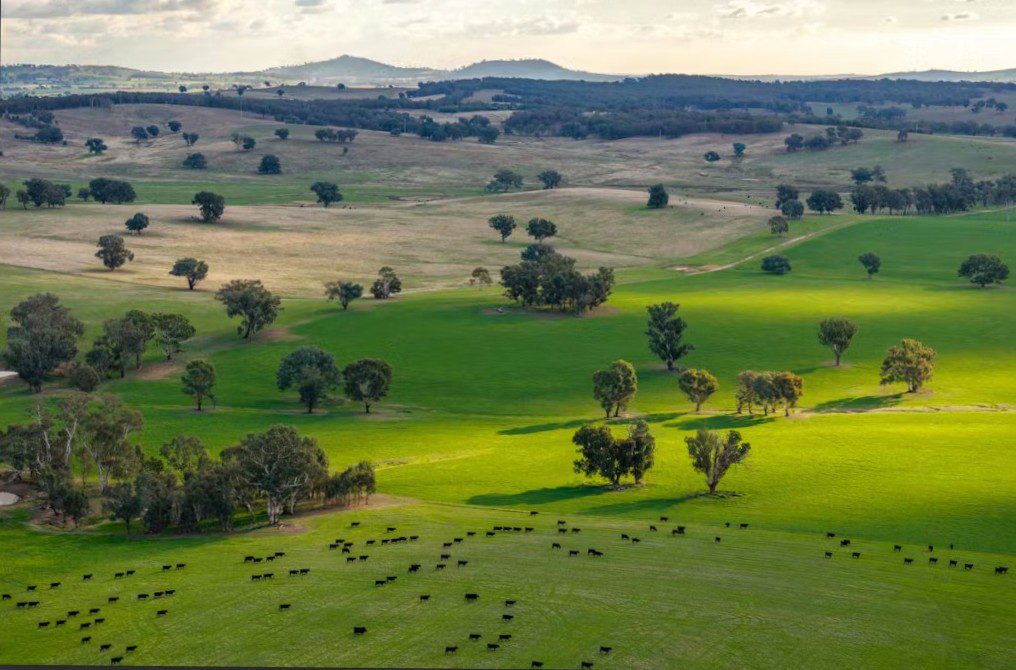
A Riverina farming family has paid $8.9 million ($16,036/ha) for Paul Cocking’s picturesque turnkey mixed grazing opportunity in southern New South Wales.
The 555ha Kaloona is 33km from Holbrook. Since 2013, it has run a self-replacing Merino flock together with seasonal cattle trading and agistment.
Estimated to run 15DSE per hectare, the property was marketed as being ideally suited to owner-operators and family farming enterprises.
Kaloona was offered with an opportunity to lease an adjoining 260ha, offering scope to further expand the incoming purchaser’s footprint and increase carrying capacity.
Boasting a long history of pasture improvement, Kaloona is 90 percent arable with level plains to gentle undulations and a mix of red and brown loams and granite soils growing seasonal fodder crops.
Located in a reliable 650mm rainfall district, the property is underpinned by 30 dams, a bore and the Paper Forest Creek.
Infrastructure includes a renovated four-bedroom home, a three-bedroom cottage, extensive fencing upgrades, equine facilities, a four-stand shearing shed, sheep yards, numerous sheds and 250-tonnes of silo storage.
Elders agents David Gittoes and Angus Macleod handled the sale.
Negotiations underway for Maranoa’s Twelve Mile
Devine Rural agent Brendan Devine is negotiating with interested parties after The Twelve Mile, in Queensland’s Maranoa, failed to sell at auction.
The 11,380ha safe, low-cost breeder block, 124km north-west of St George and 165km south of Mitchell, was offered to the market by the Murphy family after 20 years of ownership.
Despite four registered bidders and 30 people in attendance, the property passed in at $3.8 million. Mr Devine is now seeking offers above $5m.
Around 50 percent of The Twelve Mile is exclusion fenced and estimated to run up to 500 cows and followers.
During their ownership, the Murphys have undertaken numerous improvements, with large areas pulled under fodder permits and the stock water capacity enhanced by piping from the share bore, in addition to sinking four new dams.
The Twelve Mile has mostly flat to gently undulating red mulga country with areas of regrowth mulga strip pulled in past dry times. It is growing a mix of native grasses with some scattered buffel.
The semi open watercourse country drains into One Bobby and Little Billy Creek systems and typically grows scattered popular box and sandalwood.
Located on a 75ha special term lease at the south-west corner is an equipped artesian share bore. The Twelve Mile is also watered by several dams in a 432mm average annual rainfall region.
Infrastructure includes an old two-bedroom cottage and steel cattle yards.
“passed in at auction” you say. That is the first indication that Labor’s new CGT laws will adversly impact farm prices.