
AN innovative north Queensland family have built a smaller version of the Stressless loading ramp, pioneered by John Lethbridge, successfully using it to load cleanskin scrub cattle at a property north of Hughenden.
Rankine Cattle Co partners Ryan, Mitchell, Casey and Toby Rankine, sons of north Queensland pastoralists David and Donna Rankine, built a single-deck version of John’s ramp using lighter materials for a fraction of the cost.
Long time friends of the Lethbridge’s, David said the ramp was almost identical to what John built, but a bit lighter.
The Rankine’s ramp features the 1700mm-wide walkways and the same internal gate system as John’s but uses 1.6mm wall sheeting and 75 x 75 x 2.5mm RHS posts.
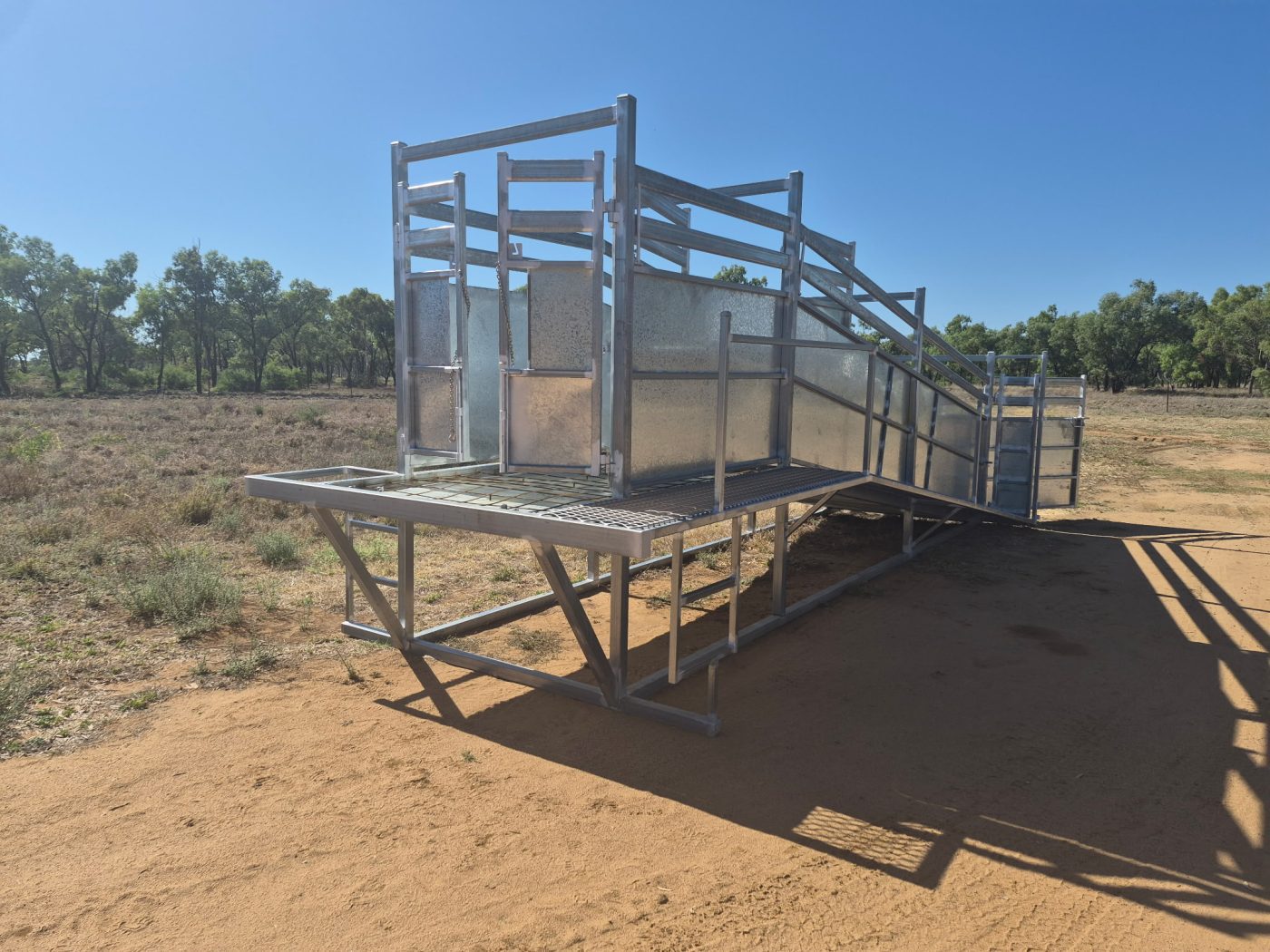 “It’s adequate for the job but not as super duty as John’s,” David said.
“John’s will last 100 years, I’m certain.”
David said his sons needed a loading ramp for the paddock they were agisting and decided to build a wide ramp rather than a standard one.
“There’s a lot of feral cattle up there,” David said. “They experienced loading cleanskin bulls and cows and it worked really well.
“In one particular case, a cleanskin bull bailed up and the rest of the deck walked past him and at the end he decided he’d go, he just walked up onto the truck and the job was done.
“That was well worthwhile, not stressing or tormenting a single animal because they decided they didn’t want to go.”
Growing up, David said he had an appreciation for wider loading ramps and races.
“My father did yard building in the 70’s and 80’s and I was involved with that,” he said.
“The ones he built weren’t this wide but wide enough for two animals to pass.”
“We always detested tapered ramps and races that people seemed to like,” David explained.
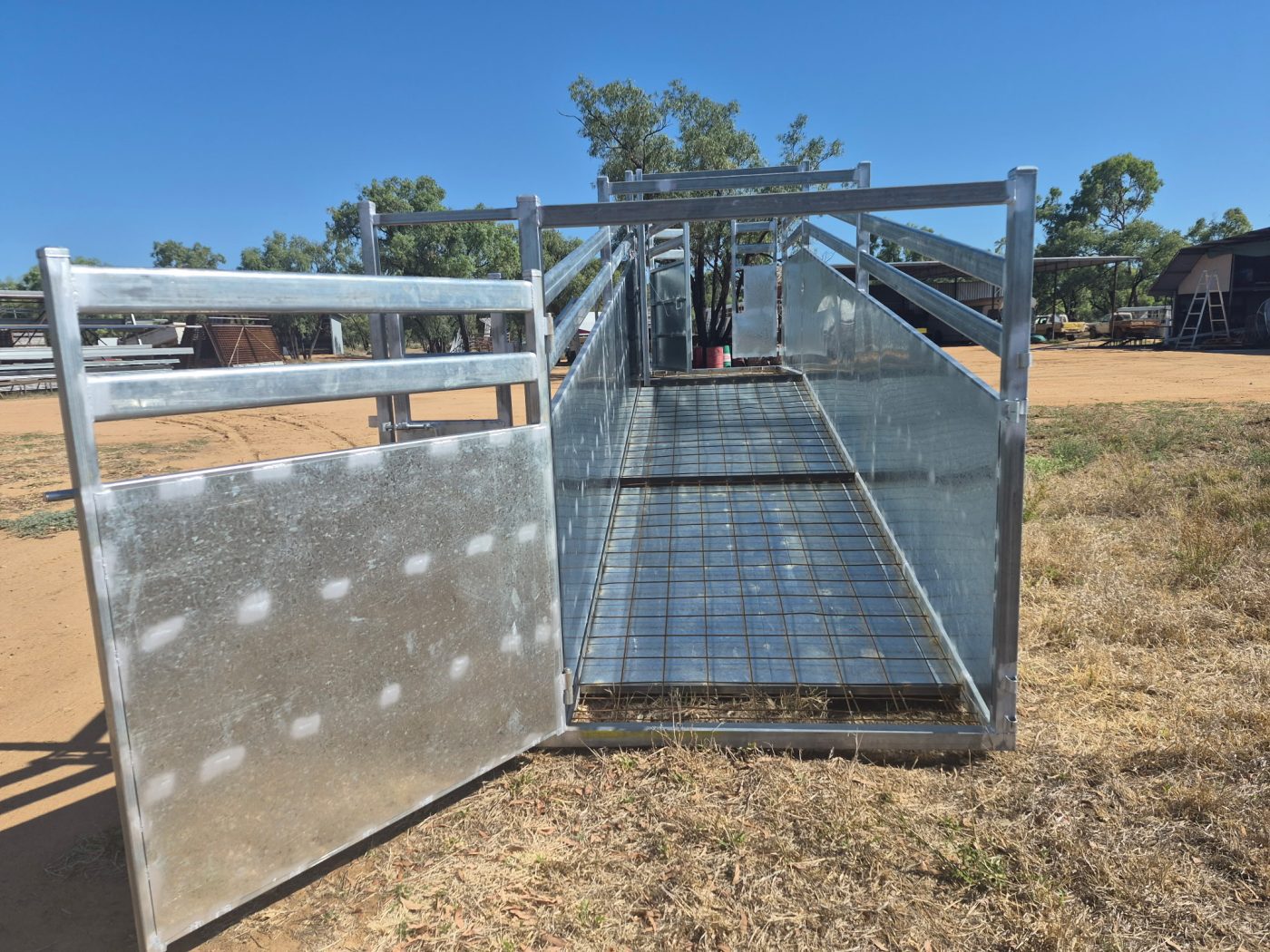 “The theory is they are narrow at the bottom where the smaller cattle run but the problem is if something gets down in it, they’re stuck.
“In a wider race it works better. If an animal wants to turn around, they’re going to anyway so they might as well turn and go back to the gate and have another go.
“It’s not holding everything else up. Cattle just seem to work better in a wider race.”
David has since built another single-deck version of the ramp on his property ‘Bunuro’ and has plans to build a double-deck one in the near future.
 Materials for the installed single deck ramp cost about $12,000 the Rankine’s estimated and with labour would bring total costs to around $24,000.
Friend of the Rankine’s and well-known North Queensland vet Dr Geoffry Fordyce said he was impressed with what the family had achieved and the results they had for their efforts.
“Even having a truck entrance narrower than the ramp didn’t cause a problem,” Dr Fordyce said.
“If applying John Lethbridge’s principles for ramps works in a such a difficult situation with notoriously difficult animals, quite often only loadable by forcing them through traditional loading systems, it will work almost anywhere,” he said.
- For information on safe cattle loading and loading ramp requirements visit Meat & Livestock Australia’s Transport Hub.
HAVE YOUR SAY