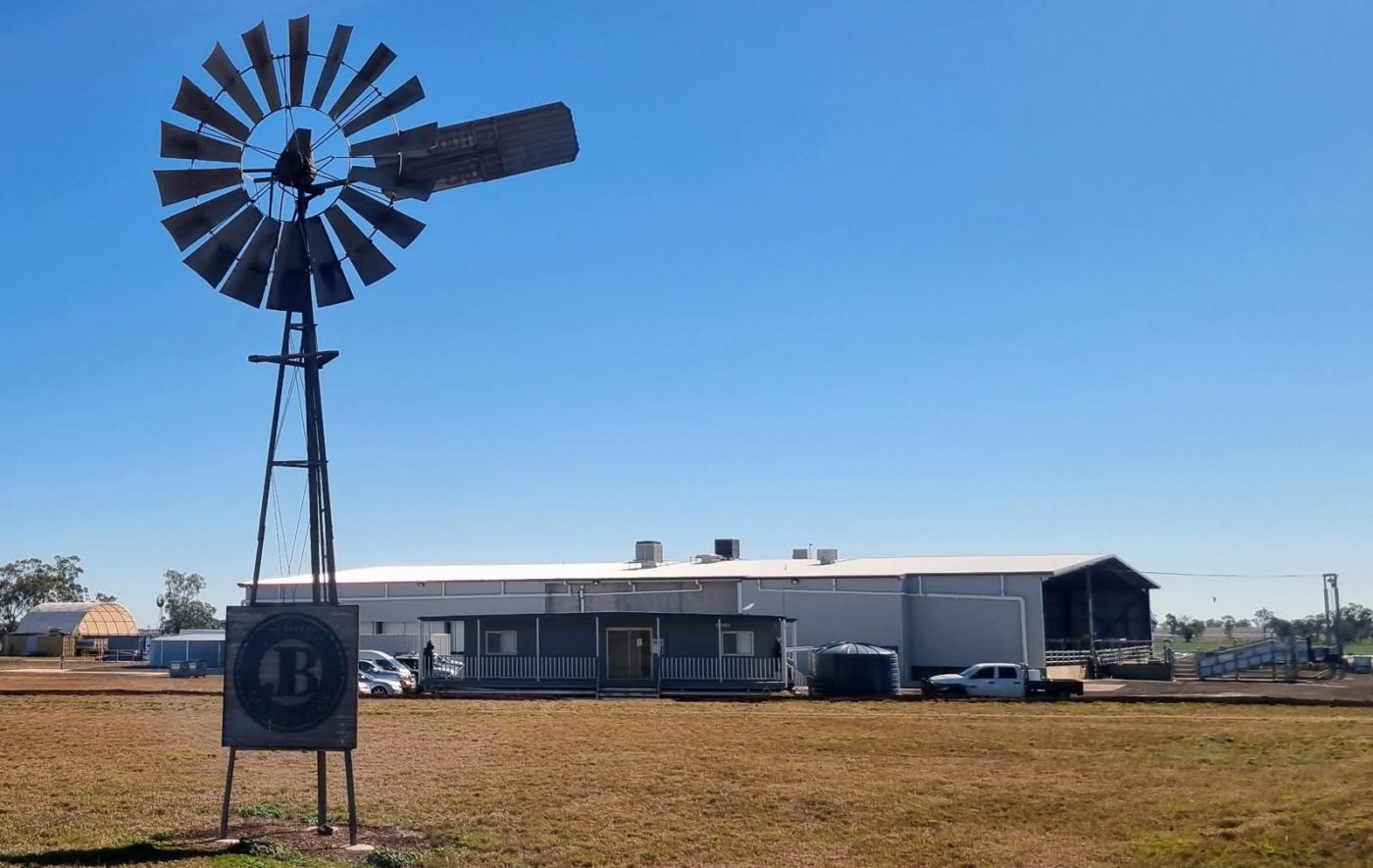
Jimbour Beef and Bacon opened in May 2025.
THERE has been an increase in the number of small country processors operating or returning to operation, according to the Queensland Country Meat Processors Association (QCMPA).
The Association represents micro to medium sized processors in Queensland who employ less than 70 people and only supply the domestic market.
“Since COVID, there’s been a strong change within the marketplace and demand for medium and micro sized meat processing centres has taken off,” Rob Mollison, QCMPA Coordinator said.
In Qld there are 35 medium to micro-sized domestic meat plants, Mr Mollison explained, with another four being developed.
“Over the last three years, we’ve had two new sites commissioned – one near Jimbour on the Darling Downs and one in the Mary Valley region,” he said.
“We’ve had four sites that were closed for several years, recommissioned and are operating again – Innisfail, Stanthorpe, Inglewood and Lakeside near Cooktown.
“They are all back processing strong numbers. And then there are another four sites that have had major upgrades – Maclagan, Roma, Giru and Brisbane Valley.
“We also have three other sites that are under review with business cases being put together to build new sites.”
Jimbour plant operating for one year
Lincoln and Belinda Waldock own and operate Jimbour Beef and Bacon, which is one of the two new country meat processors in Qld.
“We had experience in the industry, in 1995 we bought an existing retail butcher shop and small slaughter yard which we operated until 2009 and then moved to just processing for our wholesale business and when our plant reached capacity, we started the process to build a greenfield site,” Mr Waldock said.
 “I think our first application was back in 2011 and we moved in May last year, so it has been a long process.
“We had to get bigger to stay in the industry, to be able to move enough tonnage to be profitable we needed more capacity.
“Our new facility has the capacity of 1000 pork per day and 150 beef per day which is enables us to grow more in the future.”
Mr Waldock explained one-third of the business is beef and two-thirds is pork, which is branded and predominately sold to butcher shops and other wholesalers around Qld and in New South Wales.
“We do some paddock to palate service kills, but we don’t bone and box, so everything goes out as carcass,” he said.
“The biggest percentage of our business is supplying our wholesale markets.
“I think the pandemic and a shortage of fresh meat in major supermarkets helped drive more consumers to butcher shops.
“Small processor supply chains are very direct, allowing us to continue to get cattle locally, process and get it to a nearby butcher, so I think that is part of why we are seeing this growth in smaller local processing.”
Paddock to palate has driven growth
Mr Mollison explained the growth in consumers wanting to buy meat direct from farmers has also been a major driver for the growth.
“The whole paddock to plate trend where consumers know the story behind the meat has had a big influence as those producers need processing space.
“The other driver has been the increase in wholesalers in regional Qld who are focussing on becoming very local and want local meat processed in their region.
“There has also been an increase in private processing requirements of people who have cattle and want them to consume personally.”
Diversification in species key to new smaller plants
Of the 35 processors the QCMPA represents Mr Mollison said only three process beef exclusively, while the rest also process small stock including pigs, sheep and goats.
“In Qld in the last 10 years, the numbers of goat and lamb in particular, have increased exponentially. So, a lot of these new processing facilities are multi-species,” Mr Mollison said.
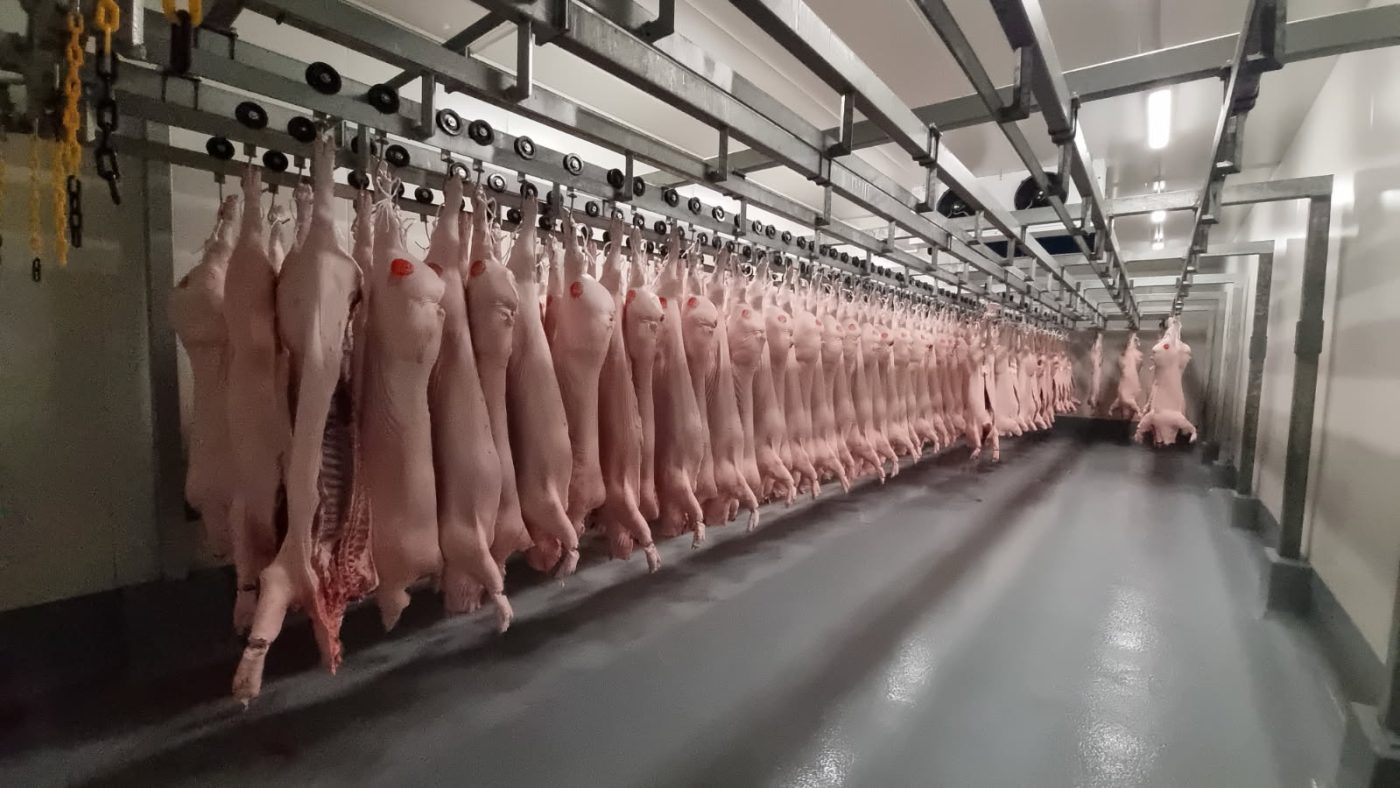
One-third of processing at Jimbour is beef and two-thirds pork.
The diversification in stock also helps mitigate some of the risk if cattle supply tightens.
Like the major processors, smaller rural processors are struggling to find workers and battling rising costs.
“We have plenty of members who could process more but the thing that’s holding us back is skilled labour,” Mr Mollison said.
“Also power, the cost of power and the reliability of it. There’s been huge increases in the cost of electricity over the last couple of years and that obviously increases the cost of production.”
Mr Waldock said staff, wages, energy and red tape were the biggest challenges he faced as a processor.
The recent Australian Meat Processor Corporation (AMPC) Cost to Operate report suggested a price of $530/head to slaughter and pack, which is up from $360 a decade ago.
“We don’t bone and box so I couldn’t comment on that, but on the slaughter side, we’re probably at $240/head just to slaughter,” Mr Waldock said.
“It’s about a 47 per cent increase in the cost to operate in the last decade, but that is on top of all of the automation and technology that has been adopted in processing in that time.
“We do a lot more with less people now because of automation and technology.
“So if it was just looking at the increase in input costs, I think that figure would be a lot higher, but its thanks to processors taking advantage of technology we have been able to keep I down.”
Peer group being expanded in other states
The QCMPA was created to be a peer group over 40 years ago, rather than an industry body or lobby group Mr Mollison explained.
“Our members aren’t competing with each other; they work together to achieve outcomes for the industry, to help make it stronger,” he said.
“We are currently working with the Australian Meat Industry Council (AMIC) and AMPC to replicate QCMPA in other states, to help develop and promote the value of smaller processors.”