
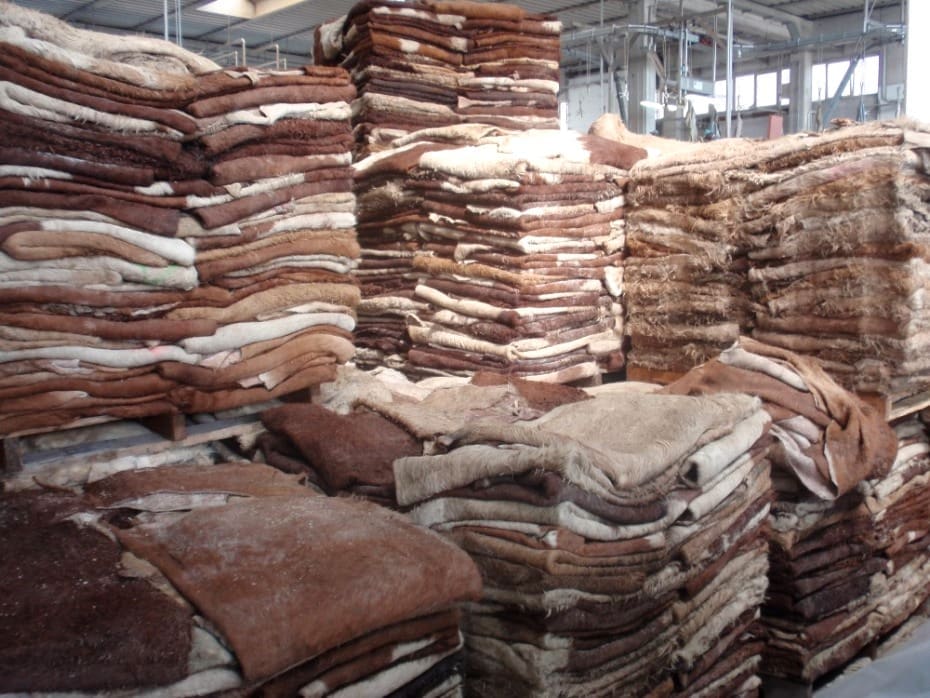
LEATHER and hides are set to be carved out of the European Deforestation Regulation, with the continent’s new import laws for several commodities (including beef) set to come into play later this year.
Europe has been working through the law for several years and has delayed its implementation twice, mainly responding to concerns from importers about the administrative burden.
In a statement released this week, the European Commission said it was still going ahead with the legislation to start at the end of the year. However, it was going to carve out several products, including leather, and add in other products, including beef tongues.
As many Australian hides can end up in the EU – either directly or indirectly via hides processors and tanners in countries like China – there was concerns the legislation could cripple Australia’s hides market.
The hides industry has been working to overturn its inclusion in the legislation, arguing that as hides are less than two percent of an animal’s value, land use decisions are not driven by hides.
Australian hide processor and exporter Micaela Topper has been part of the negotiations in the EU as the president of the International Council of Hides, Skins & Leather Traders Associations.
She said the changes to the laws are a win for the industry and for the environment.
“If it is too difficult for manufacturers to use leather, they likely end up using synthetics and that really goes against the grain of what we are all trying to achieve.
“No one is making decisions about whether to raise cattle based on the value of the hide. Hides are only a fraction of the value of an animal, so it means often we don’t have leverage to push whole of life traceability down the supply chain.”
Hides no longer included in scope of EUDR
With hides included in deforestation regulation, there was a thought last year that all Australian producers needed to share their geolocation to keep the hides market.
 Ms Topper said, provided the laws pass unchanged, that will not be an immediate requirement for EUDR however will still be required for other accreditation and commercial reasons in many markets and so it remains an important focus especially when promoting the Australian competitive advantage globally
“It is not the case at the moment for EUDR, but it is not a done deal forever,” she said.
“The scope of products that are included in the EUDR is being revised in 2030. So, it is quite possible that they will put it back in.”
Growing recognition of environmental benefit
Most of Australia’s hides that end up in the EU go to Italy as wet blue treated hides used in fashion, footwear and other goods like bags. There is also a considerable market for upholstery in cars.
Ms Topper said there was a growing recognition that products like hides were a sustainable product.
“Life cycle assessment have been really helpful in educating decision makers,” she said.
“Sustainability statistics have typically been less favourable towards natural materials. But some of the most important metrics have changed to be more realistic and more reflective of natural materials having some real environmental benefits.”