
Environmental consultants helping landholders navigate changes to the Environmental Protection and Biodiversity Conservation Act (EPBC Act) say the Federal Government has been approaching consultants to work simultaneously for the regulator, prompting conflict of interest concerns from landholders.
The issue surfaced during Saturday’s Property Rights Australia conference in Roma, where Toowoomba-based environmental consultant Stephen Cupitt (pictured in video above) discussed the implications of recent EPBC Act changes for landholders.
Mr Cupitt said he had followed up on reports that some private consultants advising landholders were also being approached by the Federal Department of Climate Change, Energy, the Environment and Water (DCCEEW) to represent the Commonwealth regulator on the ground at the same time.
“So that being the consultants who come down to your property to consult for you might also be working for the Commonwealth Government and the regulators,” he told the conference.
“I rang around quite a number of consulting ecologists, and a number of them said yes, we have been approached by the Commonwealth government to be their regulators on the ground.”
 Mr Cupitt said he understood consultants were being offered “pretty attractive” rates to undertake the work.
“Some are saying no, some are saying yes,” he said.
“They haven’t approached me which is good because I would definitely say no.”
He said the development meant landholders needed “to do their homework” when selecting advisers.
“Because the person you get on your place to give you answers could be the person working against you.”
CQ firm confirms approach
Later in the conference environmental consultants Rebbekah Hearn and Sarah Grady from Rockhampton-based CQG Consulting also raised the issue.
“So we have actually been approached by DCCEEW, we are one of those environmental consultancies,” they told delegates early in their presentation, quickly noting that the firm had been very direct in saying “No thanks”.
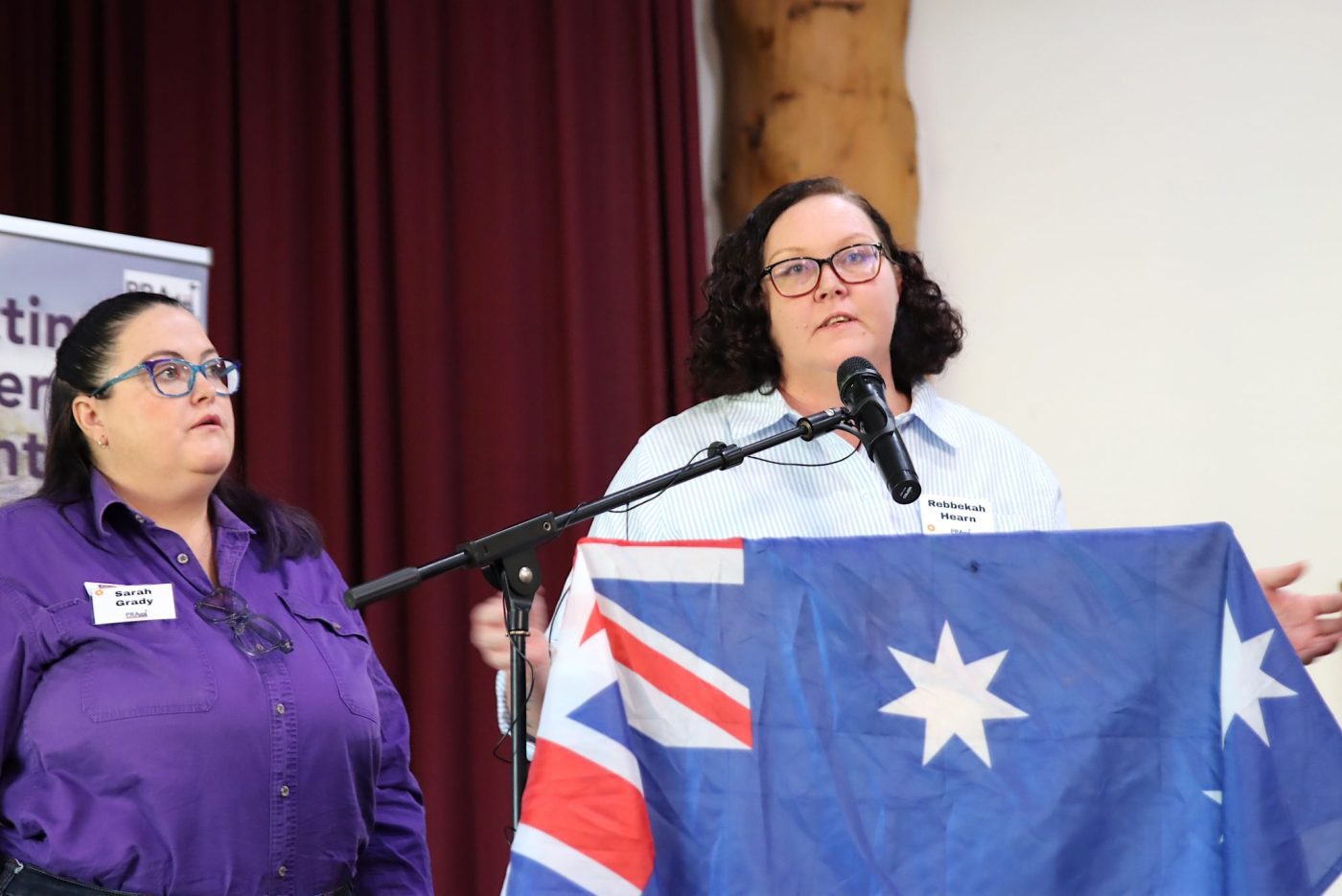 The consultants said the business specialised in environmental approvals, ecology assessment and compliance work across Queensland.
“So what we do is we work in environmental approvals, ecology assessment and compliance across Queensland.
“A big part of our work is helping land holders and agricultural clients work out when the Commonwealth environmental laws apply to routine management, and usually we want to do that before it becomes an issue.”
Department statement
Beef Central submitted several questions to the Federal Department of Environment seeking clarification on whether consultants advising private landholders are being approached or engaged by the Commonwealth, what roles they are being asked to perform and what safeguards exist to manage potential conflicts of interest.
In a short written response to Beef Central’s questions the Department said it was not aware of it entering into arrangements with specific parties which spoke at the conference, but in its answer did not directly address whether other consultancies had been approached. The statement also noted that all conflicts of interest must be disclosed:
“DCCEEW provides information to a wide range of stakeholders, including environmental consultants as part of the implementation of the Environment Protection and Biodiversity Conservation Act 1999. We are not aware of the department entering into any contracts with these companies speaking at this event.
“It is a requirement for Commonwealth procurements that all conflicts of interest must be disclosed.”
Would a consultant working for a landholder and the regulator represent a conflict of interest?
The issue prompted questions from the conference floor, with one landholder asking: “If there are consultants who are being remunerated by the federal government, would that create a conflict of interest in a legal setting, if it comes to that, and also, is there any precedence related to that?
“The short answer is no, there’s nothing in place. This is only a relatively recent development,” Mr Cupitt replied.
Mr Cupitt said landholders have “just got to do your homework”, and suggested that when talking to their consultants “maybe put the question to them”.
Producers need to be able to work with consultants to navigate EPBC changes
Central Queensland landholder and Property Rights Australia chair Dale Stiller said recent EPBC changes had placed producers in a difficult position, with complex requirements and significant compliance risk.
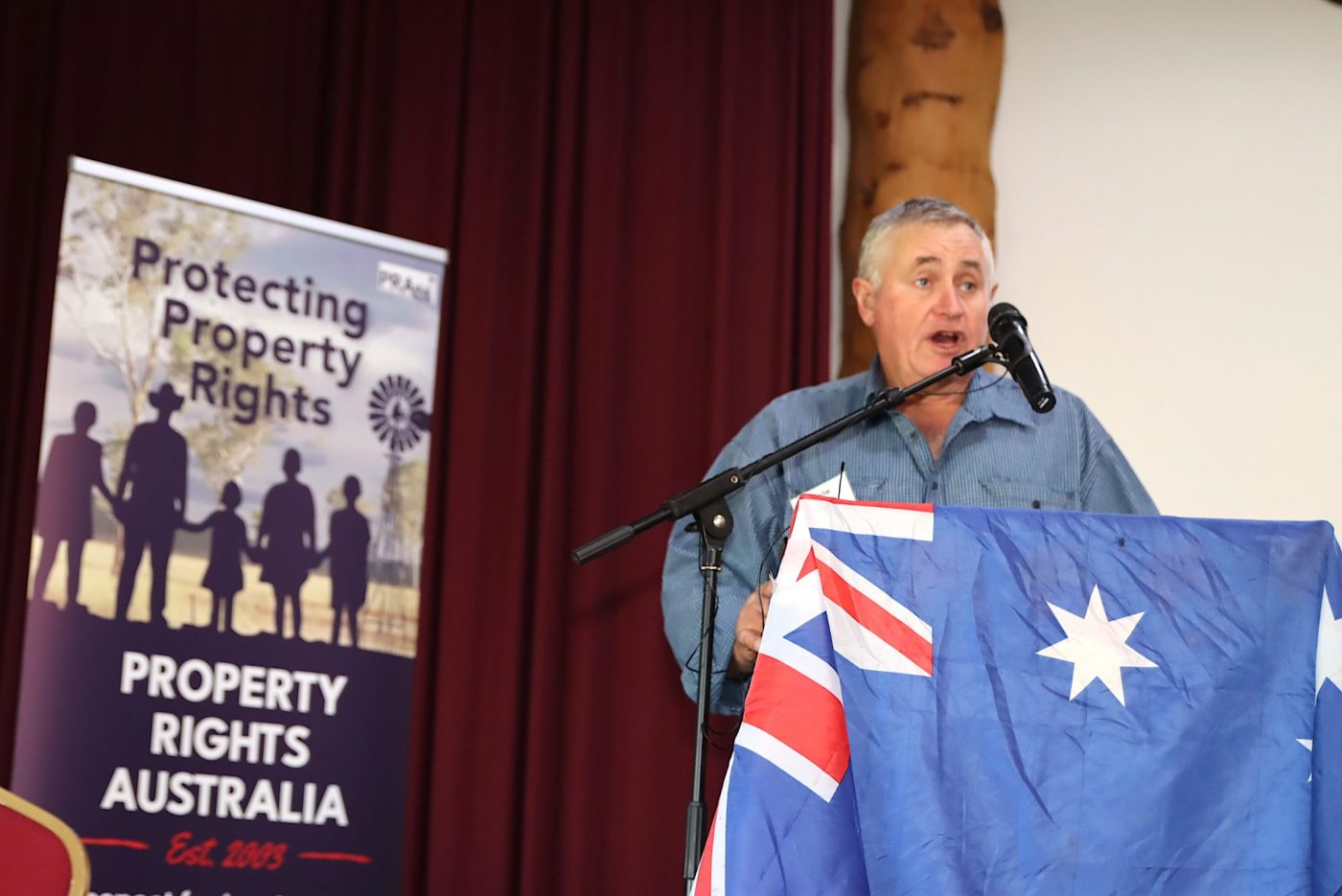 “It is unacceptable that landowners for normal ongoing land management have to second guess what to do, after been placed in the same regime as very large companies making new one-off infrastructure developments.
“While large companies have in house specialists who are trained to this role; landowners are often families who always have a great deal of essential outdoor physical work, are time poor and most don’t have these skill sets.
“It is unreasonable to expect landowners to attempt these assessments. It is unacceptable that food production has been forced into this level of unnecessary compliance.”
Mr Stiller said many producers would likely have little option but to engage external specialists.
“The concept of conflict of interest is well understood, and landowner’s interests should be respected.
“There are extra dangers to be implemented in Environment Minister Murray Watt’s EPBC reforms with the set up of ‘Environment Information’ which mandates the supply of information.
“The dangers and conflict of interest is too great for a landowner to secure the services of a consultant also contracted to the department of environment, earning above the average fees.
“Landowners need ask for disclosure before engaging such services.”
Conference pics
Scroll down to see pictures from Saturday’s conference.
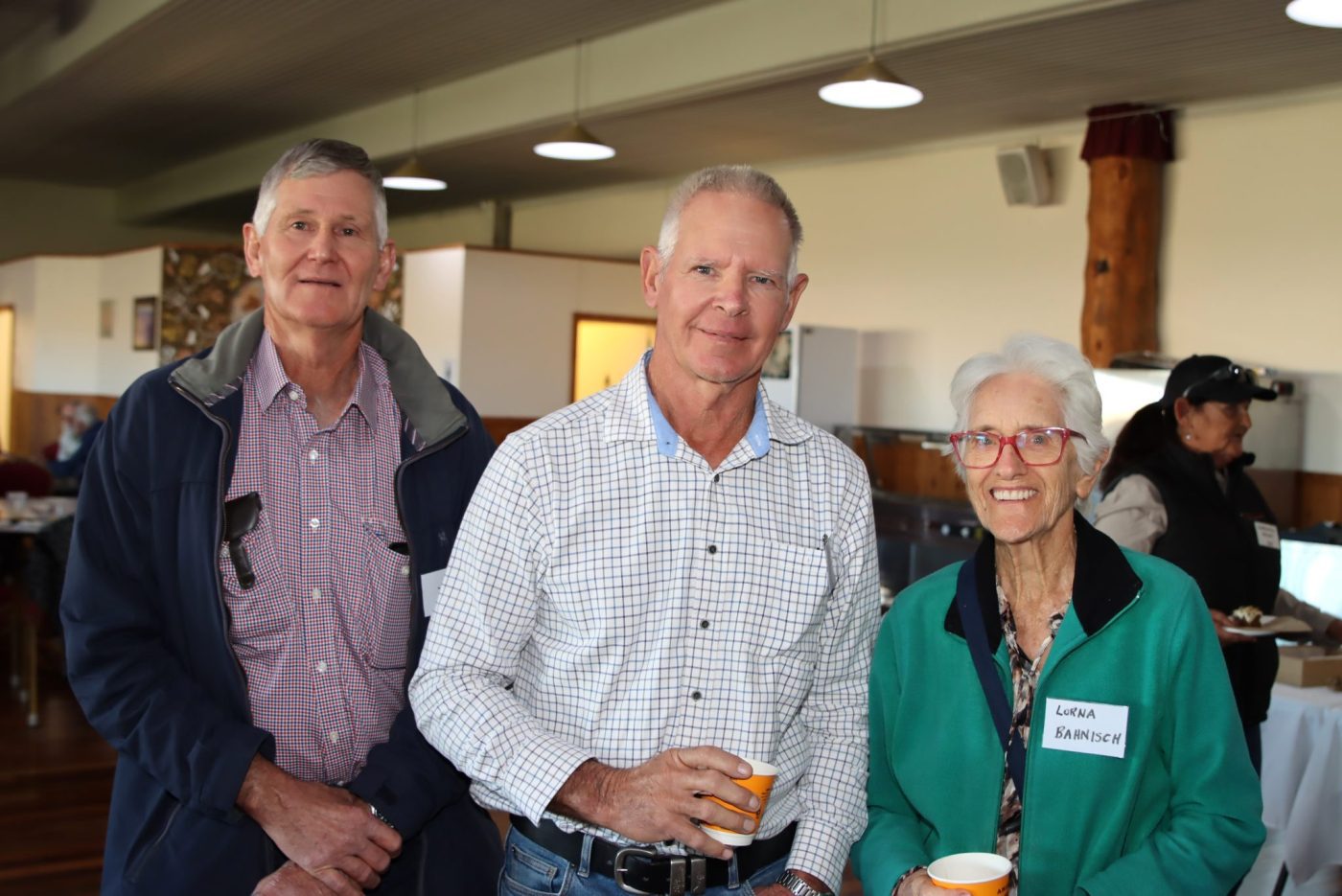
Peter Joliffe, Rick Young and Lorna Bahnisch.
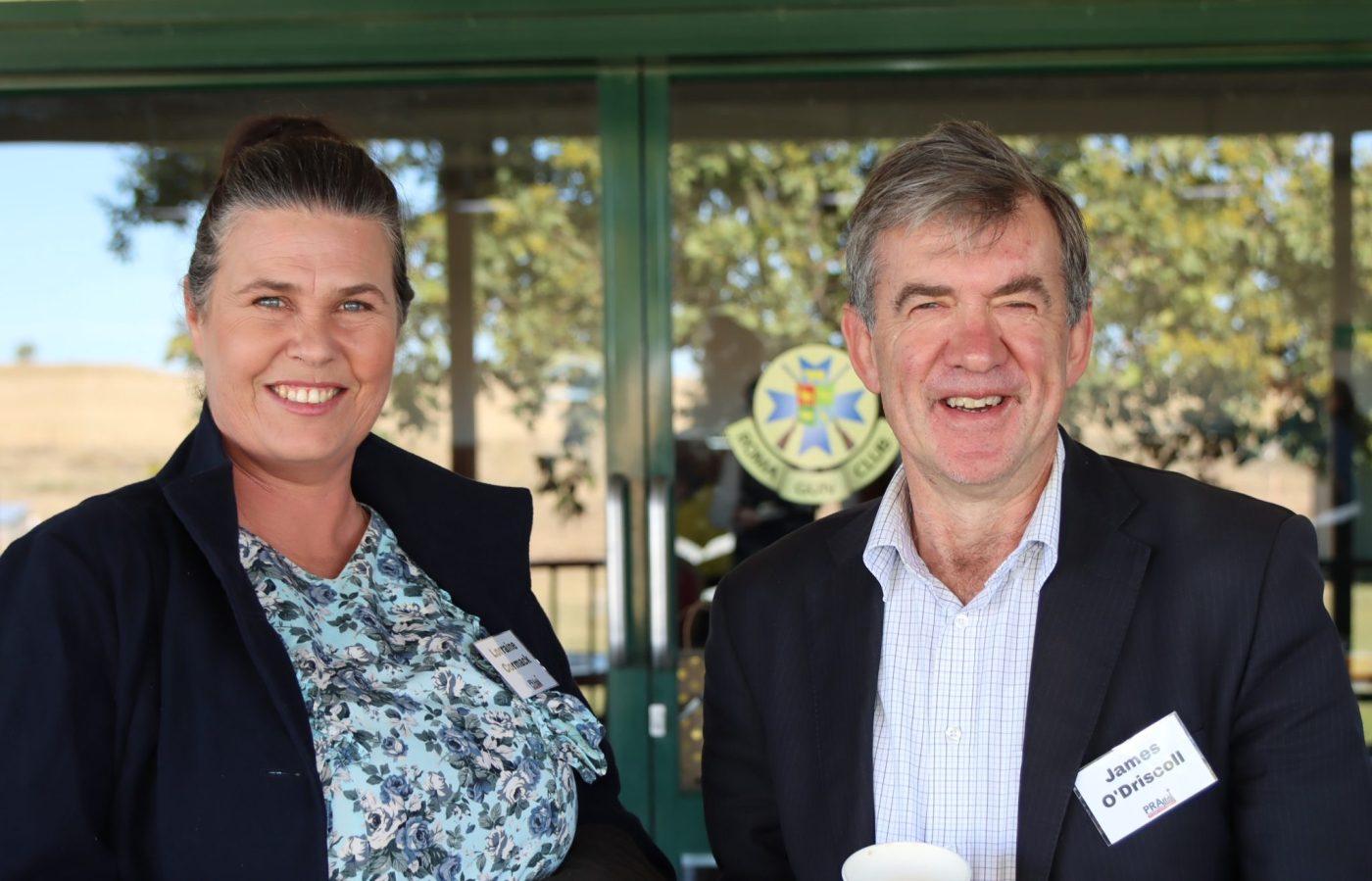
Lorraine Cormack, Wallumbilla, and James O’Driscoll, from The Basin near Melbourne.
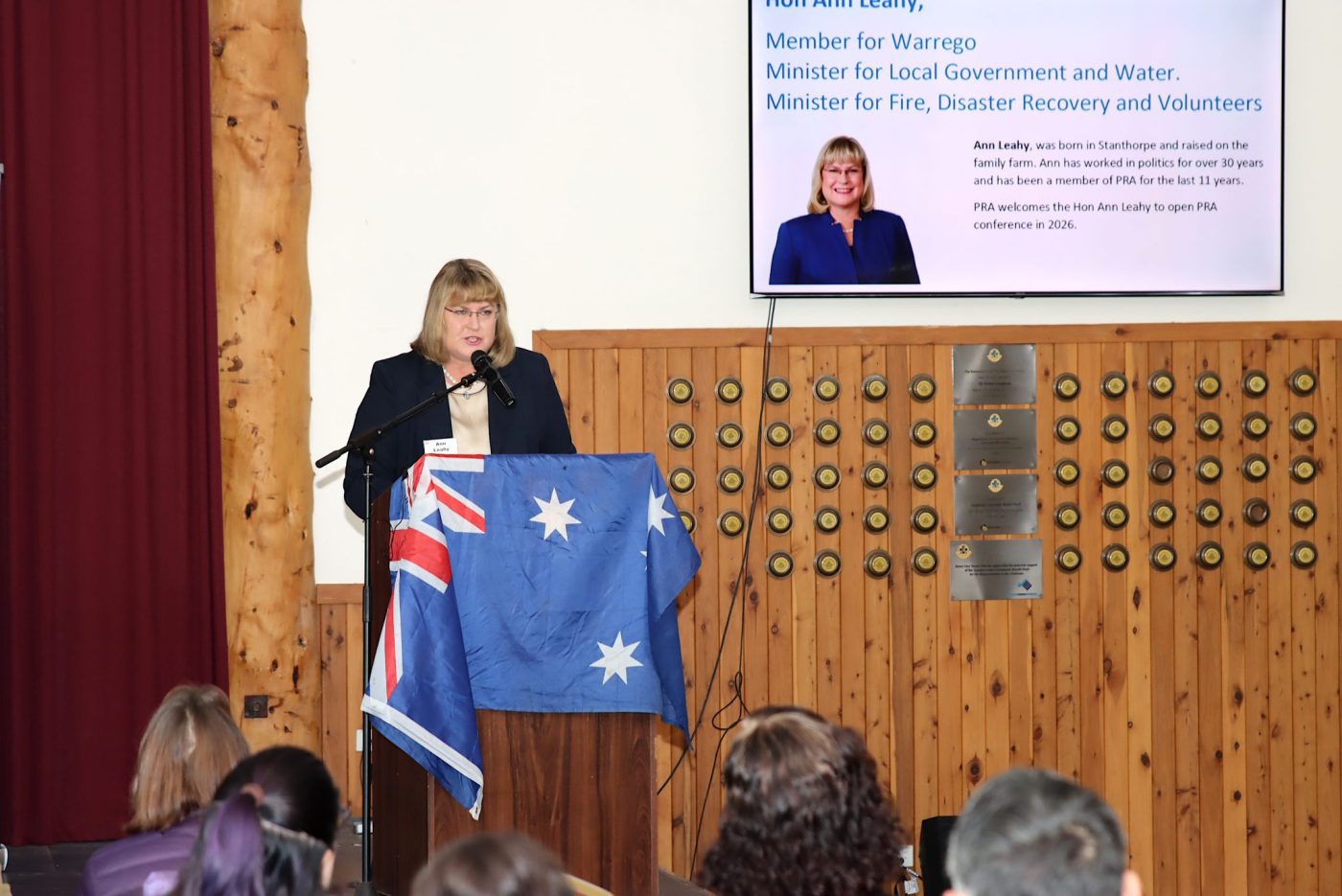
Minister for Local Government and Water of Queensland, Ann Leahy, addressing the conference.
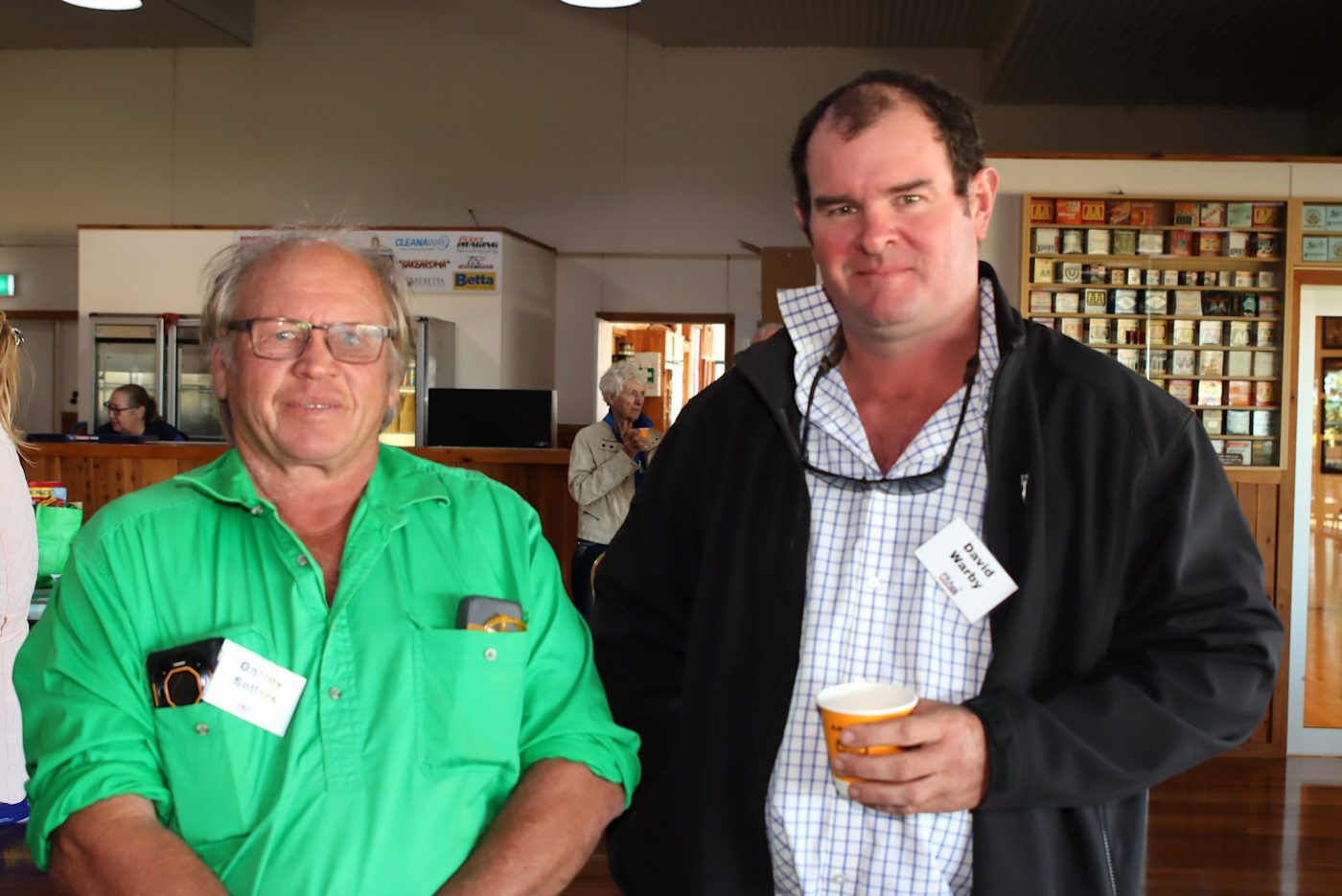
Garrey Sellars, Injune and David Warby, Mitchell.
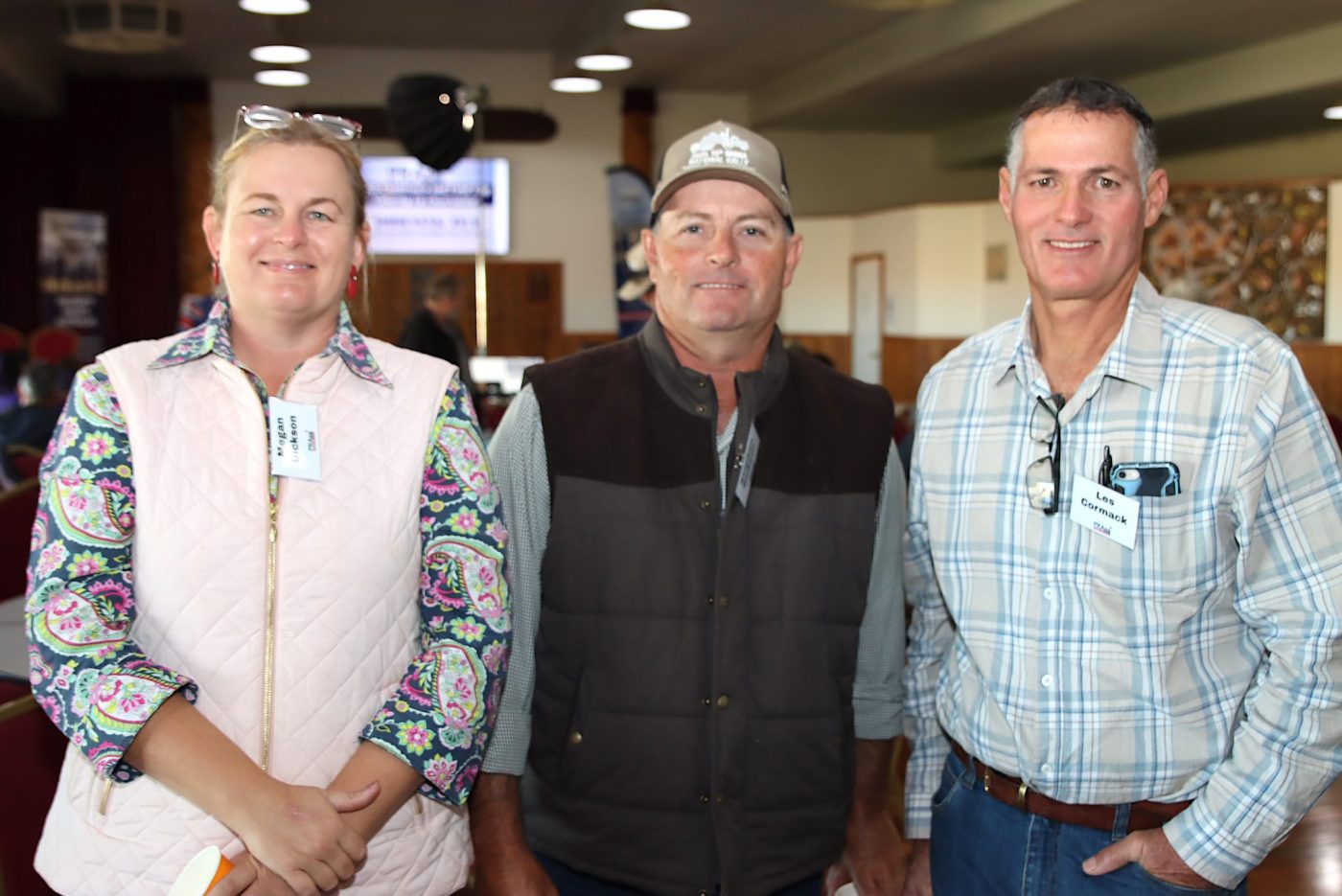
Wallumbilla’s Megan and Stephen Dickson and Les Cormack.
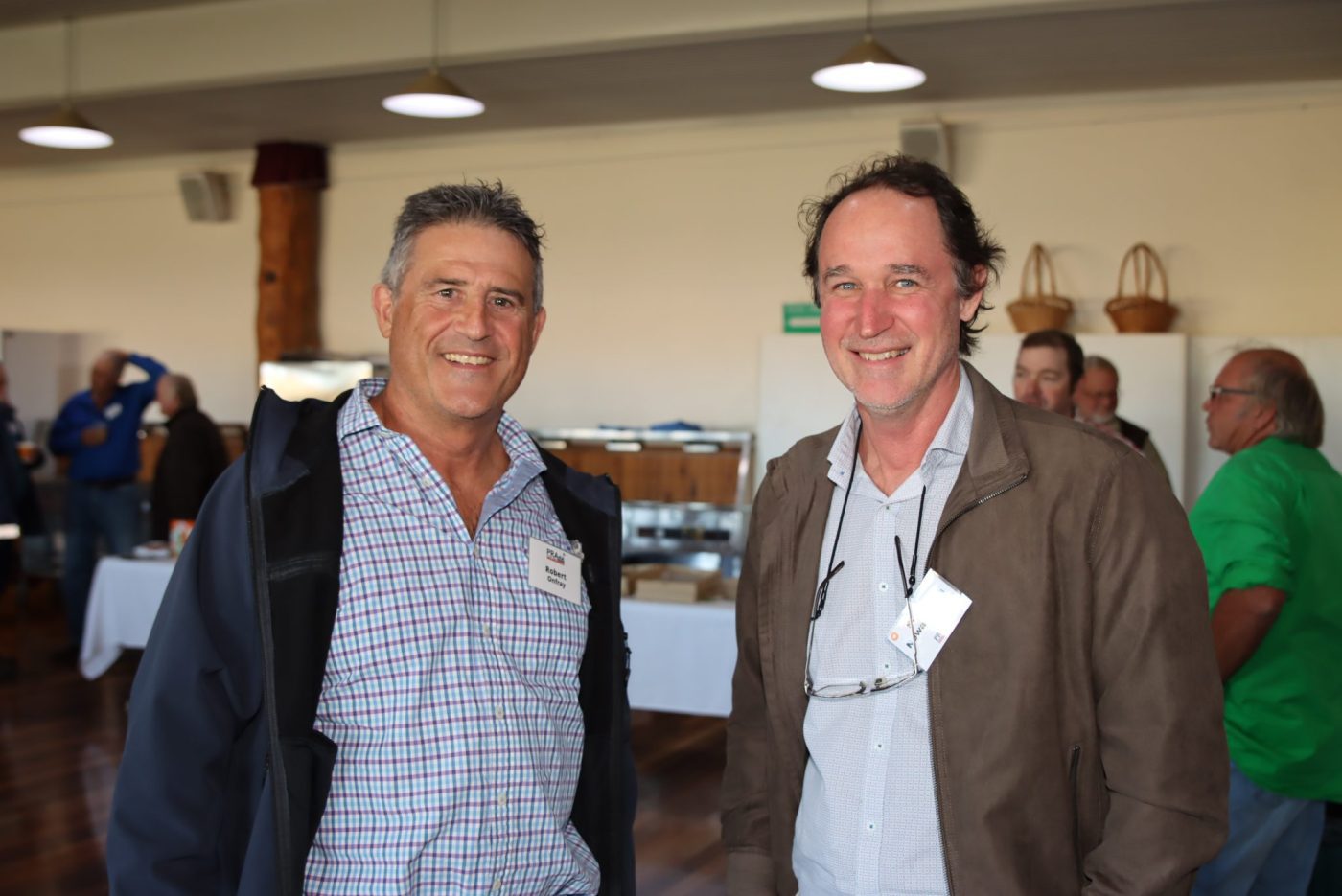
Robert Onfray and Steve Nowakowski.
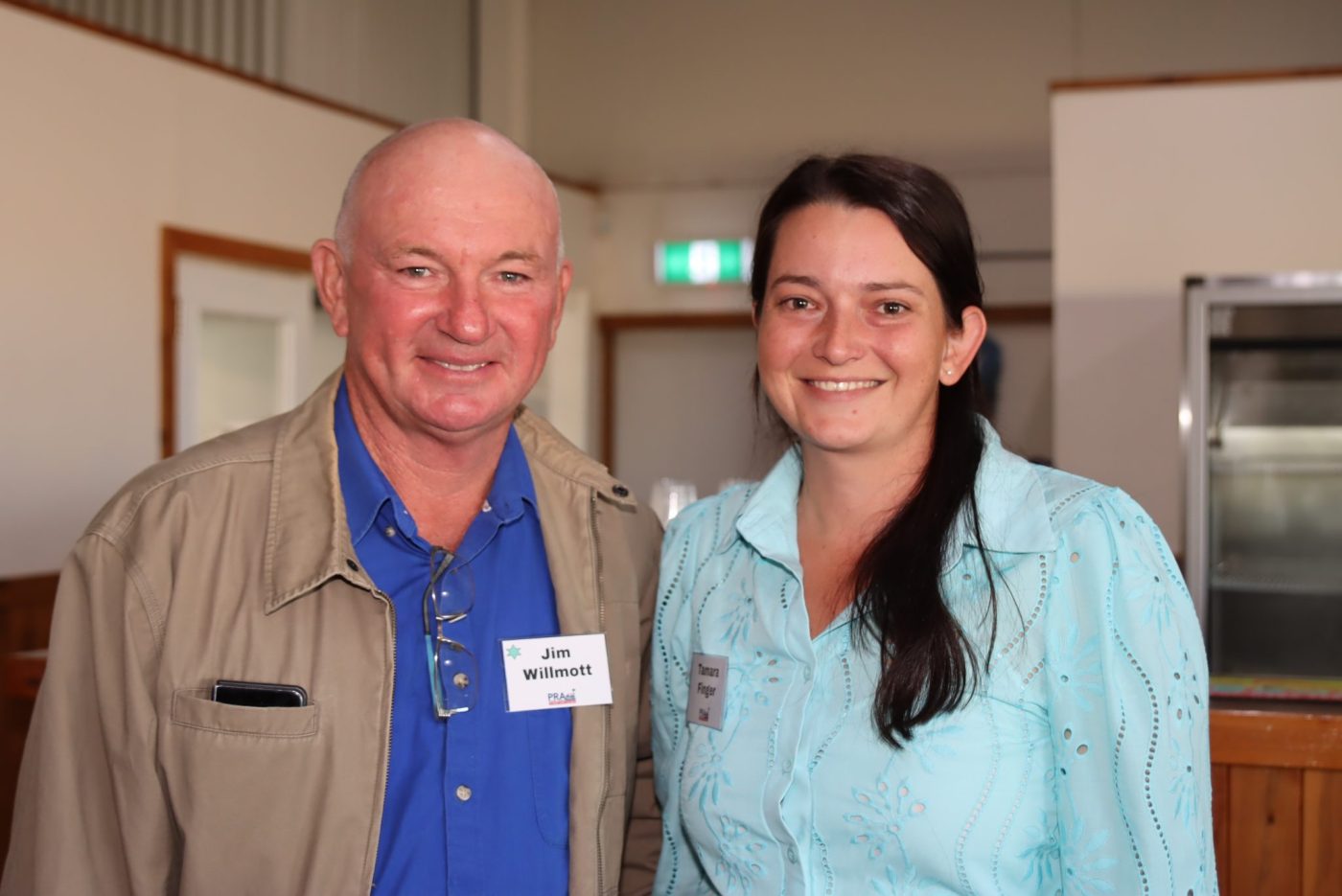
Jim Wilmott and Tamara Finger.