
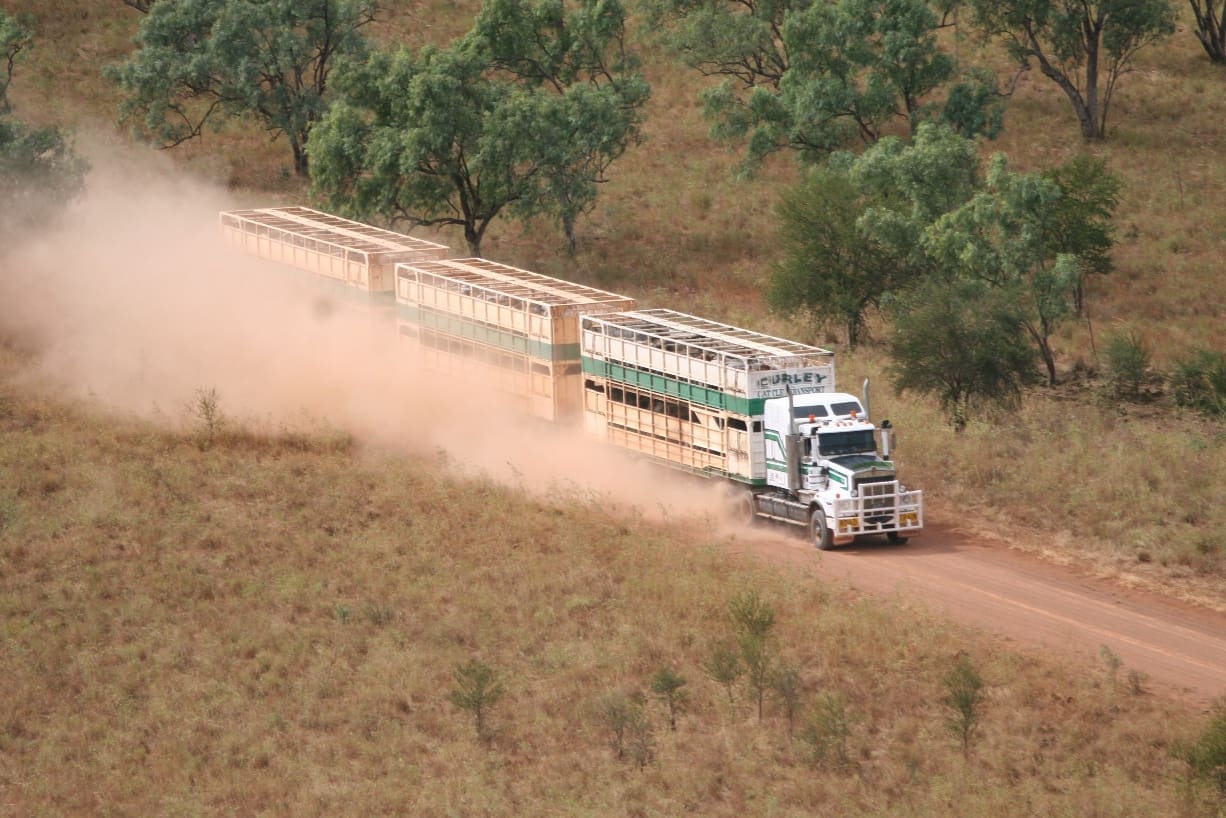
 BEEF producers in northern and remote regions now have greater access to Australia’s world-leading Meat Standards Australia (MSA) grading system after a new transport pathway confirmed eligible cattle can remain MSA-compliant after journeys of up to five days.
For producers, the change means cattle from longer-distance regions may have more pathways into MSA-backed branded beef programs, provided all preparation, transport, rest and documentation requirements are met.
The new MSA Beef long-duration road and/or rail transport pathway is the result of extensive research funded by Meat & Livestock Australia (MLA).
The research found cattle can be transported for up to 120 hours from property dispatch to slaughter without compromising consumer eating quality, provided cattle are properly prepared and managed throughout the journey, including access to good-quality hay or dry feed and water at rest stops and during lairage.
The pathway is expected to create new opportunities for producers in northern Australia, where long distances to processing facilities have historically limited access to MSA grading and the branded beef premiums it can support.
MSA grading uses on-farm, carcase trait and processing data to predict beef eating quality and support consistent consumer satisfaction.
MLA Program Manager – Carcase Value, David Packer, said the pathway was a significant step forward for the red meat industry.
“For many producers in northern Australia, distance has been one of the major barriers to accessing MSA grading opportunities,” Dr Packer said.
“This pathway provides a science-backed solution that reflects the realities of northern production systems while maintaining the integrity and consumer confidence that underpin the MSA program.
“The research showed that when cattle are appropriately managed prior to and throughout the transport journey, including access to feed, water and suitable rest periods, eating quality outcomes are maintained and the MSA model continues to accurately predict consumer satisfaction.”
Largest transport study for MSA
The pathway is underpinned by one of the largest transport studies undertaken for the MSA program.
The study involved 920 cattle across four commercial-scale transport replicates, with more than 4,000 beef samples assessed by over 6,000 consumers.
Researchers found neither transport duration nor transport mode, whether road or rail, adversely affected eating quality outcomes under the pathway requirements.
Teys Group General Manager Livestock, Glenn Poole, said partnering with MLA on this project was key to increasing the number of eligible MSA cattle for slaughter.
“It gives producers an enhanced ability to market their cattle towards MSA meat markets and to access branded beef programs that are underpinned by the MSA eating quality standards,” Mr Poole said.
For Teys, the pathway relies on careful preparation from the farm through transport, rest and processing, with cattle adequately fed, watered and rested at each point in the journey.
At each point in the journey, the key is to ensure that all cattle are adequately fed, appropriately watered and sufficiently rested, allowing them the best opportunity to perform to their best.
“As a processing company, verification with our producers, our rail and transport carriers and at the plant underpin the science of this research and ensure that the longevity and integrity of the MSA standards and brand are upheld,” Mr Poole said.
Eligible consignments must meet a range of requirements, including limits on journey duration, access to good quality hay or dry feed and water throughout transport, and documented compliance across the supply chain.
The pathway requires close coordination between producers, transport operators and processors to ensure animal welfare, eating quality and MSA compliance standards are maintained.
Source: MLA
HAVE YOUR SAY