
Beef Central publishes an occasional summary of appointments, departures and achievements occurring across the red meat and livestock supply chain. Send details for entries to admin@beefcentral.com
- New look AMPC board
- Industry recognition for rural valuer
- New recruit for analyst, Global Agritrends
- GrainGrowers appoints former MLA boss as new CEO
- Farmer to chair US Meat Export Federation
- Nbryo appointment to drive IVF Services Growth
- GA elects first northern Australian beef grazier director
- Elders Tom Penna clocks up 50 years
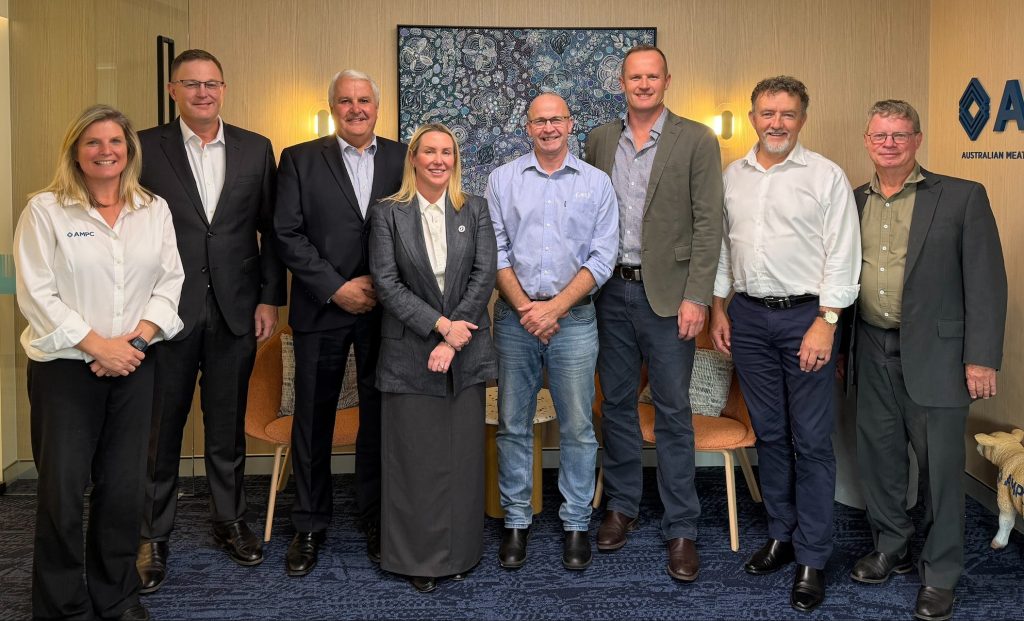
Incoming Australian Meat processor Corporation board, with CEO Edwina Toohey, left.
New look AMPC board
There’s a bunch of new (and in some cases, returning) faces on the board of the Australian Meat Processor Corporation, as a result of some directors hitting their maximum terms of six years. AMPC held its Annual General Meeting today, 2026 where it announced seven new processor directors.
AMPC is the specialist research, development and extension services provider for Australian red meat processors designed to improve the sustainability and efficiency of the red meat processing industry.
AMPC received 11 nominations for processor directors this year, with a ballot for the election of the seven processor directors undertaken with members. The board consists of seven processor directors and two independents, elected for three-year terms.
Departing the board are Melissa Fletcher from Fletcher International, who has chaired the board for the past six years; Trevor Moore from Casino Food Group; Dean Goode from Kilcoy Global Foods; and Frank Herd from Victoria’s MC Herd.
Taking seats on the new board are Simon Stahl from Casino Food Group; Terry Nolan, formerly a director with Nolan Meats and now a director of Hewitt; Graham Lyon, Fletchers International; John Langbridge Teys Australia (returning); Stacey McKenna, Midfield (returning); Sean Starling, JBS Australia (returning); and Michael Dorahy, EC Throsby.
The chair and deputy chair will be elected in January.
Industry recognition for rural valuer
Veteran rural land valuer Roger Hill has been recognised by his peers as the Regional Valuer of the Year, during the recent Australian Property Institute Excellence in Property Awards.
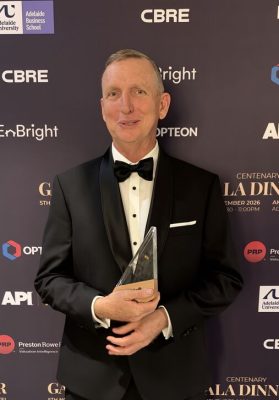 As Director at Preston Rowe Paterson since early 2024, Mr Hill has built up more than 20 years of experience in property valuation and advisory services. His expertise lies in regional property markets across Queensland specialising in rural, commercial, business, development, industrial, and residential sectors.
Part of this work includes due diligence for cattle station acquisitions, compensation assessments, Native Title compensation, and land use agreements. He also collaborates with pastoral, government, mining, indigenous, and commercial clients to deliver tailored advisory, facilitation, and consultation services.
As an experienced fixed-wing pilot, Mr Hill has had a big footprint across norther Australia in his valuation work.
New recruit for analyst, Global Agritrends
Independent beef and lamb market and trade analysts Simon Quility and Brett Stuart have appointed Miles Nielsen as Global Agritrends Managing Director.
Mr Nielsen brought an exceptional combination of global protein industry experience, retail purchasing, international sales, sourcing and strategic business development. He most recently served as a senior merchant at Walmart, the largest supermarket retailer in the US, where he was responsible for purchasing and merchandising US pork, stakeholders were told last week. Prior to his term at Walmart, he spent eight years with Smithfield Foods in international sales and management, including leading its Tokyo sales operation and managing major strategic accounts in Japan.
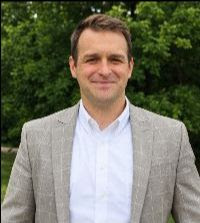
Miles Nielsen
“What makes Miles particularly valuable is his perspective across the entire protein supply chain—from producers and processors to international customers and the world’s largest retail purchasing organisations,” Simon Quilty said. “He understands how markets work, how companies make sourcing and purchasing decisions, and how businesses can turn market intelligence into competitive advantage.”
Mr Nielsen will be based in the US, but will visit Australia to engage with clients. “Our goal is to help clients not only understand what’s happening in global agriculture and protein markets but also determine what it means for their business and what actions may be considered,” Mr Quilty said.
GrainGrowers appoints former MLA boss as new CEO
Former Meat & Livestock Australia chief executive and Elders senior executive Richard Norton started yesterday in his role as the new CEO of GrainGrowers Ltd.
GrainGrowers chair Rhys Turton said the Board was pleased to have an executive of Mr Norton’s calibre and extensive experience joining the organisation

Richard Norton
“Richard has a proven track record of success in Australian agriculture and outstanding leadership capabilities demonstrated through his roles in the public and private sectors,” Mr Turton said.
Mr Norton has also held a number of directorships, including Agrium Asia Pacific, Australasian Global Exports, Prime Safe Victoria and currently as an Independent Director of GrainGrowers Ltd. He will resign as a director of GrainGrowers Ltd, prior to commencing the role as CEO.
Mr Turton said being a current director of GrainGrowers would allow Mr Norton to hit the ground running.
“With State Farming Organisations now able to become members of GrainGrowers, we are looking to assert and gain greater influence with policy makers and bringing Richard into the role will allow us to move ahead with this transition seamlessly,” he said.
Farmer to chair US Meat Export Federation
Celebrating its 50th anniversary this year, the US Meat Export Federation wrapped up its annual Strategic Planning Conference on Friday with the election of Dave Bruntz, a cattle, corn and soybean producer from Nebraska, as the organisation’s new chair.
Mr Bruntz succeeded Jay Theiler of Idaho-based beef packing business Agri Beef Co, who concluded his term as chair.
“It’s an exciting time for the red meat industry,” Mr Bruntz, a past chair of the Nebraska Corn Board and Nebraska Cattlemen’s Association said.
USMEF’s chair-elect for the coming year is Darin Parker, director of Salt Lake City-based exporter/distributor PMI Foods. Ross Havens, a cattle producer who serves as marketing coordinator for Nichols Farms in Bridgewater, Iowa, is USMEF vice chair.
Australians may find it difficult to understand how a farmer can in fact head a commodity export marketing and promotion organisation like the USMEF, but it’s because the nation’s farmers and ranchers support the federation through their Checkoff programs (the equivalent of Australia’s transaction levy). Other USMEF chairs have come from the production sector in the past.
Nbryo appointment to drive IVF Services Growth
Australian reproductive technology company Nbryo has appointed respected beef industry identity Marty Rowlands as Business Development Manager – IVF Services, strengthening the company’s commitment to delivering advanced reproductive technologies to the livestock industry.
With more than 20 years of experience across livestock production, animal health, nutrition and commercial business development, Mr Rowlands brings extensive industry knowledge, strong producer relationships and a practical understanding of the opportunities facing Australia’s beef sector.
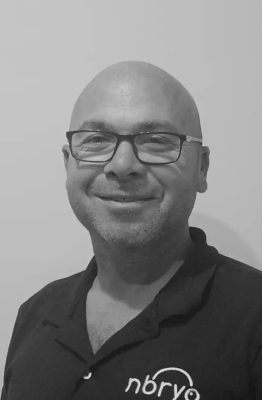
Marty Rowlands
His career has included senior commercial roles working alongside livestock producers, agricultural businesses and industry stakeholders, with a focus on improving productivity, profitability and sustainability.
Beyond his corporate career, Marty is co-owner of KBV Simmentals located on Queensland’s Darling Downs, where he remains actively involved in seedstock production, genetic improvement and the adoption of advanced reproductive technologies.
His firsthand experience as a cattle breeder provides a valuable perspective on the commercial application of IVF and its potential to accelerate genetic progress within Australian beef herds.
 “Having been involved in the cattle industry for many years, both professionally and as a seedstock producer, I’ve seen firsthand the importance of continually improving the genetics and productivity of our herds,” Mr Rowlands said. “Reproductive technologies such as IVF present enormous opportunities for producers to accelerate genetic gain, maximise the potential of their most valuable breeding animals and make meaningful improvements to their businesses.”
A former President of the Queensland Simmental Breeders Association, he is also been involved with the Australian Registered Cattle Breeders Association, Simmental Australia and is currently on the Beef Australia Stud Cattle Committee.
In his new role, Mr Rowlands will focus on expanding producer engagement, developing commercial opportunities and supporting the adoption of Nbryo’s IVF services across the Australian livestock sector.
“By combining advanced reproductive technologies with sound breeding objectives and practical on-farm management, we have an opportunity to help producers achieve genetic progress more efficiently,” he said.
Liz Alexander Bursary awarded to 2027 Agtech innovator
The 2027 Liz Alexander Bursary for Leadership in AgTech and Innovation has been awarded to Amelia Unthank for her emerging leadership and work developing and implementing practical, scalable technology solutions tailored to northern Queensland production systems.
The award, being presented for the second year, recognises leadership, collaboration and innovation in Queensland agriculture.
Ms Unthank, 26, lives and works on a cattle station near Cloncurry, where she leads the evaluation and implementation of Agtech solutions across MDH’s large northern Queensland beef operations. Her work focuses on analytics, genomics, remote monitoring, carbon accounting and digital farm management systems.
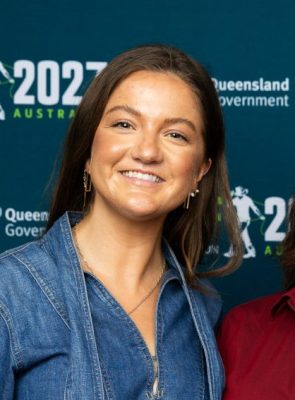
Amelia Unthank
Growing up in a family involved in livestock agency, Ms Unthank has seen first-hand the commercial pressures facing producers and regional communities, informing her focus on practical technology solutions that respond to the needs of the beef industry.
She has also contributed to the development of Agscent, a breath-based pregnancy testing tool for livestock, working on its predictive algorithm and sample collection processes. The technology aims to enable earlier, non-invasive pregnancy detection, helping to make the process faster and less stressful for livestock.
Ms Unthank is also focused on ensuring Agtech is designed around the people who use it, with her work exploring how producers’ needs and priorities can inform the development of practical technology solutions.
She holds a bachelor’s degree in science (Bioengineering Systems) and is currently undertaking a master’s degree in computer science.
The Bursary celebrates the legacy of Liz Alexander, a visionary leader from Emerald who played a pivotal role in shaping Queensland’s Agtech ecosystem.
The $3000 bursary will support Ms Unthank to attend the evokeAG 2027 agtech event next year, as part of a Queensland delegation representing the state’s vibrant Agtech ecosystem.
Now in its second year, the Liz Alexander Bursary is helping build the next generation of Agtech leaders to drive innovation across primary industries.
“I’m honoured to receive this bursary, especially because of what Liz Alexander stood for. She showed that some of the best agtech thinking in Queensland comes from people who live and work in the regions, and that’s exactly where I want to be working,” Ms Unthank said.
“I’m an engineer at heart. I like pulling a problem apart, working out what’s actually going on, and building something that fixes it. Agriculture is full of those problems.”
“You don’t have to leave the bush to work at the cutting edge. Some of the most interesting problems in agtech lie in (extra)ordinary agricultural operations.”
GA elects first northern Australian beef grazier director
Genetics Australia’s first Northern Australian Board director, beef cattle producer Michael Lyons, is well attuned to the benefits of good genetics.
A fourth-generation cattle producer from Wambiana Station south of Charters Towers, Michael and his wife Michelle have seen the cumulative benefits of good genetic planning since buying the family property from his parents in 2018.
“Good genetics has compounding benefits,” he says. “If you have a long-term plan and stick to the plan, each generation should be better than the previous one.”
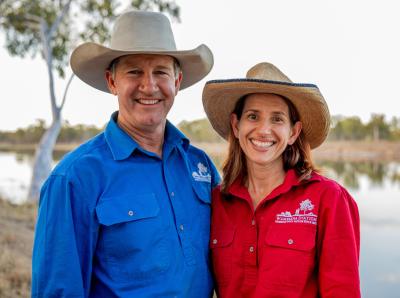
Michael and Michelle Lyons
And that’s what Michael and Michelle are seeing on their 23,000ha seedstock operation, 4,500ha bull depot and 49,000ha leased properties where they run their commercial herd.
“We changed the direction of the seedstock business to objective selection using single-step genomic analysis originally, before moving to actually submitting raw phenotype records to the BreedPlan analysis,” he said.
“We are avid users of Selection Indexes to ensure multi-trait selection when making mating decisions and this has driven progress in our herd. We’re now running a much larger business. When we took over eight years ago, we were producing about 800 calves a year; this year it’s 1850.”
This year Wambiana Station is running about 6000 cattle and selling polled Brahman bulls with well-recorded, predictable, genetics across northern Australia, as part of the Frontier Genetics consortium. They are also developing a polled Wagyu commercial herd for diversification.
From 2014-2024 he was the Northern Australian beef representative on MLA’s National Livestock Genetics Consortium which set the direction of beef genetics research in Australia. He chaired the North Qld Beef Research Committee for ten years and is a founding member of Frontier Genetics, a group of 10 Brahman Studs who share genetics as a breeding group, market together through an annual online sale and promote the use of EBVs and Indexes as tools to select cattle based on their genetic merit.
In 2025 Frontier Genetics was awarded an MLA project to develop an innovative reference population to ground truth genomic predictions and complement other research programs like the Repronomics Project.
“I am very interested to understand genetics at the international level through GA’s partnership with URUS,” Mr Lyons said. “With the ability to identify high-performing cattle and then the opportunity to use AI and IVF to multiply those animals, genetic progress offers a lot of opportunities for the beef industry.”
“We’ve certainly had some constraints in the North, due to the distances and highly variable climate that we’re working in, however the opportunity to breed animals that are well adapted and high performing has the potential to help families run more profitable businesses.”
Melbourne Royal appoints first female President
The Melbourne Royal Slow has elected Kate O’Sullivan as the organisation’s new President – the first female to fill the role in the 178-year history of the Royal Agricultural Society of Victoria.
Ms O’Sullivan brings more than 25 years of senior executive leadership, commercial management and corporate governance experience to the role. As a member of the Melbourne Royal Board since 2021, she brings extensive leadership experience across the agricultural, racing, hospitality and entertainment sectors, with a longstanding connection to Victoria’s agricultural community.
Raised on a farming property near Seymour, Victoria, Ms O’Sullivan grew up involved in cropping, wool production and a beef cattle stud, and developed her passion for the industry through exhibiting Charolais cattle, competing in Hoof & Hook competitions and participating in agricultural shows across Victoria.
A graduate of Marcus Oldham Agricultural College in Farm Management, she has maintained a strong connection and commitment to agriculture throughout her career.
“Melbourne Royal plays an incredibly important role in championing Victorian agricultural communities and building connections between the people that underpin it,” Ms O’Sullivan said.
“I look forward to continuing to work with the Board, members, exhibitors and the broader agricultural community to maintain its strong legacy, whilst ensuring it continues to evolve and advance the industry and communities it serves.”
Elders’ agent Tom Penna clocks up 50 years
When Tom Penna started his career with Elders in South Australia in 1974, the Australian livestock industry looked very different. Computers didn’t exist in sale yards, livestock were sold through large central markets, and everything was recorded by hand.
After 50 years with Elders, Tom is preparing for retirement with a wealth of stories that span some of the biggest changes Australian agriculture has ever seen.
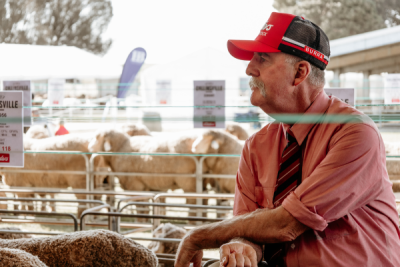
His own journey began at the former Gepps Cross livestock markets, north of Adelaide. At the time, it was one of South Australia’s major livestock selling centres, handling enormous numbers of sheep, cattle and pigs each week.
“I started as a junior clerk at the livestock markets. On my 18th birthday there were 70,000 sheep and lambs sold through the yards,” Tom recalled.
The scale of those operations is difficult to imagine today. There were no computers, electronic records or online selling platforms. Everything was handwritten and calculated manually.
“It was all pen and paper and adding machines. Looking back now, it’s amazing what we managed to process.”
From those early days in the yards, Tom moved through numerous Elders branches across South Australia, where he saw the realities of agriculture in all seasons. At Wudinna, during a severe drought, he remembers one farmer being unable to sell an entire pen of sheep for 20 cents because there were no feed and no water.
Around 1975, another challenge emerged when the cattle market collapsed when export demand disappeared – known as the Beef Slump.
“A beast worth $300 one week was worth $30 the next. It crashed overnight,” Tom said. “All of a sudden everybody had cattle and nobody could sell them. It took years to work through it.”
Experiences like those taught Tom one lesson early: agriculture moves in cycles. He saw markets rise and fall, producers endure difficult seasons, and communities continue to find a way forward.
Those lessons have stayed with him throughout his career and became part of the practical wisdom he shared with colleagues, clients and younger agents.
While Tom’s career included roles in branch management and real estate, he became particularly well known for his work with stud stock. During the 1980s, he played a key role in one of the most exciting periods in the history of the Australian Merino industry, facilitating sales that attracted worldwide attention.
During this time, Tom broke the world record price for a Merino ram three times. “First, it was $102,000. Then $165,000. Then $215,000.”
International demand for Australian genetics was driving unprecedented interest in the industry. Buyers travelled from all over the world to gain access to Australian bloodlines, and Tom experienced that demand first-hand.
“The appetite from overseas buyers was extraordinary. We had Russian and Chinese buyers travelling around South Australia buying huge numbers of rams,” he said.
“At some sales they were purchasing the majority of the catalogue. They were blowing everyone away.”
When asked what advice he would give young livestock agents entering the industry today, Tom’s answer was simple. “Play with a straight bat.”
For Tom, success in livestock agency has always depended on being honest, transparent and reliable.
“If you do not know the answer, find out. If you say you will get back to someone, do it.”
Since retiring from his full-time work a couple of months ago, Tom will not be stepping away completely. He plans to remain involved with several ram sales each year, assist with buying orders and contribute to stud stock reviews.
HAVE YOUR SAY