
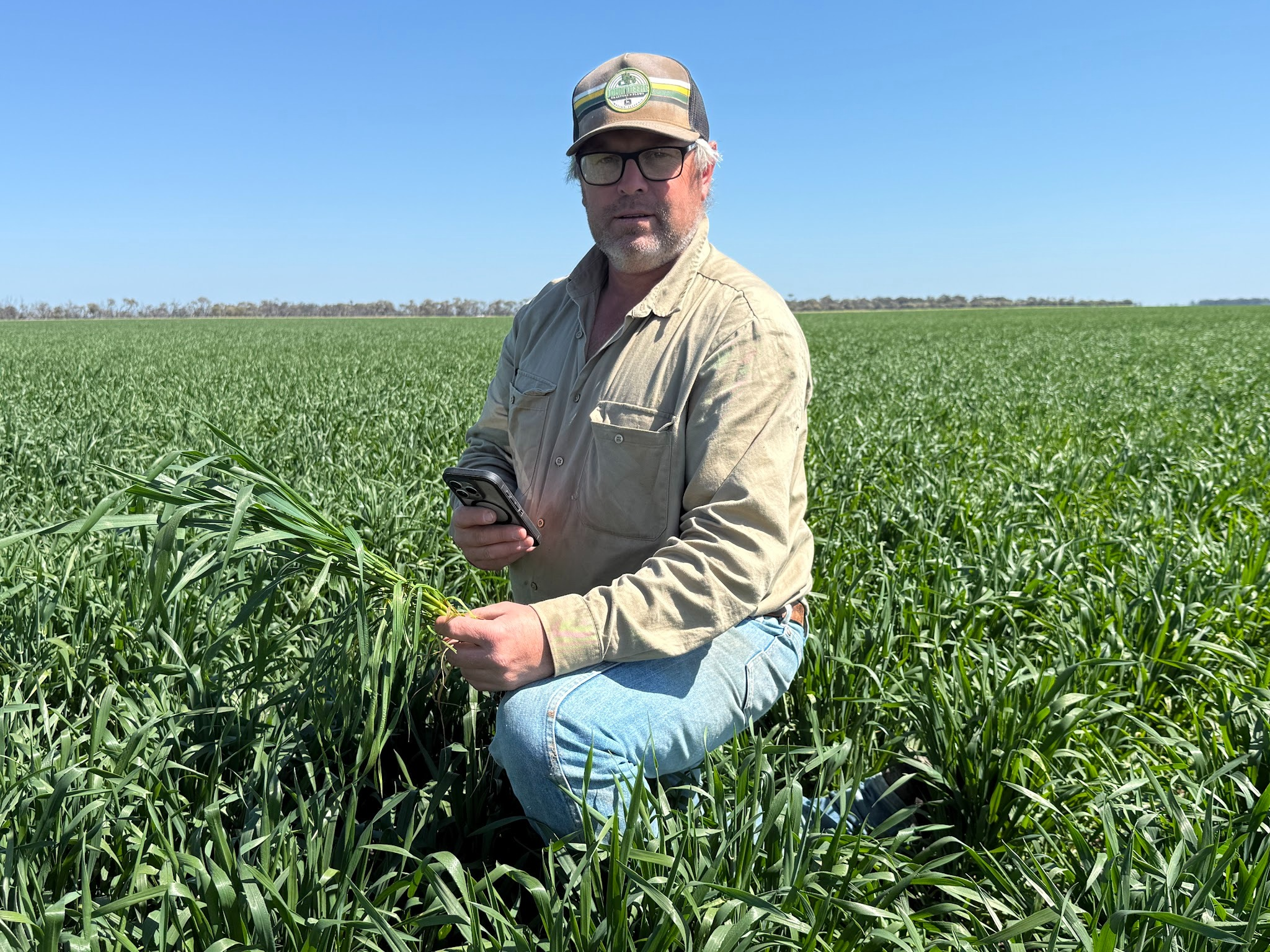
NSW Central West Cotton, Beef and Sheep farmer Andrew Gill is one of the farmers using the technology and says this new tool has allowed him maximise hidden data of his farm including being able to drag and drop mops of sheep to show which paddock they are in and overlaying it with satellite imagery to predict how much feed is left, all in real time. Photo: Supplied
A GROUP of Australian farmers is developing a new tool that will be able to learn the workings of individual Australian farms and help with management decisions.
According to Regen Farmers Mutual, a farmer cooperative that was formed to navigate environmental markets, just 3pc of Australian agriculture, forestry and fishing businesses are using artificial intelligence, the second-lowest rate of any industry and well behind the 12pc national average. They have a built a tool called Farm Assistant to give producers access to rapidly growing technology.
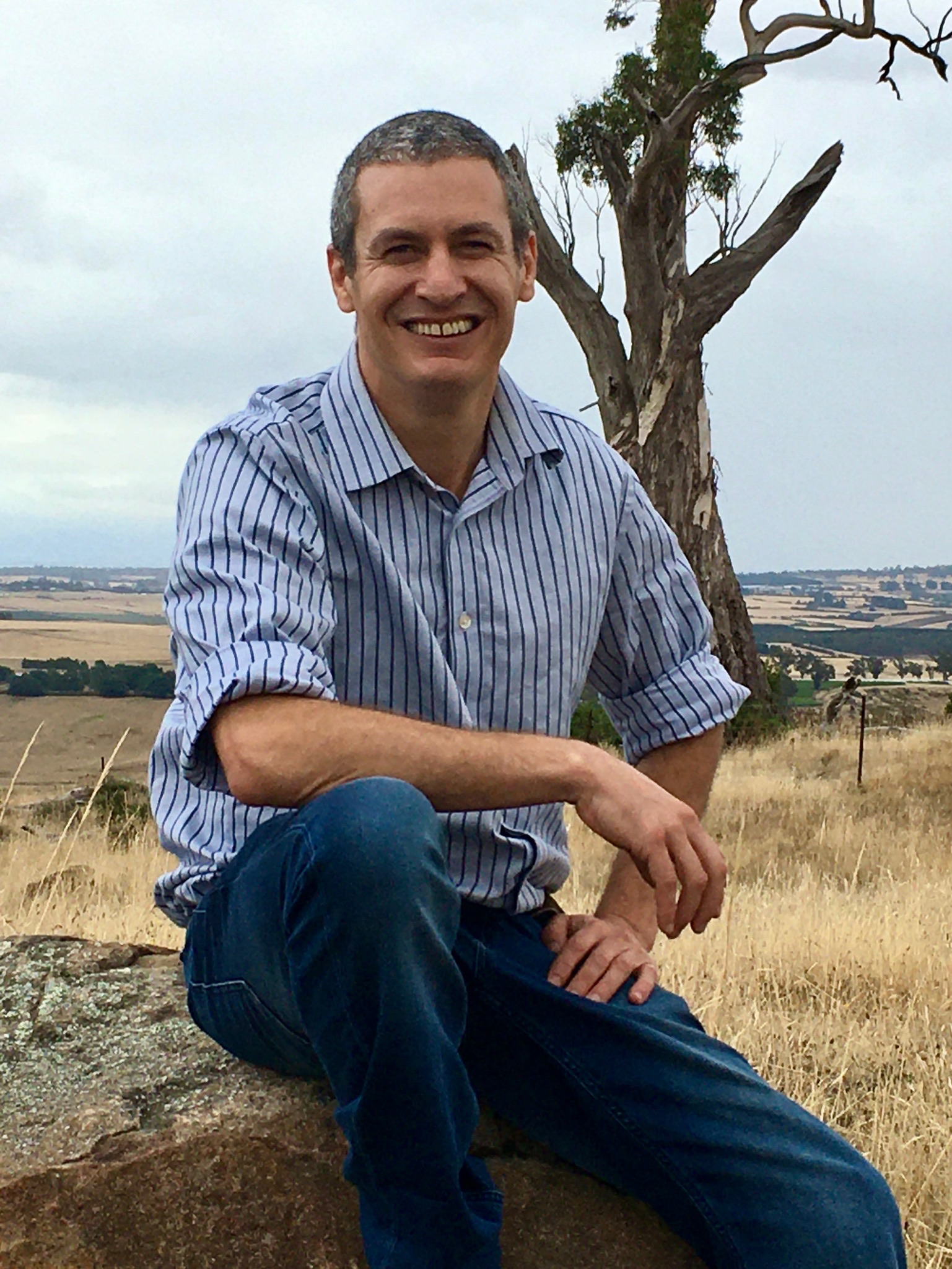
Andrew Ward. Photo: Supplied
Co-director Andrew Ward believes one reason for the slow uptake from Australian farmers is that much of the AI available wasn’t built for the reality of running a farm.
“Low AI uptake shouldn’t be mistaken for farmers being reluctant to embrace technology. Australian farmers have been using GPS, automated machinery, sensors and remote monitoring for years,” Mr Ward said.
“The problem is that a lot of the conversation around AI has very little to do with the problems farmers need solved.
“They don’t need AI to tell them how to farm. They know their land, livestock, crops and seasons. What they do need is a way to cut down the hours spent at night entering information into different systems and doing paperwork.”
Farm Assistant allows farmers to record what is happening as they work using voice notes, photographs or text from the paddock, tractor or yards. A farmer treating livestock, for example, can tell the assistant what they have done, allowing treatment records and inventory to be updated and associated documentation prepared without re-entering the information later.
The technology can also learn the language of an individual property, from paddock names and livestock groups to the terminology used by the people running it.
“If you’ve called a paddock ‘The Back Forty’ for 30 years, you shouldn’t have to rename it because you’ve bought some new software,” Mr Ward said.
“The technology needs to adapt to the farmer, not the other way around.”
The assistant is designed to work alongside existing sources of farm and business information, including farm-management software, weather information, machinery systems, sensors and commodity data.
Twenty farmers are currently piloting the technology and meeting weekly in what Regen Farmers Mutual calls an ‘AI gym’, testing Farm Assistant on their properties, sharing what works and helping shape its development.
Co-Director and cattle farmer Christophe Bur said some of the most useful applications were emerging from the repetitive jobs farmers deal with every day.
“Farming involves an enormous number of repetitive processes. Spraying, sowing, fertilising, harvesting, moving stock, keeping records, reconciling accounts and meeting compliance requirements happen again and again,” Mr Bur said.
“The opportunity isn’t to replace the farmer’s judgement. It’s to stop valuable information disappearing into notebooks, different systems or someone’s memory and reduce the amount of time farmers spend entering the same information more than once.”
Mr Bur said reducing administration could have an impact beyond productivity.
“For a lot of farming families, paperwork happens after the day’s actual farming is finished.
“If AI means someone gets through the gate at the end of the day and has dinner with their family instead of sitting at the computer for another two hours, that’s technology solving a real problem.”
More than 40 farms are now waiting to join the program.
Source: Regen Farmers Mutual
HAVE YOUR SAY