
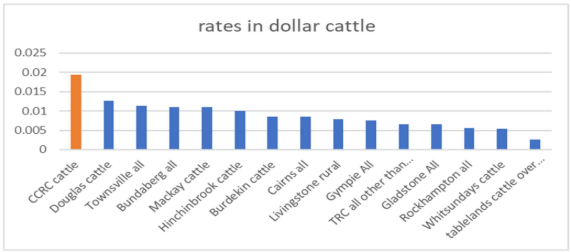
Modelling from the Cassowary Coast Graziers Association suggests it pays the highest rate in the dollar of any livestock producers on the east coast.
A PRODUCER group in North Queensland is calling for more transparency in the way council rates are calculated allocated, with calculations suggesting each animal leaving the local area has a $150 rate burden tied to it.
The Cassowary Coast Graziers Association (CCGA), which covers a large part of the coastal area between Cairns and Townsville, has been locked in a battle with the local council for several years over what it claims are unfair and inequitable rates and a lack of transparency and accountability.
It has engaged the help of a Kings Council lawyer, referred the council to the Queensland Ombudsman, run petitions calling for fairer rates and repeatedly asked the council to explain how the rates are fair for graziers.
The group has now taken its fight to the State Government, with producer Jason Burzacott writing an open letter to local government minister Ann Leahy and special commissioner to rural and regional Queensland Andrew Cripps on behalf of the CCGA asking her to undertake a review of the safeguards available to minority rating categories and arrange a department representative to attend a meeting between CCGA and the Cassowary Coast Regional Council (CCRC).
“Local government has been granted ‘unfettered’ autonomy to set rates, one primary safeguard to that autonomy is the expectation of high levels of accountability and integrity as stated in the minister charter. Throughout this period, CCGA has consistently sought one thing: a meaningful and proportionate explanation of how CCRC support their claims that its livestock rates are fair and equitable,” Mr Burzacott said in his letter.
“Despite repeated requests, council has steadfastly declined to do so. CCRC has full control over rates settings and made a very deliberate decision to apply these rates to graziers. To be clear, CCRC has never tabled a single item of validated data-based fact as to why they have claimed the “livestock” rates to be fair and equitable, and to their credit recently acknowledged no such quantitative data exists.”
How high are the rates?
According to Qld Department of Primary Industries modelling used by the CCGA and CCRC rating data, the average rates bill for producers in the area is $12,000. The same modelling suggests that the average gross margin (before many expenses) for cattle producers is $35,000, meaning 35 percent of the gross margin is going to rates.
 “After all these years, we do understand that the ability to pay is an unlawful factor to use in setting rates, we share this fact to demonstrate the impact of the rates settings and as another indicator of rates inequity,” Mr Burzacott said.
The council has previously stated that part of the issue on the Cassowary Coast is the high land valuations for grazing land. The CCGA refutes this as an issue saying the council can use the rate in the dollar (RID), where they calculate the revenue they desire from a certain sector and divide it by the cumulative land vale. CCGA says the actual rates is entirely in the council’s control and that Government has illustrated that clearly.
It says the grazing sector’s RID puts it on a similar the same level to other more intensive sectors like sugar cane and banana farms. The producers say the Cassowary Coast is the only “high rates” shire to do so, with all other “high rates” peers charging graziers around 30-50 percent of what is charged to higher intensity agriculture.
How do the rates compare to other councils?
The CCGA has done RID calculations for other councils on the east coast and found that its livestock producers are paying a lot more than their peers.
A comparison was made between Cassowary Coast and the Whitsundays, finding that its cattle producers pay 3.6 times more in rates than producers in Whitsundays.
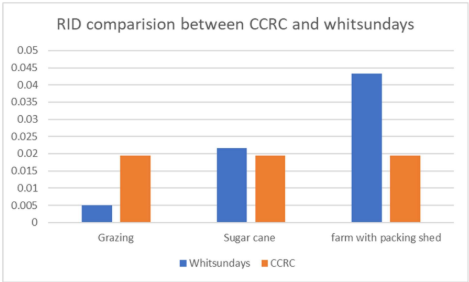
The CCGA’s comparison of rates between the Cassowary Coast and the Whitsundays.
The CCGA says it has only ever asked the council to provide a meaningful and proportionate explanation of how the rates a fair and equitable.
“Despite repeated requests, Council has steadfastly declined to do so. CCRC has full control over rates settings and made a very deliberate decision to apply these rates to graziers,” Mr Burzacott said.
“At any point CCRC only has to demonstrate the rates settings are fair to close this long running matter out, yet they fight tooth and nail to avoid doing so with any level of detail.”
Call for State Government to intervene
The producers are now calling for the State Government to intervene by mediating discussions with the council and providing adequate transparency for producers.
“Our experience demonstrates what we believe is a systemic governance issue over Queensland’s local governments, while acknowledging most local governments probably do the right thing,” Mr Burzacott said.
“While this is only impacting CCRC graziers, others may want to pay attention to ensure the rates applied here don’t become a precedence for increases in other shires.”
Cassowary Coast Regional Council was contacted for comment.
- If you have a story of over charging rates or lack of transparency from Government on rates bills, comment below.
HAVE YOUR SAY