
Pixabay, Canva, The Conversation, CC BY-NC
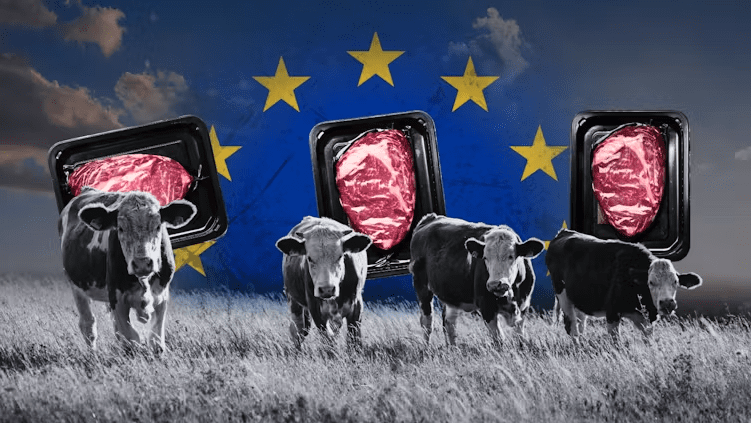
A RECENTLY released strategy recognising livestock as “critical infrastructure” in the European Union has been lauded as a major shift in the continent’s approach to agriculture – after a decade of largely looking at livestock as a source of emissions.
The strategy was released by the EU to revitalise the livestock industry, which has been declining in numbers over past 20 years.
Across five key priorities the continent says it plans to reduce dependence on imported feeds, restore production in regions at risk of land abandonment, support livestock systems that contribute to the viability of rural and remote areas and preserve the central role of livestock farming as an economic, social and environmental asset.
The document has been recognised as a significant change in the country’s approach to livestock, with a wave of legislation trying to reduce livestock numbers. A court ordered The Netherlands to cut livestock numbers by 30pc, which included buying out farms, Ireland had plans to cut 200,000 head of livestock and Denmark became the first country introduce a methane tax.
The legislation sparked a backlash from the industry with protests in some of the continent’s biggest cities and farmers spraying the European parliament with manure, lighting silage bags on fire and blocking supermarket distribution centres with their tractors.
EU industry cautiously welcomes document
Agriculture groups in Europe have cautiously welcomed the document, but have been sceptical about whether it will be followed up with real action.
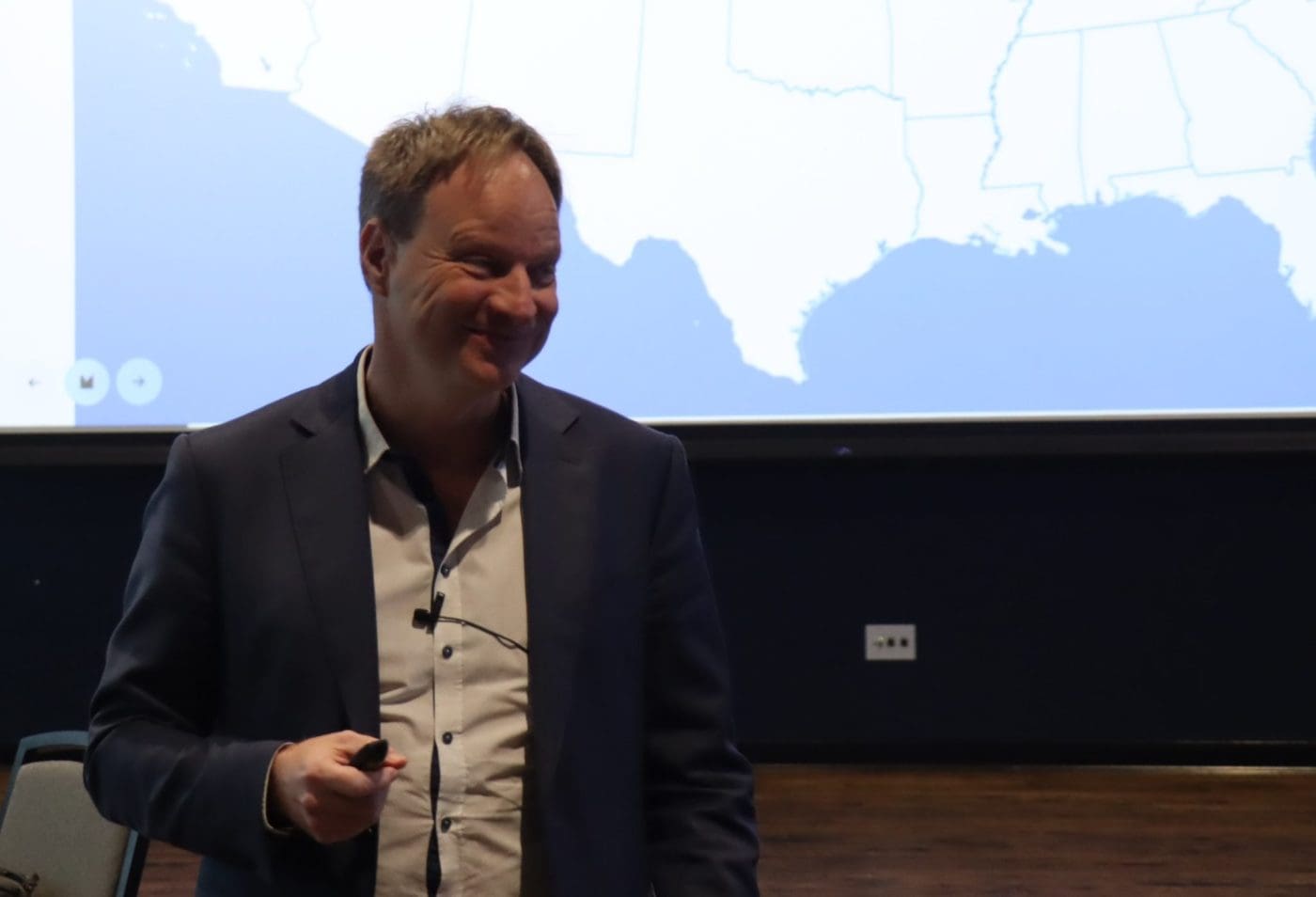
Swiss Scientist Peer Ederer presenting to the Denver conference.
While not directly involved with the agricultural industry, a group of scientists have come together in recent years to give a unified voice recognising the essential role of meat and livestock – called the Dublin Declaration. Many of those scientists recently wrote a paper warning against “carbon tunnel vision” in the approach to livestock.
One of the initiators of the Dublin Declaration Peer Ederer told Beef Central the strategy was well drafted, sensible and a welcome change from the last decade. However, he said with no actions to follow it up, it was just words on a page.
Irish Farmers Association president Francie Gorman said in a press releast that the strategy did not have enough focus on the difficult income conditions in the sector.
“The Strategy identifies five priorities, but the low margins and cost pressures are relegated to the background note in the document released by the Commission today,” he said.
“It’s all very well to talk about ‘making the sector more self-sufficient, sustainable and resilient’. However, the future will only be secured if those considering a career in livestock production can see that it’s possible to make a living out of it,” he said.
Other countries call for a similar document
In the United Kingdom, the British Meat Processors Association released a statement calling for its Government to do the same.
 “The strategy recognises that Europe’s livestock sector faces mounting pressures, from volatile markets and animal disease to rising production costs and climate change,” the statement said.
“It also acknowledges the risks of relying heavily on imported feed proteins, with the accompanying Protein Strategy aiming to boost European production of protein crops and reduce dependence on imports. Food security and food sovereignty feature prominently throughout both documents.”
Lesson to the world
Australian Dairy Farmers has also responded to the strategy, with the president Ben Bennett saying it was a lesson to the rest of the world.
“It’s encouraging to see one of the world’s largest economic blocs revert from the recent pattern of treating livestock production as primarily an emissions problem to a recognition that it is a strategic asset that underpins food security, regional jobs and economic resilience,” Mr Bennett said.
“Profitable farming businesses are the foundation of sustainable agriculture. Farmers can only continue investing in animal welfare, environmental stewardship and productivity improvements if their businesses remain valued and viable.”
Mr Bennett said many of the themes echoed ADF’s own advocacy priorities.
“The geopolitical roller coaster of recent years has highlighted the importance of resilient domestic food production and strong regional industries,” Mr Bennett said.
“The strategy reinforces ADF’s longstanding position that productive, profitable and sustainable livestock industries are fundamental to delivering food security, regional jobs and long-term environmental outcomes.
“The Federal Government needs to take a good hard look at what the EU has done and commit to protecting Australia’s own livestock industries and farming communities, as well as ensuring the longevity of our world-class dairy industry.”
Mr Bennett said the strategy also highlighted the need for Australia to remain competitive in international markets.
“Consumers and governments are continuing to demand higher standards across food production systems,” he said. “Australian dairy farmers are well placed to meet those expectations, but we must have the Federal Government investment and policy to continue improving our productivity, sustainability and innovation to remain globally competitive.”