

Landholders need protections that can survive changes of minister and changes of Government, AgForce is arguing. Image: Shutterstock
AGFORCE is calling for significant amendments to Queensland’s proposed Critical Minerals Bill amidst growing concerns that its provisions could permit State-backed land access and compulsory acquisition for projects far beyond critical minerals, including wind farms and data centres.
AgForce stressed that the legislation’s broad State Strategic Project definitions risk overriding landholder protections and granting exceptional powers to private developments over Queensland farms.
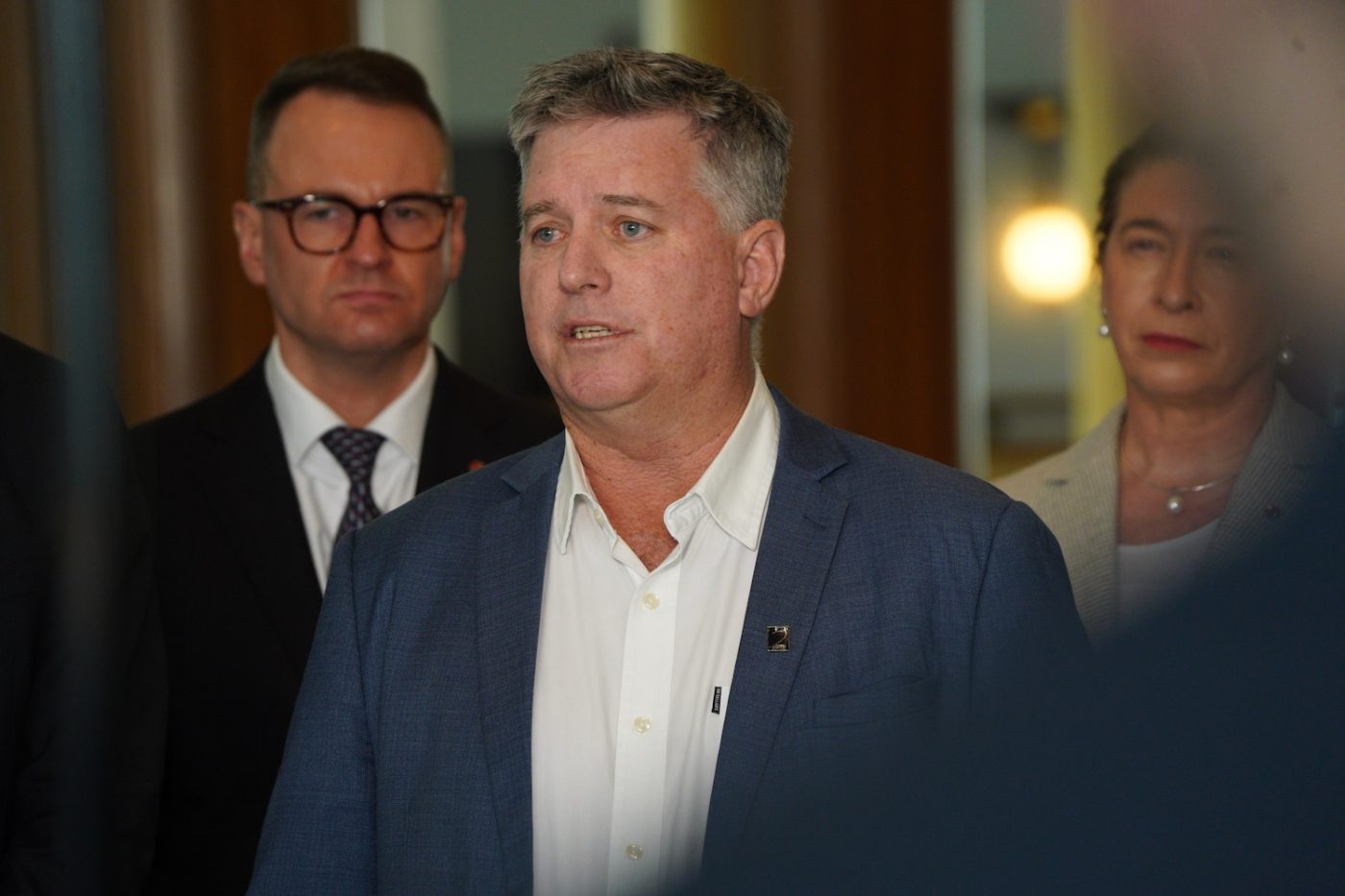
Shane McCarthy
“Call it what it is. This is not just a Critical Minerals Bill. It is legislation that could give wind farms, data centres and a range of other private projects State-backed powers over Queensland farms,” said Shane McCarthy, General President, AgForce.
“The Government is not treating this with the seriousness it demands.
“It is asking Parliament to give private projects a pathway to enter and compulsorily acquire Queensland farms, while leaving critical landholder protections to promises and guidelines.
“That is not good enough. If the Government understood the gravity of what it is proposing, these protections would already be written into the Bill.”
The organisation underscored the Bill’s potential to alter negotiations between private project proponents and landholders by introducing State involvement into discussions that should be commercially based.
AgForce warned that once State-backed acquisition options are in play, the traditional balance between parties is lost, fundamentally changing the negotiation process and leaving farmers at a disadvantage. Environmental and production concerns were highlighted, particularly the risks posed by data centres to water supplies.
AgForce’s focus is on enshrining rigorously enforceable protections within the legislation. The group is not opposing the presence of data centres or wind farms on principle, but is adamant that comprehensive assessment and effective legal safeguards must be established before private projects are granted exceptional access over prime agricultural land.
“If this Bill is not stopped, we will find ourselves with Ministers that have superpowers to decide whether a multigenerational family property is used for commercial purpose outside of primary production.” said Mr McCarthy. “Where will the powers of this Bill stop? We just want it in writing and not left to good faith.”
The current Bill allows a proponent to seek compulsory-acquisition endorsement after only six months of negotiation, culminating in a final unconditional offer that remains open for only 10 business days. AgForce dismissed this as an ultimatum, not adequate protection, and called for the period to be extended to 60 business days, with proponents required to cover landholders’ costs for legal, valuation, accounting, agronomic, water and biosecurity advice.
“Ten business days to assess the potential forced sale of a multigenerational farm is not meaningful protection. It is an ultimatum,” said Shane McCarthy.
“Farmers should not be forced to choose between a lawyer and a valuer when the proponent can have an entire team of advisers sitting across the table.”
Additional concerns centre around the minimal seven-day notice before access to land may be granted, with AgForce stating that genuine consent and sufficient lead time are necessary.
“Seven days’ notice is not an access agreement, and compensation after damage has occurred is not the same as preventing that damage,” said Shane McCarthy.
AgForce is actively seeking binding arrangements for compensation, water management, biosecurity, livestock, crops, farm access, safety and rehabilitation prior to access being enabled, alongside a demonstrable public-benefit test and true good-faith negotiations for private State Strategic Projects.
Parliamentary oversight, recognition of agricultural productivity as a strategic State interest and sunset provisions for exceptional powers are critical components of the changes AgForce seeks.
“Guidelines are promises written in pencil. Legislation is protection written in law,” continued Mr McCarthy.
“A Minister can change. A Government can change. A guideline can disappear. Queensland farmers need protections that survive all three. If the Government says farmers have nothing to fear, it should have nothing to fear from putting these protections into the legislation.”
Source: AgForce
HAVE YOUR SAY