
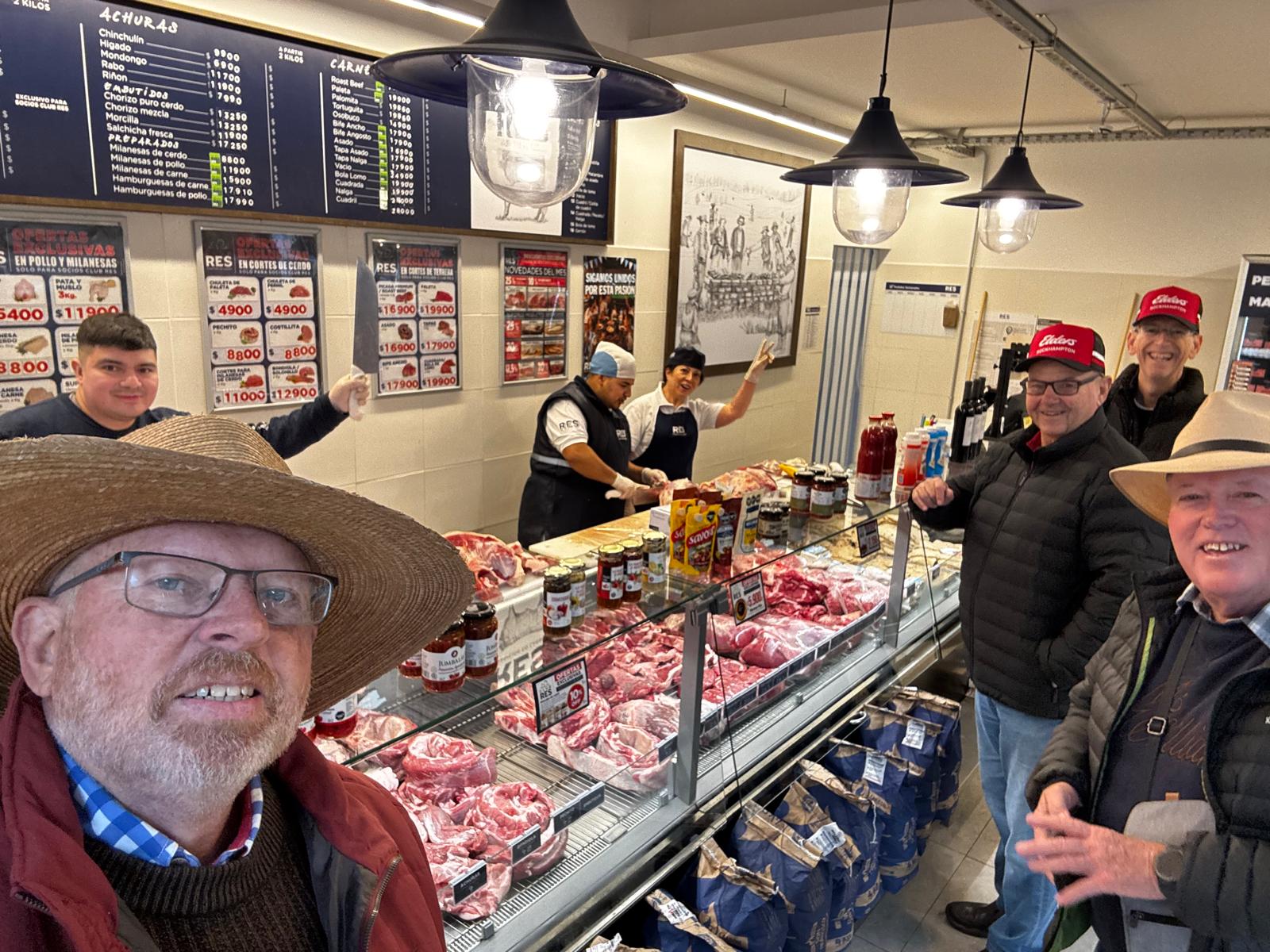
Greg Pankhurst, Peter Homan, Chris Jones and Peter Watkins sampling the beef in Buenos Aires.
THE untapped production potential of South America despite already being a beef producing powerhouse, and Brazil’s intense interest in expanding its export beef footprint into South East Asia, were among several messages a group of Australian cattle industry stakeholders returned with after visiting the region in recent weeks.
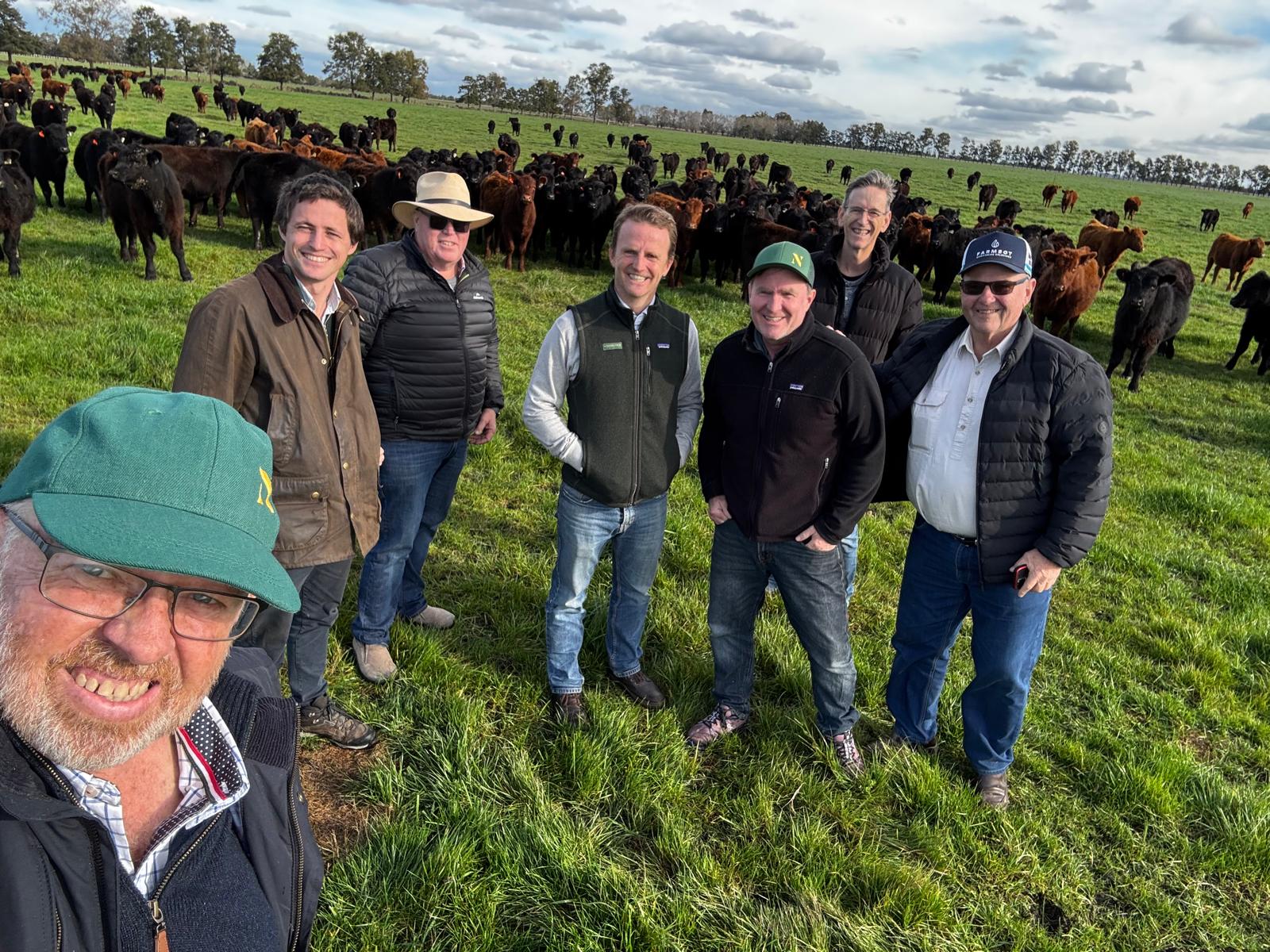
The group, which visited ranches, feedlots, export quarantine facilities, livestock selling centres and a major beef show, included Greg Pankhurst, Peter Watkins, Peter Homan and Chris Jones.
In a chat with Beef Central following their return last week, Mr Pankhurst who has extensive experience across both Australia and Indonesia’s cattle industries, said it was fascinating to gain another first hand look at the region’s evolving beef industries, which was his second visit in two years.
For Australian producers, one of his most notable observations was the intense interest he encountered in Brazil in expanding boxed beef sales into Southeast Asia.
“They talked to us a lot about South East Asia and expanding their footprint there,” he said.
Brazil in particular has already been making major inroads into the region, which is a key market for Australian beef.
The South American beef giant, which has a herd around 10 times larger than Australia’s at 230 million head, and exports about 3.5 million tonnes per year compared to Australia’s 1.5 million tonnes, is looking for alternative markets as it faces constraints in other important markets.
Brazil is approaching the trigger level for its beef safeguard quota into China this year, and from early September faces a ban on supplying beef to Europe following concerns over compliance with European Union antimicrobial requirements.
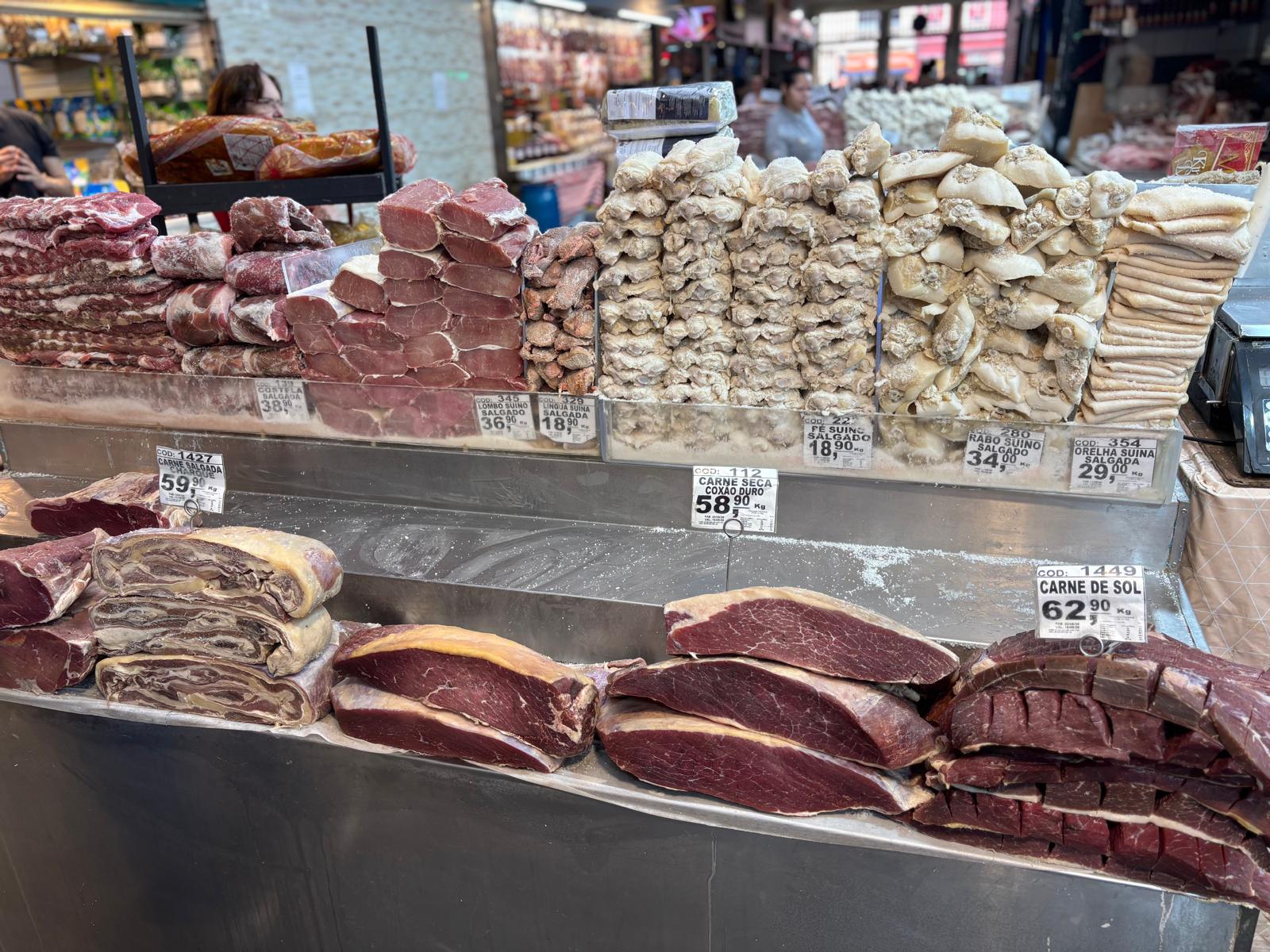
One area where Brazil’s growing presence is already being felt by Australian exporters is Indonesia’s offal market, where Brazilian exports in the first half of 2026 almost matched Australia’s volumes.
Mr Pankhurst said feedback from Brazil was that processors appeared to be reassessing the value of offal products that had traditionally been rendered or directed into further processing such as for canned meats, and were instead finding export opportunities for them as frozen product into countries such as Indonesia and Vietnam.
Live cattle a different proposition
Despite Brazil’s ambitions in boxed beef, Mr Pankhurst believes Australia retains key advantages in supplying live cattle to Southeast Asia, particularly Indonesia.
While Brazil and Indonesia now have a live cattle protocol in place, the economics and logistics involved in shipping cattle remained a major challenge for the viability of that long-distance trade.
“You’ve got a 30 day voyage time, it is a long, long way, and the cattle prices in Brazil as opposed to here at the moment are pretty much the same, the FOB price is pretty similar,” he said.
“The shipping cost is at least 50-70 percent more. That is a fair barrier.”
He said commercial relationships developed between Australian exporters and Indonesian importers over many years, which included well-developed and long-standing financing and credit arrangements, was another big factor underpinning strength of the Australia-Indonesia cattle trade relationship.
However the message was also that Australia should not totally disregard Brazil as a potential supplier of live cattle to Indonesia, as they have already supplied cattle to Vietnam which occurred in late 2021.
The Brazilian Government also recently emphasised that new live markets need to be found to supplement the strong markets to the Middle East that it supplies with some 1.3 million cattle per year.
“The Indonesian and Brazilian Governments have had extensive discussions. Brazilian cattle suit the job, high bos indicus types with a large majority of the cattle still entire, they would feed well. A few things would need to align to see a shipment make its way Indonesia, but its not out of the question,” Mr Pankhurst said.
Brazil’s cattle powerhouse
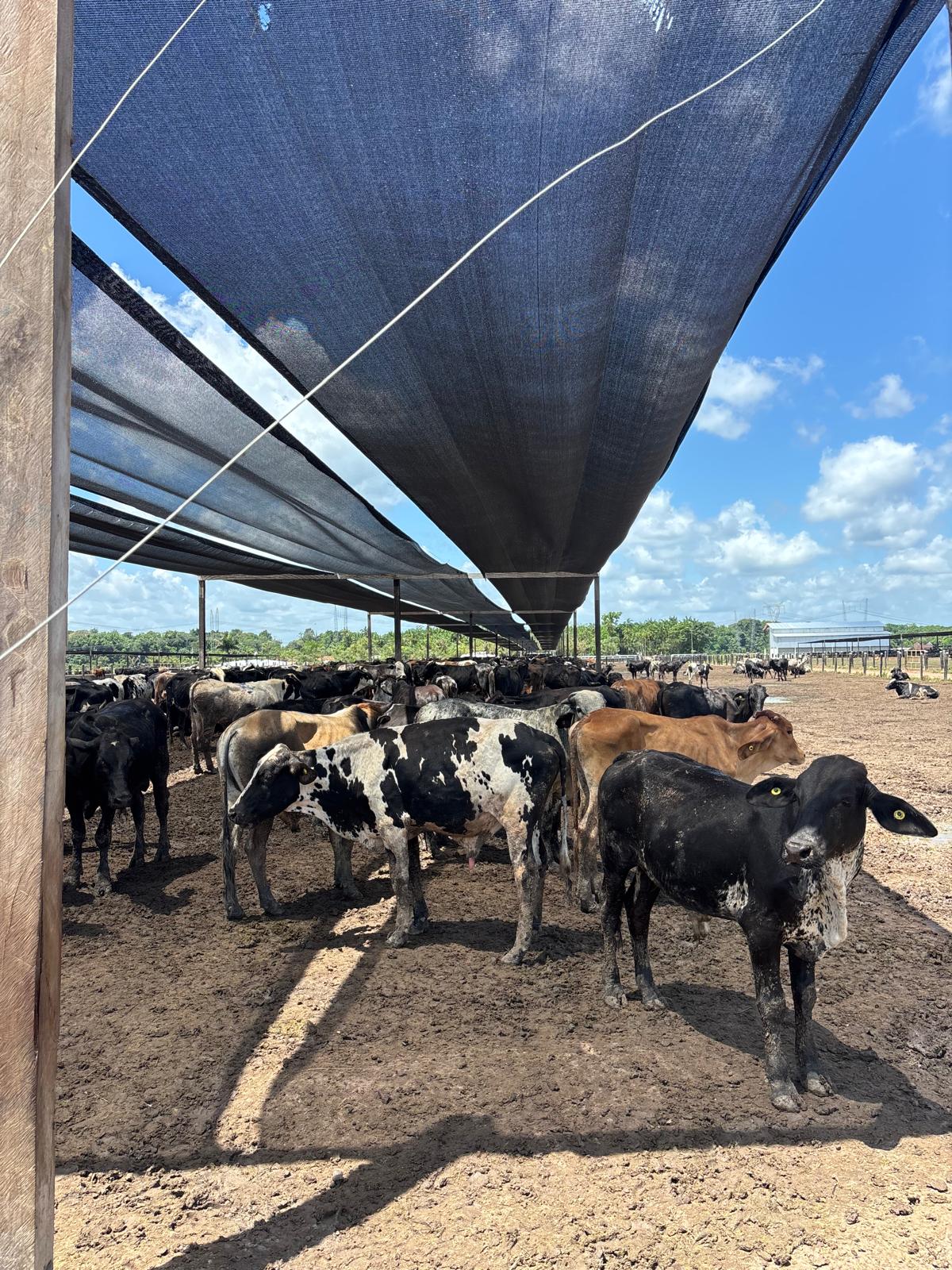
The scale of cattle production the group encountered in South America was encountered on multiple occasions.
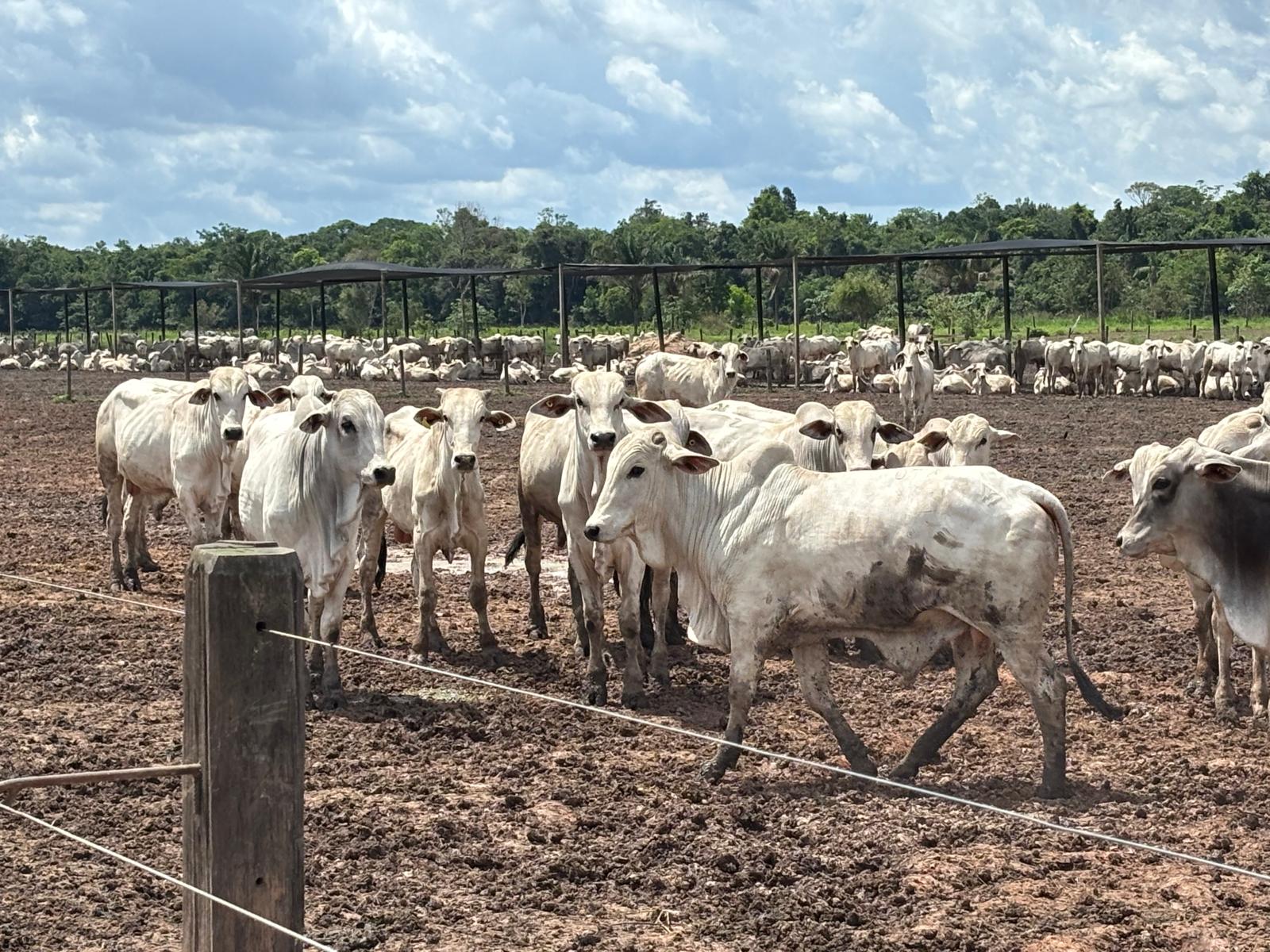
Brazil’s northern State of Para is not much larger than New South Wales in area but has a herd of 26 million cattle – not far off the size of Australia’s total herd.
Mr Pankhurst said the tropical environment was not dissimilar to Indonesia, with annual rainfall in excess of 3000mm per year and beautiful tropical grasslands.
“Just amazing country,” he said.
Stocking rates in Brazil were around one to two head per hectare in areas visited, with Nelore cattle predominant but increasing evidence of crossbreeding with American Angus genetics.
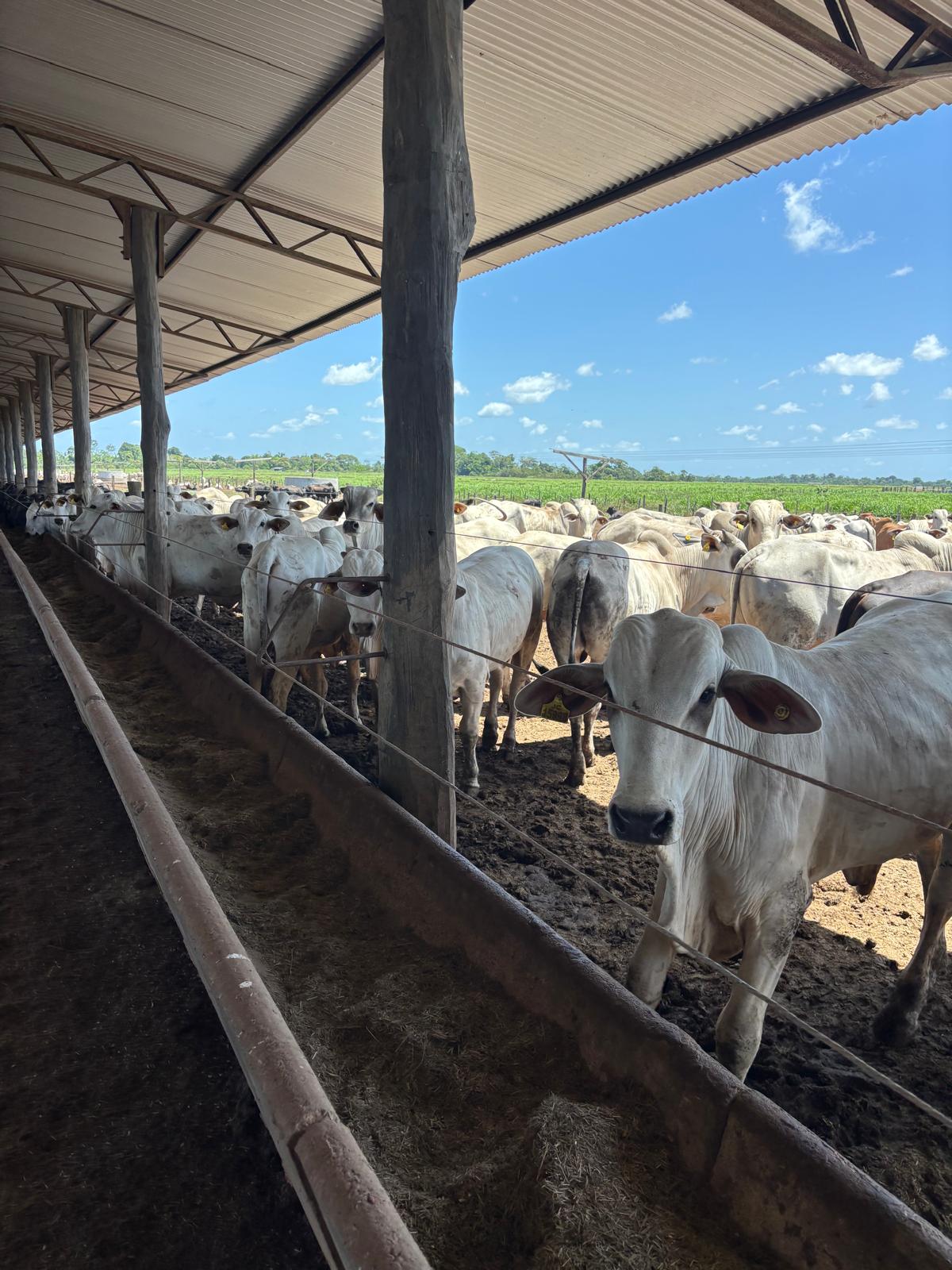
In the feedlots they encountered growth rates on high moisture corn grain rations were about 1.4kg to 1.5kg per day.
“I think probably there is a fair bit of upside on what they can do in the feedlot space.”
Uruguay “a standout”
Uruguay also left a very positive impression.
The country which is bordered by both Brazil and Argentina has a population of around three million people but about 12 million cattle and six million sheep, in addition to vibrant soybean, wheat and barley cropping and on-farm forestry developments growing eucalyptus to supply a substantial wood pulp industry. Planted timber now covers about 9 percent of Uruguay’s land area.
Cattle production included extensive cow-calf operations on open plains, often running around one cow per hectare, he said.
Feedlot development in Urugay was also occurring rapidly.
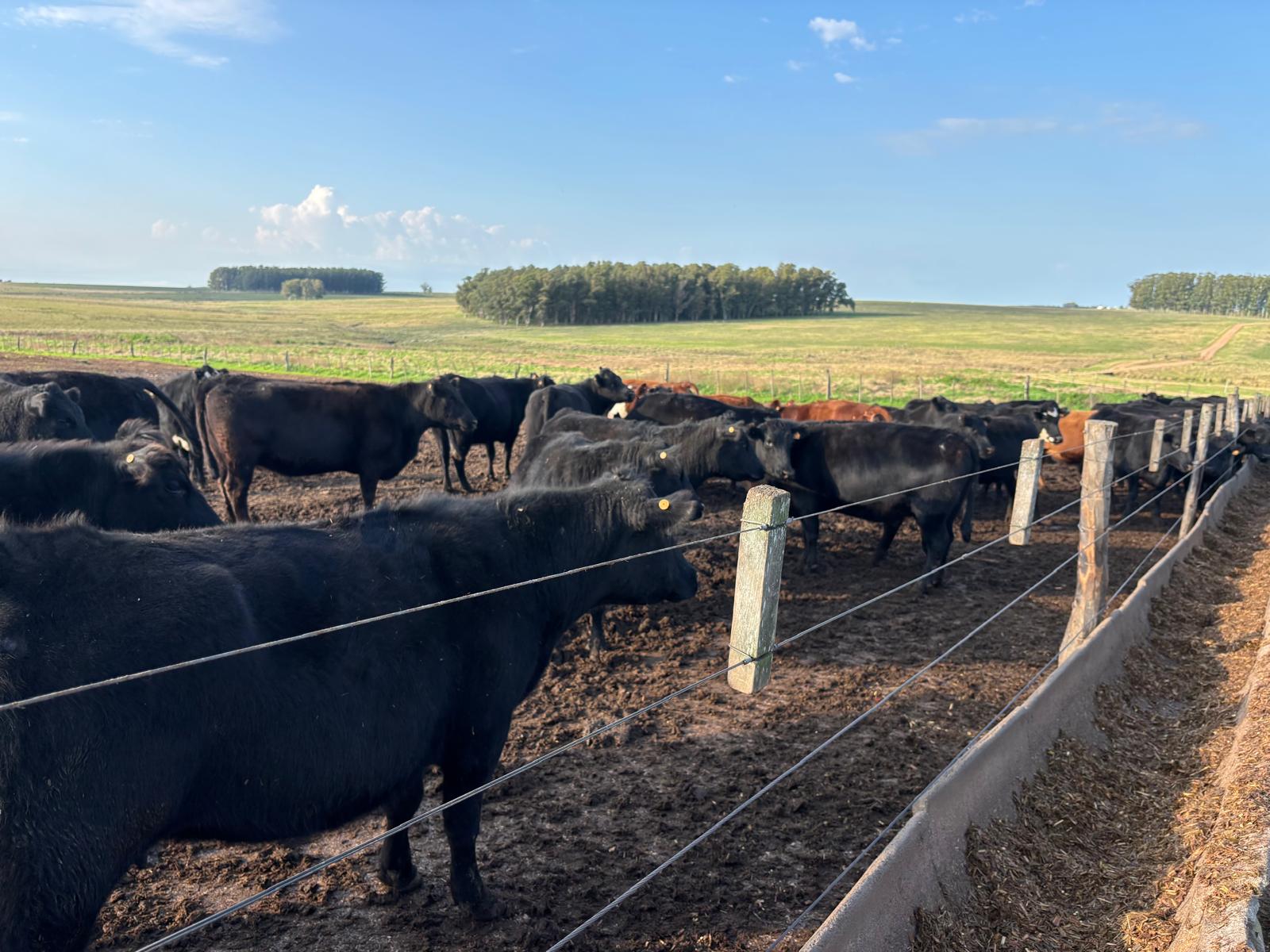
The feedlots visited were relatively simple operations, typically based around high-moisture corn, but GP said new facilities were being constructed at a considerable pace.
He said Uruguay’s combination of political stability, good regional infrastructure including exceptional roads and broad export market access made it a country with substantial opportunity.
“It is very stable with beautiful country, a small population, still relatively low wages, good logistics and access to all of the export markets.”
Angus dominates further south
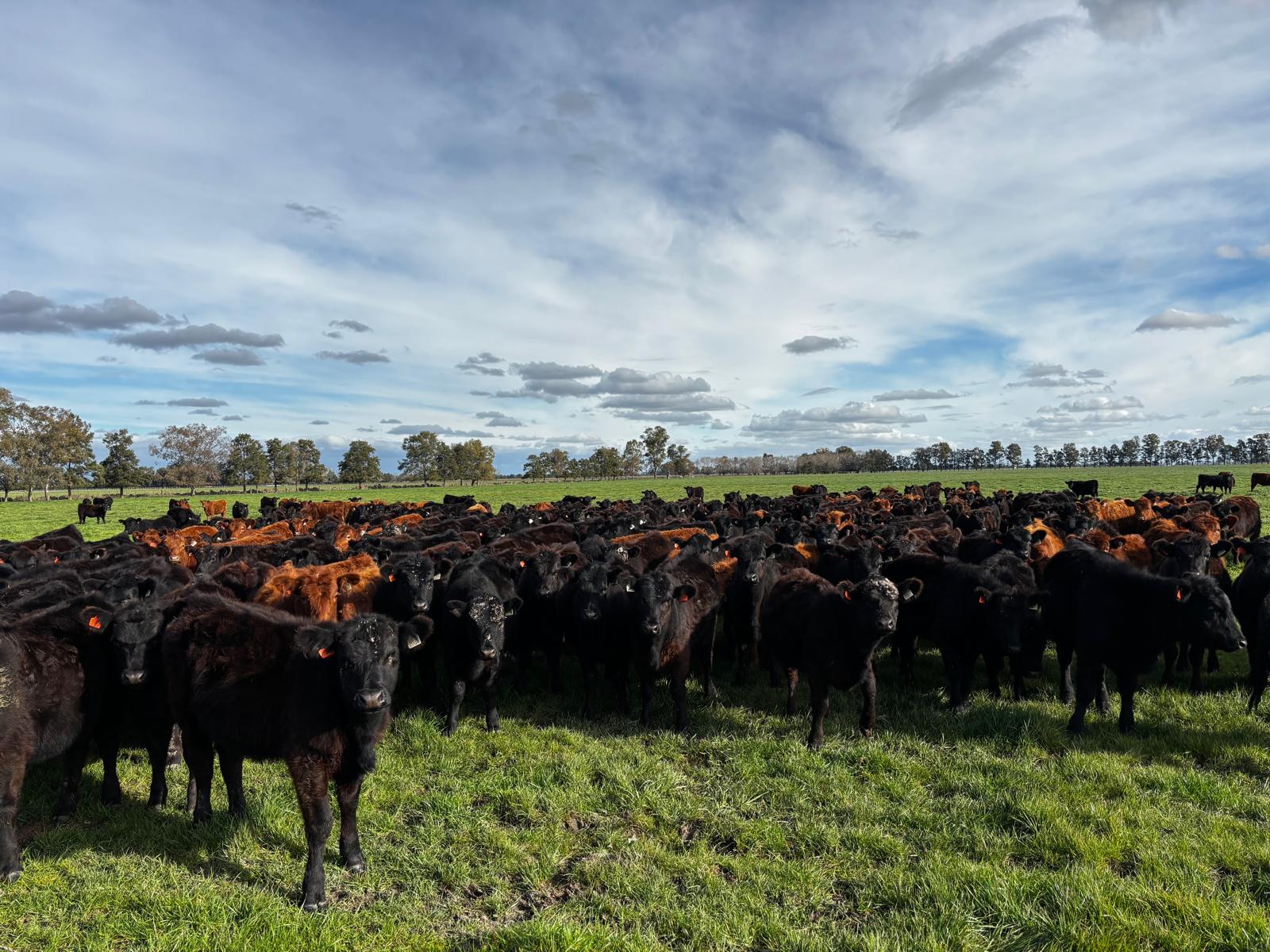
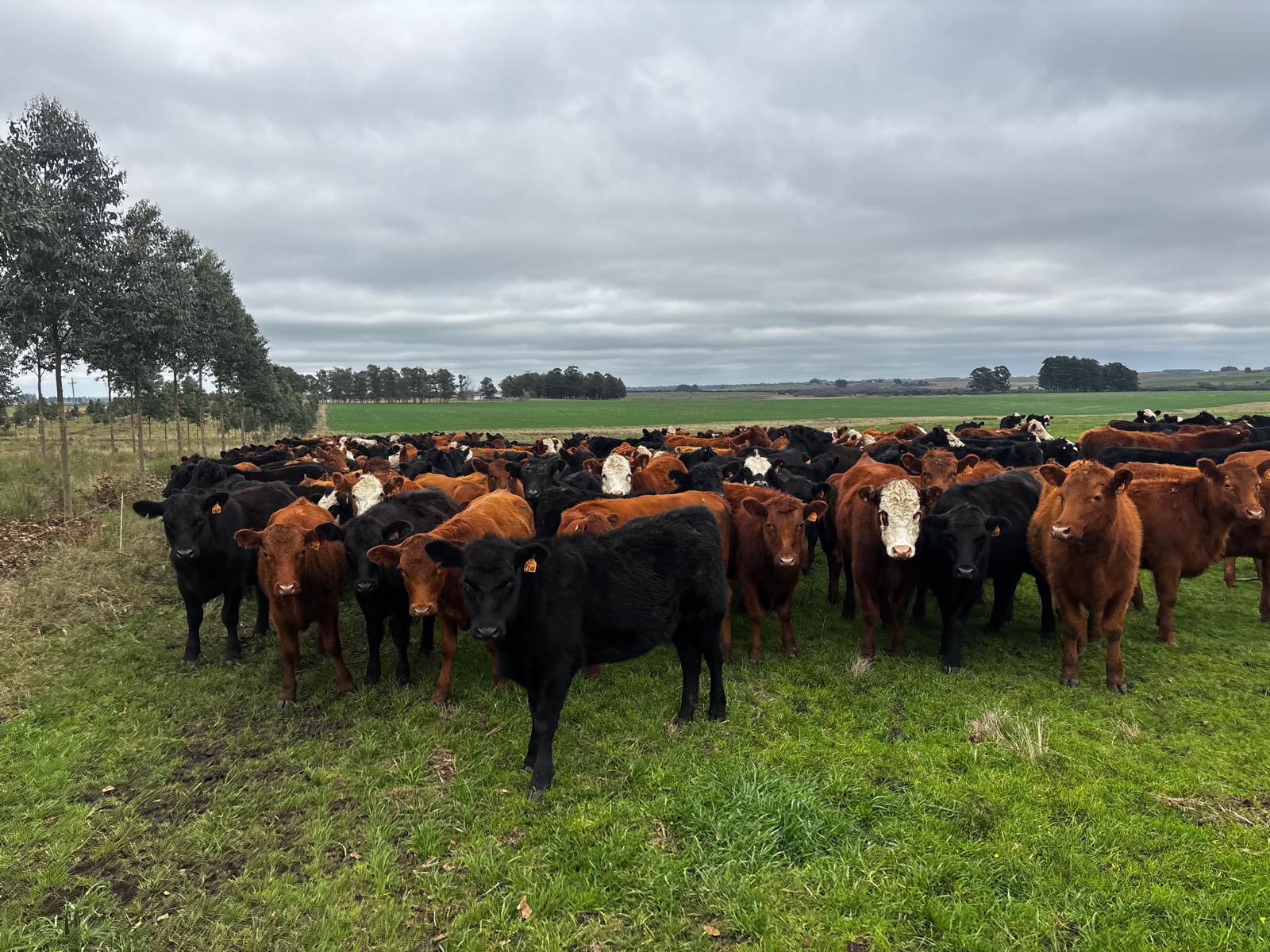
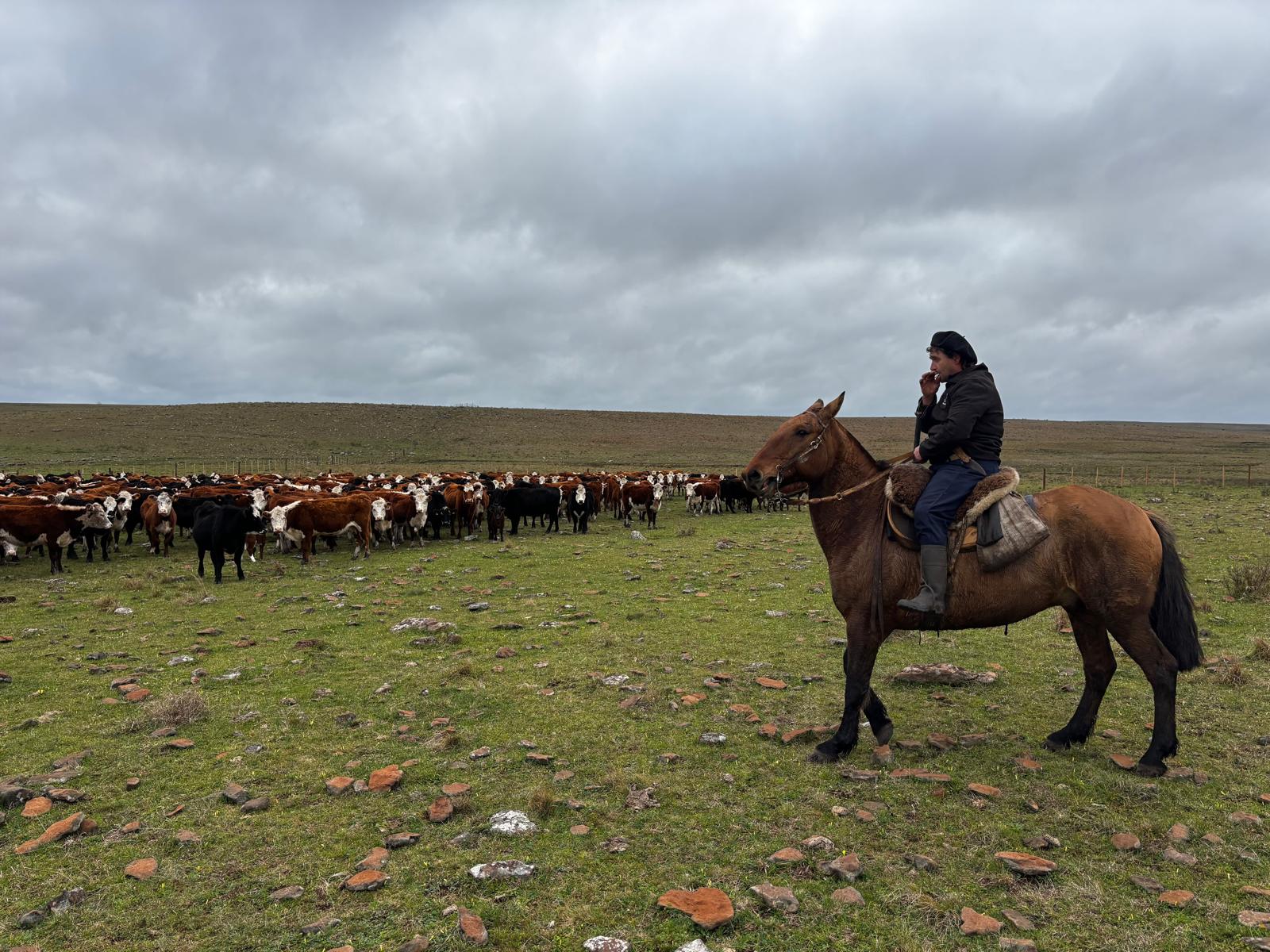
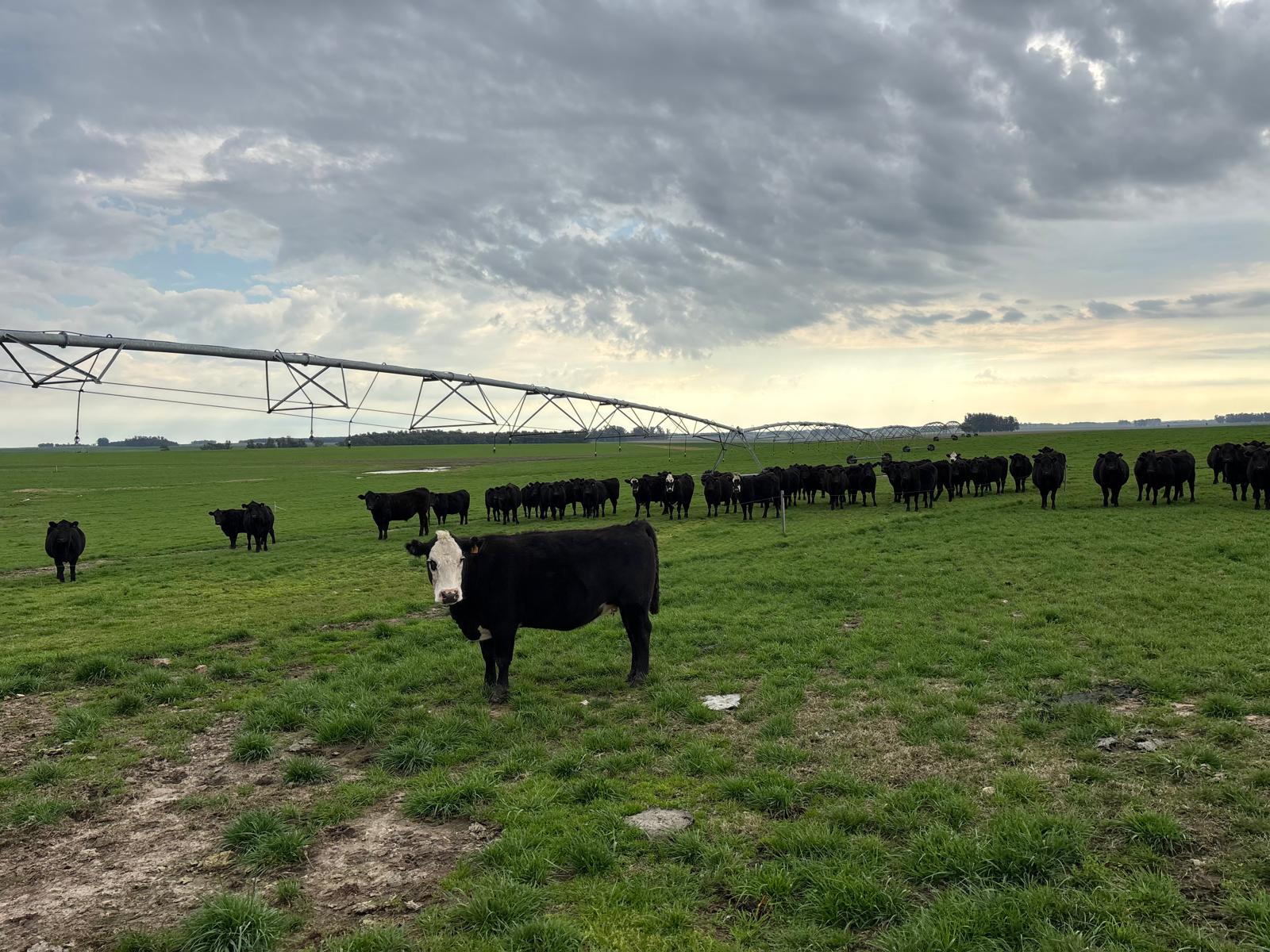
Cattle types changed significantly from tropical Brazil where the Nelore dominated herds gave way to Bos Taurus based herds in Uruguay and Argentina, ranging from black and red Angus to Hereford.
Production systems also retained many traditional characteristics.
Artificial insemination was commonly used in heifers, while producers tended to favour smaller-framed cattle capable of joining at relatively young ages and lighter weights.
“Their cattle are small boned cattle, joined very young and very light, and it is all about a calf, they really strive to get that calf.”
In Buenos Aires, the group visited the major new livestock selling centre, where about 12,000 cattle were offered on the day, with similar volumes sold several times a week.
Improving standards around cattle traceability were also visible throughout.
“Every animal had a traceability tag in it,” he said.
Mr Pankhurst said South America was well worth seeing first-hand for other Australian cattle producers.
“I just love going there,” he said. “Eat some beef, drink some good red wine, look at cows and meet good people. They made us feel very welcome.”
More pics below – See also Ross Ainworth’s 2024 article: Amazing Uruguay
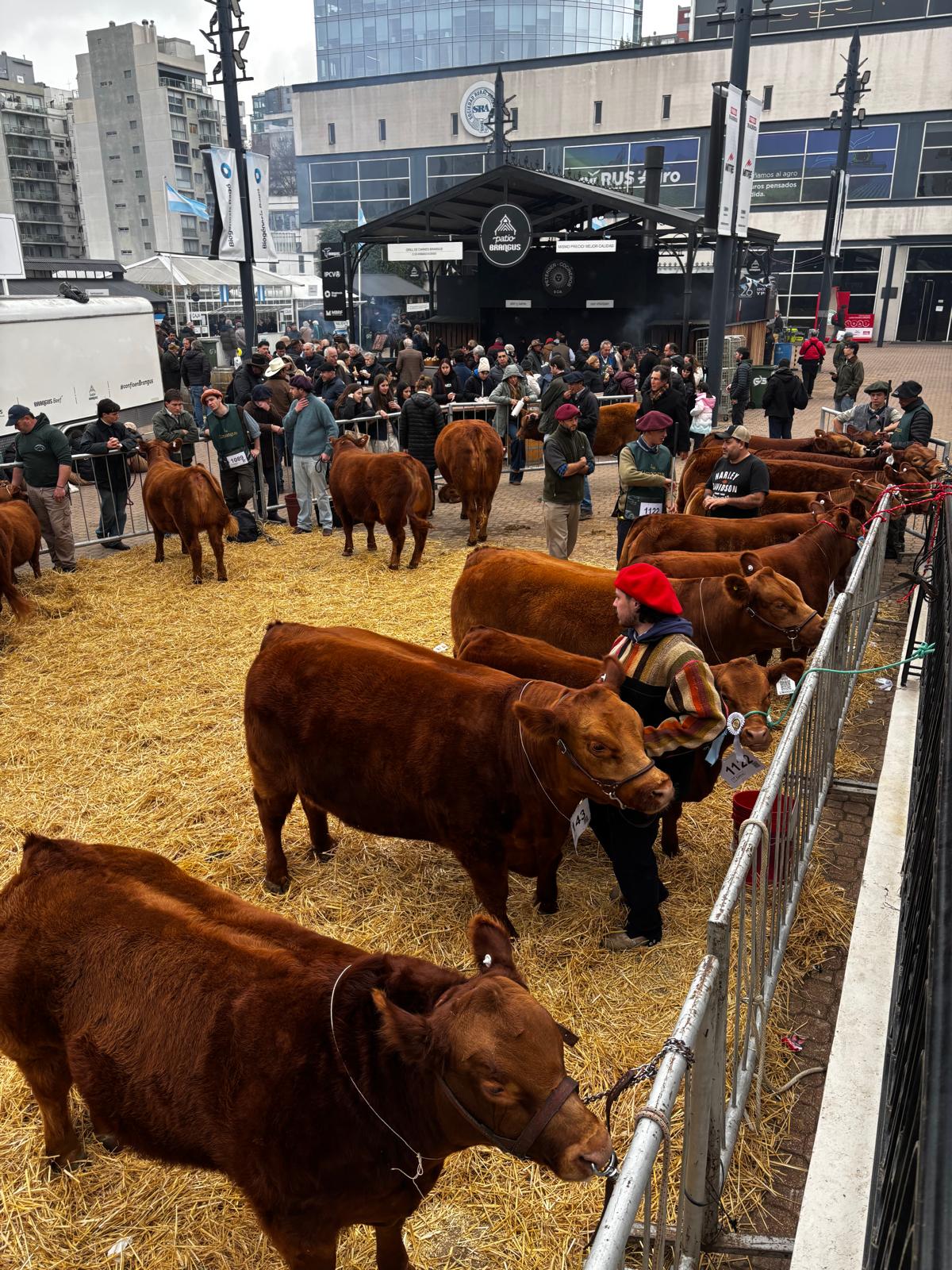
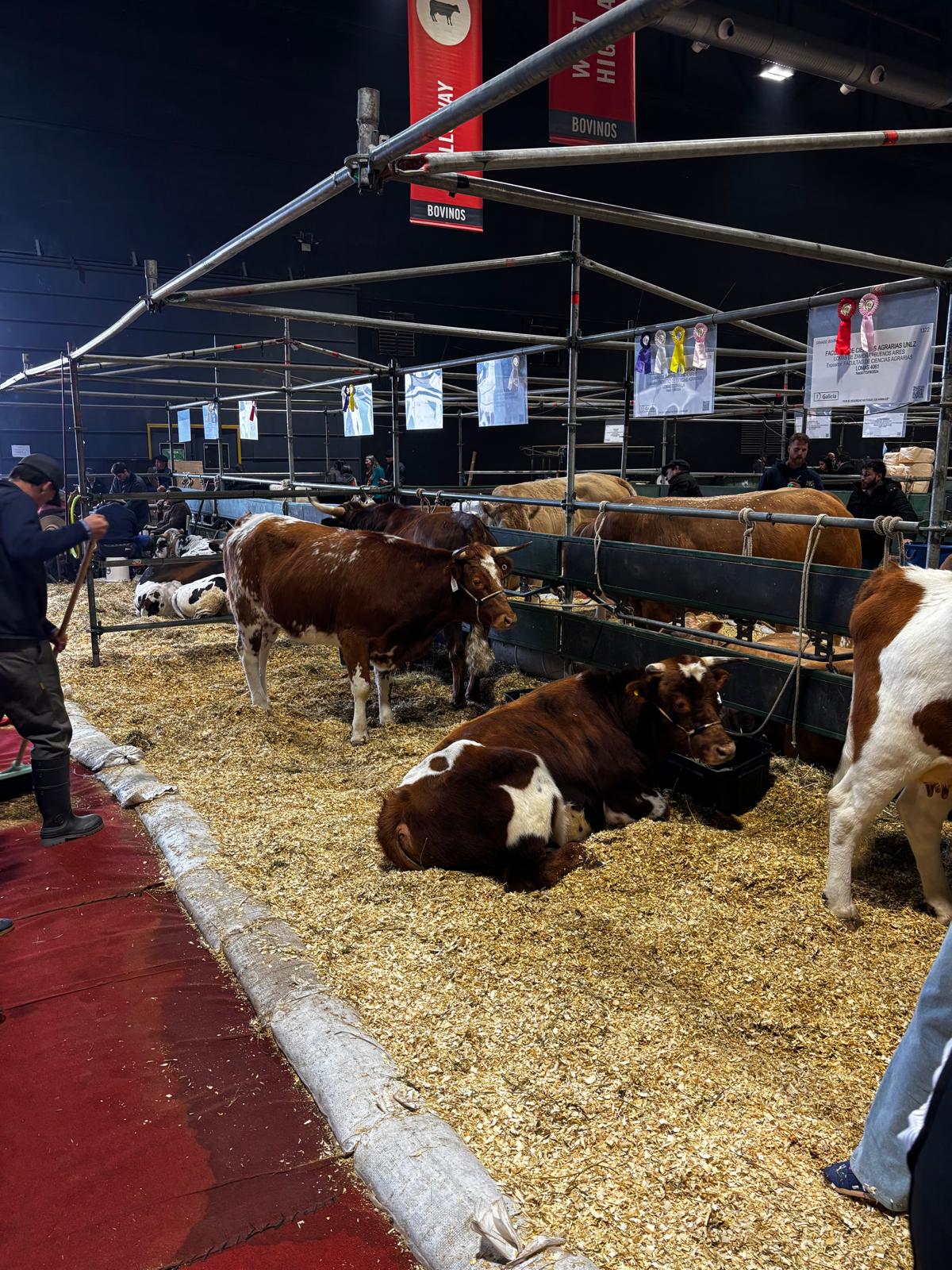
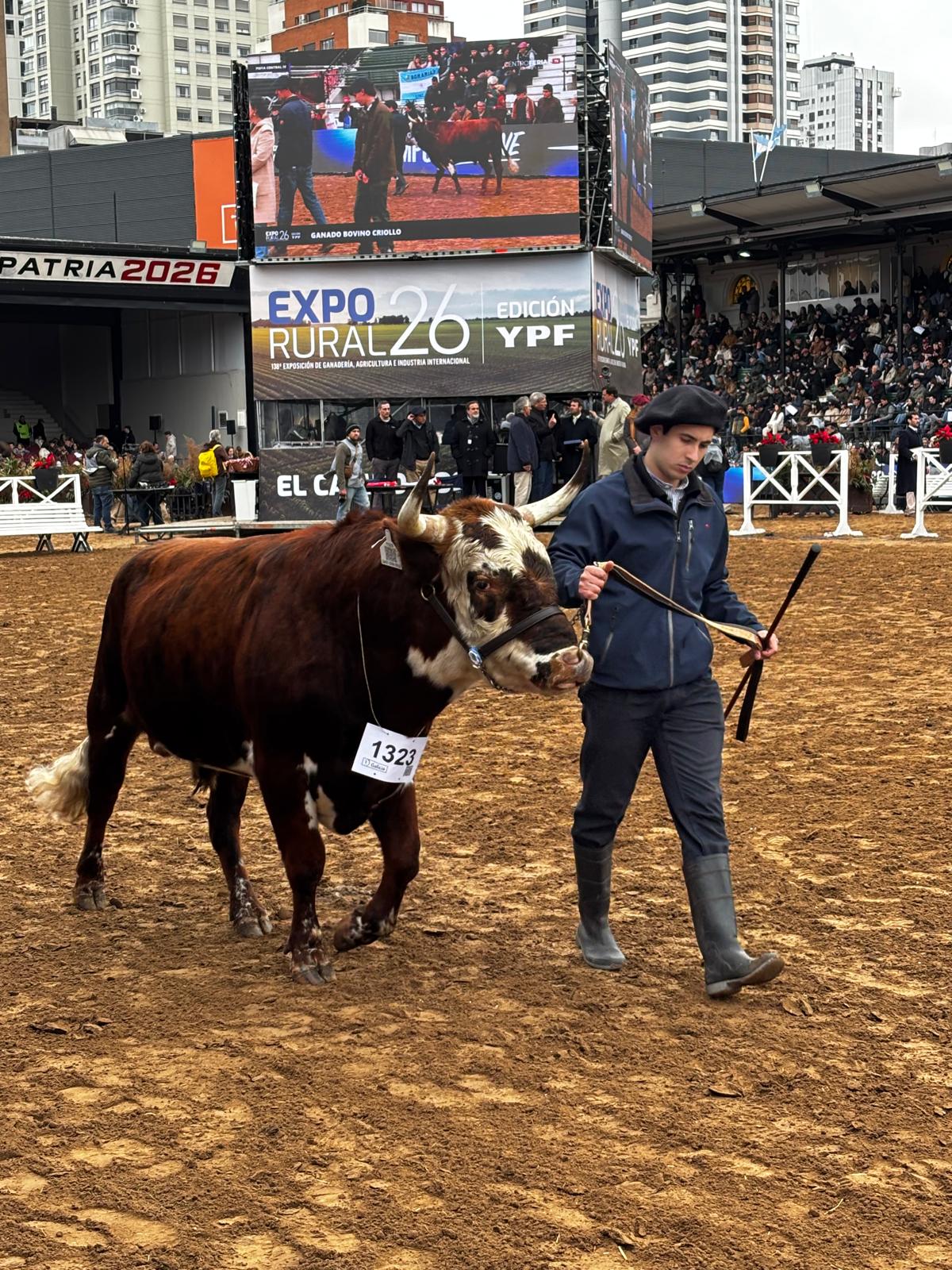
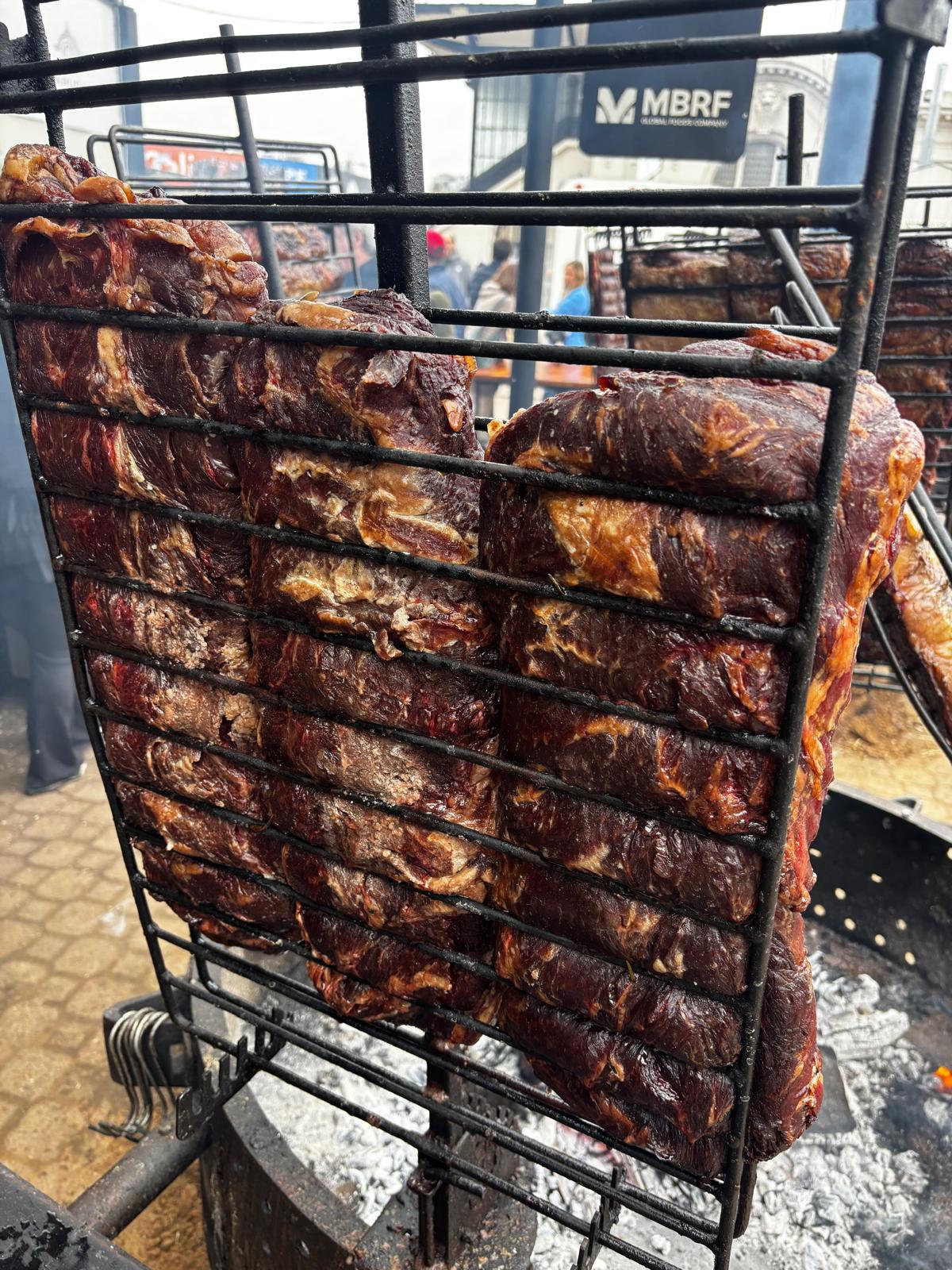
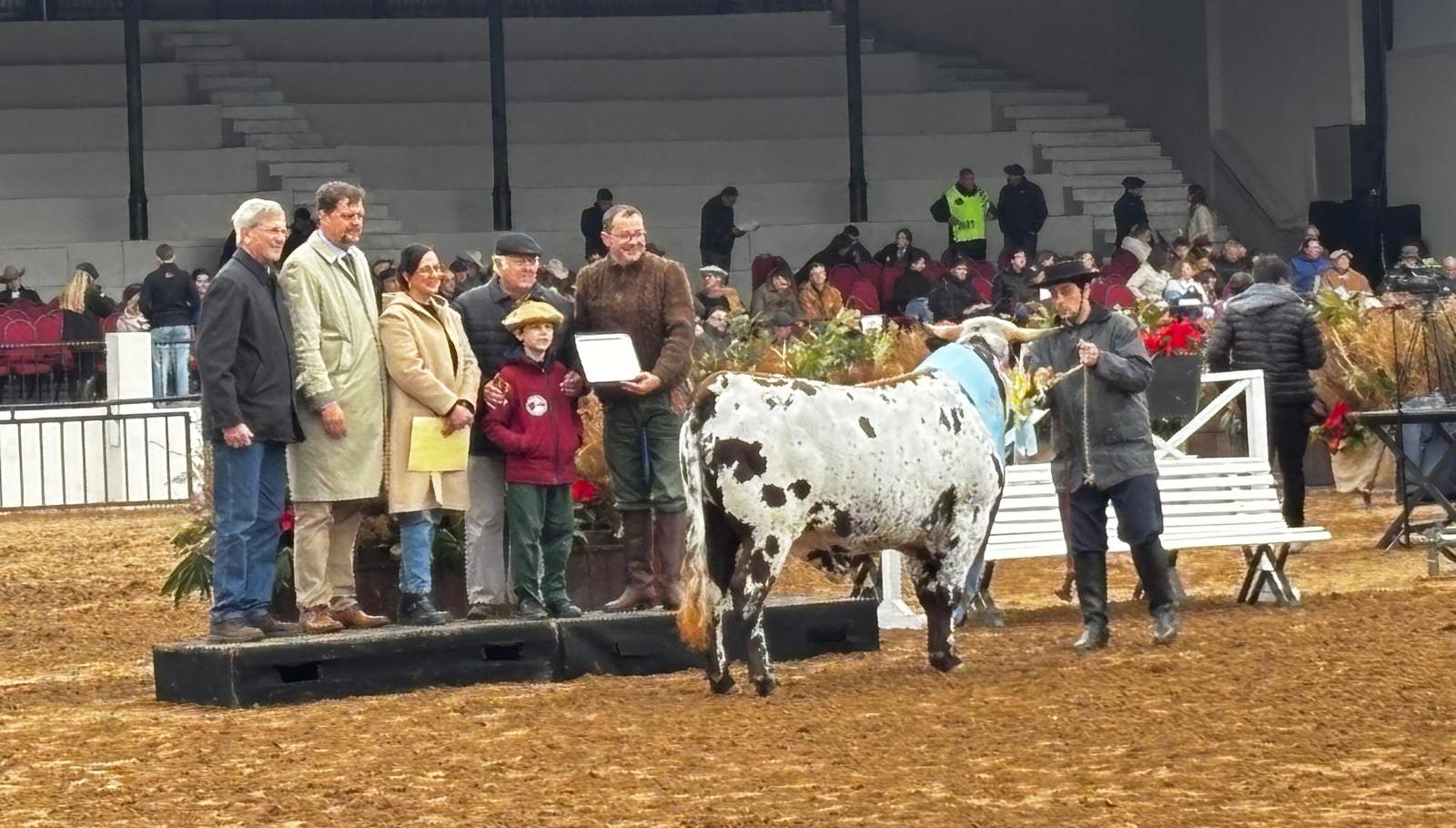
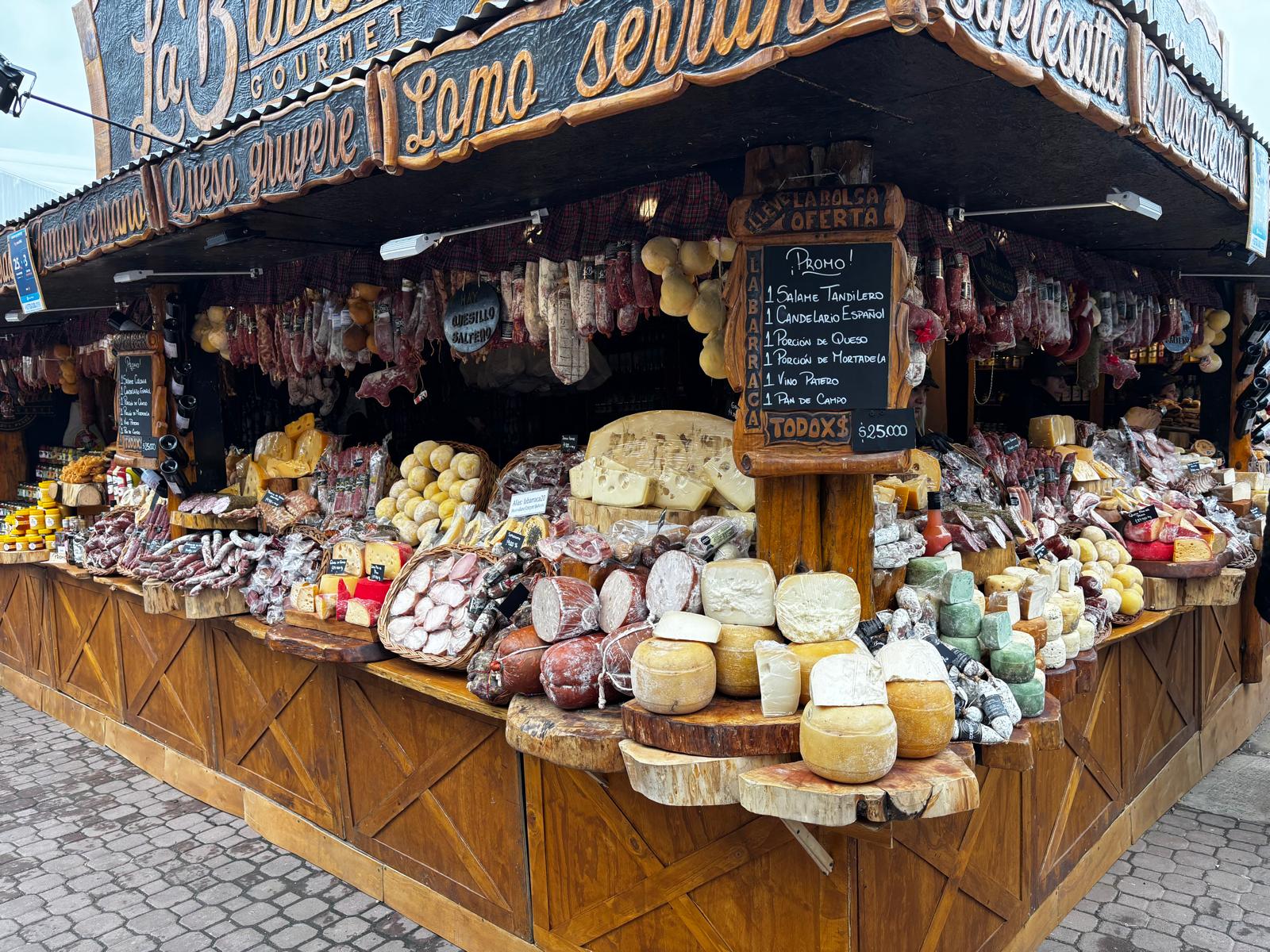
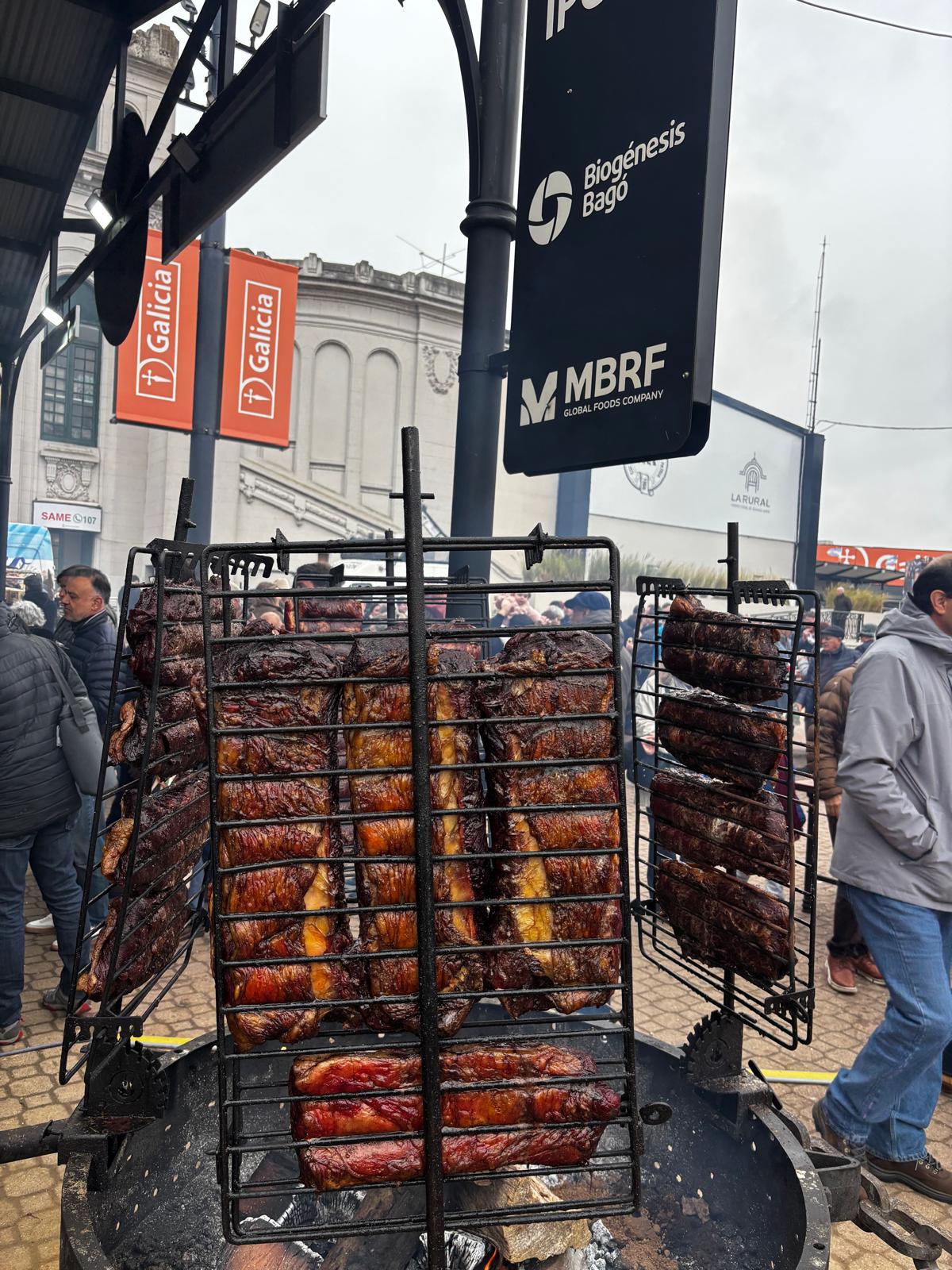
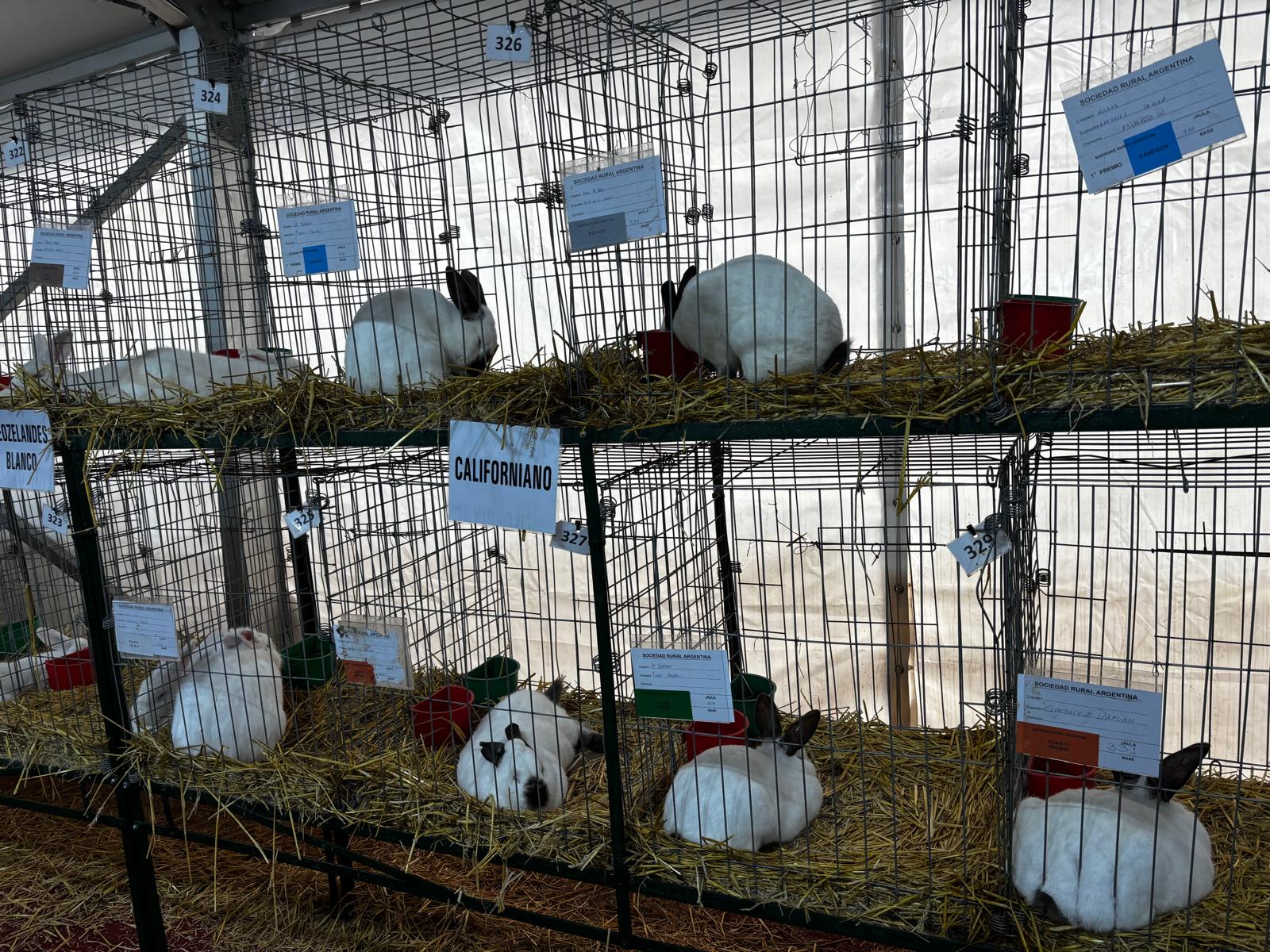
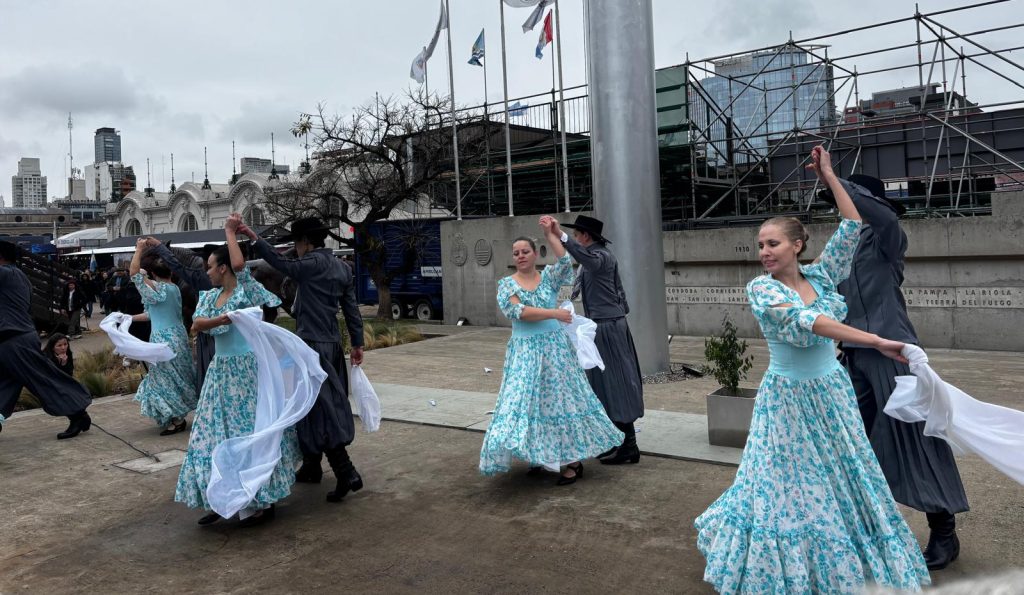
Pictures from “La Rural Expo” in Buenos Aires, Argentina.
Brazil
Brazil
Brazil
Brazil
Argentina and Urugay
reading from Brazil 🇧🇷
I’ve said for years that if south America in particular Brazil ever get their act together in herd health, processing and marketing we in Australia will have a major competitor on our hands.
I think now we should also not disregard South Africa.
We’ve had a fairly easy run to date with the Middle East and Indonesia but I’m thinking now we’ve got to get more serious with our marketing and relationships with our customers on what and how they want our products presented.
John Armstrong
What a great trip, by the looks. Well done to all the organisers. Good to see some thinking outside the square for our beef producers future. My invite must of been lost in the mail.
looking interesting. South Africa can benefit with such interaction. South Africa needs to grow its livestock. and compete internationally.