
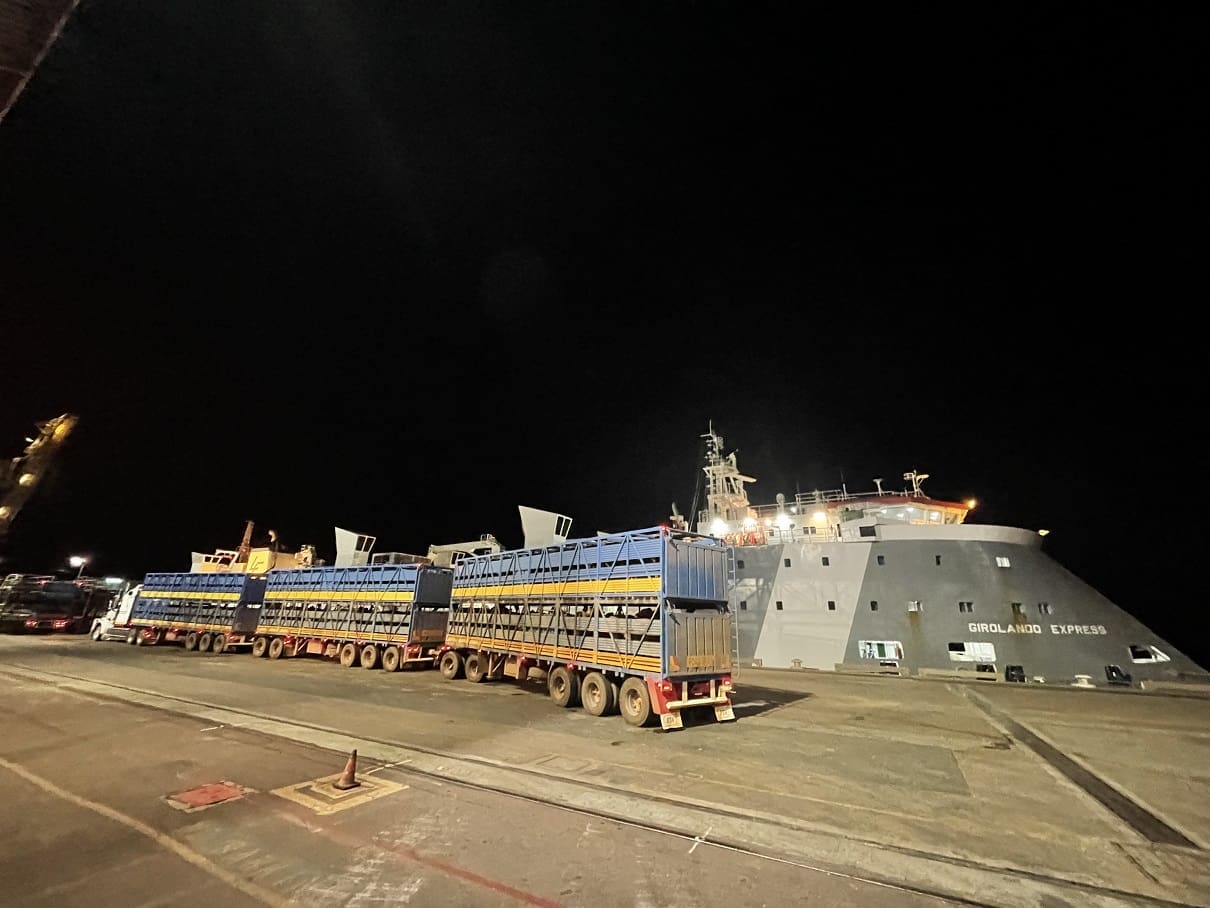
Several years after the Federal Department of Agriculture, Fisheries and Forestry ceased night-time biosecurity inspections for returning vessels – a move that industry has estimated has cost live cattle exporters up to $26,000 per shipment – an independent report prepared for the Department has found no definitive scientific evidence supporting the daylight-only inspection policy.
 A review conducted by independent consultancy AusVet for the Federal Department, seen by Beef Central, has found there is “no definitive evidence” that livestock vessel inspections conducted at night pose a greater risk of disease or invertebrate incursions than those undertaken during daylight hours.
Instead, it concluded that a vessel’s biosecurity risk profile is “more closely linked to its design, the experience of the crew and the origin than the time of day it is inspected”.
Beef Central understands the review followed an industry request to DAFF to reassess the policy after departmental biosecurity staff maintained the decision to cease night-time inspections in northern cattle ports was based “on scientific risk”.
Among the report’s main recommendations is a proposal for “a well-designed trial” over at least 12 months to collect comparative data between daytime and night-time inspections.
Beef Central obtained a copy of the report after it was circulated to industry members in an email from the Australian Livestock Exporters Council (ALEC) late last week and forwarded by a recipient who requested anonymity.
Daytime-only inspections first introduced in 2017
The report notes the spread of lumpy skin disease and foot-and-mouth disease in export markets including Indonesia has heightened the importance of livestock vessel cleaning and inspection protocols.
 The Department first introduced its policy prohibiting night-time vessel inspections in 2017. The restriction has since been extended to northern cattle ports, including Darwin.
According to the report, the livestock industry sought an independent review to assess both the scientific basis and operational feasibility of the policy.
Industry concerns included the operational complexity of vessel loading and compliance with animal welfare requirements, it said.
“Loading cattle onto vessels is logistically complex, and there are strict welfare standards which must be adhered to.
“Restricting biosecurity inspections to daylight hours can impede the operational efficiency and economic viability of livestock carrier vessels.”
Tidal ports limit operational windows
The policy has created particular challenges in highly tidal ports such as Darwin, where ships can only be accessed during narrow tidal windows.
Exporters say the restriction can result in delays of days at a time, increased demurrage costs and port congestion issues.
A Senate Estimates hearing last year was told daylight-only inspections at northern Australian ports had cost live cattle exporters up to $26,000 per shipment in additional costs and lost revenue.
Then-DAFF secretary Adam Fennessy told senators the policy was linked to workplace safety requirements under enterprise agreements.
Another DAFF official, Tim Simpson, said he understood the issue “was more about the ability for light to be there to undertake vessel inspections”.
“They want sufficient light so they can (see) the potential biosecurity risks and hazards at those locations,” he said during last year’s estimates hearing.
Review involved vessel inspections at high-frequency ports
The review included both daytime and night-time inspections at high-frequency livestock ports including Darwin and Fremantle.
It aimed to evaluate “the potential mitigation measures that could be implemented to support the reintroduction of night-time inspections”.
“The risks associated with fatigue and operator error are important for the conduct of effective inspections and have been considered,” the report stated.
“The review identified that the biosecurity risk profile of a vessel is more closely linked to its design, the experience of the crew and the origin than the time of day it is inspected.”
Light conditions
The report observed that visibility on enclosed livestock decks is effectively unchanged between day and night because artificial lighting is required at all times.
Open livestock decks and other exposed areas may present some additional challenges for night inspections, it said, because of increased lighting requirements and the potential for shadows.
“However the glare that can be present during daytime inspections also impacts the ability for inspectors to effectively detect BRM.”
Four recommendations
The review made four key recommendations:
Capture data to develop a biosecurity risk profile for individual vessels;
Implement a standardised demerit system for vessels failing to meet biosecurity standards;
Ensure suitable illumination is available throughout inspections and manage inspector fatigue;
Conduct a trial of at least 12 months comparing day and night inspections.
“Based on the current findings, there is limited scientific evidence to support the exclusion of night-time inspections on livestock carrier vessels,” the report said.
“But the consequences of an unintended release of a pathogen or pest could be extremely high.
“As a result we have recommended a trial that will provide adequate information to be a strict decision support criteria to determine which vessels may be eligible for night-time inspection to mitigate any potential risks for BRM.”
ALEC CEO raises concerns about Department willingness to reinstate night-time inspections
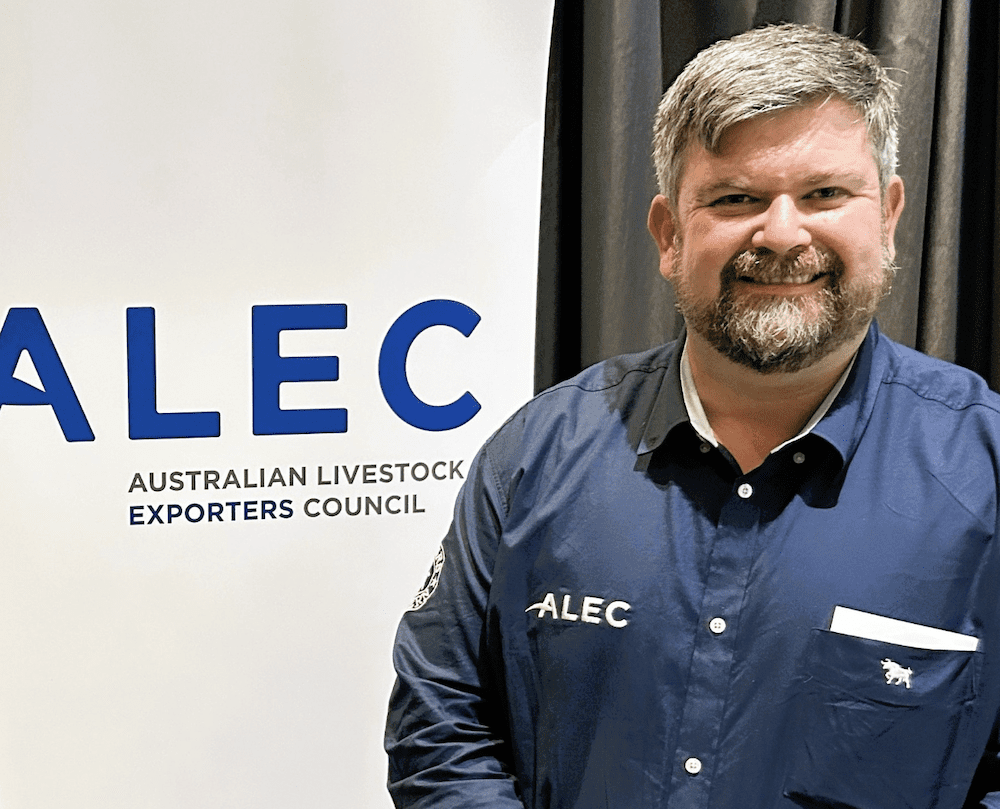 In an email which distributed the report last week, CEO Mark Harvey-Sutton wrote to members that he was concerned DAFF Biosecurity may “continue to look for reasons not to reinstate night time inspections” despite the findings of the report, and that it may seek to portray requests for the return of night-time inspections as the industry “seeking (to) place Australia’s biosecurity at risk for commercial benefit”.
“This is despite industry, including producer groups, emphasising to DAFF that Biosecurity is our number one priority and rejecting any suggestion that would seek to lessen Australia’s biosecurity systems,” he wrote.
“At the core of this is issue is a workforce challenge for DAFF regarding staff willingness to undertake night time inspections, and rather than being transparent about this, DAFF Biosecurity has sought to retrofit arguments to divert from this.
“With the release of this report, it is clear that DAFF could resume night time inspections immediately and this is what we will continue to push for.”
Inspectors need to get in and do their job day or night and stop costing the company ( and ultimately growers) $ 26000 extra per shipment. Everybody else is as efficient as possible so why shouldn’t they? They should be working as a team for the well being and future of the whole industry