
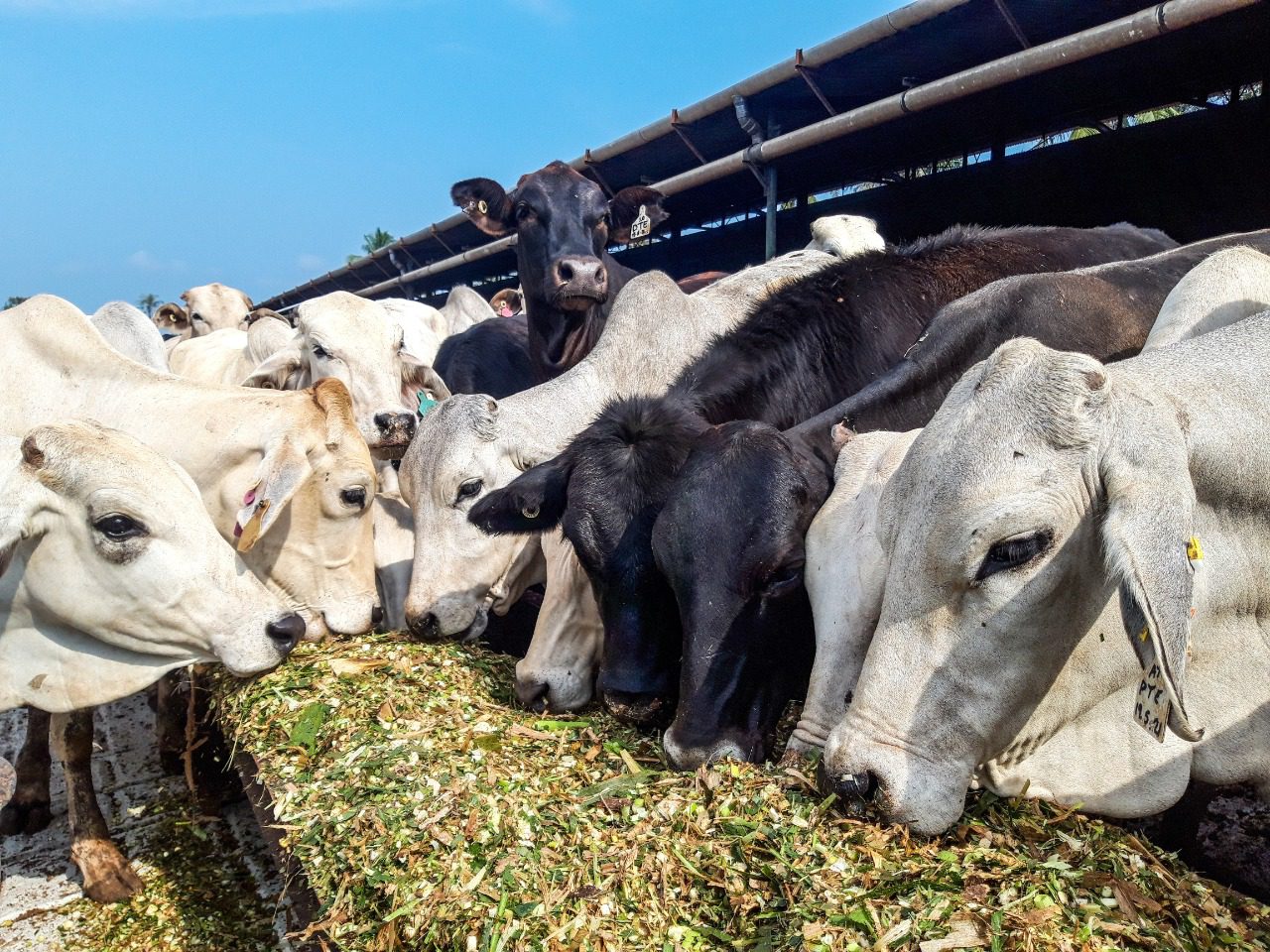
Australian cattle on feed in Indonesia. Picture courtesy CPC.
AUSTRALIAN cattle exports for the first six months of 2026 were almost 30 percent lower than the same period last year, reflecting mounting economic pressures in Australia’s largest live export market.
Australia exported 265,659 cattle in the first half of the year, down 29 percent from 375,466 head during the corresponding period in 2025.
Part of the decline was attributable to an early Ramadan and Lebaran period in 2026, the date of which each year is determined by the Islamic lunar calendar.
The February/March timing this year meant many cattle required for the festival period were shipped in the closing months of 2025 rather than the first quarter of 2026.
Rising costs squeeze Indonesian buying power
However, the lower export volumes also reflect a series of headwinds that have weighed on the trade throughout the first half of the year.
These include significantly higher Australian cattle prices, continued Government-imposed limits on the price at which Indonesian feedlots can sell finished cattle for, increased feed and fuel costs and the reduced purchasing power of Indonesian importers caused by the weaker rupiah.
Darwin feeder steers are currently trading at around 430c/kg liveweight, compared with about 345c/kg at the same time last year.
Indonesian feedlots purchase imported cattle in US dollars, meaning the weaker rupiah has substantially increased the local currency cost of Australian cattle. Factors behind the weaker Indonesian currency are reported to include declining investor confidence and higher capital outflows from Indonesia.
Trade sources have told Beef Central that the demand environment is making it harder for the market to absorb cattle that were imported back in April and are now coming out of feedlots as market-ready stock, with discounting now occurring and some customers reportedly seeking extended payment terms amid slow sales and weak cash flow.
May and June export volumes down 25pc and 19pc
Australia exported 51,577 cattle in May and 45,492 in June, around 25 percent and 19 percent respectively below the rolling five-year average for those months.
For the first six months of 2026, Indonesia imported 204,526 head, accounting for 77 percent of Australia’s total live cattle exports.
Other export destinations during the first half of 2026 included the Philippines (16,314 head), Türkiye (11,599 head) and China (8,007 head).
There have been no cattle exports to Vietnam during the past five months, with the 2,004 head shipped in January representing the only exports to that market so far this year.
Queensland competition lifting northern steer prices
Despite softer Indonesian demand, live export steer prices in northern Australia have kicked in July from 400c /kg to 440c/kg, with a spike in competition from domestic restockers, backgrounders and lotfeeders for cattle in North Queensland a major factor, combined with good grass conditions in the north that have given producers the ability to retain cattle and add weight.
“The supply of cattle in the Northern Territory has been good and strong, but normally we supplement 25-30 percent of Darwin exports with cattle from North West Queensland, but those cattle are being absorbed in the domestic supply chain,” one export industry source told Beef Central this week.
“That has forced concentration for live export on the NT, so there’s been quite a bit of demand for that population of cattle, which has pushed up the price for those feeder steers right now.”
However prices have started to ease over the past week with quotes now closer to 430c, and the challenge now around finding a new price level that can both draw cattle out of paddocks while also stimulating demand from Indonesian feedlots feeling the squeeze from both ends.
While Indonesian feedlots are still placing orders at subdued volumes, the next key test for the market is looming in October, when demand for cattle to go on feed for next year’s Ramadan and Lebaran period, which takes place from early February to early March 2027, is expected to kick-in.

For more on the Indonesian market situation and the impending influence of the forecast El Nino, read Dr Michael Patching’s latest South East Asia Beef Report:
The Islamic calendar only comes back 11 days earlier each year, depending on the moon. You can only allocate so much of the volume change to that factor James (as you have). I think the other factors you’ve mentioned are more likely to have underpinned the reduced volume.