
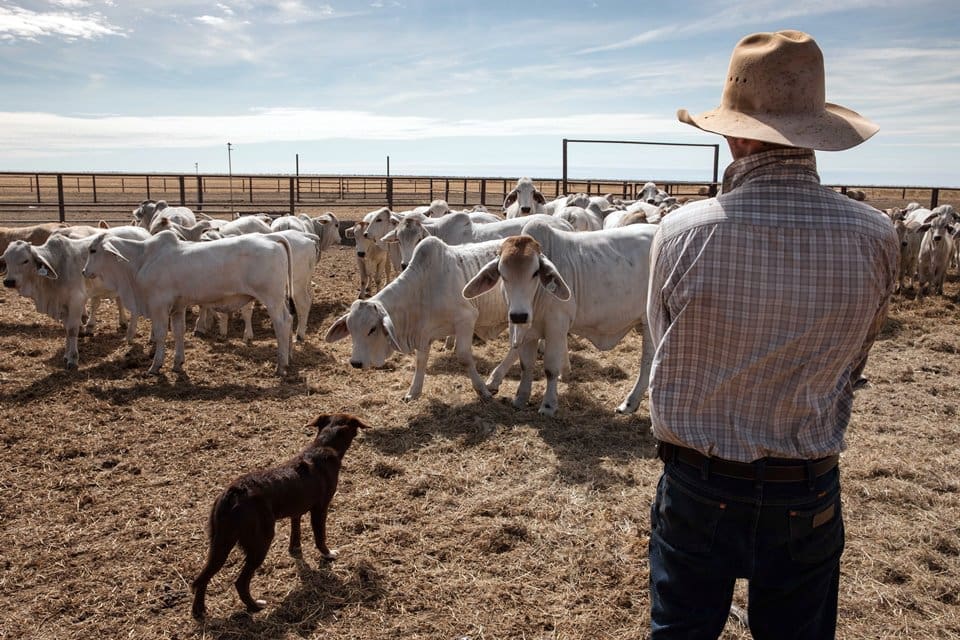
THERE are a number of ways beef producers can choose to evaluate the success of their breeding business and the return on the investment they have made in genetics.
One of the most frequently used is the annual turnoff. Numbers sold, weight per head and price per kilogram are hard numbers and can be used to track progress from year to year.
However, sale results don’t always provide the information needed for a deeper evaluation or a fair comparison.
Turnoff numbers and sale weights can move as a result of seasonal events or management decisions. A single year’s figures won’t necessarily show whether an increase came from higher weaning rates or a decision to retain fewer heifers.
Equally, a smaller turnoff could be the result of a decision to make the most of a good season by keeping more females or holding cattle for longer.

Luis Prada e Silva
While end-of-year figures are useful, producers should look beyond the headline figures and consider what is driving them. This was the subject of a recent paper in Livestock Science, “Long-term drivers of northern Australian beef performance,” by Sampath Priya Dissanayake and Luis Prada e Silva from the University of Queensland, Nurul Hilmiati from the University of Mataram and Dianne Mayberry from CSIRO.
Their work analysed data from 1990 to 2024 for Queensland, the Northern Territory and Western Australia.
Relationships
The key finding was that branding rate and labour had the strongest positive long-term relationships with marketed cattle output, while rainfall and financial structure were linked with how efficiently production inputs were used.
The study measured production as cattle slaughtered plus cattle exported live, so it reflects both how cattle were produced and when producers chose to sell them.
Higher rainfall was linked with better productivity, but also with lower sales over the long term. The authors suggested good seasons encourage producers to hold breeders and rebuild, which reduces sales even though the herd is performing better.
Average versus top line beef businesses
The 2026 Australian Beef Report produced by Bush AgriBusiness puts some numbers around the gap between average and top-performing northern businesses.
Over the 12 years from 2013–14 to 2024–25, natural increase averaged 61.8pc across the industry, compared with 64.5pc for the top 25pc. Mortality was lower among the top performers at 2.2pc compared with 2.7pc, and they sold heavier cattle, averaging 442kg compared with 417kg.
Together, these gave the top 25pc beef production of 104.1kg per adult equivalent, compared with 94.3kg for the industry average.
Where genetics can play a role
That is around 10pc more beef produced for the cattle carried. Lower cost of production accounts for much of the difference in profit between the two groups, but the production gap is where genetics can play a direct role.
Of the factors Dissanayake and colleagues identified, rainfall, labour and financial structure sit outside the breeding program. However, branding rate, along with the survival and sale weights shown in the Bush Agribusiness figures, can be impacted by genetic selection. This offers an opportunity through improved selection decisions to help move a herd towards the results achieved by the top 25pc.
Branding rate is the end result of several steps. A cow has to conceive, carry the calf to term, calve and rear it to branding, and a loss at any step lowers the final figure.
Some of those losses are genetic, but many are not. Predation, calf deaths in extreme heat and calves missed at mustering all reduce branding numbers without reflecting the cow’s ability.
While calves that were missed aren’t true losses, they still lower the recorded rate and that year’s sales. These are management issues, addressed through wild dog control, paddock and water design and mustering practice rather than breeding.
Maternal ability is influenced by both management and genetics. A calf has a much better chance of survival if its mother calves unassisted, has a sound udder and teats, milks to suit her environment and stays with her calf. Calving ease, udder and teat structure and temperament are all heritable.
Milk needs balance. Too little limits calf growth and survival, but a cow milking beyond what the country can support will struggle to get back in calf. Calving Ease Daughters and Milk EBVs, along with udder and teat scoring when selecting heifers and culling cows, help producers manage this.
Getting a cow to produce a calf every year is a key challenge in any breeding herd. Heifers need to reach puberty and get in calf early in their first joining, and cows need to re-breed while rearing a calf.
In northern herds, re-breeding during lactation is often the biggest hurdle. Body condition and nutrition have a major influence on conception rates, but genetics also contributes to the overall result.
As fertility traits are less heritable than growth traits, progress through genetic selection will be slower. However, genetic gains in fertility are permanent and build each generation. Traits that have published EBVs such as Days to Calving and Scrotal Size now offer producers tools that weren’t available a generation ago.
Longevity
A single year’s pregnancy or weaning rate also doesn’t show what a cow contributes over her life. Cushman and colleagues (2013) found that among 2195 South Dakota heifers, those calving in the first 21 days of their first calving season stayed in the herd for an average of 5.1 years, compared with 3.9 years for later calvers. A separate dataset of 16,549 heifers at the US Meat Animal Research Centre showed the same trend.
That doesn’t prove early calving on its own made those heifers last longer, or that the difference was all genetic. It does show why calving dates and later reproductive records are worth keeping alongside annual pregnancy and weaning rates. Fewer young females falling out of the herd also means fewer replacements needed and more room to be selective among the heifers on hand.
Mortality beyond branding is mostly driven by nutrition, season and management, with genetics playing a smaller role. Even so, adaptation to heat and parasites and temperament all have a genetic component. Selecting cattle suited to the environment helps them hold condition and survive through tough periods.
Growth traits are more heritable than fertility traits and respond faster to selection.
Growth EBVs give producers a reliable way to lift sale weights. The caution is that selecting hard for growth can also increase mature cow size and the feed she needs to maintain herself, which can work against fertility and stocking rate.
Producers can reduce the risk of increasing cow size by choosing bulls with higher growth EBVs and a moderate Mature Cow Weight EBV, or by using a selection index that already accounts for the cost of carrying bigger cows.
Which inherited traits could help improve performance?
It is important to note that neither the Bush AgriBusiness Australian Beef Report 2026 nor the Livestock Science paper states that the differences between businesses come down to genetics.
Management, environment, enterprise structure and scale are significant factors in a producer’s annual results. However, producers should start to look at their results and consider which inherited traits could help their business improve its performance.
To address that question, producers need both performance records and genetic information.
Pregnancy results, calving dates, deaths, weights and heifer retention are records of what happened.
Any records of nutrition, joining periods and management groups will better answer why those results occurred. Keeping a clear track of the EBVs and selection indexes for the bull team can help in understanding the inherited differences that raw performance can’t reliably separate.
This data is very useful for a producer trying to work out if heavier weaners were the result of good growth genetics, or if age or seasonal conditions may have been the key drivers.
It is important to remember that one good season doesn’t make a genetic trend, and one year’s sales figures can’t show one either.
For producers reviewing this year’s results, the first step is to compare sales against purchases and changes in cattle on hand. Then look at weaning rates, deaths, sale weights and production per adult equivalent over several years.
In doing this, producers can reshape their breeding objectives and focus the future bull purchases more closely on key areas for herd improvement.
- In next week’s final genetics column for the year, genetics editor Al Rayner provides his comprehensive analysis of the 2026 bull selling season – the highlights and lowlights, wins and losses.
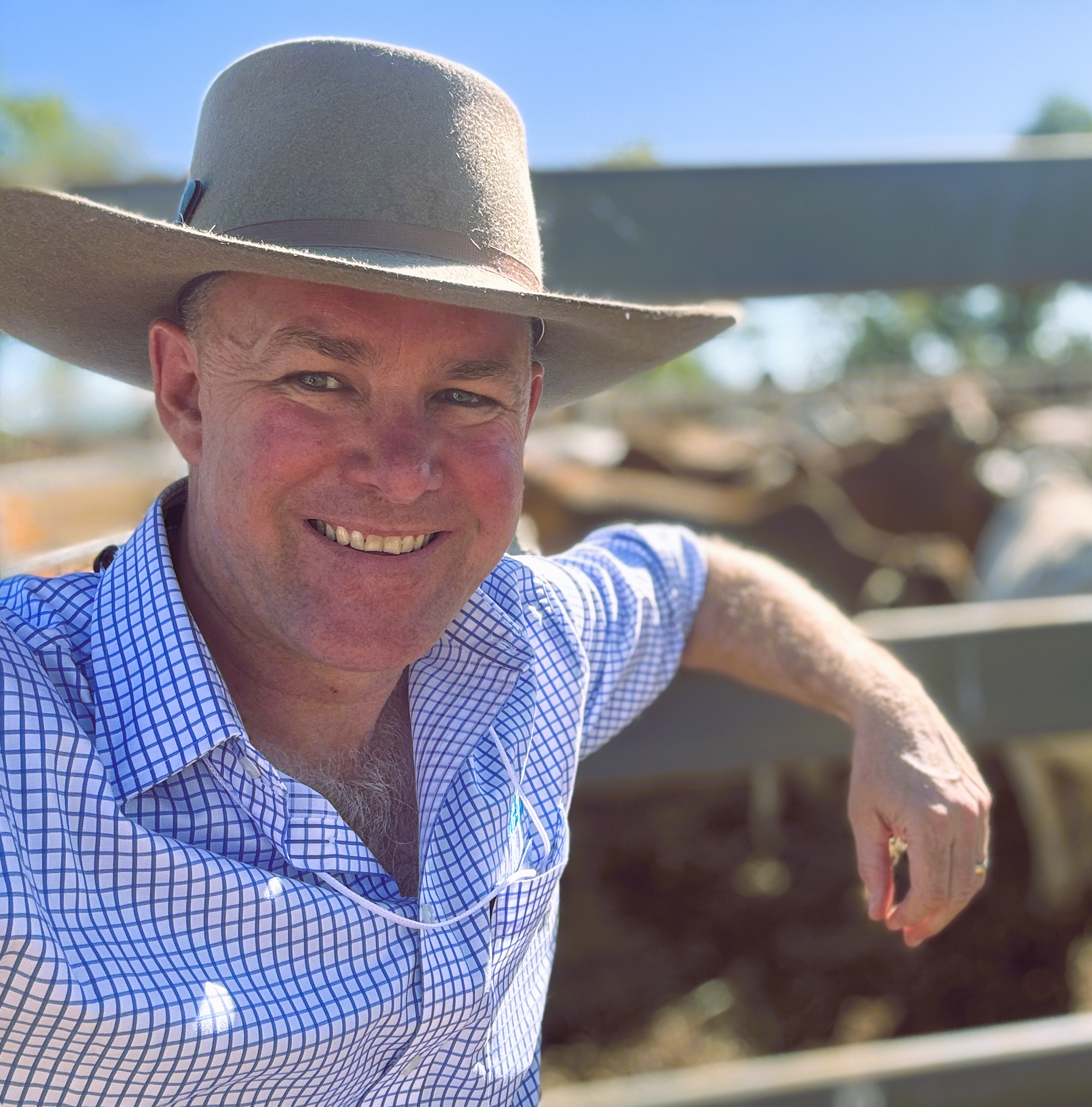 Alastair Rayner is the Strategic Account Manager for Southern Australia with Vytelle and Principal of RaynerAg. He has over 30 years’ experience advising beef producers and graziers across Australia. Alastair can be contacted here or through his website: www.raynerag.com.au
HAVE YOUR SAY