
DEBATE has emerged this week over the future of one of Australia’s longest standing climate policies, with One Nation and the Coalition planning to scrap a key part of carbon market if either of them come into Government at the next election.
Both parties are saying they will ditch the “safeguard mechanism”, which puts an emissions limit on big emitting companies like mines and makes them purchase carbon credits if they exceed that limit.
As Beef Central pointed out earlier this week, the Coalition’s move is particularly concerning for the carbon market – which has been struggling to find friends across the political spectrum.
The article drew plenty of discussion from people landing on different side of the debate. Beef Central has also received some more comments from people involved in the story.
Australia should not be shutting down farming
Leader of The Nationals Matt Canavan said the carbon projects were locking up prime agricultural land.
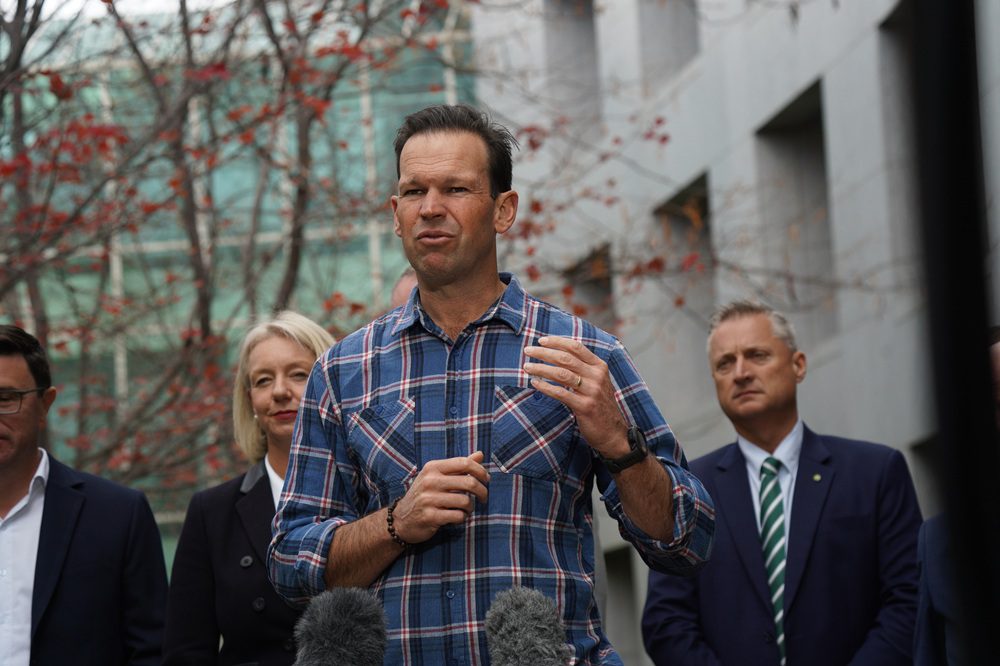
Nationals leader Matt Canavan.
“The Coalition will axe Labor’s hidden carbon taxes, including the safeguard mechanism,” Mr Canavan said.
“By the government’s own numbers, 18 million hectares of more land (they’ve already locked up 7 million) needs to be locked up to get to Labor’s target of net zero. That’s the equivalent of another three Tasmanias that will need to be locked up.
“The actual land Labor will lock up is prime agricultural land that is used for farming.”
Similar to the point made by a One Nation spokesman in the article earlier this week, Mr Canavan said he would prefer the focus to be on agricultural production.
“Labor is recklessly trying to achieve the impossible, rather than doing what’s sensible,” he said.
“Australia should not be shutting down farming, we should be growing farming. As leader of The Nationals, I do not want to see more carbon credits, I want to see more farms and more dams.”
Carbon part of a productive grazing operation
Brendan Foran is the convenor of a group called GANE (Growing Australia’s Nature Economy), which was set up to promote the benefits of carbon projects on farms. He said agricultural production and carbon projects are not mutually exclusive.
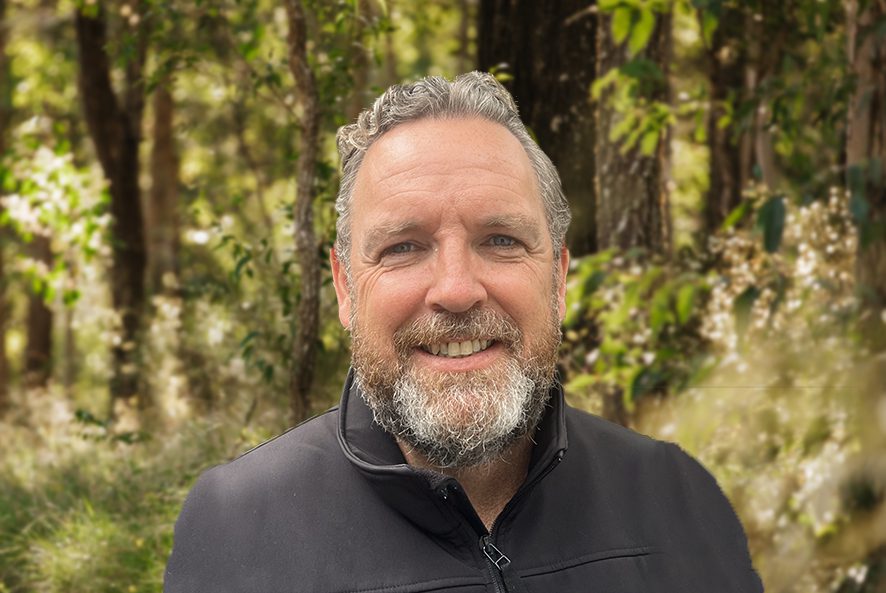
GANE convenor Brendan Foran. Photo: GreenCollar
“Every grazier knows their best paddocks do more than one job. Carbon is the same. You run your cattle and you build soil carbon on the same country, and both pay you,” Mr Foran said.
“The idea that you have to pick one is a myth, and it’s a myth that’s costing farmers money.
“A well-run carbon project is part of a productive grazing operation, it doesn’t replace it. Done properly it lifts soil health, holds more moisture and adds a second income line in the years the cattle market does it tough.”
Mr Foran said GANE was focused on letting producers stack carbon income with income from livestock.
“Nobody is asking farmers to walk off their land. Producers decide what goes on their property, full stop,” he said.
“The people telling graziers it’s food or carbon are taking money out of their pockets.”