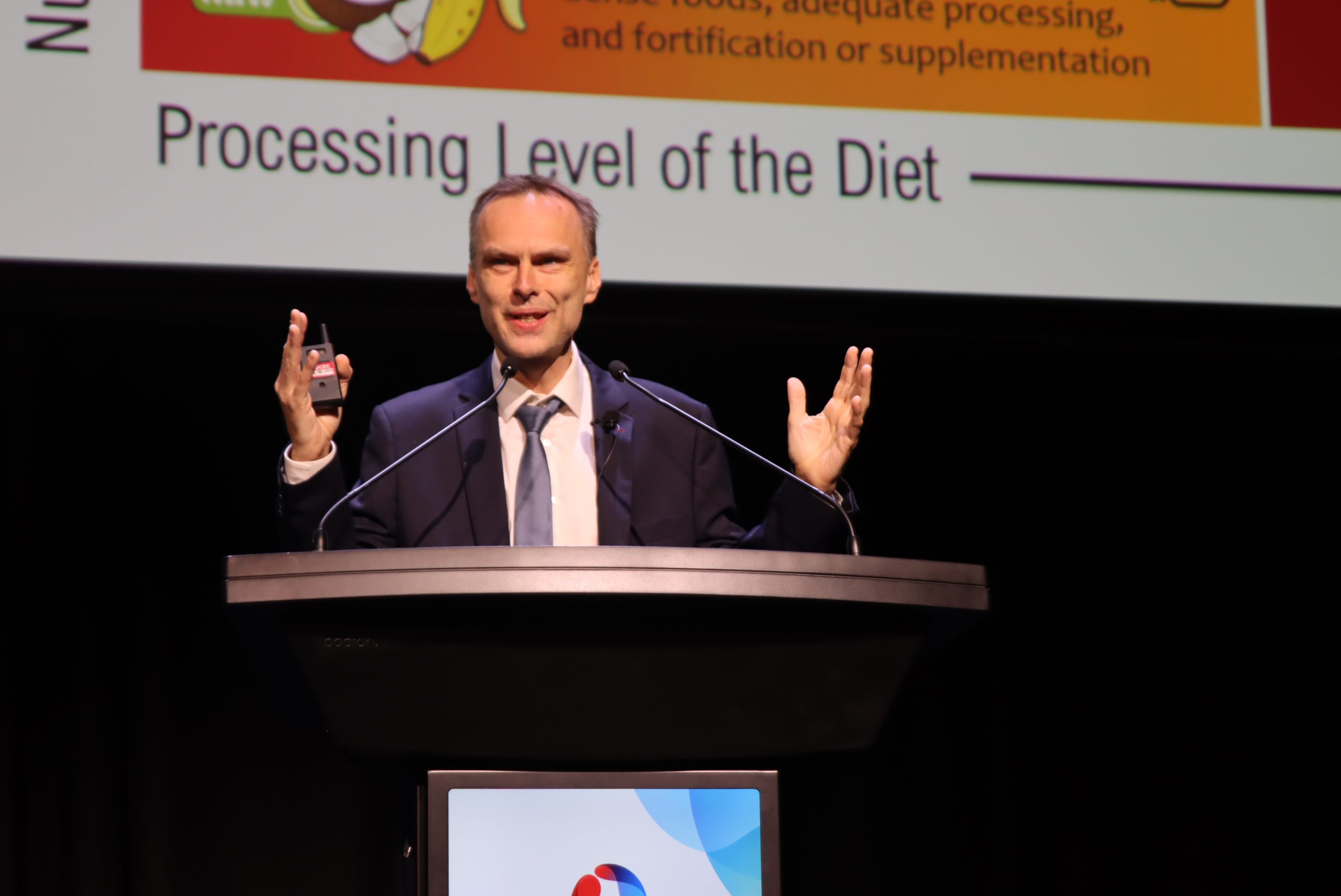
Opening the first session of this morning’s third international Societal Role of Meat Conference in Geelong was Frédéric Leroy, a Belgian bioengineer and food‐science professor whose work spans food processing, microbial fermentation and the role of animal‐source foods.
DOES the world actually need meat? It is a provocative question but one that has become increasingly debated in recent years as interest groups decry the livestock industry’s impact on human and environmental health.
Several years ago a group of scientists around the world – some directly connected to livestock production, others not – began to ask the question: What does the science actually say?
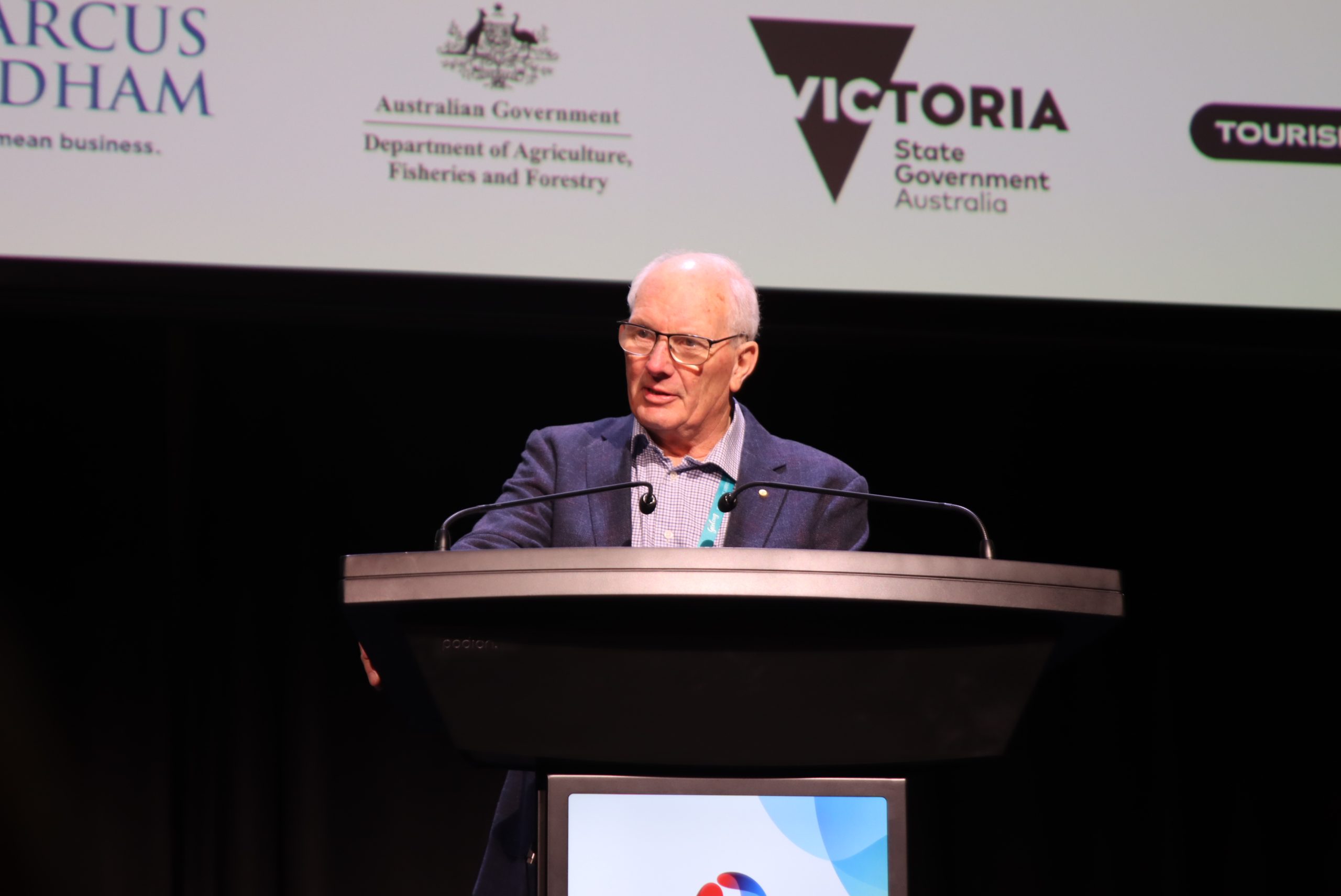
Dr Rod Polkinghorne
The more they dived into the scientific record, the more the evidence supported the role of livestock in healthy landscapes and the role of meat in healthy diets, Australian meat scientist Dr Rod Polkinghorne, who was part of the original group that led to the Dublin Declaration, explained at the time.
To keep the scientific conversation and focus moving forward, the group launched the first Societal Role of Meat summit in Dublin, Ireland, in October 2022, followed by a similar event in Denver, Colorado in 2024 (both of which events were attended and covered by Beef Central).
Both events helped establish a growing international network of scientists concerned that public debate about livestock is becoming increasingly dominated by oversimplified claims about meat, health and the environment. Research presented at the conferences has also been published in dedicated scientific journal editions.
This week, the next chapter is underway in Australia, with scientists meeting in Geelong today and tomorrow for the third international Societal Role of Meat and Livestock summit, being hosted by Marcus Oldham College.
In welcoming the more than 240 delegates attending the conference from all over the world, Marcus Oldham principal Andrew Baker said the summit provides an opportunity to bring people from different disciplines, countries and backgrounds to examine the evidence around the role of meat and livestock in our society and have a constructive discussion on a subject that there has been a lot of information – and sometimes misinformation – around.
“We all have a responsibility to understand the evidence, challenge the assumptions and be prepared to listen to different perspectives,” he said.
Science was not static, he said, and building confidence in the industry required good science, clear communication and willingness to have an open conversation.
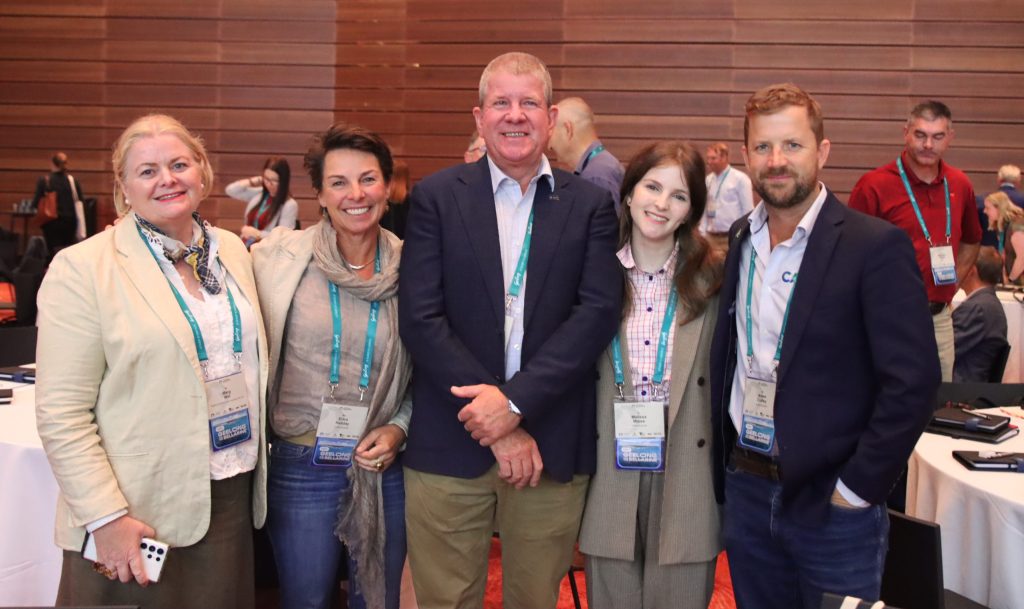
Among the Australian delegates at the conference are Marg Will, Erica Halliday, Ian McCamley, Melissa Wales and Adam Coffey.
This week’s conference brings together international experts in nutrition, animal science, environmental management, economics and food systems, and will examine the latest science on nutrition, environmental sustainability and livestock’s contribution to society, including perspectives from developing countries.
A central message is that livestock systems should be improved through science, rather than diminished or dismantled on the basis of incomplete evidence or simplistic assumptions.
 The scientists involved are particularly concerned that public debate and government policy increasingly focus on livestock’s greenhouse gas emissions and perceived health risks without adequately recognising the nutritional benefits of meat, the ability of grazing animals to convert otherwise inedible vegetation into high-quality food, or the economic and social importance of livestock production.
The group does not argue that livestock production is without environmental or animal welfare challenges.
But it calls for livestock policy to be grounded in rigorous science, recognising both the benefits of animal agriculture and the challenges it must address.
Recent research by scientists associated with the Declaration has warned against ‘carbon tunnel vision’ – an excessive focus on emissions that risks overlooking wider environmental, nutritional and social consequences.
Among topics being discussed is the question of how methane from cattle is measured, the environmental impacts of grazing and whether policies aimed at reducing livestock numbers adequately account for the complexity of agricultural ecosystems.
The role of beef as a nutrient-dense source of protein, iron, zinc and vitamin B12, particularly as changing dietary guidelines attract attention,
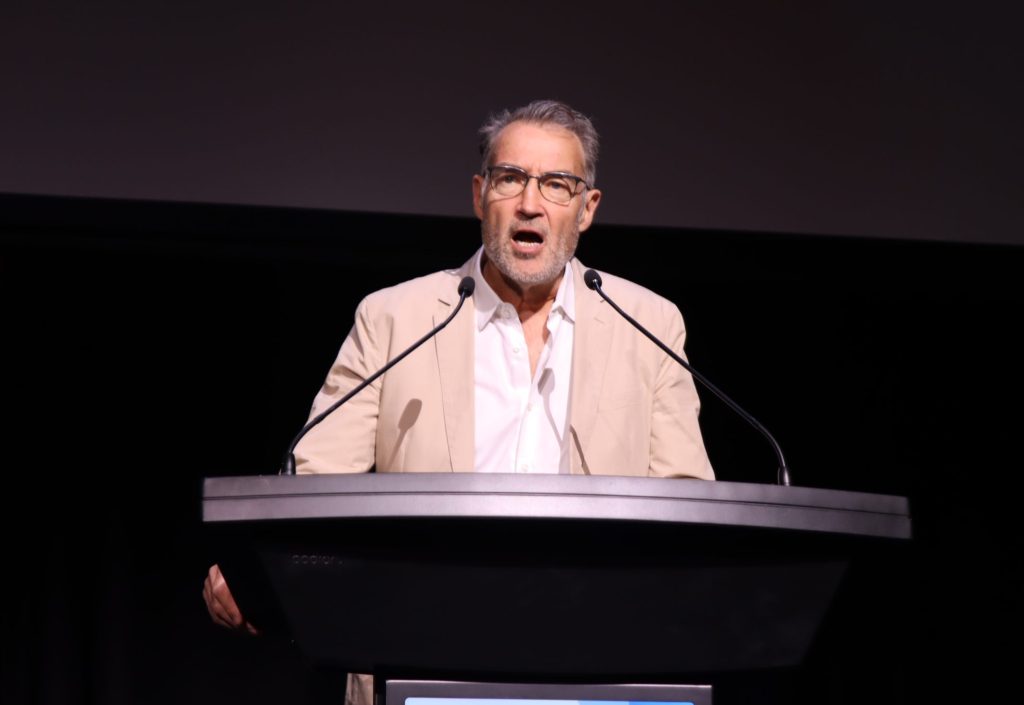
Dr James Muecke
The Dublin Declaration’s stated objective is to ensure the industry’s challenges and benefits are assessed using sound evidence, while supporting continued improvements in production systems.
In the keynote opening address this morning, Adelaide ophthalmologist and 2020 Australian of the Year Dr James Muecke delivered an extensive and systematic analysis depicting how inherent flaws and ideological biases in nutritional research have led to poorly considered dietary guidelines, including narratives linking red meat to chronic diseases, and have contributed to low quality diets and poor human health outcomes.
- Beef Central’s James Nason and Eric Barker are attending this week’s Geelong summit. Reports and podcasts in coming days will cover presentations from the numerous experts who will address the two-day conference.
HAVE YOUR SAY