
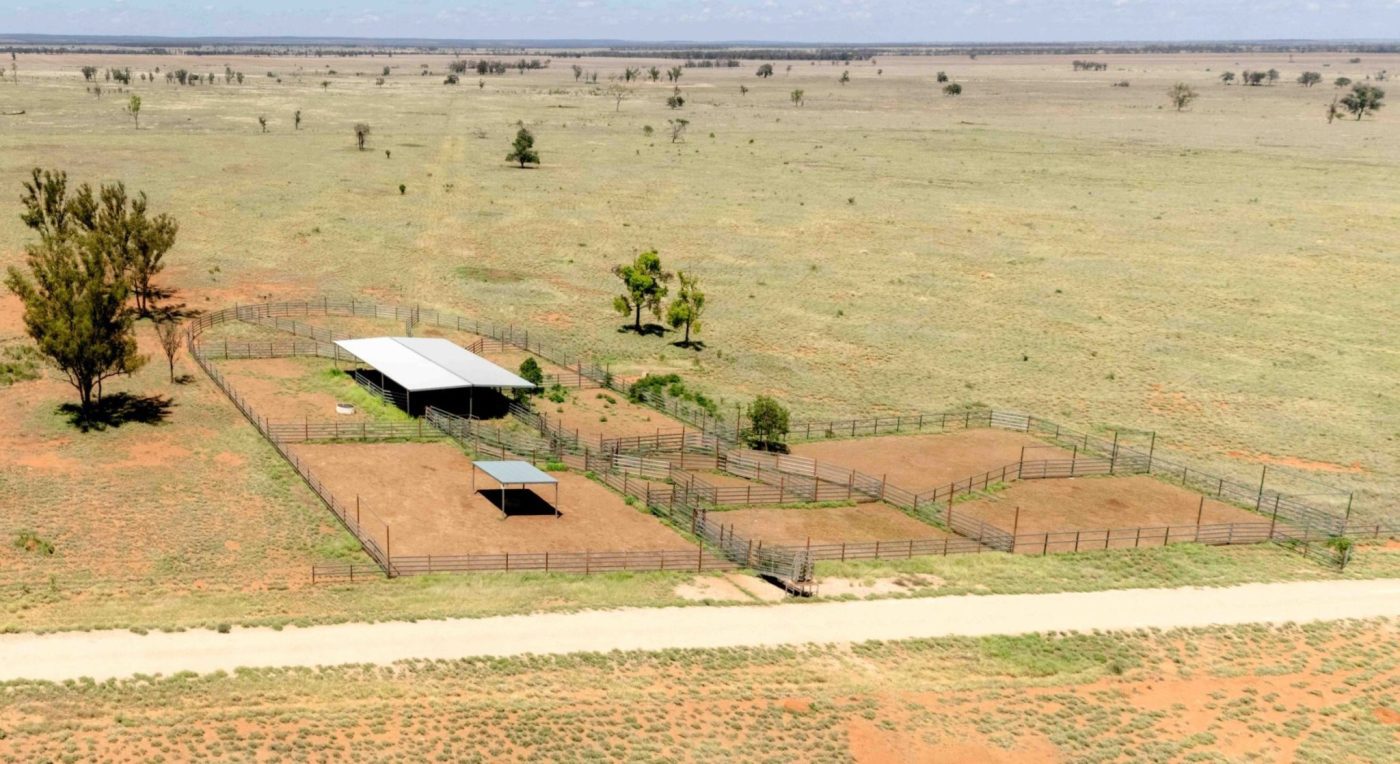
THE Northern Australian grazing and livestock sector is navigating a complex period of transition as the industry head into the second half of 2026.
A distinct multi-speed environment has emerged across the rural landscape, valuer Herron Todd White’s monthly property summary suggests.
Driven by varying regional seasonal conditions, shifting commodity prices, and escalating operating inputs, producers are taking a far more disciplined and risk-averse approach toward property expansion and operational management.
Se out below are HTW’s summaries for the Queensland and Northern Territory regions.
Queensland
The first half of 2026 has seen the Queensland grazing market continue to demonstrate resilience despite broader geopolitical pressures, increased input costs, commodity price volatility and tightening monetary conditions, HTW’s Samuel Mason says.
“The Reserve Bank’s three cash rate increases through to May 2026, resulting in the official cash rate rising to 4.35pc, have contributed to increased caution and uncertainty across the Queensland grazing sector,” he said.
Despite prevailing economic uncertainty, the Queensland grazing market had continued to adapt to changing market conditions and evolving regulatory frameworks, Mr Mason said.
“While the cattle market commenced 2026 on relatively stable footing, April saw a notable correction, with the EYCI declining to 762c/kg, largely attributable to ongoing dry conditions in southern Queensland and northern New South Wales, prompting increased cattle turnoff ahead of an anticipated dry winter period.
However, the market subsequently rebounded strongly, with the EYCI recovering to 924c/kg, underpinned by improved seasonal conditions, increased demand from feedlot operators and processors, together with renewed producer demand for backgrounding cattle.
The introduction of new Federal tree clearing legislation in late 2025 initially created uncertainty within the grazing sector, however this appeared to have been largely absorbed by the market, Mr Mason said.
“Transactional evidence through the first half of 2026 indicates that purchaser demand remains heavily concentrated towards high-quality tier-one grazing assets, particularly holdings offering reliable water infrastructure, scale, operational efficiency and secure location attributes.”
Conversely, secondary and tertiary assets are generally experiencing extended selling periods, with softer competition and increasingly buyer-favourable conditions emerging in portions of the market.
Family operators continue to represent the predominant purchaser profile within the sub-$50 million market segment, while foreign interest remains comparatively constrained, partly due to land tax threshold considerations and broader regulatory settings.
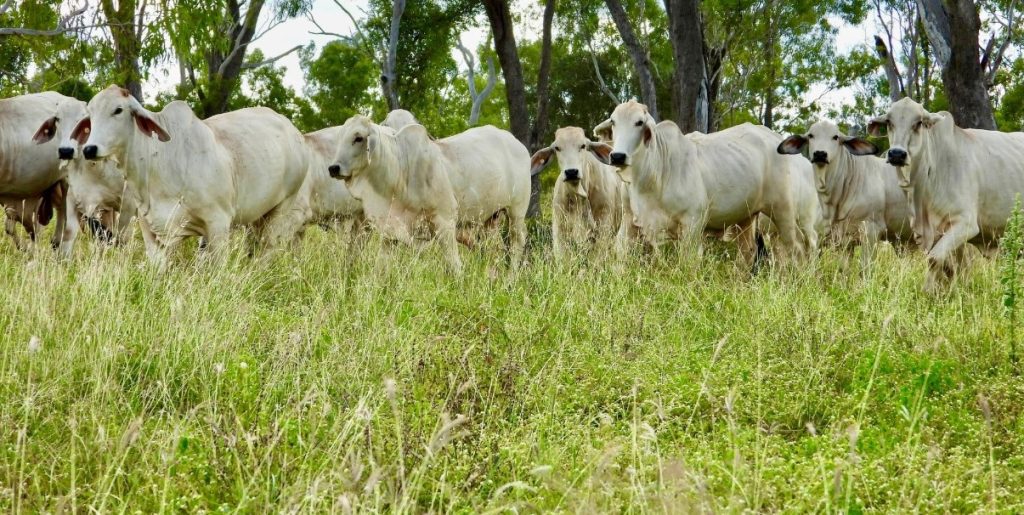
Brahman cattle on Valley of Lagoons
Notable transactions throughout Queensland in the past six months included Bottle Tree Camp (Central Queensland), Valley of Lagoons (North Queensland), Gemini Downs (Central Queensland), together with the divestment of Gina Rinehart’s Rockybank Aggregation, all of which had reportedly attracted sound market interest despite elevated capital values.
The southern Queensland market has recorded comparatively fewer significant transactions, reflective of seasonal variability and drier conditions throughout portions of the south-east and south-west, Mr Mason said.
However large-scale holdings within the south-west continued to attract inquiry, evidenced by the recent sale of Woonoona and Tatala near Cunnamulla, reportedly reflecting rates approaching $250/ha ($100/ac) for mulga country.
Northern Territory
The 2025–26 wet season in the Northern Territory was exceptionally active and high-yielding, breaking numerous rainfall records, Darwin-based HTW valuer and director Frank Peacocke reported.

Frank Peacocke HTW
The Barkly Tablelands received massive late-summer deluges (some properties received 600mm in a single week in late February), turning around a slower start to the season and guaranteeing heavy standing dry feed for the 2026 dry season, while in Central Australia (Alice Springs), total rainfall hit 428mm (193pc of the annual average).
In the Top End, Roper and Gulf districts, the wet season saw an early-to-near-normal rainfall onset during October and November, breaking any lingering dry-season dormancy ahead of schedule. But highest-on-record rainfall totals in the Top End and Katherine/ Daly caused widespread flooding and also created nutritional quality issues as the rapid growth of tropical pastures saw massive bulk feed but lower digestibility of the tall, lignified tropical grasses.
“Despite the pros and cons of an above-average wet season – and a big wet is usually a positive driver of pastoral and agricultural sales activity across the NT and Kimberley – and the solid volume momentum evident in the live cattle export trade out of Darwin, there has been little activity on the pastoral leasehold front during the first half of 2026,” Mr Peacocke said.
“It appears that the pastoral market remains in a bit of a holding pattern, again, with little in the way of sales and less appetite for potential buyers to bid up on stations where the market value levels have been relatively well-tested in recent years,” Mr Peacocke said.
“The latter really includes most pastoral districts other than the two main corporate regions, the Barkly Tablelands and the Victoria River District. Having said that, the sale late last year of Beetaloo/ Mungabroom did show a significant uplift in value levels for that region, but then again, Beetaloo was the first sale on the Barkly since Brunchilly back in early 2023, so the next sale was more than likely going to show a jump.”
The only pastoral sale in the NT so far this year has been Aroona (1475sq km, 90km southwest of Katherine), which settled in March for $44 million WIWO or just under $30 million assessed bare.
“There had been enough sales activity in that district over the preceding five years or so to provide a fair indication of value levels, and the sale of Aroona tends to indicate a holding of those value levels,” Mr Peacocke said.
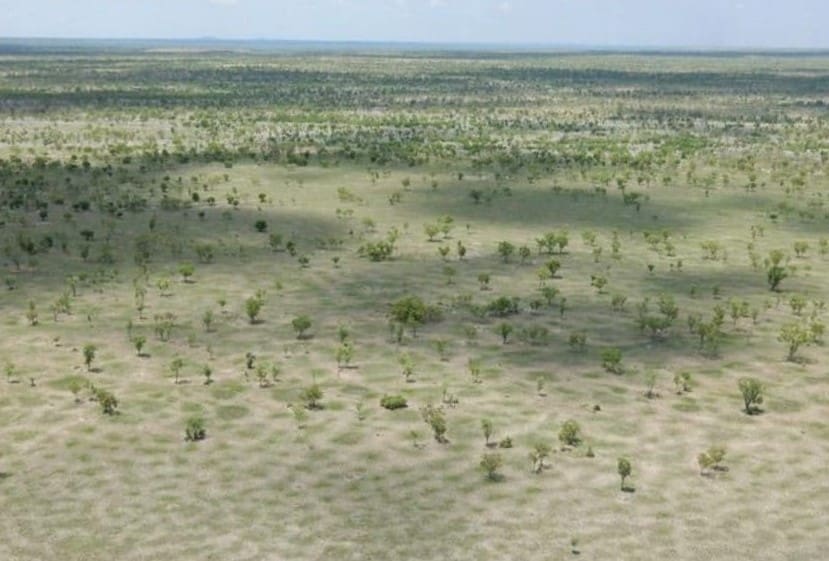
Open country on Aroona, southwest of Katherine, offered with about 15,000 Brahman cattle
Alternate landuse
From the perspective of conversion of suitable areas of pastoral leasehold to a higher use, such as conversion to dryland cotton under 30-year diversification permits (in rotation with more traditional broadacre crops such as sorghum and maize), potential has definitely helped drive the market in recent years, however reduced confidence was being seen in this aspect of the market.
“We know that two major land developers of substantial areas used for dryland cotton farms in the Katherine/Daly basin have quit or are about to quit the market. One listed their property for sale in November 2025 (Claravale Station and Claravale Farm aggregation), which is still on the market.
Douglas West (427sq km) in the Douglas region, which remains largely underdeveloped but has been advertised for its potential to develop into dryland cotton, is also still sitting on the market, having also been listed for sale at the end of 2025 (and which was also listed for sale back in 2024 but failed to sell).
“The sale of Aroona, however, which had no cleared farming country but did have a large clearing permit area (3900ha), appears to have shown that the buyer, Cross Pacific Investments from Argentina, who also already has substantial pastoral holdings in the region, did attribute additional value to the development potential of this area.”
“We note the recent listing for sale of Banjo Station (578sq km, 300km south of Katherine by road on the Sturt Plateau, 820mm mean annual rainfall) with reportedly 6885ha of cleared cultivation. This should be a good test of the market’s appetite for arable pastoral leasehold farming country under the current economic conditions,” Mr Peacocke said.
“As for the pastoral market where sales evidence has established a reasonable base of value levels over recent years (apart from one or two exceptions), properties that continue to test the market at much higher value rates than established continue to sit there for sale after extended periods, while there have been several recent deals negotiated which tend to support values at the levels established over, say, the past five years.”
“We are aware of a large freehold aggregation south of Katherine in the Venn locality that is under contract (but subject to delayed settlement) which indicates reasonable ongoing confidence in the market, not so much in the irrigable land market as the property is predominantly a dryland cropping block, or dryland cotton market (rainfall here is probably too low), but from the improved pasture/hay farming for cattle grazing perspective.”
“Although full details remain confidential, we can say that the deal is likely to show between $4500 and $5000/ha (cleared and improved) over a relatively large scale 2500ha. Such values again indicate the holding pattern of values,” he said.
“We are also aware that a deal was struck in May on the large irrigation and dryland aggregation Taylors Park – North (5310ha) and Taylors Park – South (1559ha, located 50km west of Katherine).
There remains a significant area under Indian Sandalwood plantation (including host trees) on this aggregation. Full details remain confidential at this stage, however the deal, which comes after listing for sale around a year ago, reflects ongoing confidence in the region, again, more from a beef/ protein growing perspective than a horticulture or forestry production perspective.”
“We are aware of another freehold block in the Venn district reportedly under contract for sale. Again, full details remain confidential, however the deal will show a relatively strong dollar per hectare rate for predominantly arable, cleared land (+350ha) but without groundwater allocation, meaning that the buyer, also a horticulturalist from the district, may have to transfer water from their existing entitlement if they have enough.
The ink was still wet on another freehold dryland farming property, this time in the Top End region, Mr Peacocke said.
Heaton Hill (543ha, located 100km south of Darwin with Stuart Highway frontage and +180ha cleared or improved, has been on the market since 2023, asking $4.5 million bare.
“It is finally under contract (deal done in early 2026) to an NT pastoralist. Again, full details remain confidential, however this strong sale again shows confidence in the northern cattle industry and also reflects the premium payable for freehold within a 100km radius of the Port of Darwin.”
Kimberley region
In the Kimberley region of Western Australia, values also appeared to be holding, Mr Peacocke said, although with the limited number of sales in any one year (mainly because of the limited number of properties throughout the east and west Kimberley – around 92 pastoral leases over 42 operating pastoral enterprises) the trend in value levels was more difficult to judge.
“The only pastoral transaction to have occurred this year was Country Downs, but even this is not a confirmed sale yet, only a contract for sale,” he said.
“At this stage, it appears that the sale will indicate that previous dollar per adult equivalent levels have been maintained.”
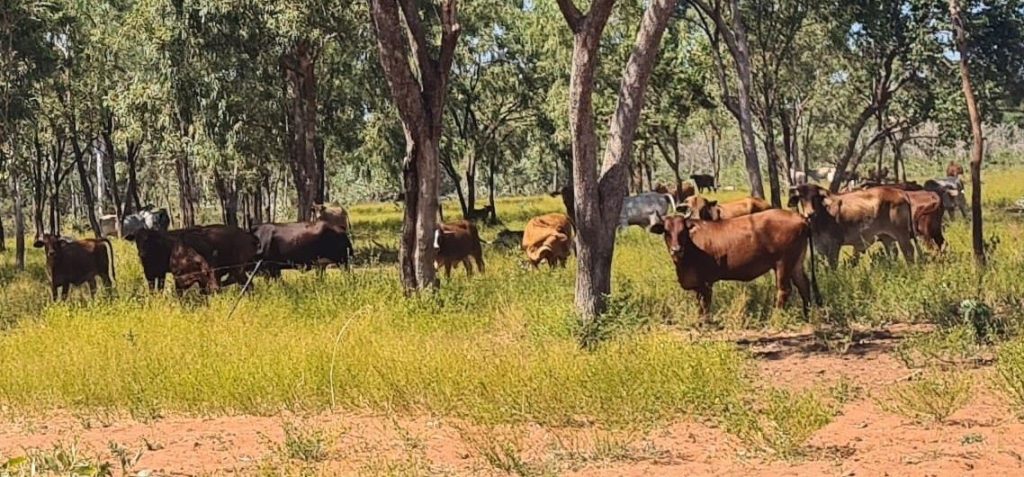
Situated 90km from Broome, on the West Kimberley’s Dampier Peninsula is the 169,106ha Country Downs
Freehold farming sales in the Kimberley have been largely restricted to the East Kimberley and Ord River Irrigation Area around Kununurra over the past twelve months and there had been no significant sales in the year to date.
“There are very few farming properties currently on the market for sale at present in the ORIA. With the recent opening of the new cotton gin outside of Kununurra and the growing of irrigated GM cotton at a far more established position than dryland cotton in the NT for example, we anticipate that value levels should, as a minimum, be maintained and possibly increase over the rest of the year,” he said.
The most recent sales were in the second half of 2025 and all in the original Stage 1 of the ORIA, which showed a range of between $22,000 and $25,000 per irrigated hectare inclusive of water (17 megalitres per hectare per annum).
Ample, secure irrigation water, relatively consistent self-mulching black clays and proximity to the well-established regional service centre of Kununurra are proving more attractive at this moment than dryland farming, often in more remote areas in the NT.
HAVE YOUR SAY