
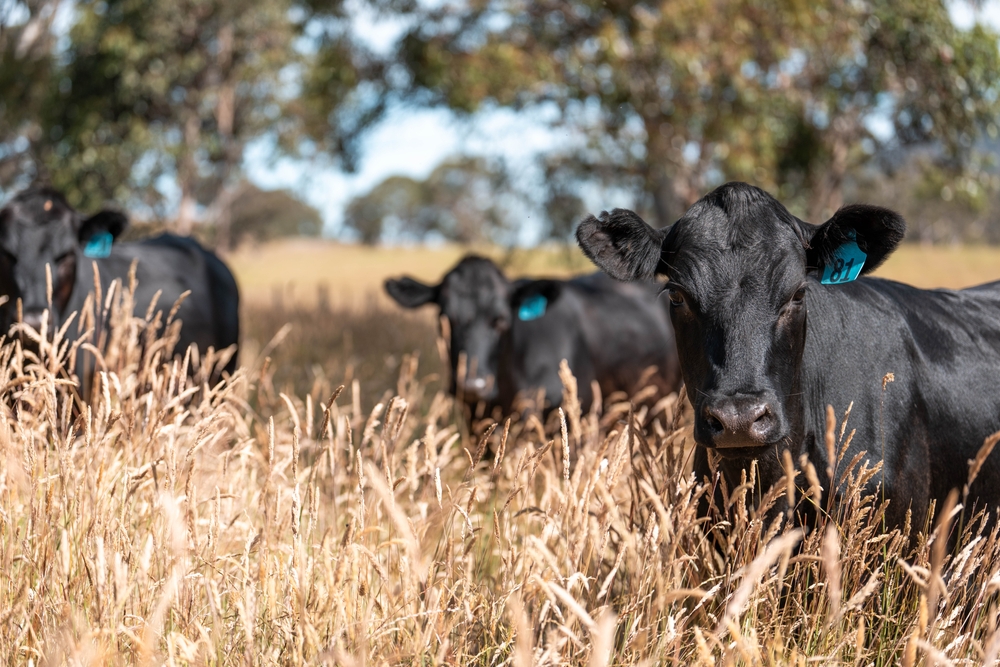
THE same Australian cattle property, the same cattle eating the same grasses, but two very different methane emission loads attributed to the same herd depending on which set of figures are used.
Several examples of how different measures and indicators can produce substantially different conclusions about an industry’s environmental performance were highlighted at last week’s Societal Role of Meat and Livestock forum in Geelong.
A number of presenters at the international scientific conference highlighted how global models and broad sustainability indicators can sometimes overlook important regional differences in agricultural production, arguing that locally specific data is essential to accurately assessing the performance and impacts of livestock systems.
Local versus global
One example highlighted a difference of around 30 percent between greenhouse gas emissions estimates for Australian agriculture produced by the United Nations Food and Agriculture Organisation versus the Australian Government’s National Greenhouse Gas Inventory.
The difference was largely attributed to the methods and data used to calculate emissions, rather than any change in agricultural production itself.

Dr Di Mayberry
Explaining why sustainability metrics and indicators are used, CSIRO Sustainable Livestock Systems principal research scientist Dr Di Mayberry said global food systems are associated with environmental impacts, including 26 percent of anthropogenic greenhouse gas emissions, 32pc of terrestrial acidification, and 78pc of eutrophication, with a large proportion of impacts occurring on farm.
Environmental indicators were an important means to support the production and consumption of sustainable diets and enable evaluation and comparison of different food systems and dietary patterns, refine dietary guidelines or guide consumer choices at the supermarket, and for use by producers to benchmark their performance.
But the diversity of different decisions and decision makers meant there was also now a wide range of different environmental indicators being used to signal how sustainable something is, or different ways to measure essentially the same thing.
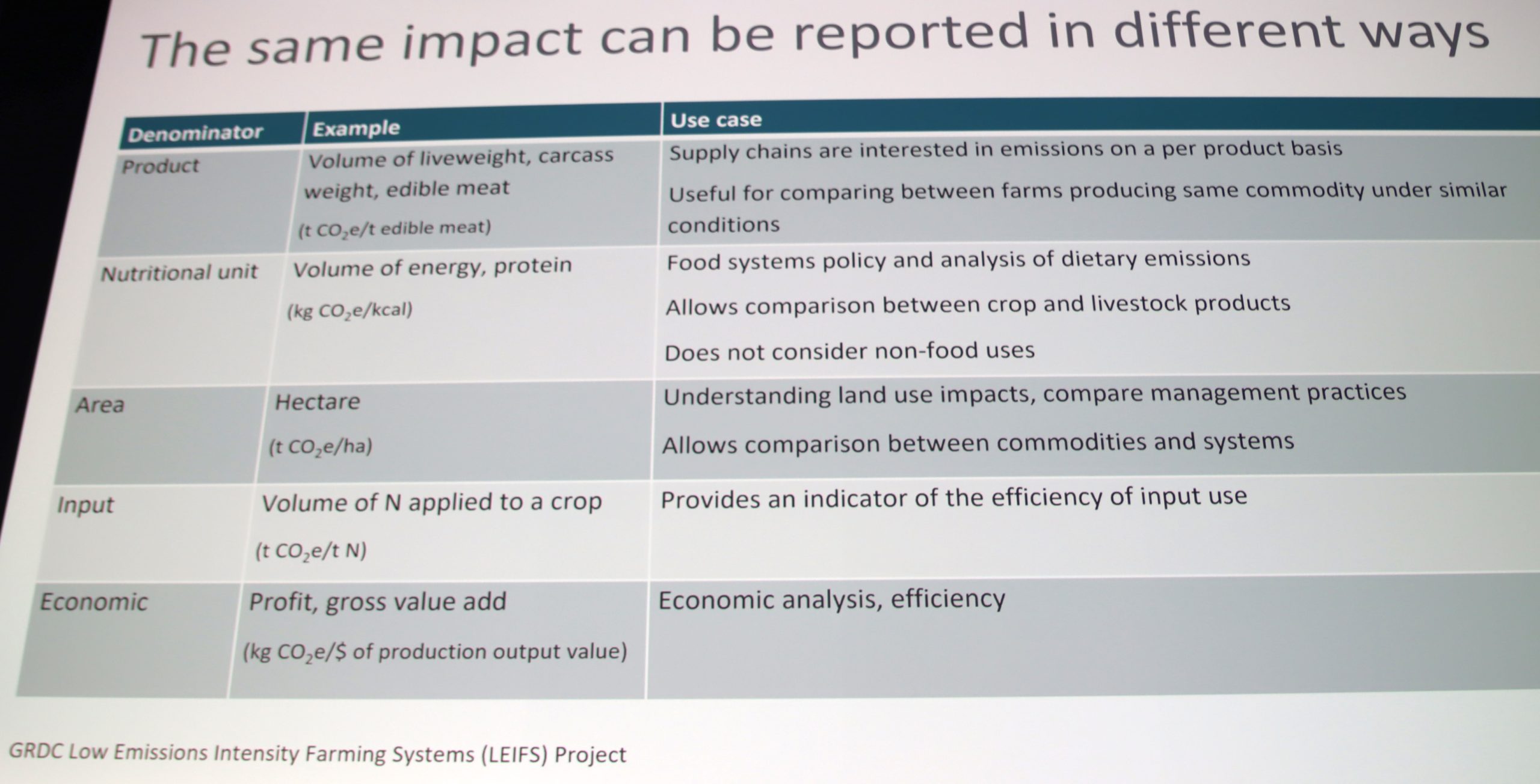
Simply categorising foods “as good or bad, or sustainable or unsustainable” did not do justice to the complexity and diversity of our food systems, Dr Mayberry said.
Where and how food is produced was also critically important, along with consideration of which environmental outcomes were actually relevant for the specific region where that food is produced.
One practical example she provided highlighted how differently meat from the rangelands of Australia could be categorised depending on whether a global or local measurement source was used.
“If I was going to use a global indicator of sustainability, the meat from the rangelands would be considered as having a high environmental load, just based on land use, the amount of land being used to produce a kilo of beef,” she explained.
“But if the landscape is in a fairly natural state, and I’m not saying everywhere in northern Australia is perfect, but if it’s still in a fairly natural state and you do have some biodiversity and it’s low input, there’s no pollution or limited pollution, does it actually matter if we’re using 10 hectares for one animal?”
An FAO estimate of greenhouse gas emissions of an Australian livestock and cropping zone could be as much as 30 percent higher than the Australian Government’s National Greenhouse Gas Inventory.
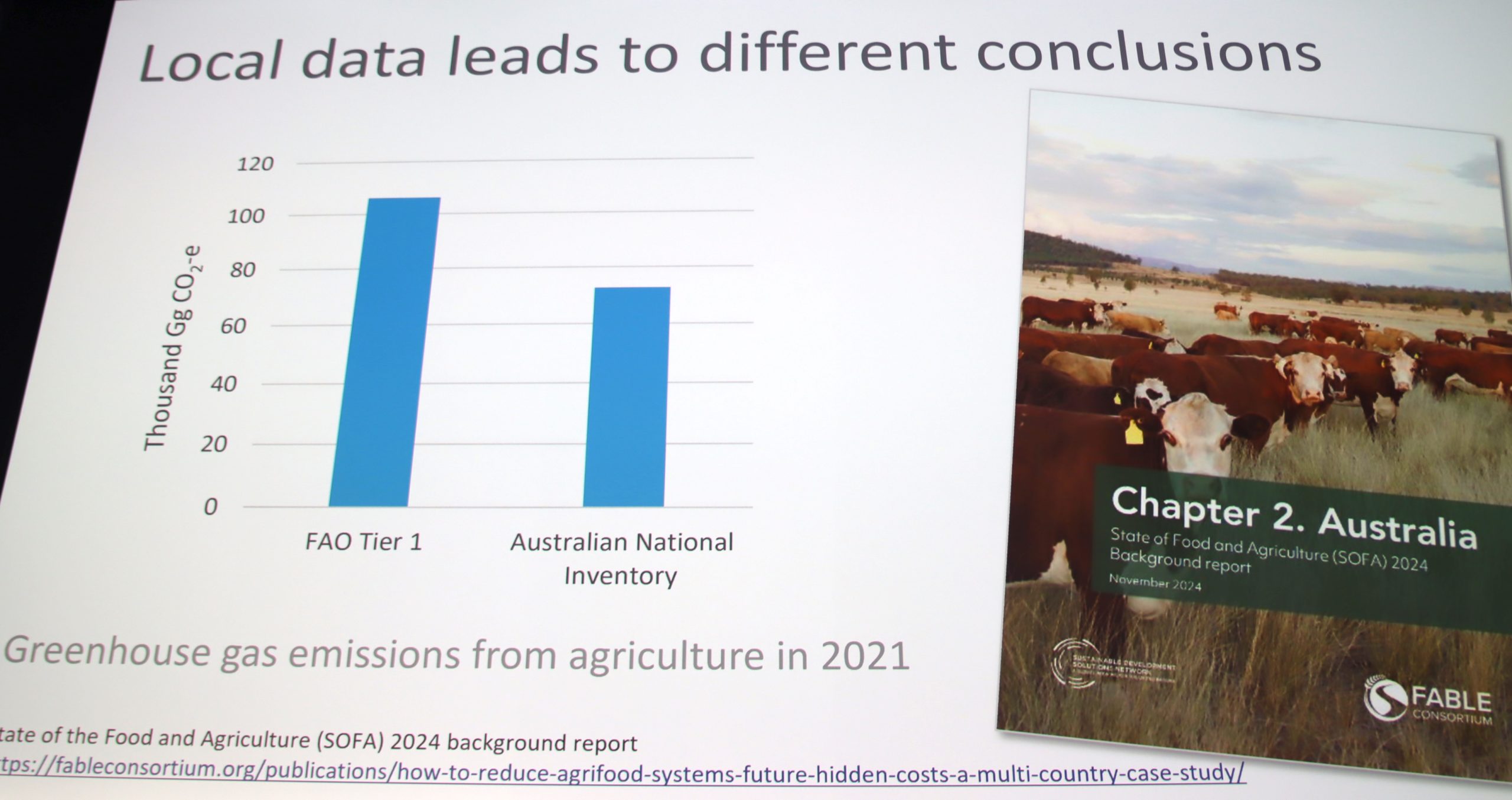 “This is largely due to differences in methods. The FAO uses a tier one approach, while our national inventory has put a lot of effort into getting really good local data and tier two and three methods and emissions factors, which are specific to our production systems.”
Dr Mayberry also highlighted an example involving the comparison of grassfed and grain-finished beef production systems.
She cited research showing that a short period of feedlot finishing could reduce average methane emissions by around 20 percent and methane emissions intensity by 30 percent compared with a grassfed system.
However, when the same systems were assessed using a Net Protein Contribution measure (which Rob van Barneveld also discussed in detail – see more below), the grassfed system achieved a result more than 800 times that of the grain-finished system.
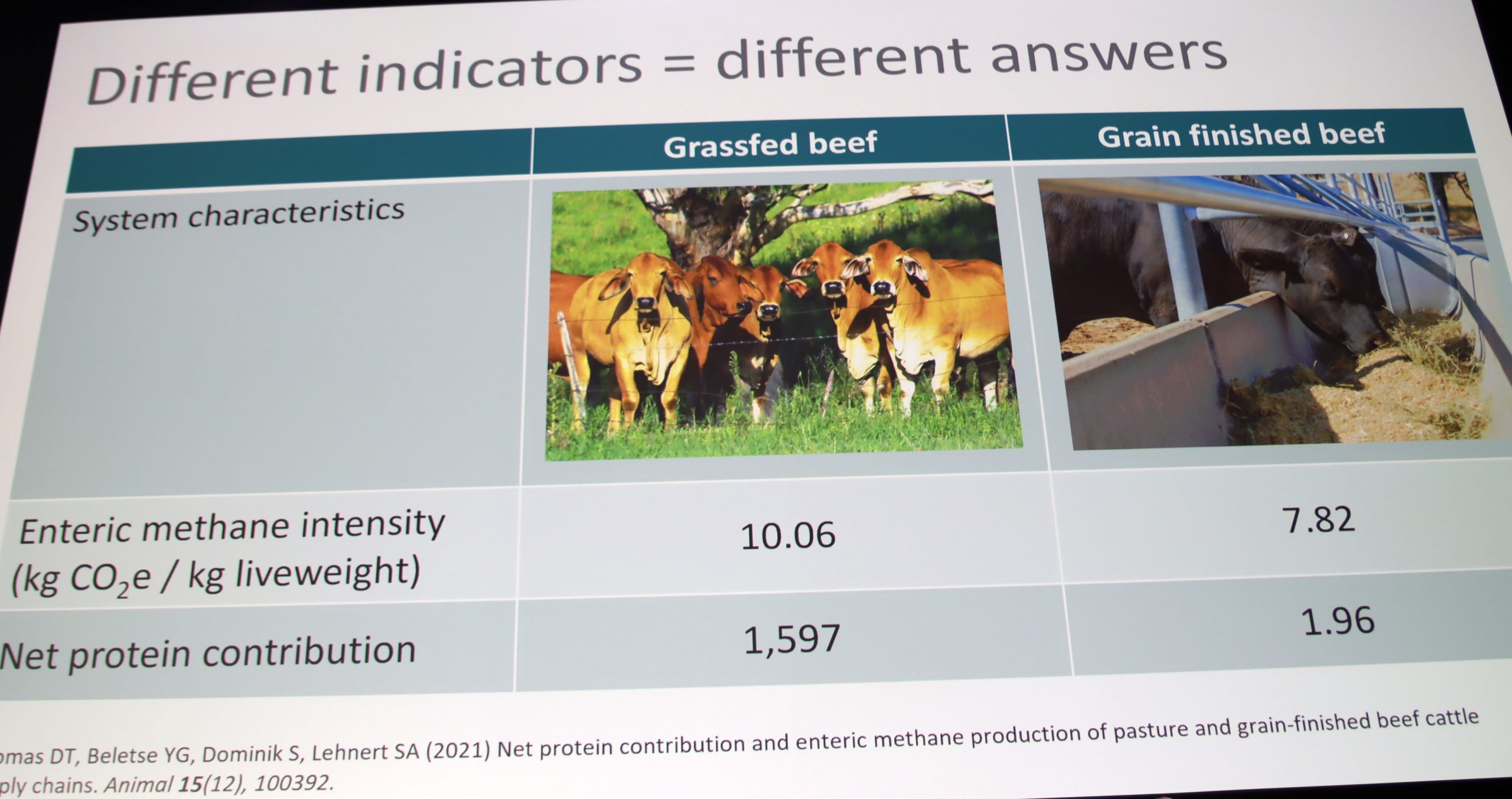
The comparison did not establish that either system was inherently more sustainable, but demonstrated how different measures could produce vastly different assessments of their relative performance.
As Dr Mayberry pointed out, the conclusions could change again if other factors such as biodiversity impacts or water use were included.
Are cattle consuming protein or producing it?
Another example of how different measurements can influence wider perceptions of livestock production was provided by Australian animal nutrition scientist and CEO of Australia’s largest pork producer SunPork Dr Rob van Barneveld.
 His presentation responded directly to a common criticism of livestock production – that feeding grain and other crops to animals is an inefficient use of resources and an unacceptable waste that could otherwise be used to feed people directly.
But he argued that measuring livestock efficiency simply by comparing feed inputs with animal products was “a one-dimensional approach to a fifty-dimensional problem”.
He has been leading interesting and extensive new research into the concept of “Net Protein Contribution”.
This is a measure of how much human-edible protein a livestock system produces, relative to the human-edible protein it consumes, while also accounting for differences in protein quality.
Under the Net Protein Contribution approach, a livestock system with a net protein contribution score above 1 is considered to be producing more human-edible protein than it consumes, while a result below 1 indicates it is a net consumer.
Dr van Barneveld said the research was showing the majority of livestock systems were making positive net contributions to human-edible protein.
The research team looked at the international data in terms of what percentage of different grains and feed sources people are currently classiying as human-edible protein in global models, and then compared that be looking specifically at their own pig production system in which they knew exactly what was being used.
For example, while it it may be easy to assume that wheat is 100pc human edible, downgraded wheat was not, yet in many cases was still being assumed to be grain that could be eaten by people.
A key message again was the importance of using detailed local knowledge about the feed resources used within individual production systems, rather than relying on broad assumptions about their human-edible content.
“We’ve said it 100 times, think local, have a lot of knowledge of the raw materials that are going into your diets, and have mechanisms to actually measure the human edible protein contribution that is actually being consumed versus what we’re producing in the system.”
Australian dietary research challenges global advice
A further example of how measurement choice can influence conclusions about livestock production came from Australian sustainable diets researcher and former CSIRO principal research scientist Dr Brad Ridoutt.
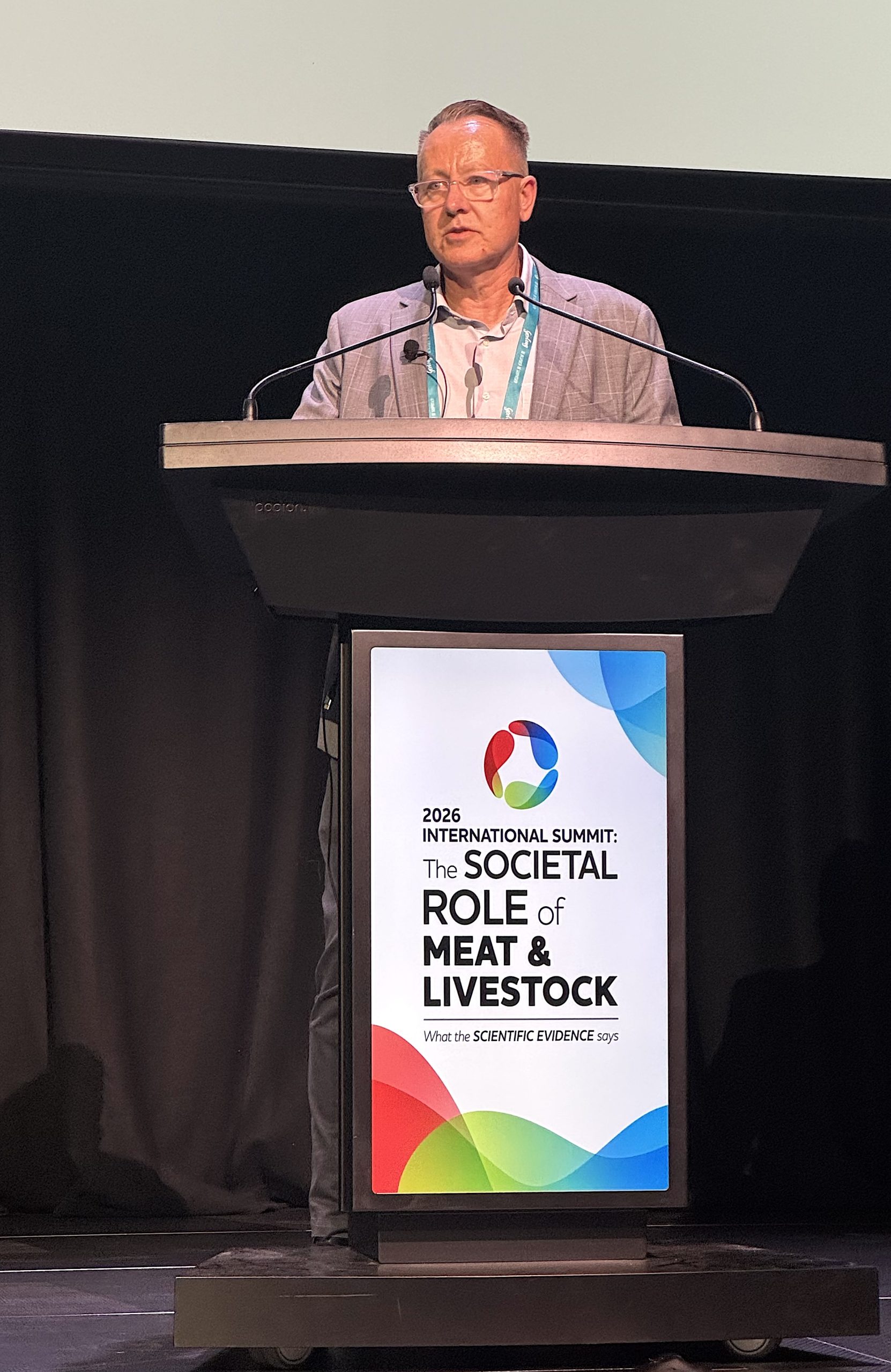 Dr Ridoutt questioned the application of global dietary models to Australian conditions, arguing that local differences in food production systems, resource availability and nutritional requirements could lead to substantially different conclusions about what constitutes a sustainable diet.
His research examined almost 10,000 Australian adult diets, assessing their environmental impacts across four categories: greenhouse gas emissions, water scarcity, cropland scarcity and pesticide toxicity.
The analysis found that discretionary foods – such as cakes, biscuits, confectionery, sugary drinks and savoury snacks, generally foods with high calories and low nutrient value – made the largest contribution to the environmental footprint of the average Australian diet across all four categories.
By comparison, red meat made a relatively small contribution to water scarcity, cropland scarcity and pesticide toxicity, and a larger contribution to greenhouse gas emissions, although still less than discretionary foods.
Dr Ridoutt argued that the findings directly challenge the environmental case that is often used to underpin recommendations to reduce meat consumption.
He also highlighted the importance of accounting for nutritional density of food alongside environmental impacts.
Among the diets examined, his research identified six nutrients particularly vulnerable to inadequate consumption in diets with lower environmental impacts: vitamins A, B6 and B12, calcium, magnesium and zinc.
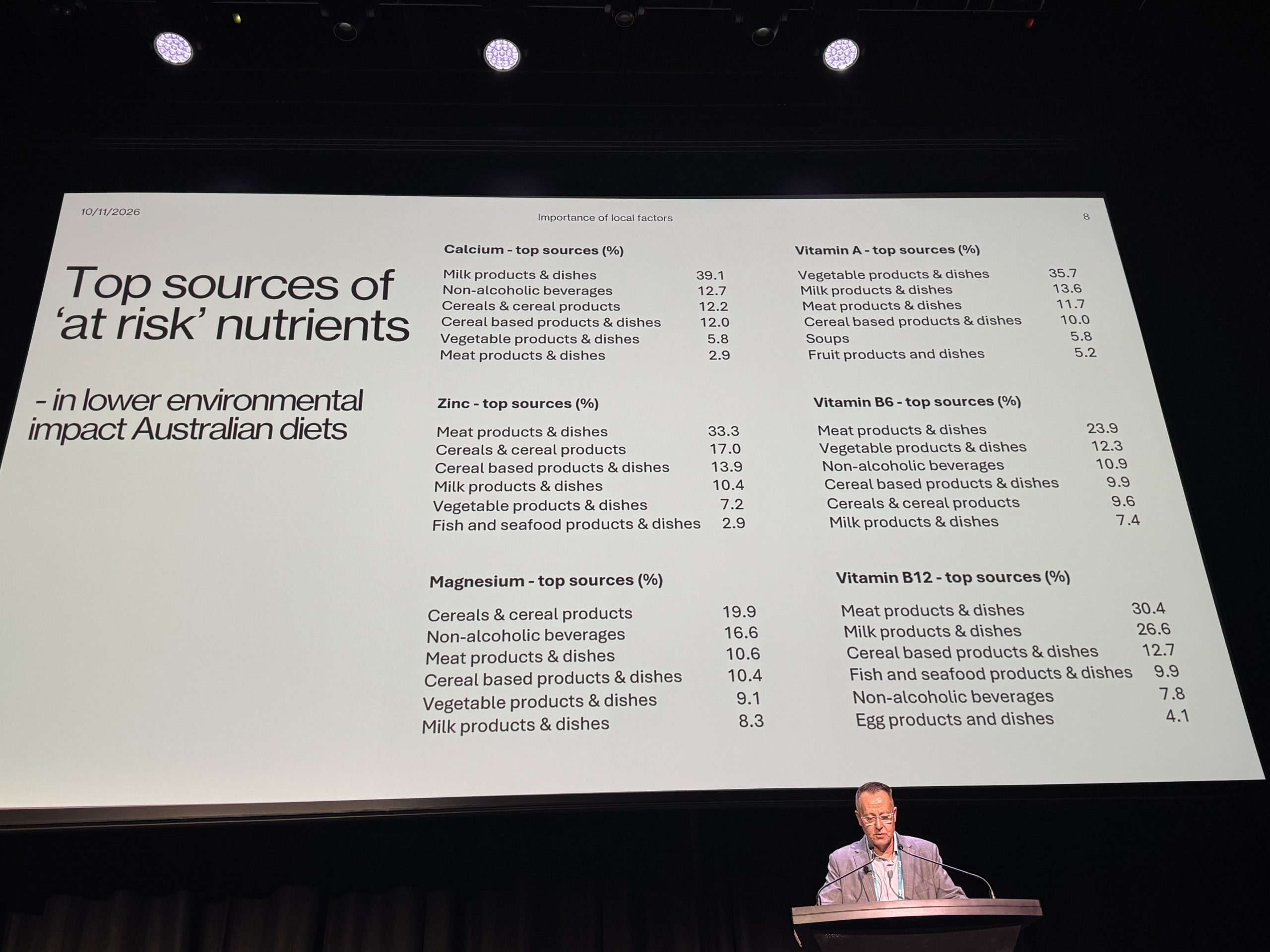
Meat and dairy were top-ranking sources of several of these nutrients, again challenging dietary recommendations that focus on reducing animal-source foods without adequately considering their nutritional contribution.
The research also found that, among the diets assessed as having both higher dietary quality and lower environmental impacts, the largest proportion obtained between 60 and 80 percent of their protein from animal sources.
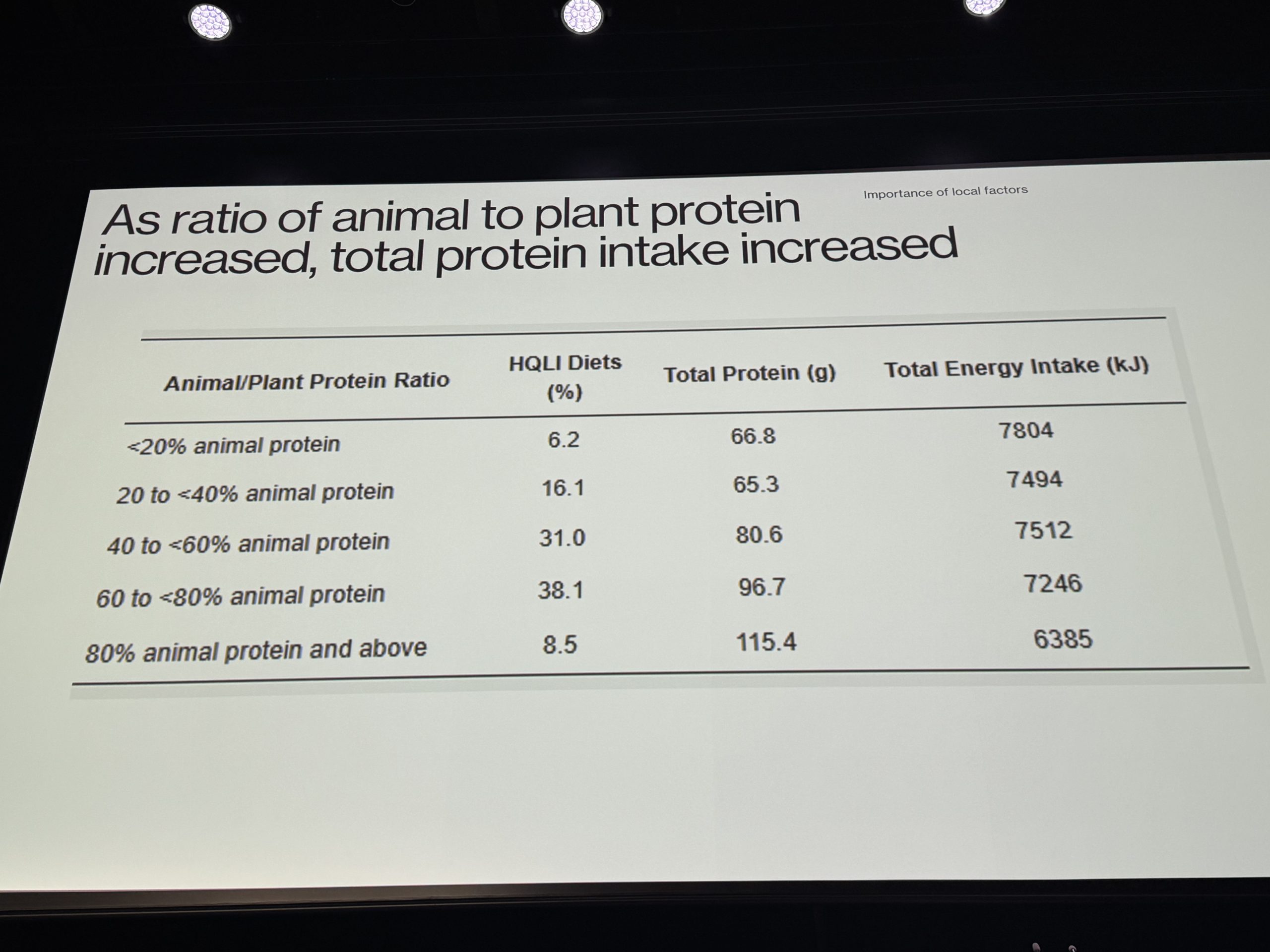
Dr Ridoutt said global dietary models often overlooked important local factors, and argued that Australian-specific evidence was essential to develop recommendations that deliver both environmental and nutritional benefits.
HAVE YOUR SAY