
Image: Shutterstock
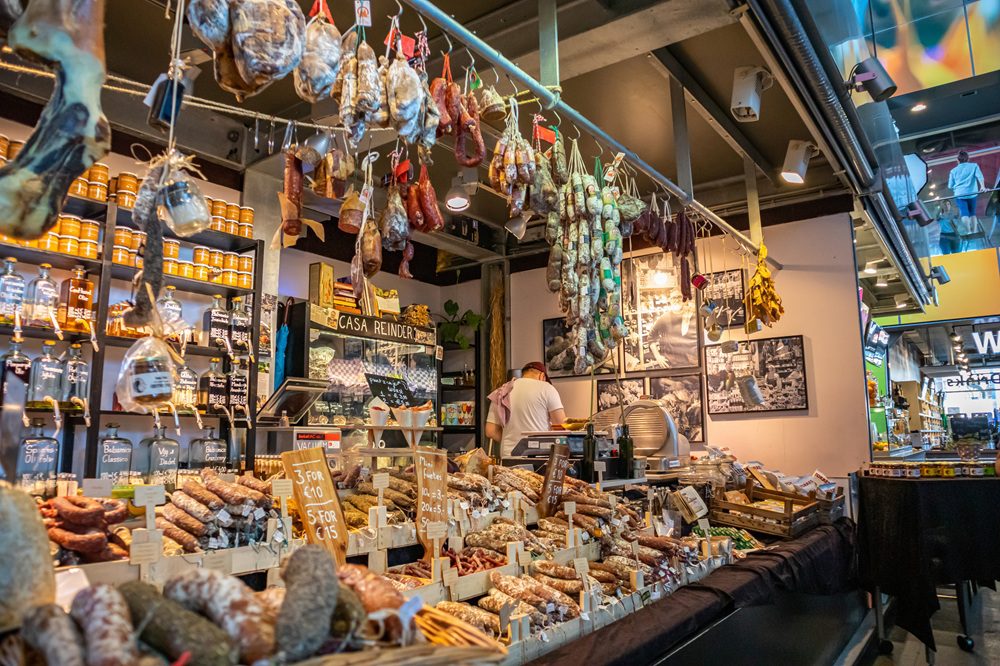
THE capital of one of Europe’s biggest beef exporting countries has voted to ban meat advertising, putting meat in line with the fossil fuel industry in its bid to combat climate change.
According to several news organisations, Amsterdam council recently voted to ban the advertising of meat, air travel, cruises and petrol-powered cars in public spaces – with shopkeepers still permitted to advertise the products inside shops.
While Amsterdam is banning meat advertising, Europe is becoming increasing reliant on imports as local production decreases and prices climb at the checkout. The Netherlands is traditionally one of Europe’s biggest beef exporters (alongside Ireland) but has experienced the sharpest decline in production in recent years.
Across the world, demand for beef appears to be increasing off the back of growing demand for protein from health-conscious consumers and the United States has recently overhauled the country’s dietary guidelines, which doubled the recommended daily intake of red meat.
According to local news outlet, the NL Times, supermarkets in The Netherlands ramped up meat advertising at the end of last year and scaled back their vegetarian deals.
Meat polarising The Netherlands
The trend towards cities banning meat advertising has been gaining momentum in The Netherlands in recent years. A Dutch city called Harleem banned meat advertising in public places in 2022, with several cities since following.
Behind the push has been an environmental-based party called Groenlinks and an animal rights party called Partij voor de Dieren.
The Netherlands has pushed to cut its beef production in recent years, with repeated attempts to buy out farms to stop nitrogen run-off – at one stage planning to close 3000 farms.
But the plans have always been met with strong opposition.
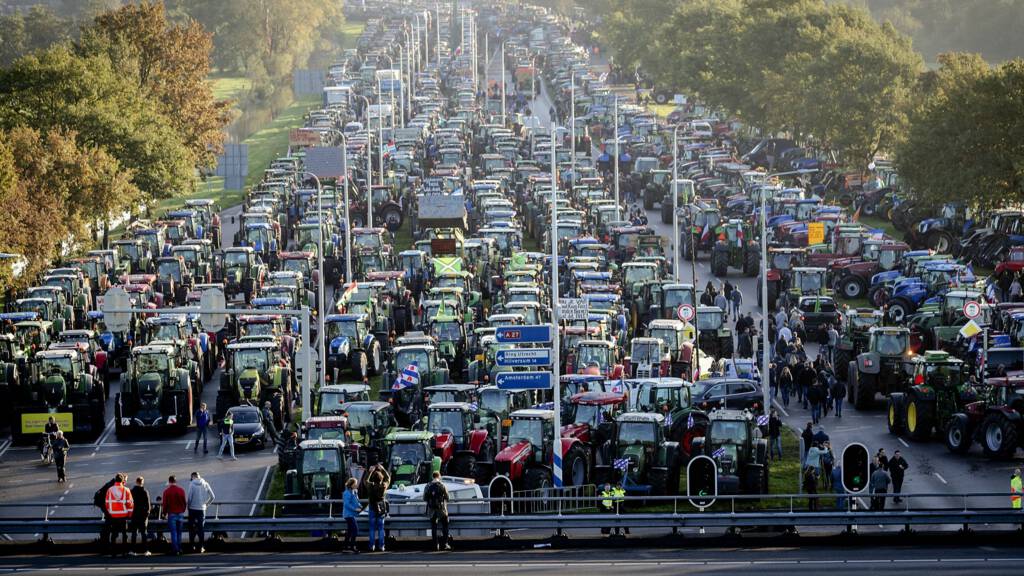
Thousands of Dutch farmers have blocked highways and food distribution centres to protest plans to reduce livestock numbers by a third. Photo: Twitter
In 2022, Dutch farmers blocked supermarket distribution centres with tractors, dumped manure and lit silage bags on fire in protest of the plans to buy out their farms.
That led to the formation of a BoerBurgerBeweging (BBB), which became known as the farmer citizen movement, and won several seats in the parliament – with the party still holding several seats.
The Netherlands Government recently pushed to have the deadline extended in its target to reduce nitrogen emissions over the next five years – with the Government now trying to change the buyout scheme.
EU increasingly reliant on imports
The creep of environmental legislation is said to be a major contributor to Europe’s increasing reliance on imports to fill supermarket shelves.
Total EU imports of fresh/frozen beef for the year to the end of September increased by 15pc (28,500t) year-on-year to 223,900t. The UK has remained the largest supplier, shipping 69,500t across the period (-1pc year-on-year).
The majority of growth in EU beef imports this year have come from South America. Brazil has increased volumes by 26pc (11,100t) whilst Argentina and Uruguay increased by 21pc (7700t) and 32pc (7900t) respectively.
The EU has also signed a trade deal with a group of South American countries (Argentina, Brazil, Paraguay, Uruguay, and Bolivia), which is set to allow more access for beef.
Australia has also re-started negotiations for a trade deal with the EU.